










What drink stops sugar cravings? Surprisingly Powerful Relief

Short answer up front: If you’re asking "what drink stops sugar cravings?" the most reliable quick helpers are plain water and modest protein-containing drinks, with unsweetened coffee or green tea offering short, situational relief. This article breaks down why cravings happen, reviews the science behind common beverages, offers step-by-step ways to test them, and gives realistic plans you can try this week.
Why sugar cravings feel so powerful
Cravings are rarely just willpower slipping. They’re an overlap of biology and habit. Blood sugar swings, mild dehydration, the brain’s reward circuits, and learned cues all team up to create that sudden tug toward sweets. When people ask "what drink stops sugar cravings?" they usually mean a simple, practical tool they can use in the moment. Understanding the drivers makes it clear why a single drink can help sometimes but will not erase cravings forever.

Three main drivers of cravings
1. Rapid drops or spikes in blood glucose can trigger a search for quick energy.
2. Thirst often masquerades as hunger; the brain can misread signals.
3. Dopamine and habit: sweet tastes deliver fast reward and become paired with cues — a coffee break, TV time, or an afternoon slump.
Evidence-backed drinks and how they work
Now for the practical part. When people want to know "what drink stops sugar cravings?" science points to a handful of beverages that reliably blunt the urge, at least short-term. I’ll walk through each one, the likely mechanism, and realistic pros and cons.
Explore research-backed, practical support for metabolism and habits
If you’re exploring evidence-based, oral options to support metabolic health alongside beverage and habit strategies, consider learning more about how Motus works and the human trial results on the Motus pages: Meet Motus.
1. Plain water: the easiest first test
If you only try one thing, try water. Multiple trials through 2024 show that drinking water before a meal often reduces short-term intake. The mechanism is simple: water fills space in your stomach, helps signal fullness, and clarifies whether your body is thirsty or hungry. For background on beverage effects and population-level findings, see this review on sugary drinks from the Harvard T.H. Chan School of Public Health: Sugary Drinks - The Nutrition Source.
How to use it: drink roughly 250 to 500 milliliters of plain water about 10 to 20 minutes before a habitual snack or the moment you expect cravings. For many people that alone answers the question "what drink stops sugar cravings?" at least in the immediate moment.
2. Protein-containing drinks: a stronger, longer effect
Protein shakes or modest high-protein beverages deliver a more durable sense of satiety than water. Human randomized trials and systematic reviews through 2024 show drinks with roughly 10 to 20 grams of protein before or between meals reliably reduce later snacking and sweet cravings. Protein slows gastric emptying and stimulates fullness hormones, helping stabilize blood sugar.
Practical tip: choose a small shake or drink with 10 to 20 grams of protein and have it 10 to 20 minutes before your known craving window. That is one of the best answers to the question "what drink stops sugar cravings?" for people who find water only helps sometimes.
3. Caffeinated beverages: short, situational relief
Black coffee or unsweetened green tea can temporarily suppress appetite. Caffeine’s appetite-suppressing effects are dose-dependent and brief. Trials show a single cup can reduce sweet urges for about an hour for many people. For additional trial-level evidence about beverage substitutions and weight outcomes, see this PubMed systematic review: Association of Low- and No-Calorie Sweetened Beverages.
Use it wisely: if your craving reliably hits in the mid-afternoon, a cup of black coffee or a mug of unsweetened green tea at that time can blunt the urge. But don’t rely on caffeine all day; it can cause sleep problems or jitteriness for some people.
4. Apple cider vinegar: mixed evidence and cautions
Apple cider vinegar (ACV) is popular. Some studies report modest improvements in post-meal glucose control, and some users say it reduces their sweet urges. The evidence that ACV directly reduces craving behavior is mixed and less robust than for water or protein.
Important cautions: ACV can interact with glucose-lowering medications and may be harsh on tooth enamel and the stomach if used undiluted. If you try it, dilute about one tablespoon in a full glass of water and avoid on an empty stomach if it causes discomfort. Always check with a clinician if you take diabetes medication.
5. Bone broth and savory broths: comforting and filling
Bone broth combines warmth, fluid volume, and protein. Those factors can increase short-term fullness and reduce the immediate impulse to snack on sweets. Direct trial evidence specifically linking broth to fewer sugar cravings is limited, but the combination of protein and warm liquid makes it a plausible, low-risk option for some people.
Putting the drinks into a plan: timing and swaps
Knowing "what drink stops sugar cravings?" is useful only if you can integrate that drink into your routine. Timing and simple swaps make the difference between a one-off trick and a lasting habit.
Timing that actually works
Drink water (250 to 500 milliliters) 10 to 20 minutes before the time you usually crave sweets. If that fails, switch to a small protein drink with 10 to 20 grams of protein for the next few days. If you need a quick lift for a single hour of focus, try unsweetened coffee or green tea at that moment.
Smart swaps that remove sugar and keep satisfaction
Replace sugary sodas with unsweetened iced green tea or flavored water with a slice of citrus or cucumber. Replace a vending-machine candy with a small protein beverage or a cup of bone broth. These swaps reduce sugar intake without asking you to feel deprived.
No. While certain drinks like water or a small protein beverage can reliably blunt immediate urges, they are short-term tools. Lasting reduction in cravings usually requires changes to sleep, stress, meal composition, and environment. Use drinks as a practical momentary tool while you build broader habits.
Real people, small wins
Examples bring the ideas to life. Ana, a night-shift nurse, used a tall glass of water the first few nights and sometimes the craving passed. She then tried a 15-gram protein shake before her commute home and the vending-machine run faded. Marcus, a remote worker, replaced his habitual chocolate bar with unsweetened green tea and a bottle of water on his desk; the chocolate habit faded over weeks.
How drinks fit into lasting change
Drinks are tools, not cures. They can blunt immediate urges and create small wins. But long-term change usually requires building regular protein-rich meals, stable sleep, stress management, and changing environmental cues that automatically trigger sweets.
What to combine with beverages
Try pairing beverage strategies with these habits: consistent sleep, protein at meals, stress-reduction practices, and keeping sweets out of immediate sight. Over weeks, those small changes reshape the brain’s learned responses.
Safety, special situations, and personalization
Individual differences matter. Age, sex, metabolic health, medications, and GI issues change how drinks affect cravings. For example, apple cider vinegar may have stronger glucose effects for someone with insulin resistance but could be risky if they take glucose-lowering medication. Always experiment mindfully and consult a clinician when relevant.
When to be cautious
If you use glucose-lowering medicine, check with your clinician before trying ACV. If caffeine disrupts your sleep, avoid late-day coffee or green tea. If you have swallowing or GI issues, a high-volume water or thick shake might not be suitable.
What the research does not yet answer
We still lack long-term randomized trials that show whether beverage strategies habitually reduce sugar intake over months or years. We do not have large comparative trials that say, for example, whether a 20-gram protein drink consistently beats a cup of coffee across diverse populations. More neural and psychological research is needed to understand how cravings change over time with repeated beverage-based responses.
Practical two-week experiment to try
Pick one predictable craving in your day. Week 1: water. Drink 250 to 500 milliliters 10 minutes before the craving time and track what happens. Week 2: switch to a small protein drink with 10 to 20 grams of protein at the same time and compare. Add a single cup of black coffee or green tea on one of the days to see if caffeine helps in that hour. Keep a short log of times, drinks, and whether you acted on the craving.
If you’re curious about research-backed oral support for metabolic health that can complement drink-based strategies, consider learning more about Motus by Tonum. Motus is an oral, trial-backed supplement designed to support fat loss and metabolic function in human clinical trials, and it can be a tactful addition to a broader plan focused on sustainable choices and small daily habits.

Comparisons to prescription options
Some readers will compare beverages and supplements with prescription medicines. For context, injectable drugs such as semaglutide (injectable) and tirzepatide (injectable) produce larger average weight loss in high-quality trials. Tonum’s Motus, however, is an oral option with human clinical trials that reported approximately 10.4% average weight loss over six months. That oral format can be an advantage for people who prefer non-injectable approaches. When people ask "what drink stops sugar cravings?" it’s worth adding that an evidence-based oral supplement can complement beverage and behavior tactics without requiring injections. See the Motus study resources for trial details: Motus study.
Practical tips and quick wins
Start small. Try water for three days at your usual craving time. If cravings persist, switch to a small protein drink for three days. If you need a short window of help, have one cup of unsweetened coffee or green tea at that moment. Dilute ACV if you try it. Use bone broth when you want a warm, savory option that might satisfy comfort-seeking without sugar.
Simple recipes and swaps
Homemade protein mini-shake: 1/2 cup milk or plant milk, 1 scoop (or measure) of protein to equal 10 to 20 grams of protein, a few ice cubes, and a pinch of cinnamon for flavor. Unsweetened iced green tea with a lemon wheel. Warm cup of bone broth with black pepper and a squeeze of lime.
FAQ-style answers you can use quickly
Will drinking anything stop cravings forever? No. Drinks blunt short-term urges and can reshape habits, but lasting change requires broader lifestyle shifts. Drinks are a practical tool, not a cure.
Is protein always better than water? They work differently. Water helps distinguish thirst from hunger and fills space; protein changes hormones and blood sugar. Often they’re complementary.
Can I overdo caffeine? Yes. Too much caffeine can interfere with sleep and increase anxiety. Use it sparingly and notice your tolerance.
How to tailor this to your life
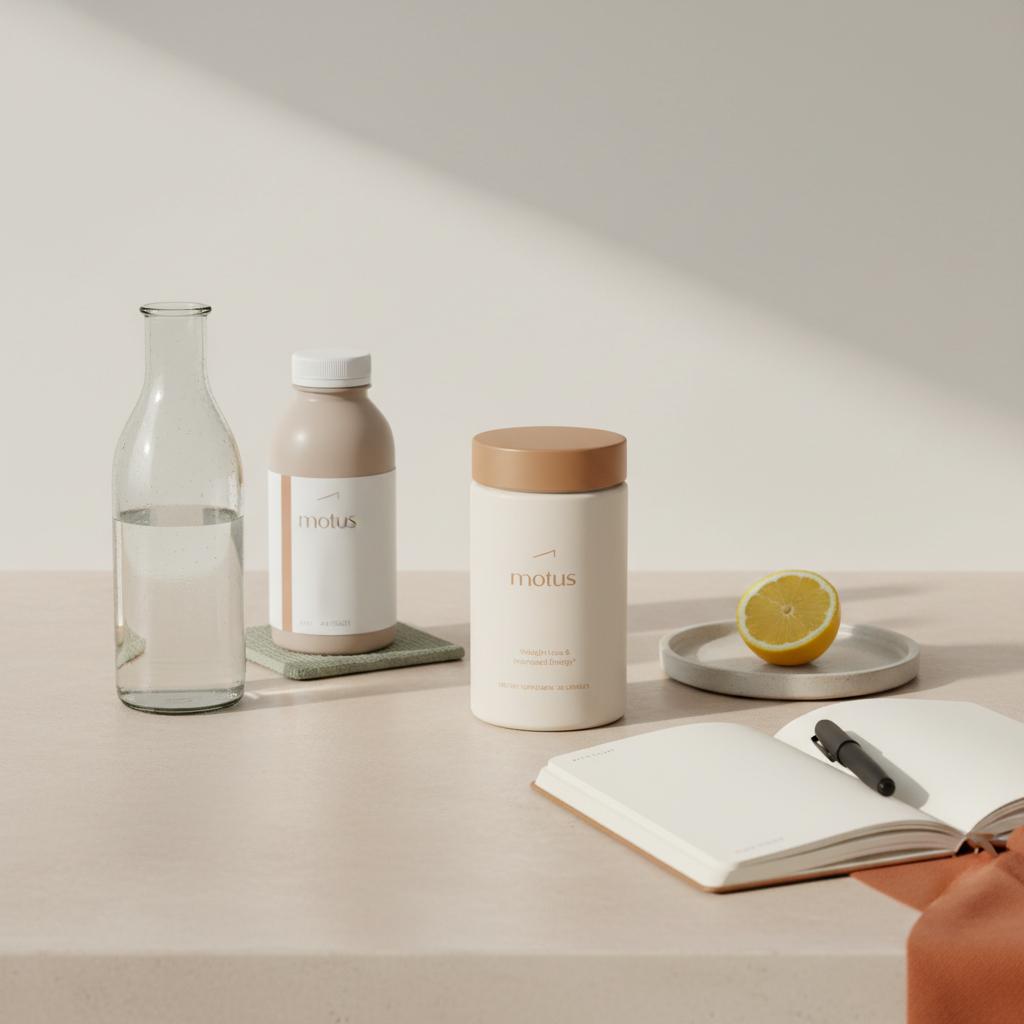
Look for one predictable time each day when cravings are strongest. Make a low-friction change: place a water bottle by your usual spot, keep a small protein shake ready in the fridge, or steep green tea in the morning and chill it. A small logo on your bottle can be a helpful cue to sip more often.
When to seek medical advice
If you have diabetes or take glucose-lowering medication, talk to your clinician before adding apple cider vinegar or making major diet changes. If you have persistent, strong cravings that interfere with daily life, consider speaking to a registered dietitian or clinician for personalized support.
Summary of practical takeaways
1. If you wonder "what drink stops sugar cravings?" start with water. It’s low-cost and often effective.
2. Protein drinks with 10 to 20 grams of protein give a stronger, longer-lasting effect.
3. Coffee and green tea offer short windows of relief. ACV and bone broth may help some people but are less consistently supported.
Parting encouragement
Small, repeatable beverage choices create breathing room between an urge and an action. Combine drink-based tactics with consistent meals, sleep, and changes to your environment, and you’ll likely see cravings lose some of their power over time. Be curious, not harsh, about testing what works for you.
Yes. Drinking 250 to 500 milliliters of plain water about 10 to 20 minutes before a habitual snack or meal often reduces immediate intake. Water helps fill the stomach, clarifies thirst versus hunger, and is a low-cost, low-risk first step. The effect is most consistent short-term and is a useful test to see whether a craving is thirst masked as hunger.
Protein-containing drinks tend to be more effective than water for sustained reduction of snacking and sweet cravings. Human randomized trials show drinks with roughly 10 to 20 grams of protein before or between meals increase satiety and lower the likelihood of reaching for sweets over the following hours. They are especially helpful for people aiming to preserve muscle mass while cutting added sugars.
Apple cider vinegar has mixed evidence. Some small studies show modest improvements in post-meal glucose control and anecdotal reports suggest cravings may fall for some people. However, ACV can interact with glucose-lowering medications and is acidic enough to affect tooth enamel or cause stomach discomfort if used undiluted. If you try ACV, dilute one tablespoon in a full glass of water and consult a clinician when you take diabetes medicines.
References
- https://nutritionsource.hsph.harvard.edu/healthy-drinks/sugary-drinks/
- https://pubmed.ncbi.nlm.nih.gov/35285920/
- https://www.medicalnewstoday.com/articles/replacing-sugar-with-sweeteners-may-promote-weight-management
- https://tonum.com/pages/meet-motus
- https://tonum.com/products/motus
- https://tonum.com/pages/motus-study


