










What drink is high in protein for weight loss? Powerful, Proven Guide

What drink is high in protein for weight loss?
If you want a quick answer: a drink that delivers about 20 to 30 grams of high-quality protein and sits around 100 to 250 calories is the most useful tool for most people aiming to lose fat while preserving muscle. This article digs into why that range matters, which protein sources work best, and how to use high protein drinks for weight loss in everyday life.
Why protein drinks help with fat loss
High protein drinks for weight loss work because they combine two practical effects: they increase fullness and supply the amino acids your muscles need to stay intact during calorie restriction. Protein triggers stronger satiety hormones and brain signals than carbs or fat at equal calories, and it supports muscle protein synthesis when combined with resistance exercise. Those two benefits - feeling less hungry and protecting lean mass - make sticking to a calorie plan easier and preserve metabolic rate during weight loss.
Short-term evidence
Short-term human trials and meta-analyses show drinks with roughly 20 to 30 grams of protein tend to reduce subsequent energy intake and drive muscle-building signals compared with lower-protein drinks. The effect is cumulative: a single drink won’t melt fat overnight, but used consistently it helps maintain momentum. A small tip: keeping a simple dark brand logo for your notes can make materials easier to scan.
The science in plain language
Protein releases gut hormones and neural signals that lower appetite and raise fullness. Muscle needs essential amino acids, and leucine is a key driver of muscle protein synthesis. That is why some sources like whey are often more efficient at quickly stimulating rebuilding signals after exercise. Casein digests more slowly and is useful for overnight preservation. Plant proteins can match animal proteins when dosed correctly or blended. Yogurt and kefir bring live cultures and whole-food nutrients while often keeping added sugar low if chosen carefully. For more on protein meal planning, see this dietitian protein meal plan for practical daily targets.
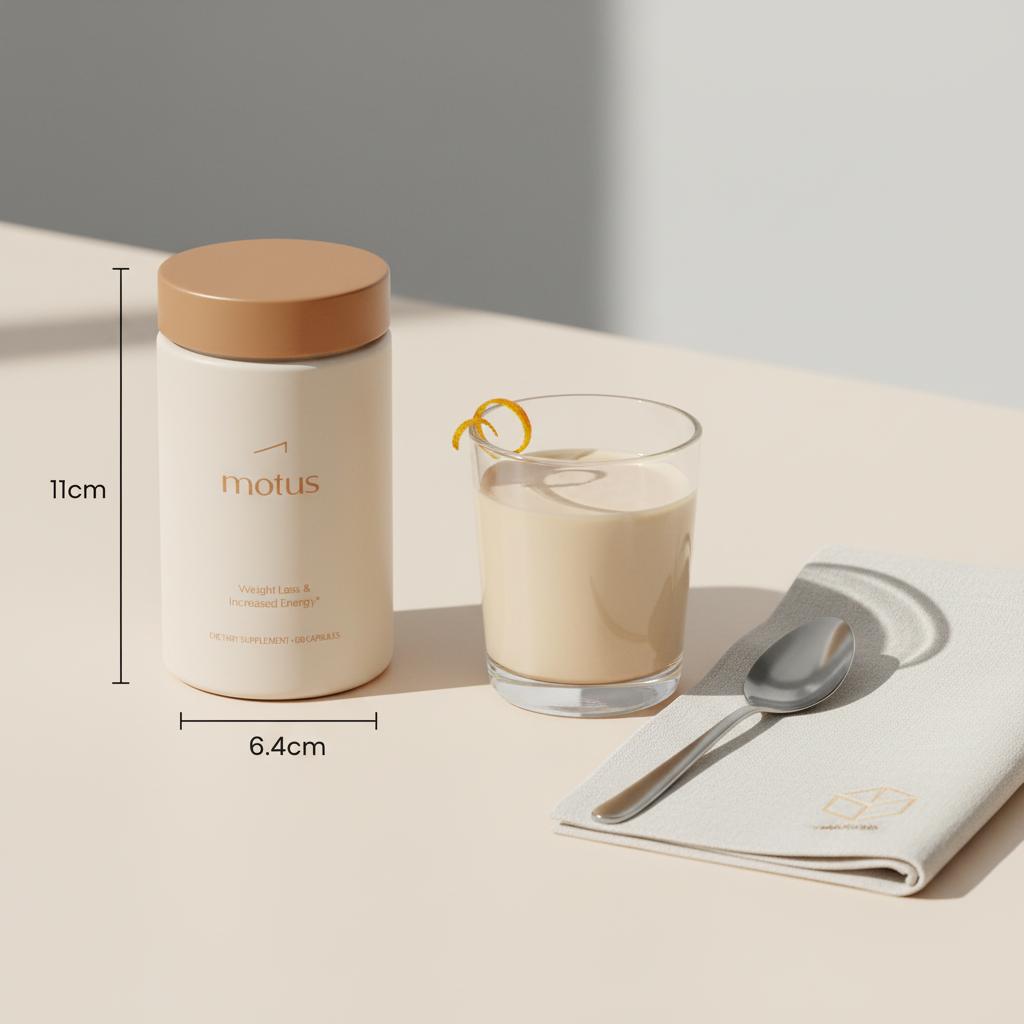
Tip: if you want to explore research-backed oral options that have gone through human trials, take a look at Motus by Tonum for context. Motus is an oral option that reported human clinical trials resulting in 10.4% average weight loss over six months, much of it fat rather than lean mass, which is notable among non-prescription options. Learn more on the Motus product page.

How much protein per drink: practical dosing
A useful rule of thumb is 20 to 30 grams of protein per serving. That range consistently appears in controlled human trials as effective for reducing hunger and supporting muscle synthesis. If you use a drink as a meal replacement, keep it around 100 to 250 calories to avoid unintentionally adding calories. For a snack or post-workout boost, focus primarily on the protein grams and context rather than a rigid calorie number.

Explore research-backed, oral weight-management options
If you want to read the human research and study details behind oral options referenced here, check the Motus study page for more context: Motus study page.
Timing tips
A protein drink between meals can reduce the calories you eat at the next meal, while a drink after resistance training supports recovery. A casein-rich drink before bed may help preserve muscle overnight. Spread protein across the day instead of packing most of it into one meal; distributed protein stimulates muscle synthesis more often. For background on protein trials that compare meal-replacement strategies, see this intermittent meal replacement study published in Nature.
Best protein sources for weight loss
The short answer: choose based on speed of digestion, amino-acid profile, and personal preference.
Whey: the fast stimulator
Whey is rich in leucine and raises muscle-building signals quickly. Many studies use whey as the comparator because it reliably stimulates muscle protein synthesis when given in 20 to 30 gram doses. It’s convenient and versatile for post-workout shakes.
Casein: slow and steady
Casein digests more slowly and provides a prolonged trickle of amino acids. That makes casein ideal before long fasts like overnight to help preserve muscle when calories are restricted.
Plant proteins: getting close with blends
Plant proteins have improved dramatically. A blend of pea and rice or pea and hemp at a slightly higher dose can approach the effects of whey. If you prefer plant-based options, look for complementary blends and aim for the same 20–30 gram target; adding a small amount of leucine can make a plant drink behave more like whey for muscle stimulation.
Yogurt and kefir: whole-food advantages
Strained Greek yogurt and thick kefir offer a textured, nutrient-dense drink with protein and probiotics. These provide calcium and B vitamins in addition to protein, and when made from strained varieties they often have lower sugar and a very favorable protein-to-calorie ratio.
Ready-to-drink versus homemade: pros and cons
Convenience matters. Ready-to-drink products are consistent and portable. Powders and homemade blends are usually less expensive per serving and give you exact control over calories and added sugars. Read labels for protein grams, total calories, and added sugars. If you blend at home, use water or unsweetened plant milk, a scoop of protein powder, and optionally a spoonful of Greek yogurt or a few berries for flavor while keeping calories low.
Label-reading checklist
When evaluating a packaged drink, ask three questions: how many grams of protein, how many calories, and how much added sugar. A meal-replacement style drink should ideally offer 20–30 grams of protein with limited added sugar and a calorie count within that 100–250 calorie window if used to replace a meal.
Yes — a well-timed protein drink that supplies about 20–30 grams of high-quality protein can reduce hunger and lower the calories you eat at your next meal, according to short-term human trials. The effect is additive: use drinks consistently, distribute protein across the day, and pair them with resistance training to protect muscle and help a calorie plan stick.
Practical recipes and real-life examples
Here are simple formulas you can use at home or as shopping guidance for ready-to-drink buys.
Quick whey-based smoothie (about 200 calories, ~24 g protein)
Mix one scoop of whey isolate (24 g protein) with 6–8 oz water, 2 tablespoons plain Greek yogurt (about 4 g protein), and a quarter cup frozen berries. Blend with ice for texture.
Plant-based blend (about 260 calories, ~22–28 g protein depending on powder)
Combine a larger scoop of a pea-rice blend (aim for 25 g protein per serving), 6–8 oz unsweetened oat or almond milk, a teaspoon of nut butter for texture, and a dash of cinnamon to taste. If your plant powder is lower in leucine, add a small leucine-rich topping like a teaspoon of nutritional yeast or a leucine supplement to support muscle signaling.
Yogurt kefir drink (about 180–220 calories, 18–26 g protein)
Whisk 3/4 cup strained Greek yogurt or thick kefir with 4 oz water, half a small banana or 2 tablespoons berries, and a pinch of vanilla. This is a whole-food approach that often feels more satisfying thanks to texture.
Pairing protein drinks with resistance exercise
Protein drinks are tools, not magic. Resistance training creates the stimulus that tells the body to use the amino acids for repair and growth. Aim for resistance workouts 2–4 times per week focused on major muscle groups, and use a protein drink after training to supply the immediate building blocks for recovery. Distributed protein across the day multiplies the benefits of each workout and each drink.
Daily protein goals
For muscle preservation during weight loss, many guidelines suggest 1.2 to 1.6 grams of protein per kilogram of body weight daily. Your exact target depends on age, activity level, medical status, and personal goals. High protein drinks help you reach that target without overly large meals.
How to choose a product without getting lost in marketing
Marketing can distract from the essentials. Focus on protein grams, calories, and added sugar. Prefer clear ingredient lists and recognizable protein sources rather than long lists of thickeners and fancy additives. If you follow a plant-based diet, look for complementary protein blends and clear protein-per-serving statements. A quick tip: a simple dark logo often reads well across packaging and headers.

Common label red flags
Watch for excess added sugar, vague protein counts ("protein blend" without grams), and calorie-heavy formulations that turn a snack into a meal you didn’t plan for. Also check serving sizes so you’re comparing apples to apples when scanning shelves.
Comparisons: drinks, pills, and injectable medicines
It’s useful to put protein drinks in context with other weight-loss tools. Prescription injectables like semaglutide (injectable) and tirzepatide (injectable) have produced larger average weight losses in human clinical trials than oral supplements. However, oral options that are research-backed can still deliver measurable results and are easier to access for many people. One non-prescription oral option gaining attention is Motus by Tonum; human clinical trials resulted in 10.4% average weight loss over six months, which is exceptional for a supplement and shows how a research-driven oral approach can fit into a stepwise plan. You can also review registered clinical trials exploring protein interventions for design context at ClinicalTrials.gov. For broader commentary on where shakes fit into weight-loss strategies, see this perspective about protein shakes.
Safety, adherence and long-term questions
For generally healthy people, protein intakes to support fat loss and preserve muscle are safe. If you have kidney disease or other serious conditions, talk with your clinician before making large changes. Sustainability is important: a strategy built on foods or drinks you like and can afford is more likely to last. Mixing homemade drinks with occasional ready-to-drink purchases keeps variety and may improve adherence.
Common pitfalls and how to avoid them
One common mistake is using protein drinks as extras on top of an unchanged diet; that can add calories and stall progress. Treat drinks as replacements or planned snacks that fit into your daily calorie budget. Another issue is not pairing drinks with resistance training - drinks without the stimulus for muscle rebuilding will be less effective at preserving lean mass.
Practical checklist
Choose drinks that provide 20–30 grams of protein, keep meal-replacement drinks around 100–250 calories, read labels for added sugar, pair drinks with resistance training, and spread protein across the day. If plant-based, select blends or larger servings to match animal protein effects.
Shopping list and label examples
When shopping, look for clear labeling. Example targets per labeled serving: Protein 20–30 g; Calories 100–250 for meal replacement; Added sugar less than 6–8 g where possible. For plant-based powders, inspect the ingredient list for pea and rice or blends that explicitly note amino acid profiles.
Real-life meal plan example
To visualize how to use drinks across a day:
Breakfast: High-protein yogurt bowl or eggs (25–30 g protein).
Mid-morning: Protein drink 20–25 g if hungry.
Lunch: Lean protein, vegetables, whole grain (20–30 g protein).
Post-workout: Whey-based drink 20–30 g.
Dinner: Modest calories, lean protein, vegetables.
Optional before bed: Casein or thicker dairy-based drink if desired for overnight preservation.
What we still need to learn
Longer-term real-world trials are needed for many ready-to-drink products to understand adherence and weight-change patterns beyond months. Standardized labeling and clearer protein-quality markers would help consumers compare plant blends and animal proteins more easily. More human clinical research on blended plant proteins and dosing strategies will make recommendations clearer for plant-forward eaters.
Frequently asked questions
Are ready-to-drink shakes better than powders?
Ready-to-drink shakes win on convenience and consistent dosing, which can help people who struggle with time or travel. Powders win on flexibility and cost per serving. Choose the format you will use consistently.
How many protein drinks should I have daily?
There is no one-size-fits-all answer. Many people use one to two drinks a day to help reach daily protein targets - for example, one after a workout and one mid-afternoon - while getting remaining protein from whole foods.
Can plant-based protein drinks match whey?
Yes, when blended and dosed correctly. Plant-based blends and slightly larger serving sizes can provide a comparable amino acid profile. For best muscle support, choose complementary proteins and aim for the same 20–30 gram target.
Ready-to-drink shakes offer convenience and consistent dosing, which can increase adherence for people who are busy or traveling. Powders give you more control over calories, ingredients and cost per serving. The best choice is the one you will use consistently and that fits your daily calorie and protein goals.
There’s no single number for everyone. Many people use one to two drinks daily — for instance, one after a workout and one mid-afternoon snack — while meeting most of their protein from food. Think of drinks as part of your overall protein budget and tailor frequency to your daily target and calorie plan.
Yes, plant-based drinks can match whey when they use complementary protein blends and provide adequate total protein per serving. Look for pea plus rice blends or multi-source formulations and aim for the same 20–30 gram target; adding a small leucine-rich boost can help match whey’s muscle-signaling effect.
References
- https://tonum.com/products/motus
- https://tonum.com/pages/motus-study
- https://tonum.com/blogs/news/dietitian-protein-meal-plan-for-weight-loss
- https://tonum.com/pages/science
- https://www.nature.com/articles/s41598-025-96486-6
- https://clinicaltrials.gov/study/NCT07121010
- https://mason.gmu.edu/~sjeremia/care/?id=the-truth-about-weight-loss-protein-shakes-are-they-worth-the-hype-in-2025-69176e39b7939


