












What does the NAD supplement do? Surprising Powerful Benefits

Understanding NAD and how an NAD supplement fits into the picture
If you’ve been reading about aging, energy, or brain health, you’ve probably seen the phrase NAD supplement pop up. NAD+ is a small but powerful molecule inside every cell that helps make energy, supports DNA repair, and coordinates how cells respond to stress. An NAD supplement aims to increase NAD+ availability in the body so that mitochondria, sirtuins, and DNA repair enzymes can do their jobs more effectively.
In simple terms, an NAD supplement acts like fuel for your cellular mechanics. But while the biology is persuasive, the human clinical story is mixed and requires nuance. Below I walk through what NAD does, which oral precursors are used as supplements, what human clinical trials show, what is known about safety, and how a sensible plan can combine an NAD supplement with lifestyle steps for the best chance of real benefit.
Quick roadmap
This article covers: what NAD+ does in cells and the brain, the two main oral precursors used in NAD supplements, a summary of human clinical trials to date, safety considerations, practical dosing guidance, how clinicians might counsel patients, and how Tonum’s oral cognitive product, Nouro, can be considered part of a broader plan for brain health.

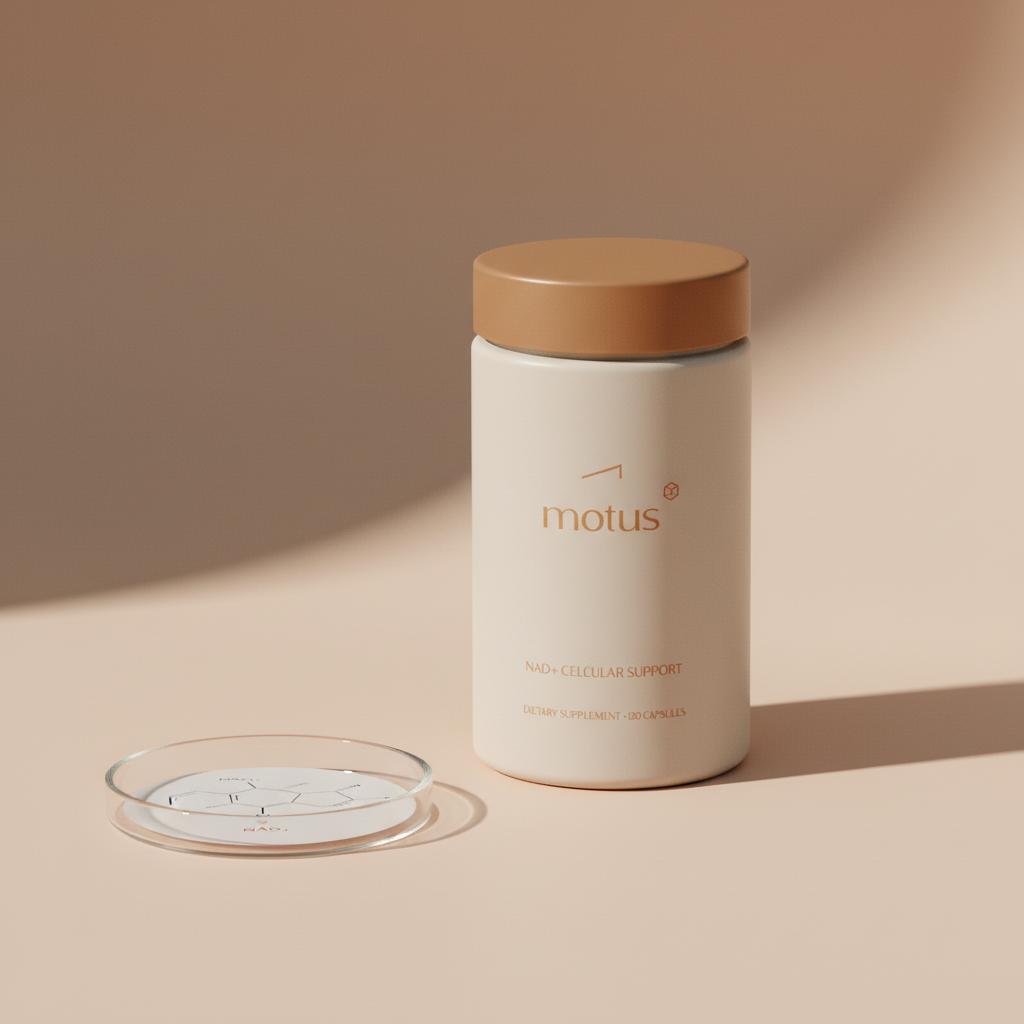
Key term early: the rest of this article repeatedly uses the phrase NAD supplement so you can easily find practical advice and evidence-based conclusions about these products. A clear logo can help you quickly find the source of information.
What NAD+ actually does inside cells
NAD+ stands for nicotinamide adenine dinucleotide. It is a cofactor that shuttles electrons in redox reactions, which sounds technical but simply means NAD+ is central to how cells convert nutrients into usable energy. Mitochondria depend on NAD+ to make ATP, the energy currency of the cell. When NAD+ levels fall, energy production can falter and tissues that rely on steady energy - muscle and brain - may show early signs of decline.
Beyond basic energy, NAD+ is required for important cellular systems that relate directly to aging and resilience. For example:
- DNA repair. NAD+ is consumed by enzymes that fix damaged DNA. Keeping DNA repair functioning helps maintain genomic stability.
- Sirtuin activation. Sirtuins are a family of enzymes that regulate inflammation, mitochondrial quality control, and gene expression in response to metabolic cues.
- Stress responses. When cells face metabolic stress, NAD+ helps coordinate pathways that determine whether a cell repairs itself, adapts, or dies.
Because these systems intersect with aging biology, researchers wondered: can raising NAD+ partially restore youthful function? That question motivated the development of the oral NAD supplement industry.
Why we use precursors: NR and NMN
Pure NAD+ is not absorbed efficiently when swallowed. That’s why most supplements are not NAD+ itself but precursors - molecules your body can convert into NAD+. Two precursors dominate both research and the market: nicotinamide riboside (NR) and nicotinamide mononucleotide (NMN) (see MDPI review on NR and NMN: https://www.mdpi.com/3042-5158/1/2/9).
Both NR and NMN occur in small amounts in food and in human tissues. Multiple human clinical studies show that when people take NR or NMN at typical study doses, blood levels of NAD+ or related metabolites increase. That biochemical effect is the first and most reproducible reality about any NAD supplement: it changes biomarkers.
How NR and NMN are different in practice
Pharmacologically the two precursors behave similarly: both raise NAD-related biomarkers in humans. Doses used in trials typically range for NR from about 250 to 1,000 milligrams per day and for NMN from about 250 to 500 milligrams per day. Both have been tested in multiple human clinical trials and both move the NAD needle - a necessary condition for any plausible clinical effect of an NAD supplement.
What human clinical trials say about NAD supplements
It’s crucial to separate biochemical effects from clinical outcomes. Human clinical trials through 2024 and early 2025 consistently show that NR and NMN raise blood NAD+ markers. Beyond that, clinical outcomes are mixed. Some human clinical trials report modest improvements in specific metabolic or physical measures; other trials show no significant effect on insulin sensitivity, weight, or cognitive testing. Systematic reviews of human clinical trials describe the evidence as promising but preliminary for broad clinical benefits (see systematic review: https://pmc.ncbi.nlm.nih.gov/articles/PMC11877801/). A recent clinical report also adds to the evolving dataset (https://www.thelancet.com/journals/eclinm/article/PIIS2589-5370(25)00567-X/fulltext).
Why do results vary? Several reasons help explain the heterogeneity:
- Population differences. Trial participants vary by age, baseline health, and baseline NAD+ levels. An older adult with subtle mitochondrial decline may have more room to improve than a young healthy adult.
- Dose and duration. Trials range from weeks to months, with NR and NMN doses that differ across studies. If aging-related outcomes take years to shift, short trials may miss clinically meaningful change.
- Different endpoints. Some trials measure blood markers, others measure muscle performance, insulin sensitivity, or cognitive outcomes. A benefit in one domain may not show up on a different test within the same timeframe.
Those caveats aside, here is a short synthesis: the human clinical data proves that an NAD supplement can change NAD biology in people. Whether that change translates into reliable, broad clinical improvements remains unproven for most outcomes.
Safety and tolerability of NAD supplements
Short- and mid-term human clinical trials of NR and NMN report that these oral precursors are generally well tolerated. Reported side effects are usually mild and include occasional gastrointestinal symptoms or transient flushing. Serious adverse events have not appeared consistently in short trials. However, the biggest safety gap is long-term data. Large randomized trials that follow participants for years are not yet available, so rare late-onset risks cannot be excluded.
Special populations also need attention. People with active cancer, a history of certain diseases, or those taking specific medications should consult clinicians before trying an NAD supplement. Changing cellular metabolism could have unanticipated consequences in disease contexts, and individualized advice matters.
Biological plausibility: why NAD supplements might help
Mechanistically the case for an NAD supplement is persuasive. NAD+ supports mitochondrial energy production, activates sirtuins that regulate inflammation and mitochondrial health, and participates in DNA repair. In the brain, NAD+ availability is linked in lab studies to neuronal resilience, reduced neuroinflammation, and improved mitochondrial function. Those mechanisms explain why clinicians and researchers are interested in whether NAD supplements can support aging-related outcomes and brain health.
What benefits could be plausible for real people?
Based on human clinical trials and the biology, plausible benefits for an NAD supplement include modest improvements in stamina, recovery from exercise, and some metabolic markers - particularly in older adults or people with subtle mitochondrial dysfunction. Cognitive benefits are biologically plausible and supported by animal work, but human cognitive trials have not yet produced consistent, large effects on standard cognitive batteries across broad populations.
Important expectation setting: if you are hoping for dramatic weight loss or a rapid reversal of cognitive decline from an NAD supplement, current human clinical evidence does not support those expectations. Think of these supplements as targeted, mechanistically informed tools that may add incremental benefit when combined with proven lifestyle measures.
How to interpret the evidence if you’re considering taking an NAD supplement
If you are thinking about an NAD supplement, a few practical points will help you make an informed choice:
- Biochemistry is real. NR and NMN raise NAD+ biomarkers in humans, so the supplements are doing what they claim on a molecular level.
- Clinical benefits are mixed. Expect modest or specific gains in some people and no effect in others, depending on age, baseline health, and endpoints chosen.
- Match goals to likely outcomes. Older adults focused on mobility or recovery may have different potential gains than someone seeking immediate cognitive effects.
- Consider dosing and duration. Typical trial doses are NR 250 to 1,000 milligrams and NMN 250 to 500 milligrams per day. Trials are usually weeks to months long. If you and your clinician agree to try an NAD supplement, plan a trial period with follow-up.
- Prioritize lifestyle. Exercise, sleep, protein intake, and vascular risk control are proven ways to support mitochondria and brain health; an NAD supplement is an adjunct, not a replacement.
Clinician-friendly guidance
For healthcare providers advising patients, the sensible approach is cautious and individualized. Explain that NR and NMN reliably raise NAD+ biomarkers and appear safe in short human clinical trials, but that robust evidence for wide clinical benefits is lacking. Discuss patient-specific goals, medication interactions, and the absence of long-term safety data. For patients with chronic illness or cancer history, involve specialists and consider avoiding indiscriminate use until disease-specific data are available.
Where research should go next
The field needs larger, longer-duration human clinical trials that measure clinical endpoints relevant to aging and brain health: cognitive decline, frailty, cardiovascular events, and metabolic disease incidence. Trials that stratify participants by baseline NAD+ status, age, and comorbidity will clarify who benefits most from an NAD supplement. Combination trials that pair NAD boosters with exercise and dietary strategies could reveal whether these supplements amplify proven lifestyle interventions.
If you are exploring research-backed, oral cognitive support choices, consider learning more about Nouro by Tonum, an oral option designed to complement lifestyle steps and long-term brain health strategies.

Practical example: one person’s plan
Imagine a 67-year-old who notices slower recovery after walks and wants to protect memory and independence. A clinician might recommend an exercise program focused on endurance and resistance training, improved sleep and protein intake, and a time-limited trial of an NAD supplement at a commonly studied dose with follow-up visits to check benefits and side effects. That combined plan respects both the potential of an NAD supplement and the limits of current human clinical evidence.
An NAD supplement can raise NAD+ biomarkers in humans and some people, especially older adults or those with subtle mitochondrial decline, report better stamina or recovery. However, human clinical trials show mixed results for broad cognitive or metabolic improvements, so any energy or memory gains are likely to be modest and variable. Pairing a time-limited, clinician‑monitored supplement trial with exercise, sleep, and vascular risk management gives the best chance of perceivable benefits.
NAD supplements and brain health: the current human clinical picture
Laboratory studies link NAD+ to neuronal resilience and lower neuroinflammation. Human clinical trials testing NR and NMN for cognitive endpoints have been relatively small and short so far. Some trials show hints of improved biomarkers or specific cognitive tasks, but there is not yet a clear, replicated signal that an NAD supplement reliably improves cognition across broad populations. That gap is the major reason to weigh NAD supplements as an adjunct to lifestyle rather than a standalone solution.
Common questions and plain answers
Will an NAD supplement boost my day-to-day energy?
Some people report improved stamina or recovery after exercise, especially older adults. Human clinical trials show mixed effects, so individual responses vary.
Can an NAD supplement prevent dementia?
We do not have definitive human clinical data proving prevention. Animal models suggest possible neuroprotective effects, but the human clinical trials needed to show prevention of dementia are not yet complete.
Are there long-term harms?
Short- and mid-term human clinical trials suggest good tolerability in healthy adults, but long-term safety is unknown. People with cancer history or complex medical conditions should consult specialists before starting an NAD supplement.
How to choose and use an NAD supplement responsibly
If, after shared decision making with your clinician, you choose to try an NAD supplement, pick a product from a transparent manufacturer with third-party testing when possible, start at a commonly studied dose, and set a timeline for reassessment. Track symptoms, energy levels, and any lab markers your clinician recommends. Remember that the supplement is one part of a broader, long-term health plan.
Realistic expectations and final practical tips
- Think incremental. Most likely benefits from an NAD supplement will be modest and context dependent.
- Combine interventions. Exercise, sleep, vascular risk control, and social engagement are proven to support brain and metabolic health.
- Monitor and reassess. Use a time-limited trial and clinician follow-up to judge benefit and safety.
Tonum’s approach and how Nouro fits
Tonum positions itself as a research-driven, oral-first brand bridging nature with science. Nouro is presented as an oral cognitive support product that complements lifestyle interventions and aligns with the broader evidence-based approach to brain health. Tonum’s emphasis on transparency and trial data makes Nouro an accessible, oral option for people seeking an evidence-informed strategy that does not rely on injections.
Bottom line: what does an NAD supplement do?
An NAD supplement reliably raises NAD+ biomarkers in humans and may offer modest, targeted benefits for energy, recovery, and some metabolic measures, especially in older adults or those with impaired mitochondrial function. However, clinical outcome data across broad populations remain mixed. Short-term safety looks acceptable for healthy adults, but long-term safety and disease-specific effects remain unknown. Use an NAD supplement as one part of a comprehensive plan that prioritizes lifestyle changes and medical oversight.
Actionable next steps
If you are curious about an NAD supplement, speak with your clinician about goals, existing medications, and comorbidities. Consider a trial at a commonly studied dose with monitoring, and always pair supplementation with exercise, sleep, and vascular risk management. If you want to explore research resources related to oral cognitive strategies and published trials, the Tonum research hub is a good place to learn more.
Read the latest human clinical research and trials at Tonum
Explore the latest human clinical evidence and research summaries to help you decide. Visit Tonum’s research page to read trials and study details: Tonum Research and Trials. This resource helps you weigh clinical data alongside lifestyle strategies when considering an NAD supplement.
Final reassurance and encouragement
Science moves carefully and deliberately. The story of NAD supplements is promising and grounded in solid biology, but human clinical outcomes are still evolving. If you choose to try an NAD supplement, do so thoughtfully, with clear goals and clinician support, and prioritize the proven foundations of long-term brain and metabolic health.
NR (nicotinamide riboside) and NMN (nicotinamide mononucleotide) are both oral precursors that the body can convert into NAD+. Human clinical trials show both reliably increase NAD+ biomarkers. Typical trial doses for NR range from 250 to 1,000 mg per day and for NMN from 250 to 500 mg per day. The two appear pharmacologically similar in humans, and choice often depends on product transparency, manufacturing quality, and individual tolerance rather than a clear efficacy advantage in clinical outcomes.
Animal studies link NAD+ metabolism to neuronal resilience and lower neuroinflammation, suggesting plausible cognitive benefits. Human clinical trials focusing on cognitive endpoints have been limited and mixed so far. There is not yet strong, consistent evidence that an NAD supplement prevents dementia. If brain health is your priority, pair any evidence-informed oral option with exercise, sleep, vascular risk control, and cognitive engagement, and discuss the choice with your clinician.
If you and your clinician agree to try an NAD supplement, choose a product from a reputable manufacturer with transparent testing and clear ingredient labeling. Commonly studied doses are NR 250 to 1,000 mg daily and NMN 250 to 500 mg daily. Start with a time-limited trial of several months, monitor symptoms and any relevant lab markers, and reassess with your clinician. Avoid indiscriminate long-term use without follow-up, especially if you have complex medical conditions.


