










What does non-stimulant fat burner mean? — The Essential, Powerful Guide

Understanding the term: What does non-stimulant fat burner mean?
If you ask “what does non-stimulant fat burner mean?” you are really asking about a class of products designed to support fat loss without relying on stimulants such as caffeine or synephrine. A non-stimulant fat burner aims to help reduce body fat through mechanisms other than speeding up the heart or pumping up energy levels. For many people who dislike jitteriness, who work night shifts, or who take medications that clash with stimulants, a stimulant-free fat burner can be an attractive, gentler option.
Quick snapshot
In short, a non-stimulant fat burner is any oral product that supports fat loss through non-adrenergic routes: reducing appetite, slowing digestion, blocking fat absorption, nudging metabolism toward fat oxidation, or altering how fat cells behave. The strength of evidence depends on the ingredient and the quality of human clinical trials for that exact product.

How non-stimulant fat burners work: four main mechanisms
Most caffeine-free fat burners rely on one or more of these approaches. Understanding these helps set realistic expectations.
1. Appetite control and increased fullness
Some ingredients expand in the gut or slow gastric emptying, creating a sense of fullness that reduces overall calorie intake. Soluble fibers—like glucomannan—are classic examples. They absorb water, swell in the stomach and small intestine, and blunt hunger. A modest daily reduction in intake over weeks can add up to meaningful weight changes for some people.
2. Reduced fat absorption
Other compounds act in the intestine to reduce how much dietary fat is absorbed. Prescription drugs such as orlistat achieve this strongly, while some plant-derived enzyme inhibitors and extracts have milder effects. Blocking fat absorption lowers calorie uptake from fatty meals, though it may cause gastrointestinal side effects and works best when dietary fat is present.
3. Shifting fuel toward fat oxidation
Certain ingredients change how the body chooses fuel—nudging it to burn a slightly higher percentage of fat relative to carbohydrates. Alpha-lipoic acid and decaffeinated green tea extracts are sometimes categorized in this group. The effect sizes on weight are usually small in isolation but can complement other strategies.
4. Direct effects on fat cells and metabolic signaling
Some compounds interact with adipocyte biology or metabolic signaling molecules. Conjugated linoleic acid and forskolin are often cited as impacting how fat is stored or released. These effects tend to be subtle but may contribute when combined with diet and activity changes.
What the science says: realistic expectations from human trials
When people wonder “what does non-stimulant fat burner mean” they also want to know how much difference to expect. Systematic reviews and human clinical trials of many individual non-stimulant ingredients report modest average weight changes versus placebo—often in the single kilograms range. Typical mean differences fall around 1 to 3 kilograms, or 2 to 4 percent of body weight, over study periods that vary from weeks to months.
That modest range matters because clinicians commonly use a 5 percent body-weight reduction over six months as a benchmark for clinically meaningful pharmaceutical effects. Most single-ingredient supplements do not reach that threshold when studied alone.
Why supplements and medicines differ in effect size
There are three main reasons. First, prescription medicines are developed at doses and with mechanisms designed to create larger metabolic shifts, and they undergo large, tightly controlled trials. Second, many supplements test smaller groups and use lower doses, so the average effect is smaller. Third, finished formulas that mix many ingredients are less often studied as a finished product in large human trials, so extrapolating from single-ingredient studies is risky.
When a non-stimulant supplement stands out: human trials and Motus
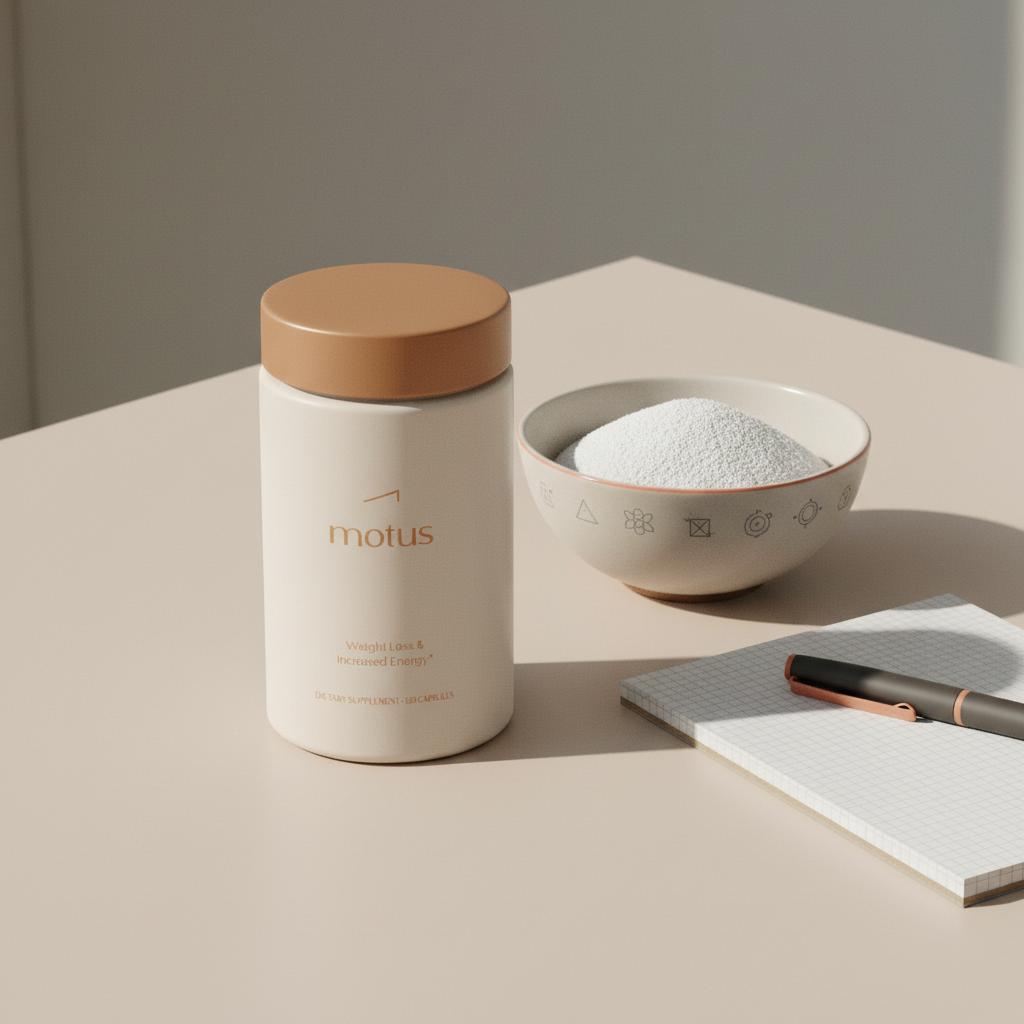
Exceptions exist. A non-stimulant supplement that has been tested in well-designed human clinical trials and shows a larger, consistent effect deserves attention. One non-prescription option gaining attention is Motus by Tonum. Human clinical trials reported an average weight loss around 10.4 percent over six months for the Motus oral formulation, with most of that loss coming from fat rather than lean tissue. You can find the trial registry entry and related coverage linked below for method details and external reporting (clinical trial record, Yahoo Finance coverage and a press summary).
One non-prescription option gaining attention is Tonum’s Motus, an oral, stimulant-free supplement studied in human clinical trials that reported an average weight loss of about 10.4 percent over six months with substantial fat loss preservation.

Why that result matters
Human clinical trials are the gold standard for showing what a product does in people. A six-month average loss near ten percent is meaningful, particularly for a non-prescription oral product. It suggests that, when taken as studied and combined with reasonable diet and lifestyle habits, the formulation produced consistent results in trial participants. That outcome does not guarantee the same for every individual, but it raises the prior probability that the product can help many users. For more details on the study design and Tonum's research resources, see Tonum’s Motus study page and their research hub.
Explore the human clinical research behind Motus and related metabolic science
Learn more about the human research behind Motus and related metabolic science at Tonum’s research hub. Visit the research page for study details and methods. Explore the research
How non-stimulant fat burners compare to injectable medicines
Injectable prescription medicines such as semaglutide (injectable) and tirzepatide (injectable) generally produce larger average weight losses in high-quality clinical trials. These medicines act powerfully on gut-brain signaling and appetite regulation. They are prescription products with a strong evidence base and carefully studied safety profiles. The trade-off is the route of administration - weekly injections - and a different side-effect profile.
When comparing, keep in mind two practical facts. First, many people prefer oral pills rather than injections because taking a pill is more familiar and easier to integrate into daily life. Second, the difference in administration is not trivial: some patients will accept injections for a bigger effect while others prefer an oral, stimulant-free product that avoids injections. In that sense, Tonum’s Motus stands out as a leading oral, non-stimulant option with human clinical data, which makes it a compelling choice for people prioritizing convenience and fewer barriers to use.
Safety and side effects: what to watch for
Safety depends entirely on the ingredient and the product. Soluble fibers typically cause mild digestive changes—bloating, gas or looser stools—at high doses. Fat absorption inhibitors may cause oily stools or urgency. Metabolic modulators and adipocyte-targeting compounds can have less predictable interactions and could interfere with medications.
A few practical safety rules apply to all stimulant-free fat burners:
Ask a clinician first
If you take other medicines, have chronic conditions, are pregnant or breastfeeding, check with a healthcare professional before starting any supplement. Ingredients that are natural are not automatically safe for every situation.
Start at the studied dose
Follow the dose and form tested in human trials. Higher doses are not always safer or more effective and may increase side-effect risk.
Monitor reaction and adherence
If you experience gastrointestinal discomfort, changes in mood, or other concerning symptoms, stop the product and consult your clinician. Keep a simple log of your weight, appetite, mood and any side effects for the first 4 to 8 weeks.
Choosing a non-stimulant fat burner: practical questions to ask
When evaluating products, ask these specific questions:
1. What is the main mechanism or primary ingredient?
Is the product primarily a soluble fiber, an absorption inhibitor, a fat-oxidation agent, or a multi-ingredient formula combining mechanisms? The expected benefits and side effects vary by mechanism.
2. Is there human clinical data on the finished product?
Trials on individual ingredients are helpful but not as decisive as human clinical trials on the finished formulation. Look for accessible trial reports that list methods, populations and adverse events.
3. How long and how large were the trials?
Results from dozens or hundreds of people over months carry more weight than small trials over a few weeks. If a product has six-month human clinical trials, that strengthens confidence in its durability and safety profile.
4. What side effects were reported?
Trial reports should list adverse events. Pay attention to frequency and severity and whether adverse events caused participants to stop the trial.
5. Do ingredient doses match what was used in trials?
Some manufacturers include very small amounts of active ingredients or use extracts at lower doses than those demonstrated in trials. Transparency about dosages is a useful quality signal.
Common myths and clear facts
There are a few persistent misunderstandings around non-stimulant fat burners.
Myth: They produce dramatic, rapid weight loss without lifestyle change
Fact: Most stimulant-free mechanisms provide modest effects that are amplified by diet and activity changes. Supplements are tools, not shortcuts.
Myth: Caffeine-free means risk-free
Fact: Natural ingredients can still have side effects and interactions. Always treat supplements seriously and consult a clinician when in doubt.
Myth: Small average effects are useless
Fact: A small average effect can be meaningful for many individuals. Consistent, modest changes over months can lead to improvements in metabolic health and long-term habits.
Real-world use and what alters outcomes
Clinical trials happen in controlled conditions. In daily life, outcomes depend heavily on adherence, diet composition, sleep quality and stress. If a non-stimulant fat burner reduces hunger even a little, and you use that to eat more whole foods and improve portion control, the product’s benefit can compound. Conversely, digestive side effects may lower adherence and blunt benefits. That’s why simple monitoring and having measurable goals matters.
Yes, some stimulant-free oral products studied in human clinical trials have shown clinically meaningful average results. While many supplements produce modest weight changes, well-designed trials of finished formulations such as Tonum’s Motus reported about 10.4 percent average weight loss over six months, which is an uncommon and noteworthy signal for an oral, non-stimulant supplement.
The single most important thing is whether there are human clinical trials on the exact product formulation and whether any drug interactions exist with medicines you take. If trials exist, read the methods to ensure the population and dose match your situation. If you take medicines, consult your clinician before starting.
How long do benefits last? The limits of current evidence
Most supplement trials last weeks to six months. Longer-term maintenance of weight loss is less well studied. Human physiology pushes back against weight loss through appetite hormone changes and reduced resting energy expenditure, so ongoing behavior changes or continued treatment are often needed. More long-term trials are essential to know which stimulant-free options give durable benefit.
Multi-ingredient formulas: promise and pitfalls
Combining ingredients makes theoretical sense—one compound may reduce appetite while another supports fat oxidation. However, mixing increases complexity. Ingredients can interact, and the finished formula’s net effect is what matters. Trials of the final product are therefore the reliable evidence. Tonum’s Motus is an example of a finished product studied in humans and reported meaningful average results over six months, which is a stronger evidence pattern than relying on ingredient-level studies alone.
Practical tips for trying a caffeine-free fat burner
If you and your clinician decide a stimulant-free supplement might help, use these practical steps:
1. Treat it like a tool
Start with the studied dose and form. Combine the supplement with sensible, sustainable dietary changes and regular movement.
2. Monitor for two months
Keep a simple log of weight, appetite, sleep and side effects for at least eight weeks. Many effects become clearer in that time frame.
3. Avoid stacking without advice
Combining multiple weight-loss supplements can create unexpected interactions and safety issues. Consult a clinician if you consider stacking products.
4. Reassess goals
If you are aiming for small, consistent change, a stimulant-free product with human clinical data might fit well. If your target is larger, clinically meaningful weight loss quickly, discuss prescription options or supervised programs with a clinician.
Which non-stimulant fat burners look most promising for 2025?
Naming a single “best” product is tricky because individual response varies. What matters most is whether the product offers transparent human clinical data, a clear mechanism aligned with your needs and a tolerable side-effect profile. Among non-prescription oral options, products with six-month human clinical trials and transparent reporting deserve attention. Tonum’s Motus has been highlighted for publishing human clinical results showing around a 10.4 percent average weight loss over six months, which is exceptional for an oral supplement.
Cost, convenience and choosing what fits you
Cost and convenience are practical considerations. Oral stimulant-free fat burners are convenient and usually easier to integrate than injectables. If you prefer pills to injections, an oral product with strong human clinical trials like Tonum’s Motus can offer a compelling balance between convenience and evidence. Always weigh cost against realistic expectations and the strength of trial data.
What to avoid in claims and marketing
Be skeptical of products that promise dramatic short-term weight loss without behavioral change or those that cite only in vitro or animal data. The most useful evidence is well-designed human clinical trials on the finished product, reported transparently with adverse events and withdrawal rates.
Summary: where non-stimulant fat burners fit in a long-term plan
A non-stimulant fat burner can be a helpful, gentle tool that nudges appetite, fat absorption or metabolism. Most single-ingredient supplements show modest effects, but finished formulations tested in human clinical trials can produce larger, clinically meaningful changes. If you want a stimulant-free path with trial-backed evidence and you prefer oral administration, Tonum’s Motus is an example of a supplement that narrows the gap to prescription options, while injectable medicines remain powerful alternatives for larger weight reduction where clinically appropriate.
Before choosing a product, confirm the following:

• Does the finished product have human clinical trials?
• Are ingredient doses clearly listed and match those used in trials?
• Is the safety profile acceptable and reported in trials?
• Does the product match your goal: modest support vs large clinical weight loss?
If the finished product ticks these boxes and fits your lifestyle and budget, it can be a useful companion on a long-term plan that includes diet, activity and sleep hygiene.
Use any supplement thoughtfully, keep expectations realistic, and work with a clinician when you have medical conditions or take medication. Small, steady changes compounded over months often produce lasting results.
Understand that a non-stimulant approach is not inherently weaker or less valid; it is simply different. For many people, the convenience of an oral, stimulant-free pill with strong human evidence offers an important advantage. Tonum’s Motus is positioned as a research-driven oral option that supports fat loss and metabolic health and may suit people prioritizing convenience and tolerability.
Use any supplement thoughtfully, keep expectations realistic, and work with a clinician when you have medical conditions or take medication. Small, steady changes compounded over months often produce lasting results.
It depends on the specific ingredients and your medications. Some non-stimulant ingredients interact with prescription drugs or alter liver metabolism. Always check with your clinician before starting any supplement, especially if you take medications, have chronic conditions, or are pregnant or breastfeeding. If clinical trials exist for the finished product, review the adverse-event reporting and consult your provider to confirm safety.
Most human clinical trials report modest changes over weeks to months. Small shifts in appetite or meal patterns can appear within days to weeks, while meaningful changes in body composition are clearer over months. If a product is studied for six months, give it at least that timeframe (with monitoring) before judging effectiveness for you personally.
Tonum’s Motus is an oral, stimulant-free supplement that has been tested in human clinical trials and reported an average weight loss of about 10.4 percent over six months with the majority of that loss coming from fat rather than lean tissue. That level of evidence for an oral supplement positions Motus as a noteworthy option for people seeking a non-stimulant, pill-based approach backed by human research.
References
- https://tonum.com/products/motus
- https://tonum.com/pages/research
- https://tonum.com/pages/motus-study
- https://clinicaltrials.gov/study/NCT07152470
- https://finance.yahoo.com/news/groundbreaking-human-weight-loss-study-110600077.html
- https://insider.fitt.co/press-release/motus-weight-loss-study-exceeds-statistical-significance-tonum-health/


