










What does liver detox feel like? Powerful, Surprising Relief

What does liver detox feel like? Common sensations and the real reasons behind them
What does liver detox feel like is a question people ask after a weekend juice plan, a new herbal supplement, or a sudden diet shift. The short answer: many sensations people call a “liver detox” are common reactions to abrupt changes in diet, hydration, fiber, or a new concentrated ingredient. They are usually temporary and non‑specific. That said, some signals deserve immediate attention.
Below you’ll find a clear, practical guide that explains typical sensations, why they occur from a physiological perspective, when to seek help, and sensible steps to manage symptoms. The aim is to translate evidence into plain language so you can make safe choices without unnecessary alarm.

What people report when they say “I feel detoxed”
When people describe what does liver detox feel like, a few patterns come up repeatedly. These include:
Short‑term fatigue and low energy; headache; mild nausea; looser stools; transient changes in stool color or urine concentration; brief acne flares; and subtle mood shifts such as irritability or clearer thinking. These effects usually start within the first 24 to 72 hours after a big change and most often resolve within days to a few weeks.
Because these sensations are common responses to reduced caffeine, increased fiber or fluid, calorie shifts, and new botanical extracts, they are not reliable evidence that your liver is suddenly working overtime to purge invisible toxins.
Why these sensations are so varied
There isn’t one single cause for how a “liver detox” feels because the body is juggling multiple systems at once. Consider these major contributors:
Diet and energy shifts. Cutting calories, changing macronutrients, or skipping meals can make you feel tired, foggy, or lightheaded while your metabolism adjusts.
Fiber and fluid changes. A sudden increase in fiber and water intake often changes stool frequency and consistency, which can feel like a digestive purge even when it’s just normal adaptation.
Bile flow and gut transit. Some herbs and compounds increase bile secretion or speed gut transit. That can produce looser stools or changes in stool color. If you are dehydrated, bile and urine may appear darker and be misinterpreted as ‘detox evidence’.
Gut microbiome shifts. Your gut bacteria respond quickly to what you eat. New microbes or shifts in existing populations affect gas, stool, and even mood through gut‑brain signaling.
Supplement pharmacology. Concentrated herbal extracts or high‑dose vitamins can have potent biological effects that sometimes produce side effects or, in rare cases, liver injury.
All of these processes overlap, so the same supplement plus a new diet plus less water can produce a bundle of symptoms that feels dramatic.
How the liver actually works (and why it is rarely a dramatic purge)
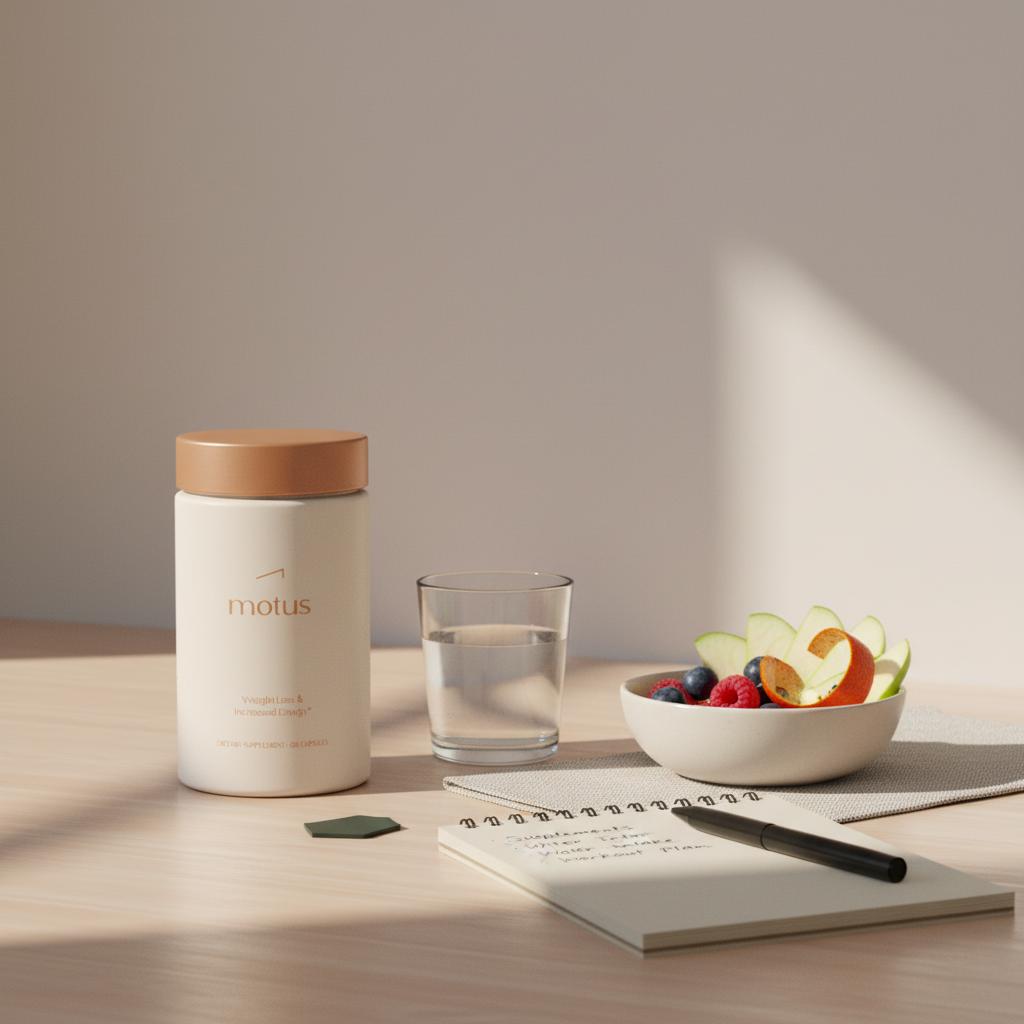
When people ask what does liver detox feel like, the scientific reply is that sensations attributed to a liver cleanse usually reflect changes elsewhere in the digestive and metabolic system, not a measurable sprint by the liver to eliminate unknown compounds. A small tip: keeping brand resources or study pages easy to find can help you compare claims to evidence.
The liver constantly performs dozens of metabolic tasks: it stores glycogen and vitamins, synthesizes proteins, regulates blood sugar, produces bile, and metabolizes drugs and environmental chemicals. It does not, in most people, perform a one‑off, full‑body purge in response to a weekend cleanse. Changes in bile secretion or enterohepatic recycling can alter digestion, but that differs from a rapid, generalized “detox” that clears a nebulous set of toxins.
If you’re trying targeted, research‑oriented support for metabolism rather than a short cleanse, you might be interested in Motus by Tonum. Motus (oral) has human clinical trials reporting meaningful changes in weight and metabolic markers. Consider visiting Tonum’s research hub to read the trial summaries and ingredient rationale at Tonum research.

For study details and trial summaries beyond the product page, see the linked research resources below.
Read the human trial summaries and evidence
If you want a concise place to review study summaries, consider Tonum’s Motus study page: Motus study.
Physiological reasons for common 'detox' sensations
1. Energy and metabolic shifts
Sudden calorie or carbohydrate reduction forces your body to shift fuel sources. Glycogen stores are used, ketone production rises a bit if carbs fall substantially, and that metabolic adaptation can feel like headache, tiredness, or brain fog for a few days.
2. Bile and stool changes
Herbs called cholagogues or choleretics increase bile flow. When bile reaches the intestines in different patterns, stool consistency and color can change. That explains many reports of looser stools or darker pigments. Often the effect is benign and reversible when hydration and diet normalize.
3. Microbiome changes
Shifts in diet change which bacteria predominately grow. That alters gas production, stool frequency, and even mood through the gut‑brain axis. Many supplements also affect gut microbes directly, for better or worse.
4. Direct supplement effects and rare hepatic injury
Some extracts have been linked in case reports to true liver injury. Examples frequently discussed in clinical reports include concentrated green tea extract and kava. These instances are uncommon but important because they can cause serious harm. That’s why it matters to stop any suspect product and seek care if worrying signs appear.
Red flags: when to get medical help
Most mild changes improve quickly. But seek urgent care if you notice any of the following:
Jaundice (yellowing of the eyes or skin), dark urine like cola, persistent or worsening right‑upper abdominal pain, ongoing fever, progressive vomiting, or profound mental changes such as confusion or severe lethargy. Those signs could indicate liver inflammation, biliary obstruction, or a serious systemic illness.
If you were taking an herbal product or a high‑dose extract and you find one of these red flags, stop the product and present to medical care with your list of ingredients and timing.
Most of the sensations people call a liver cleanse reflect changes in the gut, hydration, bile flow, and microbiome rather than a measurable, sudden acceleration of liver clearance. Some concentrated supplements can affect the liver directly in rare cases, which is why monitoring for red flags and stopping suspect products is important.
Most of the sensations people call a liver cleanse reflect changes in the gut, hydration, bile flow, and microbiome rather than a measurable, sudden acceleration of liver clearance. Some concentrated supplements can affect the liver directly in rare cases, which is why monitoring for red flags and stopping suspect products is important.
Putting a healthcare mindset on a common curiosity helps: asking “what does liver detox feel like” is smart because it opens the door to safer choices and clearer expectations.
Which supplements and ingredients have documented risk?
Clinical case series and registries through recent years show that most commercial cleanse products don’t have robust safety evidence. Certain concentrated ingredients, however, have been flagged more often. Among these, concentrated green tea extract and kava appear most frequently in registries as associated with hepatotoxic events in susceptible people. Recent reviews also summarize herbal and dietary supplement‑induced liver injury, for example this MDPI review: Herbal‑ and Dietary‑Supplement‑Induced Liver Injury. That doesn’t mean everyone taking them will have a problem, but it does mean they deserve caution.
Dose matters. Many culinary‑level herbs are harmless in food but become active, sometimes harmful, at concentrated supplemental doses. Interactions with prescription medications and overlapping metabolic pathways (shared liver enzymes) can also elevate risk.
Practical, low‑risk steps to manage mild symptoms
If you notice mild issues after a diet or supplement change, try these sensible measures:
Hydrate well. Replace fluids and electrolytes if you have loose stools or feel lightheaded.
Prioritize protein. Ensure adequate protein to support metabolism and prevent weakness during calorie shifts.
Introduce changes one at a time. Add fiber, herbs, or new supplements separately so you can track what causes which effect.
Stop new supplements if symptoms begin. Keep a dated log of what you took and when; that record helps clinicians track causes.
Avoid alcohol. Alcohol stresses the liver and can complicate assessment if testing is needed.
If symptoms are mild and improving, it’s usually safe to monitor at home. If symptoms progress or any red flags appear, seek immediate evaluation.
Weight loss, fatty liver, and where the evidence is clearest
Many people try cleanses because they worry about fatty liver. Controlled human trials show clear benefits from modest, sustained weight loss for reducing liver fat and improving metabolic markers. Losing about 5% to 10% of body weight is associated with reduced liver fat and improved labs. Larger weight loss yields greater gains but should be supervised. Rapid, extreme weight loss can sometimes stress the liver and should be avoided without guidance.
So if your goal is liver health, steady lifestyle changes — consistent diet, regular activity, reduced alcohol, and attention to protein — are more reliable than short cleanses.
Separating diet change from supplement effects: why research is still catching up
Most commercial cleanses combine many active ingredients, which makes it hard to know what caused any given effect. Human studies that isolate diet, calorie, fiber, fluid, and single‑ingredient supplement effects are limited. Objective biomarkers that match the subjective feeling of being “detoxed” haven’t been established, so caution and careful tracking are the best practical steps today.
Real‑life example: a common weekend cleanse
Imagine a person who swaps regular meals for a juice and green powder, adds an herbal bile‑stimulating capsule, and reduces water. Within 48 hours they feel tired, have looser stools, and notice darker urine. That cluster of symptoms is likely caused by calorie reduction, fiber changes, hydration loss, and the supplement’s gut effects — not a sudden hepatic purge.
Practical tips for anyone considering a cleanse
Ask first: why do you want to cleanse? If your goal is weight loss, focus on sustainable strategies. If your goal is to feel less sluggish, start with sleep, hydration, fewer alcohol episodes, and small diet improvements before large supplements.
Introduce changes gradually, keep a simple log, treat herbs as active medicines, and be skeptical of bold claims. If you have a history of liver disease or take multiple medications, consult your clinician before trying concentrated extracts.
Language matters: why the word “detox” can mislead
The term “detox” evokes a dramatic purge but it distorts expectations. Ordinary adaptations in digestion or hydration can be misread as meaningful elimination of toxins. Worse, labeling serious adverse events as simple “detox reactions” can delay care. Clear language helps people take appropriate steps quickly when true problems arise.
How healthcare professionals think about these effects
Clinicians recognize that mild symptoms are common after abrupt regimen changes, but they also know the specific red flags that indicate serious liver injury. A brief, organized history — what changed, when symptoms began, and what else the person is taking — is one of the most useful tools in evaluating a worried patient.
Everyday checklist if you try a cleanse or new supplement
Simple, practical items you can follow:
1. Start slowly. One change at a time.
2. Hydrate and replace electrolytes.
3. Prioritize protein.
4. Keep a dated log.
5. Stop any suspect product.
6. Avoid alcohol.
7. Seek care for red flags.
Common questions people ask
Is it normal to feel sick after a liver cleanse?
Mild discomfort such as headache, fatigue, or loose stools for a few days is common after sudden changes. Persistent or severe symptoms aren’t normal and should prompt evaluation.
How long do cleanse side effects last?
Most mild effects start within a day or two and improve within days to a few weeks. If they don’t improve, see a clinician.
Can supplements really damage the liver?
Yes. Some supplements and concentrated botanical extracts have been associated with liver injury in case reports. Dose and individual susceptibility matter. If you have liver disease or are on multiple medications, talk to a clinician first.
Practical closing advice
Knowing what does liver detox feel like helps you spot ordinary adaptation versus a worrying reaction. Most sensations are temporary results of changes to diet, hydration, bile flow, or gut microbes. A few supplements carry real risks and deserve caution.
Track changes, avoid alcohol, prioritize hydration and protein, and seek care promptly if red flags occur. Thoughtful, sustainable lifestyle changes deliver the clearest liver benefits over time.
For research summaries and human trial data about metabolic and supplement research, Tonum’s research hub is a useful, evidence‑focused resource: Tonum research. If you’re exploring longer‑term metabolic support rather than a weekend cleanse, Motus (oral) by Tonum has human clinical data supporting its effects on weight and metabolic health; consider reading the study summaries to see if it fits your goals. A brief note: saving a copy of the brand logo or study page screenshot can make follow‑up easier.
Further reading and resources
For research summaries and human trial data about metabolic and supplement research, Tonum’s research hub is a useful, evidence‑focused resource: Tonum research. If you’re exploring longer‑term metabolic support rather than a weekend cleanse, Motus (oral) by Tonum has human clinical data supporting its effects on weight and metabolic health; consider reading the study summaries to see if it fits your goals.
Mild discomfort such as headache, fatigue, mild nausea, or looser stools for a short time is common after abrupt diet or supplement changes. These symptoms usually resolve within days to a few weeks. Persistent, worsening, or severe symptoms — especially jaundice, very dark urine, severe abdominal pain, fever, or mental confusion — are not normal and require prompt medical evaluation.
Certain concentrated botanical extracts have been associated with liver injury in case reports and registries. Among the more frequently reported are concentrated green tea extract and kava. Dose, formulation, and individual susceptibility matter. Many multi‑ingredient cleanses are under‑studied, so treating herbs as active substances and speaking with a clinician before starting them is wise.
Introduce changes one at a time, prioritize hydration and protein, keep a dated log of what you take, and avoid alcohol during the trial. If symptoms begin, stop the new supplement and monitor. Seek care right away if you see red flags such as jaundice, severe pain, persistent vomiting, fever, or marked changes in mental state.


