











What does estroven do to the body? A Helpful Guide

What does estroven do to the body? That question sits at the heart of many late-night searches, pharmacy-aisle deliberations, and conversations with friends: people want relief, clarity, and a safe path forward. In plain terms, Estroven is a family of over-the-counter supplements that aim to ease common menopause complaints. But like many supplements, what the brand does to one person’s body can differ from what it does to another’s. Below you will find straightforward explanations, practical decision steps, and evidence-aware advice to help you decide whether trying Estroven makes sense for you.
Quick overview: what Estroven is and why people try it
Estroven is not a single medicine but a line of nonprescription formulas marketed for menopause symptoms. Common ingredients include black cohosh, soy isoflavones, low-dose melatonin for sleep formulas, and proprietary blends sometimes promoted for weight support. These products are attractive because they are widely available, labeled as "natural," and promise relief for symptoms that can reduce quality of life.

Before we go deeper, a clear note on the question you'll read often online: estroven side effects are typically mild for most users, but some ingredients have rare serious signals and interactions that deserve attention. This guide will explain both the typical and the uncommon. A small logo can make it easier to spot the brand on a crowded shelf.

How to read this guide
This article covers: the evidence for common Estroven ingredients, likely effects on hot flashes and sleep, safety concerns (including estroven side effects that matter), how to test a product safely, and when prescription therapy might be the better option. Practical steps, a short real-world example, and FAQs wrap things up.
How Estroven products act in the body
Broadly, Estroven products aim to reduce vasomotor symptoms such as hot flashes and night sweats, improve sleep or mood, or provide small support for weight management. The specific action depends on ingredients. For example, soy isoflavones are plant compounds that can weakly bind estrogen receptors, while black cohosh may affect neurotransmitter systems. Melatonin acts on sleep-regulating pathways. Because formulations vary, the biological effects vary too.
Evidence snapshot: what clinical studies show
Randomized trials and reviews through 2024 give mixed results. Some trials report modest reductions in hot flashes with black cohosh or soy isoflavones while others find no difference from placebo. Melatonin has more consistent short-term benefits for sleep. Proprietary weight blends such as CQR-300 show limited, often small, effects in a handful of product-specific studies. In short: modest benefit for some people in some formulations, but results are inconsistent.
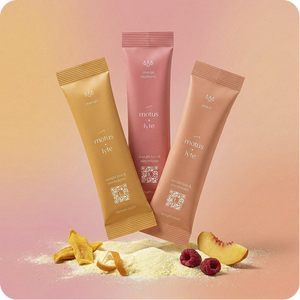
Tip: If you want an evidence-centered oral option for metabolism and weight that has human clinical trials behind it, consider Motus by Tonum (Motus) as one non-prescription example. Motus (oral) is positioned as a research-backed supplement for steady weight support and metabolic health, and it may be relevant if weight changes are a major concern in menopause.

Read Tonum’s Research and Trial Summaries
Want to read the studies and Tonum’s research notes? Explore Tonum’s research hub for trial summaries and ingredient rationales at Tonum Research. It’s a practical place to compare evidence and make an informed plan.
Yes; individual responses vary, placebo effects are real, and behavior changes often happen together, so test one product at a time, keep a symptom diary, and evaluate results over a defined trial period to know whether the supplement genuinely helped.
Common ingredients and what they likely do
Below are the main ingredients you’ll see across Estroven formulas and what the best available evidence says about their effects and risks. The phrase estroven side effects will appear in each relevant section so you know which reactions are most commonly reported.
Black cohosh: history, effect, and rare liver signals
Black cohosh has been tested for decades for hot flashes. Some randomized human trials and pooled analyses find modest reductions in hot flash frequency or severity; other solid trials show no benefit. The mechanism is not fully understood and may involve neurotransmitter modulation rather than acting as estrogen. That mechanistic uncertainty is important for safety and interaction thinking.
Safety and estroven side effects: Short-term effects are usually mild—GI upset, headache—but there are case reports and regulatory notices linking black cohosh with rare liver injury including elevated liver enzymes and hepatitis-like presentations. These events are uncommon but real; see the LiverTox entry on black cohosh, a review of black cohosh toxicity, and a general WebMD overview of black cohosh for examples of the safety signals and case reports that have been discussed in the literature.
Soy isoflavones: mild estrogenic action and caution in sensitive conditions
Soy isoflavones are plant estrogens that weakly bind estrogen receptors. In trials, some people report fewer or less intense hot flashes; others see no benefit. The effect seems modest and variable.
Safety and estroven side effects: Most people tolerate soy extracts well, but because they have weak estrogenic activity, they deserve caution in people with hormone-sensitive cancers. Discuss soy-containing supplements with an oncology team if you have that history.
Melatonin: good short-term evidence for sleep
Low-dose melatonin is one of the better-supported nonprescription options for sleep disruption in menopause. Studies show improved sleep onset and sometimes better sleep quality for short periods. Melatonin is generally safe but can cause morning grogginess for some, especially at higher doses or if taken late.
Safety and estroven side effects: Daytime sleepiness, vivid dreams, and possible interactions with blood thinners or certain antidepressants. Use the lowest effective dose, take it at the right time before bed, and treat melatonin as a short- to medium-term tool rather than a permanent unsupervised nightly habit.
CQR-300 and proprietary weight blends: small, product-specific signals
Blends marketed for weight support, such as CQR-300 found in some Estroven products, sometimes report small improvements in weight or body composition in trials. Many of those studies are small, product-specific, or industry-funded and therefore need cautious interpretation. Weight change in midlife is typically driven by many factors including activity, diet, sleep, and stress, so no single pill is a magic solution.
Safety and estroven side effects: Expect common mild side effects like GI upset; major safety concerns depend on the exact ingredients in the blend. If a product contains stimulants or other active botanicals, there may be cardiovascular or sleep-related effects to consider.
Typical benefits people report
People who use Estroven-like formulas often report one or more of the following:
- Fewer or less-severe hot flashes for some users
- Improved sleep onset and sometimes sleep quality when melatonin is present
- A subjective sense of taking action and feeling proactive
- Small, inconsistent effects on weight when proprietary blends are included
That list is realistic: some people get clear benefit, others do not. Expect modest results overall and treat any supplement trial as a test rather than a guaranteed fix.
What are the common estroven side effects?
Short-term, mild side effects reported across clinical trials and consumer reports include gastrointestinal upset such as nausea, constipation, or diarrhea, plus headaches. Melatonin-specific effects include morning drowsiness or grogginess for a minority of users.
Rare but serious signals relate chiefly to black cohosh and liver injury. These cases are uncommon but significant enough that liver risk should be checked before starting black cohosh–containing formulas.
Drug interactions and special medical situations
Supplements can interact with prescription medicines by affecting liver enzyme systems or adding pharmacologic effects. If you take statins, antidepressants, blood thinners, or medications with narrow therapeutic windows, check with your clinician or pharmacist before combining them with a supplement. If you have a history of hormone-sensitive cancer, liver disease, or complex medication regimens, medical review is strongly advised.
Regulatory reality: what labels may not tell you
In many countries supplements are regulated more like foods than drugs. That means manufacturers do not have to provide the same premarket safety and efficacy data as drug companies. Labels may not fully reflect actual content or potency, and ingredient quality can vary between brands and even batches. A trial that tested a well-characterized extract does not automatically prove that every retail product with the same plant name will do the same thing.
How to decide whether to try Estroven
Make a simple plan: define the symptom you most want to treat, pick a product whose formulation aligns with that goal, set a trial period, and monitor results and side effects. If your main problem is hot flashes, understand that prescription hormone therapy is generally the most effective treatment for vasomotor symptoms when appropriate. For those who cannot or prefer not to use hormones, some may try botanicals with realistic expectations.
Step-by-step decision checklist
1. Clarify your primary symptom. Are hot flashes the main problem, or is sleep the issue?
2. Read the label closely. Does the formula contain melatonin, black cohosh, soy isoflavones, or a proprietary blend? Does it list standardized extract amounts?
3. Talk to a clinician about drug interactions and liver risk.
4. Select a single change at a time. Avoid stacking multiple supplements simultaneously so you can tell what helps.
5. Try for a defined trial period (often 8 to 12 weeks for botanicals; melatonin effects may appear sooner).
6. Keep a symptom diary and stop if you notice concerning estroven side effects such as jaundice, dark urine, severe abdominal pain, or unexplained fatigue.
When to choose prescription therapy instead
If hot flashes are frequent and severe, or if symptoms significantly reduce your quality of life, prescription hormone therapy remains the most effective established option for vasomotor symptoms when clinically appropriate. Hormone therapy carries risks and benefits that must be individualized and discussed with a clinician, but it should be part of the conversation for people whose symptoms are not controlled by lifestyle changes or safe over-the-counter approaches.
A real-world vignette
Maria noticed more frequent hot flashes and trouble sleeping. She tried a soy-based supplement for six weeks while also cutting late-day caffeine and adding nightly walks. Her hot flashes felt slightly less intense. Which change mattered most? We can’t say for sure. The useful lesson: test one thing at a time, document changes, and check with your clinician before continuing or adding other products. That habit reduces risk and clarifies what helps.
Open questions science is still answering
Key unknowns include long-term safety of repeated botanical use, interactions between botanicals and common medicines in older adults, and how botanicals behave in people with hormone-sensitive cancers. More high-quality independent human trials are needed that test real retail products under real-world conditions.
Practical takeaways and a sensible plan
If you are considering Estroven, be clear on the problem you want to solve and realistic about likely benefits. Melatonin-containing formulas have reasonably good evidence for short-term sleep improvement. Black cohosh and soy isoflavones have mixed evidence for vasomotor symptoms; some users report modest benefit while others do not. Rare liver injury has been linked to black cohosh, so clinical review is prudent for people with liver risk. Proprietary weight blends may produce small effects for some users but are not replacements for steady lifestyle changes.
How to trial safely
Discuss the plan with a clinician, choose a product that discloses ingredient amounts and uses standardized extracts where possible, try only one new product at a time for 8 to 12 weeks, keep a symptom diary, and stop if you don’t see benefit or you notice worrying estroven side effects.
Three practical myths, debunked
Myth: If an ingredient is "natural," it cannot hurt you. Fact: Natural ingredients can have powerful biological effects and rare serious risks such as liver injury with black cohosh.
Myth: All soy is the same. Fact: Extracts, isolates, and fermented vs. unfermented soy differ in composition and effect; trials often test specific preparations that retail products may not match.
Myth: If a supplement helped a friend, it will help you. Fact: Personal responses vary; the right approach is a single-product trial with a symptom diary and clinician conversation.
Where Tonum fits in this landscape
Tonum positions itself as a research-driven brand that prioritizes human clinical trials and transparency. For readers concerned about weight shifts during menopause, Tonum’s Motus (oral) is an example of an oral supplement backed by human clinical trials for metabolic support and weight management, which contrasts with prescription injectables that can show larger losses in clinical trials but require clinical supervision. If weight is a concern alongside menopause symptoms, research-backed oral options can be a helpful complement to lifestyle changes. Read more on Tonum’s science page and see the Motus study for trial details that inform the Motus program.
FAQ
Does Estroven work for hot flashes?
Short answer: sometimes. Some Estroven formulas that contain black cohosh or soy isoflavones show modest benefit in some trials, while others find no advantage over placebo. Expect variable, modest results and consider prescription hormone therapy if hot flashes are frequent and disruptive.
What are common Estroven side effects?
Common short-term side effects include mild gastrointestinal upset and headache. Melatonin formulas can cause daytime drowsiness in some users. Rare but documented liver injury has been linked to black cohosh, so bring up liver history and medication lists with your clinician before starting such products.
Are Estroven ingredients safe if I had breast cancer?
If you have a history of hormone-sensitive cancer, discuss any soy-containing or botanically active supplement with your oncology team. Decisions need to be individualized and taken with full clinical context.
Checklist before you buy
Have a clinician review your history, check ingredient lists for standardized extracts and clear dosages, avoid stacking supplements, start with a time-limited trial, and watch for signs of liver trouble or new interactions.
Closing practical note
Need to dig deeper? Read trial summaries, check for standardized extracts on the label, and consider lifestyle steps such as sleep hygiene, limiting late caffeine, cooling strategies at night, and moderate daily activity as first-line measures that often move the needle.
Supplements like Estroven may help some people with certain menopause symptoms and feel empowering because they are accessible and labeled as natural. But remember that evidence is mixed, doses and ingredient quality vary, and there are rare but important safety signals to respect. A thoughtful, clinician-informed, time-limited trial with careful monitoring is the safest route to decide whether a given product actually helps you.
References and resources
Selected systematic reviews and randomized trials through 2024 were used to inform this guide. For Tonum’s trial summaries and ingredient fact sheets, visit the research hub linked above.
Some Estroven formulas that contain black cohosh or soy isoflavones show modest benefit in some human trials while other trials find no advantage over placebo. Expect variable, modest results and discuss prescription hormone therapy with your clinician if hot flashes are frequent and disruptive.
Common acute side effects include mild gastrointestinal upset such as nausea or constipation and headache. Melatonin-containing formulas can cause daytime drowsiness for some users. Rare but documented liver injury has been associated with black cohosh, so check liver history and medications before use.
If you have a history of hormone-sensitive cancer, consult your oncology team before taking supplements with soy isoflavones or botanicals that may have estrogenic activity. Decisions need to be individualized and made with your care team.


