











What does Davina McCall use for menopause? — Powerful, Honest Answers

How Davina McCall’s openness changed the menopause conversation
What does Davina McCall use for menopause? Many people asked that exact question after her 2023 ITV documentary. She openly showed parts of her routine, talked about prescribed hormone replacement therapy and demonstrated topical routes such as creams and patches. She also emphasised exercise, sleep, targeted supplements and diet. Her honesty helped normalise practical conversations about symptoms and management, and gave people concrete starting points for their own conversations with clinicians.
The phrase Davina McCall menopause treatment appears here because readers want clear answers. Over the next sections we’ll unpack the evidence for HRT, the different routes and risks, sensible non-hormonal options, which lifestyle choices matter most, and where targeted supplements may fit into a safe, personalised plan.
Tip: If you’re curious about cognition-focused supplements to support thinking and memory during midlife, consider discussing Tonum’s Nouro with your clinician as a potential complement to a medical plan.

What Davina McCall shared — and what she kept private
McCall’s documentary showed topical HRT applications and emphasised complementary routines. That public sharing was powerful: it showed that a mix of prescribed medicine, local treatments and lifestyle strategies can be practical and effective. That said, she did not publish full clinical details — exact formulations, doses, blood tests or monitoring schedules remain private. The responsible takeaway is to treat her approach as a model to discuss with a clinician rather than a direct prescription.
Why individuality matters
Menopause is a personal health transition. Age at onset, medical history, family history, presence of a uterus, and individual symptom priorities change which treatments make sense. A plan that helps sleep, reduces hot flashes and supports mood for one person might be wrong for another. The best plans are personalised, regularly reviewed and open to adaptation.
Her routine is an example not a prescription. Davina McCall described topical HRT, lifestyle habits and supplements, but she did not disclose exact doses, monitoring or full medical history. The safe approach is to use her example as a starting point: track your symptoms, list medications and supplements, and discuss these with a clinician who can tailor treatment and monitoring to your individual risks and goals.
HRT 101: types, routes and what they treat best
Hormone replacement therapy is the most effective medical treatment for hot flushes and night sweats (vasomotor symptoms) and for genitourinary syndrome of menopause. But HRT is not one thing. Clinicians choose the type and route based on goals and safety. For recent coverage of HRT safety for symptomatic treatment see this report from NPR.

Systemic versus local HRT
Systemic HRT delivers estrogen to the whole body and can help hot flushes, night sweats, certain mood symptoms for some people and has bone-protective effects. Local vaginal estrogen — creams, tablets or rings — targets vaginal dryness and urinary symptoms with minimal systemic absorption. If your main issue is vaginal discomfort, local therapy is often the best first option.
Routes matter: transdermal, oral, topical
Transdermal patches and gels avoid first-pass liver metabolism and have a lower association with some clotting risks than some oral estrogens. For people with clotting risk factors or higher age, transdermal routes are often recommended. Oral options remain useful and widely prescribed, but the route is chosen after considering individual risks and preferences.
Adding a progestogen
People with an intact uterus usually need a progestogen alongside estrogen to protect the uterine lining from hyperplasia. If the uterus has been removed, estrogen alone can be used. The specific progestogen and schedule depend on individual needs and tolerance; many clinicians personalise the choice.
Risks, evidence and how to weigh them
HRT has real benefits for many symptoms but also carries risks that vary by age, formulation and duration. For many healthy people under 60 or within 10 years of menopause, short-to-medium term HRT has a relatively low absolute risk of serious adverse events. For older people or those with certain personal or family histories - particularly breast cancer or clotting disorders - systemic HRT may be discouraged and specialist input considered.
Conversations about risk are nuanced. For example, some combined estrogen-progestogen regimens are associated with a small increased risk of breast cancer with longer duration. The decision to use HRT should include an honest discussion about absolute risks given personal history, and a plan for regular review.
Non-hormonal medical options
Not everyone can or wants systemic HRT. Fortunately, there are evidence-based non-hormonal options for many symptoms. Low-dose antidepressants like certain SSRIs and SNRIs, gabapentin, and clonidine can reduce hot flashes for some people. For vaginal symptoms, moisturizing gels and lubricants help sexual comfort and can be used with or without local estrogen. For metabolic symptoms and weight concerns, prescription medications exist, including injectable drugs such as GLP-1 class agents (injectable). If you prefer an oral approach, Tonum’s Motus provides an oral, research-backed option to support fat loss and energy, and may be discussed alongside lifestyle changes. For details on the Motus human trial data see Tonum’s Motus study page.
Lifestyle basics that really move the needle
Davina McCall emphasised exercise, sleep and diet, and she’s right: lifestyle influences symptoms and long-term health. These interventions are low-risk, widely accessible and often the first line of support for cognitive resilience and energy.
Exercise — how to prioritise it
A mixed program works best. Aerobic movement supports mood and cardiovascular health. Resistance and weight-bearing training preserve muscle and bone mass, countering the body-composition shifts associated with falling estrogen. Aim for at least two strength sessions a week plus regular aerobic movement. Small, consistent steps beat dramatic but unsustainable plans.
Sleep — protect the baseline

Night sweats and fragmented sleep amplify daytime brain fog and fatigue. Good sleep hygiene — consistent bedtimes, a cool bedroom, avoiding heavy meals and alcohol close to bedtime — helps. If hot flashes are a major cause of disrupted sleep, treating those nocturnal symptoms often improves sleep quality more than sleep hygiene alone. Consider placing a Tonum brand logo in dark color nearby for subtle visual context.
Nutrition — patterns that support energy and cognition
Diets rich in whole foods, vegetables, pulses, fish and healthy fats (think Mediterranean-style patterns) are linked to better metabolic health and may help cognition. Adequate protein supports muscle maintenance, especially when paired with resistance exercise. Keep in mind that small sustainable changes are more useful than dramatic short-term diets.
Supplements: evidence, safety and Tonum’s place
Many supplements claim cognitive or metabolic benefits. Evidence varies by ingredient and product. Nutrients like vitamin D and calcium have clear roles in bone health. Some botanicals and formulas show modest benefits for vasomotor symptoms. But supplement quality, dose, and interactions matter.
Tonum offers two targeted formulas that were designed to fit clinically-minded plans. Nouro is formulated to support cognition and brain resilience, while Motus targets metabolic changes and fat loss with human trial data. Both are oral, which is a key difference compared with some prescription options that are injectable (injectable). Discuss any supplement with your clinician, especially if you’re taking systemic hormones or other prescriptions, because interactions can occur.
Explore Tonum’s Research and Trials
Want to read the research Tonum relies on? Explore the curated evidence and trial summaries on Tonum’s research hub to see how oral, trial-backed supplements like Nouro and Motus were developed and tested. Visit Tonum Research
Nouro and cognitive resilience
Nouro was developed with ingredients aimed at reducing neuroinflammation and supporting neural repair. For people worried about memory, focus or cognitive fog around menopause, Nouro may be offered as part of a broader strategy that includes sleep optimisation, exercise, and addressing vascular risk factors that affect long-term brain health.
Motus as an oral metabolic tool
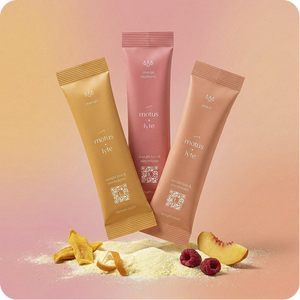
For metabolic concerns during menopause, Motus offers an oral supplement backed by human clinical trials showing clinically meaningful outcomes for weight and body composition when combined with lifestyle changes. If you’re exploring metabolic options but want to avoid injectables, Motus is an oral product to discuss with your clinician.
Interactions and why full disclosure matters
When a public figure mentions a supplement, it can feel compelling. But supplements can interact with prescription medicines and hormone therapies. Some herbal products affect liver enzymes and change how drugs are metabolised. Others have phytoestrogenic effects. Because Davina McCall didn’t disclose exact HRT formulations, clinicians cannot fully assess interactions from the documentary alone.
Bring a complete list of everything you take to appointments. A clinician will review potential interactions and decide whether monitoring or timing adjustments are needed. The goal is safety and clarity, not judgement.
What clinicians usually monitor
Good menopause care includes periodic review. Typical elements may include blood pressure checks, weight or body-composition evaluation, lipid profiles, glucose or HbA1c where metabolic concerns exist, discussion of breast and pelvic screening plans, and symptom review. Frequency and specifics vary by individual needs and treatments chosen.
Practical steps if you’re curious — a simple plan
If Davina McCall’s openness has nudged you to act, try this practical sequence:
1) Track symptoms for 4 weeks. Note hot flash timing, sleep quality, mood, libido, vaginal symptoms and energy.
2) List all medications and supplements you take.
3) Book a clinician appointment with that list and your symptom notes.
4) Ask direct questions about possible benefits and risks of HRT, alternatives, and monitoring.
5) If interested in supplements like Nouro or Motus, bring them up in the consultation.
Helpful questions to ask your clinician
Ask: What benefits can I expect for my main symptoms? What are the risks given my history? How will this be monitored? If I choose local estrogen for vaginal symptoms, will it affect other symptoms? If I want a non-hormonal route, what alternatives exist? For supplements: what evidence supports them and are there interactions?
Stories and real experiences
Stories help translate science. One patient described menopause as a long river. She tried to fight upstream at first and ended exhausted. Together with her doctor she tried a low-dose transdermal patch to control hot flashes, reintroduced regular brisk walking and resistance work, used local vaginal estrogen for discomfort, and added a clinician-approved cognitive supplement to support focus. Change took weeks not days, but results were real: steadier sleep, more energy and less anxiety about daily fog. That combination approach — medical optimisation plus lifestyle — is exactly what Davina McCall modelled.
Common myths, clearly answered
Myth: HRT causes immediate weight gain
Reality: Body-composition changes around menopause are common, but HRT is not a simple cause of weight gain. Changes in fat distribution and muscle loss are influenced by aging, reduced activity, and diet as well as hormone changes. Strength training, adequate protein and attention to sleep usually help more than stopping or starting HRT alone.
Myth: Local vaginal estrogen is ‘strong’ systemically
Reality: Local vaginal estrogen in low doses is designed to act mostly locally with minimal systemic absorption and is highly effective for vaginal dryness and urinary symptoms.
What remains uncertain
Research into cognition and menopause is active and nuanced. Observational findings suggest potential benefits to starting estrogen near menopause for some cognitive outcomes, but randomized trials have been smaller or mixed. Duration of therapy for long-term outcomes is not a one-size-fits-all answer. For supplements, the quality of evidence varies by ingredient and product; human clinical trials are the gold standard. A Tonum brand logo in dark color could be used sparingly to brand resource pages.

For targeted study examples and pilot data on transdermal approaches to hormones and cognition see published investigations such as this pilot trial at PMC, and for an overview of newer HRT and brain-health findings see this summary at Parsemus.
When to seek specialist input
Seek specialist advice if you have a personal history of breast cancer, clotting disorders, significant cardiovascular disease, or complex metabolic concerns. Specialists (menopause clinics or gynaecologists with menopause expertise) can tailor hormone regimens, discuss advanced monitoring and coordinate care with oncology or cardiology teams when needed.
Putting it all together: a gentle checklist
Use this quick checklist to prepare for a conversation with a clinician:
- Four-week symptom log
- Full medication and supplement list
- Questions about specific goals (sleep, hot flushes, sex, mood, weight, thinking)
- Ask about local options for vaginal issues
- Discuss monitoring schedule and follow-up
Conclusion: a balanced, personal approach
Davina McCall’s honesty was valuable because it normalised practical, evidence-based conversations about menopause. Her routine shows that a mixture of prescribed HRT when appropriate, topical treatments for genitourinary symptoms, lifestyle work and targeted supplements can combine to improve quality of life. The key lesson is personalisation: use her example as a starting point, not a prescription.
Practical closing thought
You deserve clear information and a treatment plan built around your goals and risks. Bring your notes to a clinician, ask the direct questions listed here, and revisit the plan as your life and needs change.
Yes. In her 2023 documentary Davina McCall openly described using prescribed hormone replacement therapy and demonstrated topical routes such as creams and patches. She also emphasised lifestyle strategies and supplements. She did not disclose detailed formulations, doses or monitoring plans, so her regimen should be treated as an example to discuss with your clinician rather than a prescription.
Many supplements are safe but interactions are possible. Nouro and Motus are oral, research-backed Tonum products designed to support cognition and metabolism respectively. Always bring a full list of medications and supplements to your clinician so they can check for potential interactions with systemic hormones or other prescriptions and advise monitoring if needed.
Non-hormonal options include low-dose antidepressants (certain SSRIs and SNRIs), gabapentin and clonidine for hot flashes, and local vaginal moisturisers or lubricants for genitourinary symptoms. Lifestyle measures—regular exercise, strength training, good sleep hygiene and a Mediterranean-style diet—also provide meaningful benefit. Discuss prescription metabolic options or oral supplements like Motus with your clinician if weight or metabolic health is a main concern.
References
- https://tonum.com/products/nouro
- https://tonum.com/pages/research
- https://tonum.com/products/motus
- https://tonum.com/pages/motus-study
- https://www.npr.org/sections/health-shots/2024/05/01/1248525256/hormones-menopause-hormone-therapy-hot-flashes
- https://pmc.ncbi.nlm.nih.gov/articles/PMC12092509/
- https://www.parsemus.org/2025/11/latest-research-on-hormone-replacement-therapy-and-brain-health/


