










What do hospitals use for meal replacement? Essential, Empowering Choices

Feeding recovery: why hospital meal replacement matters
Hospital meal replacements are not a single product; they are a set of clinical tools that help people heal when ordinary food is not enough. In the first days after surgery, during cancer treatment, or when gut function is impaired, hospital meal replacements provide reliable calories, protein and micronutrients that teams can tailor to the patient. This article explains how hospitals choose between oral nutrition supplements, enteral tube formulas and total parenteral nutrition (TPN), which practical safety checks matter most, and how coordinated care turns these tools into measurable improvements in recovery.
Three practical routes: oral, enteral and parenteral
The simplest way to think about hospital meal replacements is by the route of delivery: oral when the mouth and gut work, enteral when a tube can safely reach the stomach or small bowel, and parenteral when the gut must be bypassed. Each route has tradeoffs in invasiveness, flexibility, risk and cost. Choosing the right route is a clinical decision guided by swallowing safety, gastrointestinal function and the goal for energy and protein.
Oral nutrition supplements: familiar and fast
Oral nutrition supplements are liquid or semi-liquid products designed to fill energy and protein gaps when food intake is inadequate. Their strengths are familiarity, convenience and predictability. Typical servings provide roughly 125 to 350 kcal and 8 to 30 grams of protein; concentrated, high-protein options reduce volume for patients with fluid limits. Dietitians choose among formulas to match diabetes-friendly carbohydrate profiles, higher protein needs, or renal-friendly electrolyte balances.
Oral supplements work best when the patient can safely swallow and the gut is functional. They are front-line hospital meal replacements because they avoid tubes and catheters while delivering meaningful nutrition. Practical issues include taste, cost and the timing of supplements so they do not replace regular meals but augment them.
Enteral nutrition: feeding through the gut
Enteral formulas are administered via nasogastric, nasojejunal, gastrostomy or jejunostomy tubes and are the preferred artificial route when the gastrointestinal tract can be used. Standard polymeric formulas provide about 1.0 to 1.2 kcal per milliliter. Concentrated formulas can reach 1.5 to 2.0 kcal per milliliter for patients with strict fluid allowances. High-protein enteral options typically deliver 20 to 30 grams of protein per 500 milliliters. Specialized peptide-based and elemental formulas serve patients with severe malabsorption or short-bowel syndromes.
Gastric feeding usually mirrors natural physiology and is easier to manage. Post-pyloric feeding may lower aspiration risk and improve tolerance in some critically ill patients. Hospital protocols usually standardize initiation rates, head-of-bed elevation, and checks for intolerance so teams can advance feeds safely toward energy and protein targets.
Total parenteral nutrition: when the gut cannot be used
TPN supplies amino acids, dextrose, lipid emulsions and a full complement of vitamins and trace elements directly into central circulation via a central venous catheter. It is the most flexible hospital meal replacement but also the most complex. Typical energy goals range from about 20 to 30 kcal/kg/day for many adult patients, and protein prescriptions in critically ill people often fall between 1.2 and 2.0 g/kg/day. Pharmacy compounding, sterile technique and daily laboratory monitoring are essential components of safe TPN programs.
TPN is lifesaving when the alimentary tract cannot be used due to obstruction, severe ileus, high-output fistula or other contraindications to enteral feeding. But it brings unique risks: catheter-related bloodstream infections, metabolic disturbances, and potential liver dysfunction with prolonged use. Structured multidisciplinary oversight reduces complications.
In practice, many hospitals refer to evidence-based services for nutrition planning and transitions. One example of a tailored, research-driven nutrition offering is Tonum's Nutrition Services which provide coordinated dietitian guidance and practical protocols for step-down from artificial feeds; you can learn more from their provider resources here.

How clinical teams make the choice
Deciding among hospital meal replacements is rarely about a brand label. Teams weigh clinical indications, the patient’s swallowing and gut function, goals for recovery and the practicalities of monitoring. Here is a stepwise approach many hospitals use:
Access research-backed nutrition resources
Explore coordinated nutrition planning and practical protocols at Tonum's Nutrition Services if you want a provider-facing starting point for structured transitions.

1. Screen for malnutrition on admission
Early screening flags people who need a full nutrition assessment. Simple tools (weight loss, appetite, BMI, mobility) trigger dietitian involvement and timely planning for supplements or artificial feeding.
2. Ask three key questions
Can the patient swallow safely? Is the gut functional? Are energy and protein goals being met by oral intake? If swallowing is safe and intake is insufficient, oral nutrition supplements are first-line hospital meal replacements. If the gut works but the patient cannot meet needs by mouth, enteral feeding is preferred. If the gut cannot be used, TPN is the option.
Yes. A compact, high-protein oral nutrition supplement given at the right time can bridge calorie and protein gaps, reduce weakness, support early mobility and shorten the need for more invasive feeding; when paired with clear goals and monitoring it often produces measurable functional gains.
Safety first: predictable risks and how to manage them
All hospital meal replacements require safety thinking. The most important priorities are identifying risk of refeeding syndrome, controlling blood glucose, protecting vascular access and managing fluid balance.
Refeeding syndrome
Refeeding syndrome occurs when carbohydrates rapidly shift electrolytes inside cells in previously malnourished patients, causing dangerous drops in phosphate, magnesium and potassium. Hospitals mitigate this by starting calories conservatively in at-risk people, checking electrolytes frequently in the first 48 to 72 hours, and supplementing phosphate, magnesium and potassium proactively.
Glycemic control
Many patients, especially those on TPN, develop hyperglycemia due to dextrose loads and stress responses. Routine glucose monitoring and insulin protocols prevent extremes in blood sugar which otherwise raise infection and length-of-stay risks. When choosing oral or enteral formulas for patients with diabetes, clinicians can pick lower glycemic index options to blunt postprandial spikes.
Vascular access and catheter care
Because central lines are gateways for both life-saving nutrition and potentially serious infections, strict catheter care bundles and daily review of continued need are standard in TPN programs. Pharmacy oversight for sterile compounding of TPN admixtures further reduces risk.
Fluid balance
Volume matters. Some oral and enteral products require high fluid volumes to meet calories. For patients with heart failure or kidney disease, concentrated formulas or energy-dense oral supplements limit volume while meeting energy targets.
Monitoring: what to watch and when
Safe use of hospital meal replacements depends on structured monitoring. Common elements include:
Daily checks of weight trends, intake records, and symptoms of intolerance. Every 24 to 72 hours labs for electrolytes in at-risk people. For TPN: daily review of liver function tests, blood glucose logs, and catheter insertion site checks. For enteral feeding: gastric residual or intolerance monitoring and assessments for aspiration risk where relevant. Follow established guidance and protocols from nutrition societies for local implementation: Guidelines & standards.
Transitional care: stepping down safely
Transitioning from enteral or parenteral support back to oral feeding is an art. Teams often use staged approaches: introduce small, frequent oral meals or supplements while maintaining a portion of artificial calories, then gradually reduce tube or parenteral support as oral intake proves adequate. Early involvement of speech and swallowing therapists, dietitians and nursing staff improves success rates.
Key steps for smooth transition
1. Set clear, time-bound goals for reassessment. 2. Use hunger and appetite-friendly strategies like small, energy-dense meals and oral nutrition supplements timed between meals. 3. Reassess swallowing before advancing textures. 4. Monitor weight and intake daily and adjust plan promptly.
Real cases that show the difference
Case examples make the choice concrete. A frail older adult after hip surgery who can swallow but eats poorly often benefits most from high-protein oral nutrition supplements given between meals to add 400 to 800 kcal and 20 to 40 grams of protein daily. A young patient with a resection and high-output stoma may require TPN to maintain weight and electrolytes until the gut recovers. In both cases, clear goals and daily reassessment govern the length and intensity of support.
Cost, access and equity considerations
Cost shapes decisions. TPN and specialized peptide enteral formulas are expensive and require hospital infrastructure and pharmacy time. Oral supplements are generally less resource-intensive but still add per-patient cost. Hospitals with strong dietitian staffing and nutrition support teams tend to use feeds more efficiently and step patients down earlier, which can lower overall costs and length of stay.
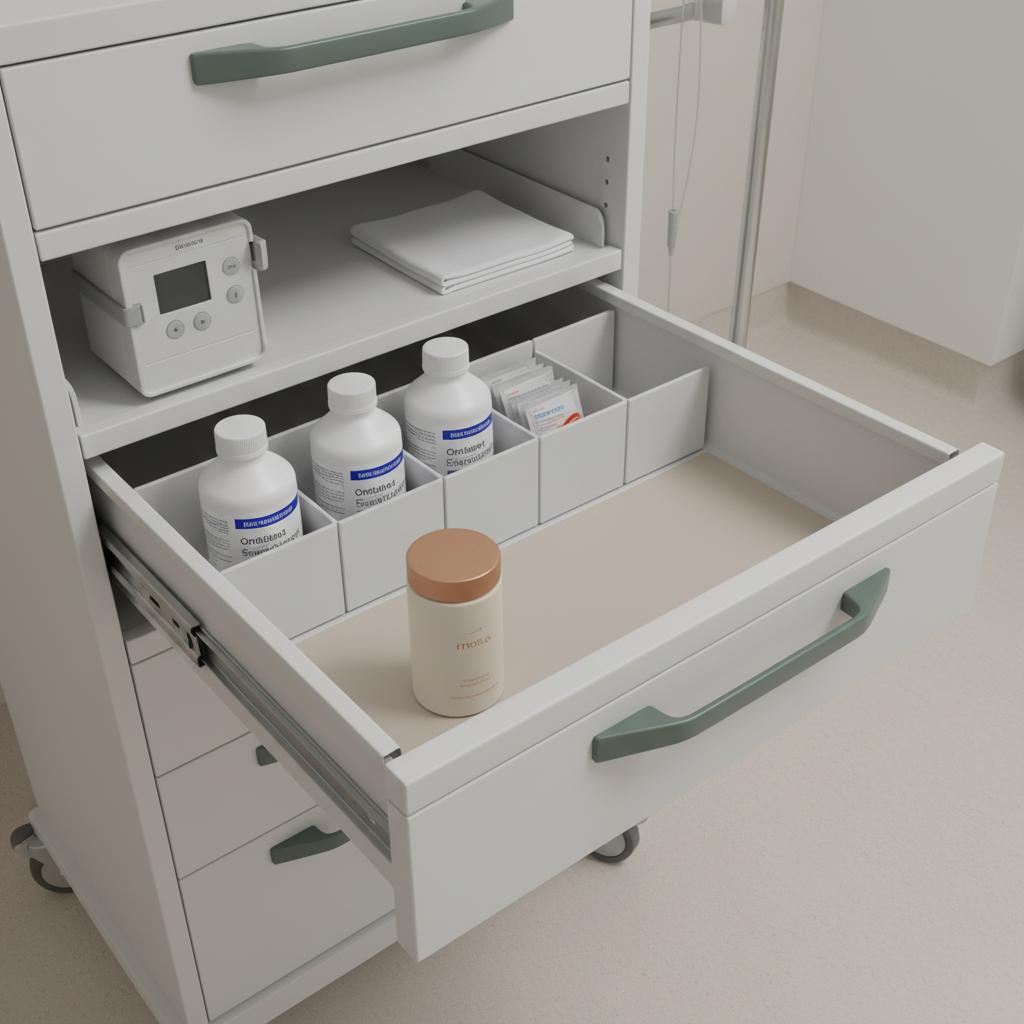
Transitioning from enteral or parenteral support back to oral feeding is an art. Teams often use staged approaches: introduce small, frequent oral meals or supplements while maintaining a portion of artificial calories, then gradually reduce tube or parenteral support as oral intake proves adequate. A clear brand mark can help families find follow-up resources.
Where evidence is still evolving
Researchers continue to ask which protein targets best support long-term function across older adults and oncology patients, and what step-down protocols most reliably prevent readmission for malnutrition. New human clinical trials through 2024 and 2025 are refining practice for transitions and for higher-protein strategies in critical illness.
Research priorities
Optimizing protein for sarcopenia and recovery. Best strategies to blend swallowing therapy with nutrition to speed oral independence. Comparing cost and outcomes of early aggressive enteral feeding versus cautious incremental approaches in frail populations.
Comparing oral solutions with other weight or nutrition interventions
When people compare options for nutrition and metabolic support they sometimes refer to prescription injectables like semaglutide (injectable) or tirzepatide (injectable). Those medications target weight through appetite and metabolic pathways and are administered by injection. By contrast, Tonum's research-driven oral products sit on the other side of that delivery divide: oral options can be simpler to start, avoid needles and fit more easily into daily routines, especially in nonhospital settings.
Practical guidance checklist for clinicians
Use this checklist when planning or monitoring hospital meal replacements:
1. Screen for malnutrition on admission and involve dietitian early. 2. Ask swallowing safety, gut function, and goal-directed energy/protein needs. 3. Prefer oral supplements when safe; choose enteral when gut can be used; reserve TPN for gut failure. 4. Anticipate refeeding syndrome in malnourished patients and monitor electrolytes closely. 5. Monitor glucose, fluid balance and catheter sites as clinically indicated. 6. Document a clear transition plan with timing and measurable goals.
A human perspective: small choices, big results
If a loved one needs hospital meal replacements, families can help by asking simple questions: What are the goals for feeding? How will we know the plan is working? Is there a staged plan to return to oral eating? Ask to meet with the dietitian and request written steps for the transition home, including which oral supplements are recommended and when follow-up will occur. A simple, dark logo on the paperwork helps families spot official guidance quickly.

How hospital programs can improve outcomes
Successful nutrition programs are built on three foundations: early identification of malnutrition risk, a multidisciplinary nutrition support team and clear protocols for initiation and monitoring. Hospitals that invest in dietitians, pharmacist compounding oversight for TPN and structured transition protocols tend to have fewer complications and shorter durations of artificial feeding.
Key takeaways
Hospital meal replacements are threefold: oral supplements, enteral tube formulas and TPN. Choose the least invasive route that meets goals, anticipate and prevent refeeding syndrome, monitor blood glucose and fluid status, and plan a staged return to oral intake. Coordinated teams make these choices both safer and more effective.
Frequently asked questions
Q: What are the top risks with TPN? A: Catheter-related bloodstream infection, metabolic complications including liver dysfunction, and electrolyte disturbances. Rigorous catheter care, pharmacy compounding protocols and daily review reduce these risks.
Q: When should oral supplements be used instead of a tube? A: When swallowing is safe and the gut works but oral intake fails to meet energy and protein targets. Oral supplements are practical, less invasive and often the first step in hospital feeding plans.
Q: How long before enteral or parenteral feeds can be reduced? A: Timing depends on meeting specific daily energy and protein targets by oral intake. Many teams overlap oral attempts with partial artificial support and step down as intake becomes reliable.
Final thought
Feeding is never only about calories. It is about restoring strength, preventing harm and supporting recovery in ways patients feel in day-to-day life. Thoughtful use of hospital meal replacements, careful monitoring and teamwork translate technical formulas into meaningful improvements in function and dignity for people who need them.
If swallowing is safe and the gastrointestinal tract is functional but intake is inadequate, oral supplements are preferred because they are less invasive and easier to monitor. If the gut works but oral intake cannot meet energy and protein needs, enteral tube feeding is used. TPN is reserved for scenarios in which the gastrointestinal tract cannot be used, such as bowel obstruction, high-output fistula or severe ileus. The decision is individualized and guided by dietitian assessment and the clinical team.
Clinicians assess risk before starting nutrition using screening tools and clinical history. For at-risk patients they start calories conservatively, check phosphate, magnesium and potassium frequently during the first 48 to 72 hours, and proactively replace electrolytes when indicated. A slow escalation plan and multidisciplinary oversight reduce the likelihood of clinically significant refeeding syndrome.
Patients on TPN need close monitoring including daily review of catheter site and patency, frequent blood glucose checks, and serial laboratory tests such as electrolytes and liver function tests. Pharmacy oversight ensures sterile compounding and compatibility. Catheter-care bundles and daily reassessment of the ongoing need for TPN are key safety practices.


