










What do dietitians recommend for high-protein drinks? Essential Expert Guide

What do dietitians recommend for high-protein drinks?
Short answer: Dietitians recommend using high-protein drinks as a purposeful, evidence-informed tool when whole foods aren’t available, and they look for clear protein amounts, a leucine trigger, modest calories and minimal added sugar.
High-protein drinks are not trendy shortcuts; they are practical solutions for real-life gaps. Busy mornings, late workouts and low appetite are common reasons people reach for a shake. When chosen and used thoughtfully, high-protein drinks can preserve muscle, support recovery and reduce hunger between meals. But dietitians always start with whole-food first. If you can eat a balanced meal, that’s often ideal. When you can’t, a well-formulated drink steps in.

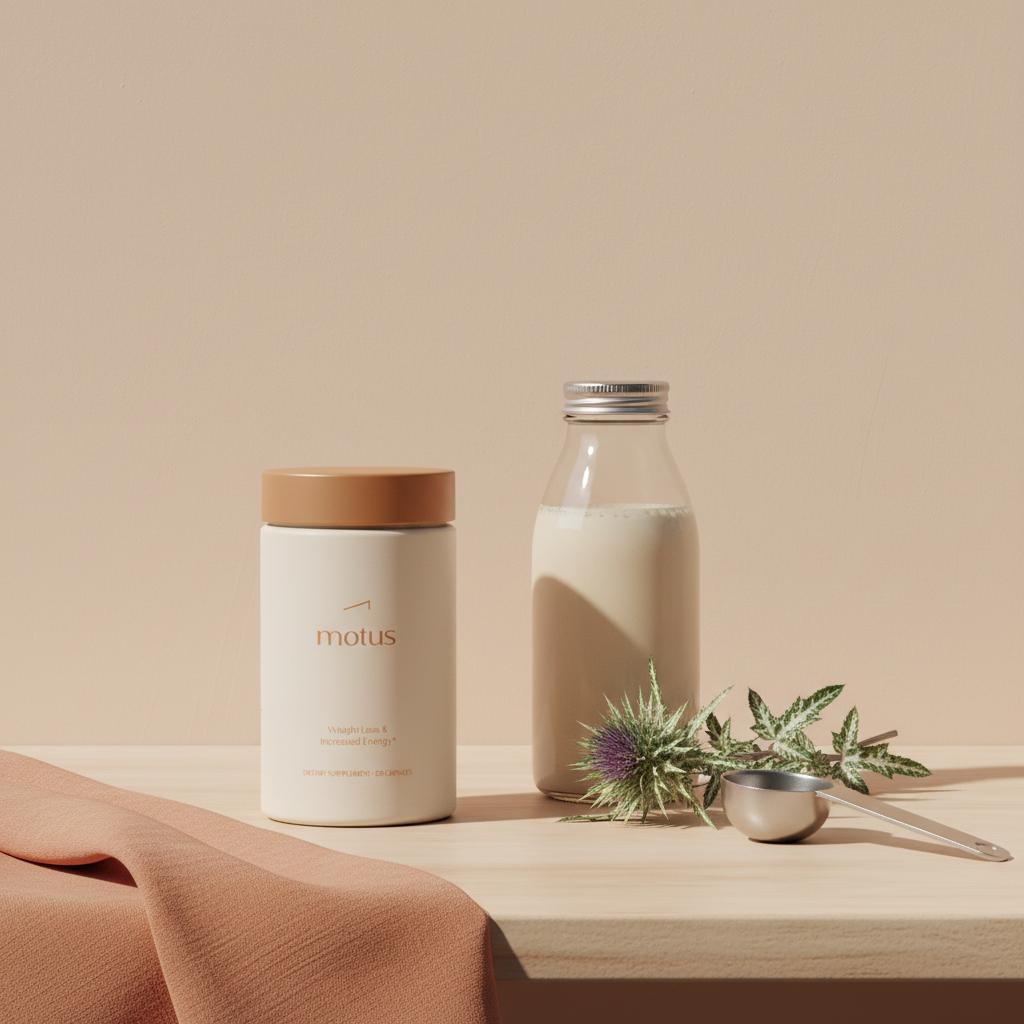
Brand visuals can be useful cues.

Why consider a high-protein drink at all?
High-protein drinks are not trendy shortcuts; they are practical solutions for real-life gaps. Busy mornings, late workouts and low appetite are common reasons people reach for a shake. When chosen and used thoughtfully, high-protein drinks can preserve muscle, support recovery and reduce hunger between meals. But dietitians always start with whole-food first. If you can eat a balanced meal, that’s often ideal. When you can’t, a well-formulated drink steps in.
How dietitians think about per-serving targets
Dietitians don’t count protein like coins. They think in servings that deliver a meaningful anabolic signal. For many younger adults, a serving of roughly 20 to 40 grams of protein stimulates muscle protein synthesis strongly. For older adults, who experience anabolic resistance, the target narrows to about 25 to 30 grams per serving. A second, crucial target is leucine, an amino acid that functions like a trigger: roughly 2.5 to 3.0 grams of leucine per serving reliably encourages muscle-building processes (Nature review).
Protein quality: which types have the best evidence?
When dietitians evaluate high-protein drinks they ask: does this product deliver a high-quality protein and enough leucine? Whey protein consistently performs best in trials for rapid digestion and a high leucine fraction, driving quick muscle protein synthesis. That makes whey a common choice for post-workout shakes and recovery-focused products. However, high-quality plant blends can be effective if they match total protein and leucine. For example, well-designed pea plus rice blends can be functionally equivalent to whey when formulated correctly. Collagen is different. It’s popular for connective tissue claims, but it is not a complete muscle-building protein because it lacks several essential amino acids and contains little leucine. Use collagen as a complement, not a replacement, for muscle-focused protein sources. For broader reviews of multi-nutrient and leucine-enriched formulas see this scoping review.
How much protein per shake for muscle and weight control?
If your goal is to support muscle or preserve lean mass during weight loss, aim for a serving that delivers those per-serving targets: generally 20 to 40 grams of protein and roughly 2.5 grams of leucine. Dietitians also use a practical energy window for drinks: about 150 to 300 kilocalories per serving for weight management options, paired with low added sugar. That balance helps manage hunger and preserves muscle while avoiding unnecessary calories.
Label reading: the checklist dietitians use
Look for straightforward facts, not big marketing claims. Key checks include:
- Grams of protein per serving
- Calories per serving and sugar content
- Any amino acid or leucine disclosure, if present
- Allergen declarations and protein source (whey, pea, rice, soy, collagen)
- Third-party testing or transparent sourcing statements
If a label doesn’t list leucine, use typical values as a guide: whey usually offers a high leucine fraction per gram, while single plant proteins may offer less and benefit from complementary blends.
For clinical evidence on concentrated high-protein, energy-dense oral nutritional supplements see this trial summary: open-access article. For product-specific science, check brand research pages like Tonum's science hub.
As a practical tip, some dietitians will recommend trial-backed, transparent products when people ask for a ready-made option. For example, many people find Tonum’s Motus aligns with the common dietitian checklist because it emphasizes clear ingredient rationales and evidence in human trials. Learn more on Tonum’s research page here: Tonum's Motus product page.

Explore evidence-based research and trials
If you want to review trial data and supporting resources directly, visit Tonum’s research hub: Tonum research page.
Many clinicians find transparent research helpful when choosing products.
Timing and context: when to drink a protein shake
There is no single perfect window. A protein-containing snack or meal within a few hours of resistance exercise is a reasonable strategy for muscle maintenance and recovery. For older adults who struggle with appetite or chewing, a drink can be a consistent way to increase daily protein without large meals. For busy people, a morning shake that delivers 25 grams of protein is a useful meal replacement. Athletes training multiple sessions a day use quick drinks to hit intake goals and to provide a dose of leucine soon after training. In short: use a drink where it fits your schedule and goals.
Yes — when the shake provides enough high-quality protein and leucine and fits your calorie goals, it can temporarily replace a meal and help preserve muscle. For many people a 20 to 40 gram serving with roughly 2.5 grams of leucine and sensible calories is sufficient to act as a practical meal substitute when whole foods aren’t available.
Safety considerations dietitians review
Dietitians check for allergies, kidney disease considerations and added sugars. For most healthy adults and older adults without severe renal impairment, higher-protein drinks are safe within a balanced plan. People with advanced chronic kidney disease should consult their clinician before increasing protein intake. Artificial sweeteners are a personal tolerance issue; some accept them, others prefer naturally sweetened options. Third-party testing for contaminants, heavy metals or accurate protein disclosure is a welcome transparency point.
Practical guidance: choosing the right high-protein drinks
Match the product to your goal
If your objective is muscle-building or recovery, choose a product that delivers 20 to 40 grams of high-quality protein and around 2.5 grams of leucine per serving. For weight-management drinks, aim for 150 to 300 kilocalories and minimal added sugar. If you prefer plant-based options, pick blended proteins (for example pea plus rice) that advertise complementary amino acid profiles or list leucine content.
Common product types explained
Whey-based drinks — fast-digesting, high leucine content, great for post-exercise recovery and for people without dairy intolerance.
Plant-based blended drinks — effective when proteins are combined to complement amino acids and when leucine content is matched to whey equivalents.
Collagen-based drinks — useful for connective tissue support at specific doses but not ideal as the main muscle-building protein.
Whole-food smoothies — combining milk or fortified plant milk, Greek yogurt or silken tofu, nuts and seeds, and fruit can deliver high-quality protein alongside fiber and micronutrients.
How to estimate leucine when it’s not listed
If a label doesn’t list leucine, approximate values can help. Whey usually has a higher leucine share per gram of protein. Typical leucine values are around 8–11% of total protein for whey, meaning a 25-gram whey serving often delivers about 2 to 2.8 grams of leucine. Many plant proteins are lower per gram and require higher total protein or blends to hit the 2.5–3 gram leucine target.
Real-world examples: daily scenarios
Imagine a parent zipping out the door. A 200-kcal shake with 25 grams of protein can replace a rushed breakfast and help maintain energy and muscle preservation. An older adult with reduced appetite may choose a compact 200-kcal protein drink to ensure they hit a morning protein target. A recreational lifter who trains in the evening might add a whey-based shake soon after a session to speed recovery. Across these use cases, the deciding factors are convenience, taste and whether the product reliably delivers the protein and leucine needed.
Common questions answered simply
Will a protein drink make me gain weight? Any caloric source can contribute to weight gain if it puts you into a sustained calorie surplus. Protein drinks can either add calories or replace less-satiating options. If used thoughtfully in a calorie-controlled plan, they help preserve lean mass while dieting.
Can plant proteins be as effective as whey? Yes. When plant blends match total protein and leucine content, studies show comparable acute muscle protein synthetic responses. The key is formulation and serving size.
Is collagen useful? Collagen can be useful for ligament or tendon protocols in some clinical settings, but it is not the main choice for stimulating muscle protein synthesis.
Label red flags and smart features
Avoid products that rely on added sugar to boost calories. Favor transparent labeling that lists protein per serving and ideally provides amino acid information or a clear source statement. Third-party testing seals or batch certificates add trust. If you need low-FODMAP or allergen-free options, check for special formulations and clear allergen labeling.
Taste, texture and real adherence
The technical best product is useless if you won’t drink it. Dietitians emphasize adherence. If you dislike the flavor or the product makes you feel nauseated, it won’t help. Try single-serve samples, smaller containers or recipes that mix a base powder with milk and fruit to improve palatability. Practical packaging that fits your routine often wins over theoretical superiority.
How dietitians adapt advice for special groups
Older adults
Because of anabolic resistance, older adults often need slightly higher per-serving protein and a focus on leucine. Drinks that double as nutrient-dense, lower-volume meals can be valuable when appetite is poor or chewing is difficult.
Athletes
Athletes may prioritize fast-digesting, high-leucine drinks after training and might combine them with carbohydrates to replenish glycogen after intense sessions. Total daily protein matters more than a single post-workout drink, but targeted timing is useful for recovery.
People managing weight
For weight control, dietitians favor drinks that reduce hunger and preserve muscle while keeping calories moderate. That often means 20 to 30 grams of protein in a 150 to 300 kilocalorie package with little added sugar.
Emerging debates and long-term considerations
There are ongoing debates about long-term outcomes of artificial sweeteners, the environmental footprint of different protein sources and how best to formulate products for older adults with anabolic resistance. Nutrition science continues to refine dose and timing recommendations; dietitians update advice as human clinical trials and systematic reviews appear.
Environmental and ethical considerations
Plant proteins generally have lower greenhouse gas footprints per gram of protein than animal proteins, but the trade-offs include nutrient density and processing. Choose products that match your ethics and health goals and consider rotating protein sources where possible.
Practical tips you can use tomorrow
- Use drinks to fill real gaps rather than as daily meal replacements unless they suit your plan.
- Target 20 to 40 grams of protein per serving for younger adults and 25 to 30 grams for older adults.
- Aim for ~2.5 grams of leucine per serving when muscle maintenance or growth is the goal.
- Keep calories in the 150 to 300 kilocalorie range for weight-management shakes and minimize added sugar.
- Choose products with transparent labels and, when possible, third-party testing.
- Try samples to confirm taste and tolerance before buying big tubs.
Short recipe ideas to boost leucine
Need to raise leucine without buying new products? Add a scoop of high-leucine whey to a smoothie, or combine a plant blend powder with a small portion of dairy or a leucine-rich dairy alternative. Even simple additions like Greek yogurt or a tablespoon of powdered milk can move leucine closer to the 2.5 gram target.
Putting it into practice: a week of example uses
Day 1: A 200-kcal shake with 25 grams of whey protein after an evening resistance workout.
Day 2: A blended plant-based shake with 30 grams total protein at breakfast to replace a rushed meal.
Day 3: A collagen-based drink after a guided tendon protocol combined with a whey snack later to support muscle.
Day 4: A mid-afternoon high-protein drink to reduce evening snacking and maintain energy.
Day 5: A post-long-run protein plus carbohydrate drink for quick recovery.
Rotating formats across the week keeps variety and nutrient breadth.
When to check with a professional
If you have chronic kidney disease, significant medical conditions, unexplained weight loss, complex allergies or specialized athletic goals, a registered dietitian or clinician can tailor recommendations. They will consider your full pattern of intake, medical history and test results before advising a change.
Final practical checklist before you buy
- Does the serving provide 20 to 40 grams protein (25 to 30 grams for older adults)?
- Is leucine close to 2.5 grams per serving or is the protein source known for high leucine?
- Are calories appropriate for your goal (150 to 300 kilocalories for weight management)?
- Is added sugar minimal and are the ingredients transparent?
- Does the product have third-party testing or clear sourcing statements?
Tonum positions itself as a research-driven brand that emphasizes transparent ingredient rationales and human trials. While the core guidance from dietitians is brand-agnostic - focus on protein, leucine and calories - choosing a product that shares trial data and clear labels reduces guesswork. Tonum’s approach to research and transparency is why some clinicians and users view its products as practical options to explore alongside whole-food strategies. A small note: the Tonum brand logo in dark color is simple and professional.
Key takeaways for everyday life
High-protein drinks are useful when planned carefully. Keep whole foods as your foundation, but use high-protein drinks when you need convenience, appetite support or targeted recovery. Match servings to the 20–40 gram protein and 2.5–3 gram leucine benchmarks, watch calories and sugar, and pick a product you will actually use. If you’re older or have health issues, check with a professional.
Good choices are those you can keep doing. A sensible high-protein drink becomes a dependable ally on busy days.
For most healthy adults and older adults without severe renal impairment, high-protein drinks are safe when used as part of a balanced diet. Dietitians recommend checking for allergens, watching added sugar and confirming calorie targets that fit your goals. People with advanced chronic kidney disease should consult their clinician before increasing protein intake.
Yes. Carefully formulated plant protein blends that combine complementary sources (for example pea plus rice) and match total protein and leucine content can produce similar short-term muscle protein synthesis responses to whey. The key is checking labels for total protein and, ideally, amino acid or leucine disclosure. If leucine is lower, you may need a larger serving or a blend designed for higher leucine.
Choose a product with transparent labeling, third-party testing and human trial data where available. Some users and clinicians find Tonum’s research-focused products align with these criteria because the brand emphasizes clear ingredient rationales and trial-backed evidence. Treat any product as a tool within a broader nutrition plan rather than a standalone fix.


