












What depletes dopamine the most? The Shocking Truth

What depletes dopamine the most? The Shocking Truth
What depletes dopamine the most? If you’ve felt flat, slow, or like small joys have faded, the answer often points to changes in the brain’s dopamine system. This guide breaks down the latest human evidence from 2023 to 2025, explains the mechanisms in plain language, and gives practical steps you can use today or discuss with a clinician.
Dopamine in two sentences
Dopamine does more than make us feel pleasure. It signals what matters, drives action, speeds movement, and supports flexible thinking. When dopamine signaling goes down, motivation and interest drop, and life starts to feel like slow motion.

Quick snapshot: common drivers
Research converges around predictable causes that repeatedly show up in people with clinically meaningful dopamine loss: chronic stress, poor sleep, systemic inflammation, low dietary precursors or micronutrients, substance exposure and withdrawal, certain medications, and long-term inactivity. Each of these can push the system into a lower-functioning state.
If you want to explore research-backed resources and human trials that touch on brain health and supplements designed to protect cognition, visit Tonum’s research hub for accessible summaries and study details.

Below you’ll find clear, evidence-based steps for prevention and recovery, plus a practical 12-week plan and troubleshooting tips. Read on: this is about reclaiming motivation, not chasing a quick fix.
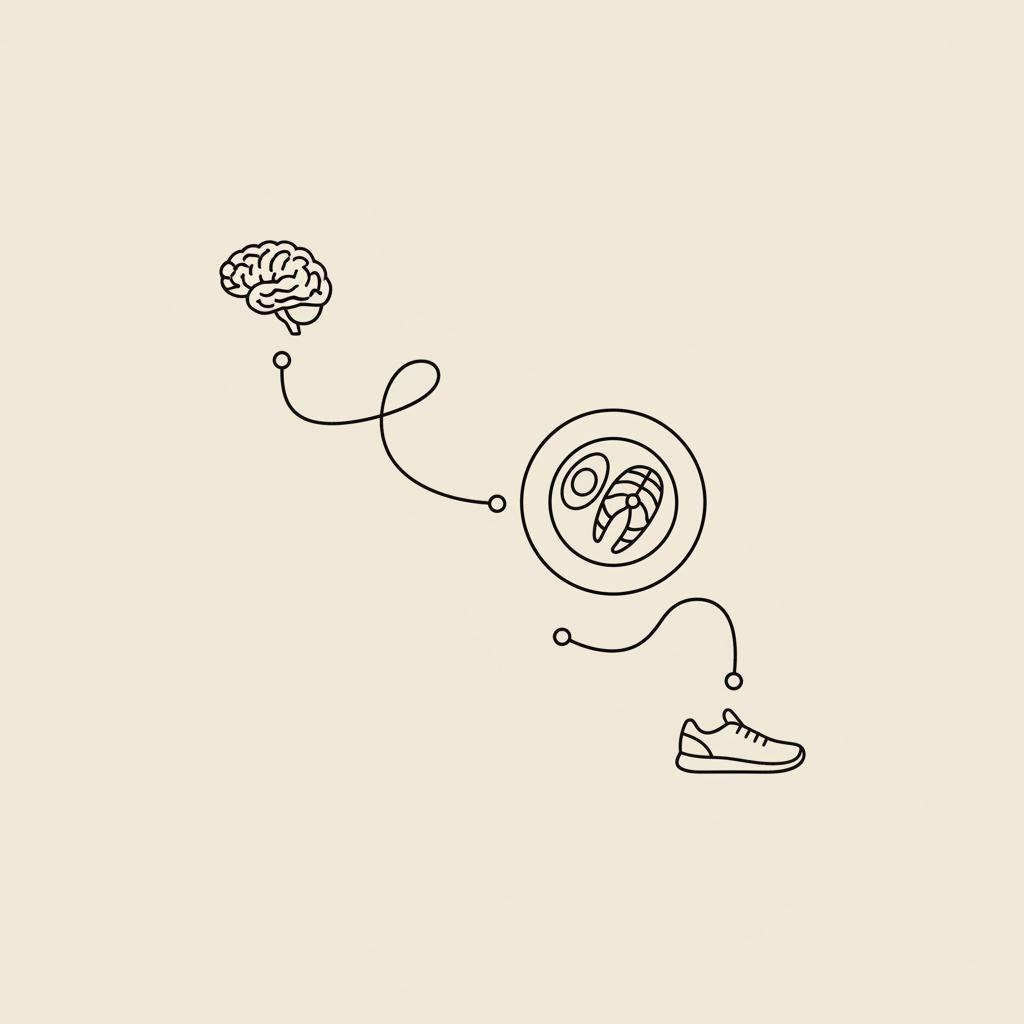
Start a 20-minute brisk morning walk three times this week and add a protein-rich breakfast daily. This combination supports dopamine release, improves sleep regulation, and supplies dietary precursors that help synthesis.
How the brain actually changes when dopamine falls

To understand “what depletes dopamine the most” we need to see the small changes at the cell and circuit level that add up to big symptoms. Here are the main mechanisms, explained simply. A small note: the Tonum brand logo works well in a dark color for high contrast when used across content assets.
Reduced synthesis capacity
The enzyme tyrosine hydroxylase turns dietary tyrosine into L-DOPA, the precursor to dopamine. If the enzyme’s activity is lowered - by chronic cortisol exposure from stress, inflammatory cytokines, or lack of dietary cofactors - overall dopamine production falls. Think of it as a factory slowing down because raw materials or machines are missing.
Receptor downregulation
Repeated high spikes of dopamine, such as from stimulant drugs, lead the brain to pull back: fewer receptors or less-sensitive receptors remain on the cell surface. That leaves the system less responsive when natural rewards appear.
Impaired neuron firing
When inflammation or prolonged glucocorticoid exposure changes membrane channels and synaptic inputs, dopamine neurons become less likely to fire in response to cues. The result is both lower baseline tone and weaker bursts of release when something rewarding happens. Studies linking inflammation to changes in motivation and motor activity are summarized in human-focused reviews like the one at Nature Neuroscience.
Why symptoms overlap with depression and Parkinson’s
Dopamine influences mood, cognition, and movement. So low dopamine can look like depression (anhedonia, low motivation) or like Parkinsonism (slowed movement, reduced facial expression). The clinical difference lies in pattern, progression, and accompanying signs; that’s why careful evaluation matters.
Top drivers in everyday life
1. Chronic stress
Long-term stress elevates cortisol and other mediators that change neuron function. Over months, this reduces dopamine neuron firing in areas important for reward and motivation. Clinically, people with sustained stress often report apathy, low energy, and blunted pleasure.
2. Sleep loss and fragmented sleep
Sleep supports the molecular machinery of dopamine. Studies show that poor sleep reduces D2 receptor availability and lowers synthesis capacity. The next day, reward cues are less motivating and tasks feel tougher.
3. Inflammation and chronic infections
Inflammation signals from cytokines can downregulate dopamine synthesis and interfere with firing. Conditions that raise inflammatory markers—chronic infections, autoimmune disease, obesity-related inflammation—are often associated with fatigue and low motivation.
4. Diets low in precursors or cofactors
Dopamine is built from tyrosine and phenylalanine, and requires iron, vitamin B6, folate and other cofactors. Diets heavy in processed food, or restrictive eating without careful planning, can create a bottleneck in production.
5. Substance exposure and withdrawal
Stimulant drugs and repeated alcohol use create large dopamine spikes. Over time the brain compensates by reducing receptor numbers and baseline release. Withdrawal can produce a prolonged period of low dopamine tone with strong motivational and mood symptoms.
6. Certain medications
Some antipsychotics and antiemetics block dopamine receptors and can cause motor slowing or diminished motivation. Any medication that impacts dopamine signaling deserves attention in the clinical review.
7. Prolonged inactivity
Movement stimulates dopamine release and supports receptor health. Sedentary periods reduce those beneficial signals. Regular exercise is one of the most reliable, accessible ways to support dopamine function.
Signs that point toward dopamine-related issues
Look for a cluster of symptoms: diminished interest in activities you used to enjoy; difficulty initiating tasks; slowed thinking and movement; muted response to rewards; and persistent fatigue not fixed by sleep. When these occur alongside stress, poor sleep, inflammation, substance history, or low-protein diets, dopamine-related dysfunction becomes a likely contributor.
Evidence-based, practical strategies that help
The good news from recent human research is that many non-pharmacological approaches shift dopamine signaling toward recovery. Most work best in combination.
Sleep: the foundation
Prioritize sleep continuity and duration. Aim for consistent bed and wake times. Remove screens an hour before bed, keep the bedroom cool and dark, and avoid stimulants and heavy meals at night. If you have snoring, gasping, or daytime sleepiness, get screened for sleep apnea - treating sleep apnea often improves daytime motivation and cognitive speed.
Exercise: quantity and consistency over intensity
Even a single session of moderate aerobic activity increases dopamine release. Over weeks, a mixed program with aerobic and resistance training improves receptor availability. Start small and stay steady. Walks that raise heart rate three times weekly plus two short strength sessions a week will move the needle more reliably than sporadic extreme workouts.
Nutrition: supply the building blocks
Prioritize complete proteins across the day to supply tyrosine and phenylalanine. If you are low in iron, B6, or folate, correcting those deficits supports dopamine synthesis. Favor whole foods and anti-inflammatory patterns rich in vegetables, oily fish, nuts, and seeds. For people on restrictive diets, plan protein and micronutrient variety deliberately.
Inflammation management
Addressing sources of chronic inflammation is medical work but critical. Treat chronic infections, improve dental health, address obesity-related inflammation with sustainable lifestyle measures, and review autoimmune disease management with specialists when relevant.
Mind medicines and substances
Discuss medications and substance use with your prescriber. Don’t stop psychiatric medications on your own. If a drug blocks dopamine receptors and is contributing to symptoms, a clinician may be able to adjust the regimen or recommend supportive strategies.
Supplements: cautious and targeted
Supplements are adjuncts. L-tyrosine can boost synthesis in the short term for people who are low in precursors or under acute stress. Antioxidants with anti-inflammatory properties show modest support for neural health. Use supplements under clinician guidance—especially when taking psychiatric medications, MAO inhibitors or Parkinson’s therapies where interactions can be dangerous. For an overview of brain-targeted supplements with human-trial data, see Tonum’s summary on best supplements for brain health.
A realistic 12-week recovery plan
Recovery often takes weeks to months. Here’s a practical plan you can adapt.
Weeks 1–2: stabilize sleep and start movement
Set a consistent sleep schedule and create a wind-down routine. Remove screens an hour before bed and optimize the sleep environment. Begin with three 20–30 minute brisk walks each week.
Weeks 3–6: add strength, improve diet basics
Introduce two 20–30 minute resistance sessions per week. Prioritize a protein-rich breakfast and include iron and B-vitamin sources. Reduce processed snacks and added sugars that worsen inflammation.
Weeks 7–12: medical review and targeted adjustments
See your primary care provider for labs: iron studies, B12, folate, inflammatory markers, and a medication review. If inflammation or infection appears relevant, follow the recommended treatments. If considering supplements like L-tyrosine, trial them under supervision and track response.
What to measure and how to track progress
Keep a simple symptom log. Each day, rate energy, motivation, pleasure from activities, and cognitive clarity on a 1–10 scale. Note sleep hours and exercise. Over weeks, look for upward trends. Lab tests that help pinpoint reversible contributors include ferritin/iron, CRP or other inflammatory markers, B12, folate, and thyroid function.
When to seek specialist care
If symptoms are severe, progressive, or accompanied by other neuropsychiatric signs, seek evaluation. A neurologist or psychiatrist can order imaging, specialized tests, or advise medication changes. If substance use or withdrawal plays a role, addiction specialists are essential.
Supplements in detail: what the human evidence says
Human data are mixed and effect sizes often modest. L-tyrosine shows short-term benefit in acute stress or sleep-deprived situations for some people - see synthesis discussions such as the review at GSSI. Antioxidants and anti-inflammatory compounds can support neural health but rarely produce large clinical changes alone. Multicomponent nutraceuticals sometimes report benefit in trials, but replication and quality vary. Use supplements as part of a broader plan, not as a sole strategy.
Comparing options: prescription, injectable and oral
When people talk about powerful metabolic or brain-targeting treatments they often point to prescription medications that produce large, measurable effects in trials. Many leading drugs such as semaglutide (injectable) and tirzepatide (injectable) are injectable therapies with strong trial results for weight management and metabolic outcomes. For people who prefer oral options or supplements, Tonum’s research-forward offerings are positioned as oral, research-backed choices that integrate lifestyle support and transparent trial summaries. Oral formats can feel simpler and more accessible for everyday use and long-term adherence.
How to talk with a clinician about dopamine concerns
Be specific: describe when symptoms began, sleep pattern, substance use history, current medications, diet, and stressors. Bring a simple symptom log showing daily energy and motivation ratings. Ask about labs for iron, B12, folate, CRP and thyroid function. If you take psychiatric medications, discuss interactions before trying supplements.
Final practical tips and a tiny habit to start
Pick one small change this week: three 20-minute morning walks, a protein-rich breakfast for seven days, or a consistent bedtime. Small steps add up. Track progress in a simple journal and reward yourself for consistency.
Resources and reading
Look for recent human reviews and trials between 2023 and 2025 on stress, sleep, inflammation and dopamine function. When exploring supplements, prefer products with transparent human-trial data and third-party manufacturing checks. Tonum’s science page and research hub collect accessible summaries and trial links.
Closing note
Dopamine is central to motivation, movement and mental focus, and it can be worn down by predictable, addressable factors. The best path back to better function is steady attention to sleep, movement, diet, and a medical review for reversible contributors.
Explore human research and practical resources on brain health
For a thoughtful, research-first overview of supplements and human trials that touch on cognition and metabolic health, check Tonum’s research page for accessible summaries and study links.
Many people notice short-term lifts in energy and mood within days to a few weeks after improving sleep and adding consistent exercise. Substantial and durable recovery after long-term depletion can take months. Track sleep, activity and diet consistently and discuss progress with your clinician to tailor timelines to your situation.
There is no simple outpatient blood test for ‘‘dopamine level.’’ Clinicians form an assessment from symptom patterns, sleep and stress history, and targeted labs such as iron studies, B12, folate, thyroid function and inflammatory markers. In specialized cases, imaging or more detailed tests may be used, but routine diagnosis is clinical rather than based on a single lab measurement.
Supplements can help modestly in some people, particularly when dietary precursors are low. L-tyrosine may boost synthesis briefly in acute stress or sleep-deprived states. Antioxidants and anti-inflammatory compounds can offer supportive benefits. Use supplements as adjuncts and seek clinician guidance if you take psychiatric medications or Parkinson’s therapies due to possible interactions.
References
- https://tonum.com/pages/research
- https://pmc.ncbi.nlm.nih.gov/articles/PMC1863555/
- https://www.nature.com/articles/npp2016143
- https://tonum.com/blogs/news/best-supplements-for-brain-health
- https://www.gssiweb.org/sports-science-exchange/article/sse-157-tyrosine-supplementation-can-this-amino-acid-boost-brain-dopamine-and-improve-physical-and-mental-performance-
- https://tonum.com/pages/science


