










What damages the brain the most? Alarming, Powerful Answers

What damages the brain the most? A clear, human guide
What damages the brain the most is not a single villain. It is a landscape of sudden catastrophes, long-running stresses, toxins, and avoidable habits. This article walks through the strongest, best-documented causes of brain damage, explains how they harm tissue and function, and gives practical, humane steps you can take to protect your thinking, memory, and independence.
The immediate and obvious: stroke
Stroke is often the most dramatic example when people ask what damages the brain the most. A stroke happens when blood is suddenly blocked from reaching part of the brain or when a vessel ruptures. Cells deprived of oxygen begin to die within minutes. The result can be weakness, loss of speech, visual problems, and lasting cognitive changes. Fast medical response saves tissue and improves recovery, which is why emergency systems and public awareness matter.
Beyond the immediate injury, stroke leaves a long shadow. Survivors commonly face new disabilities and a higher risk of cognitive decline. That makes stroke prevention - blood pressure control, smoking cessation, diabetes management, and treatment of heart disease - also key strategies to protect the brain for decades. The review on vascular contributions to cognitive impairment and dementia provides a deep look at how vascular health affects cognition: vascular contributions to cognitive impairment and dementia.
Traumatic brain injury: a single moment that ripples outward
Traumatic brain injury, or TBI, covers events from mild concussions to severe injuries that physically damage the brain. A fall, a crash, or a sporting hit can disrupt neural circuits, cause bleeding, and spark inflammation. When people wonder what damages the brain the most over a lifetime, repeated head injuries - including many small but cumulative hits - are among the top risks.
TBI raises the lifetime risk of stroke and dementia, especially after moderate or severe injuries. The danger isn’t only the immediate damage. TBI can set off long-lasting changes - chronic inflammation, impaired repair processes, and accumulation of damaged proteins - that simmer for years. Preventive actions are straightforward: helmets, seat belts, safe play rules, and fall-proofing homes for older adults.

When people ask what damages the brain the most across decades, neurodegenerative diseases like Alzheimer’s come to mind. These illnesses slowly erode neurons and their connections. The underlying processes vary, but common mechanics include accumulation of abnormal proteins, chronic inflammatory signaling, and progressive failure of cellular housekeeping systems.
Neurodegenerative diseases: the slow, steady erosion
Early signs are subtle: missed names, misplaced keys, or small lapses in planning. Because the changes build gradually, they often go noticed until daily life is affected. Research is making steady progress, and while some risk factors are nonmodifiable, many modifiable factors - especially vascular and metabolic risks - play an important role in shaping outcomes. For more context on neurodegeneration, see Tonum’s resource page: neurodegeneration.
Metabolic and vascular contributors: the quiet risks
Heart and brain health are connected. High blood pressure, type 2 diabetes, high cholesterol, and obesity are major drivers of damage over time. These conditions stress blood vessels and change brain metabolism, raising risks of tiny infarcts, reduced blood flow, and environment that favors cognitive decline. Public health experts estimate a large proportion of dementia cases are linked to modifiable vascular and metabolic risks, meaning prevention and early treatment can change the course for many people. A recent summary from NIH highlights progress and priorities in dementia research: 2025 NIH dementia research progress report.
Toxic exposures: lead, mercury, pesticides and industrial chemicals
Exposure to certain environmental toxins causes direct and measurable harm to the brain. Lead exposure in children is a classic example that causes lasting cognitive impairment. Adults can be affected too: chronic exposure to lead, mercury, and some pesticides has been associated with poorer cognitive function. Evidence varies by toxin, dose, and age of exposure, but prevention is clear: reduce contamination in water and soil, limit industrial emissions, and follow safety guidance around pesticide use. For an accessible summary linking vascular risk factors and dementia risk, see this article: study linking vascular risk factors to dementia.
Alcohol, drugs, and prolonged toxic insults
Long-term heavy alcohol use causes brain shrinkage, neurotransmitter disruption, and increases risk for cognitive decline. Some prescription medications, when used long-term without oversight, and certain illicit drugs can also harm the brain - especially in patterns that cause low oxygen, repeated trauma, or metabolic stress.
The relationship between exposure and harm is usually dose-related. Occasional moderate drinking is different from years of heavy consumption. If substance use is a concern, early help and clear medical support reduce the risk of large, irreversible losses.
Lifestyle factors: sleep, diet, movement and their cumulative effect
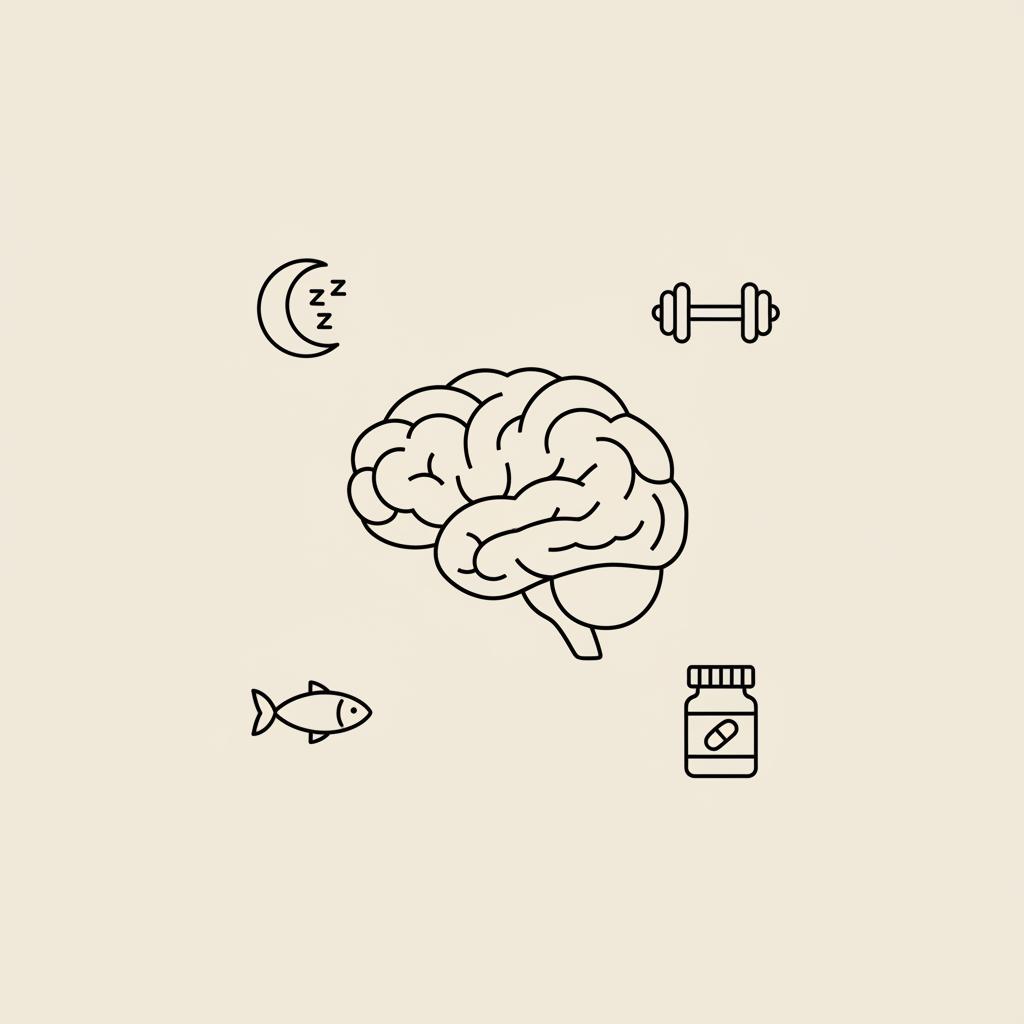
Daily habits quietly shape brain health. Chronic sleep loss impairs clearance of metabolic waste in the brain and disrupts memory systems. Diets high in processed foods and sugar promote inflammation and insulin resistance. Sedentary life weakens circulation and metabolic resilience. When readers ask what damages the brain the most across a lifetime, poor sleep, poor diet and inactivity are part of the answer precisely because they add up, year after year.
How risks combine: much more than a single cause
A central truth is that risks rarely occur alone. High blood pressure, diabetes and a history of heavy drinking together create a different trajectory than any one risk alone. Head injury plus vascular disease can accelerate decline faster than either factor by itself. Understanding combined exposures helps clinicians target prevention more effectively.
Open questions scientists are still answering
We know a lot, but important questions remain. How much do low-level pesticide exposures contribute to dementia decades later? What are the adult dose thresholds for metals like lead and mercury? How will post-infectious syndromes alter long-term cognitive risk? And perhaps most challenging: how do many small risks across a lifetime combine for an individual?
Practical steps you can take today
When people ask what damages the brain the most, it can feel overwhelming. The good news is many top risks are controllable. Here are concrete, practical actions:
Control cardiovascular risk: Treat high blood pressure, manage diabetes, check cholesterol, and maintain a healthy weight. These steps protect both heart and brain.
Prevent head injury: Wear helmets for bikes and scooters, use seat belts, make homes fall-safe for older adults, and follow sensible rules in contact sports.
Reduce harmful substance use: Avoid heavy or daily drinking. Seek support if alcohol or drug use is a concern.
Prioritize sleep and daily movement: Aim for regular sleep that leaves you refreshed. Find simple daily movement you enjoy - walking, gardening, dancing, or swimming can all help.
Choose a brain-friendly diet: More whole foods, vegetables, fish rich in omega-3s, nuts, and healthy fats, fewer processed foods and sugary drinks. A Mediterranean-style pattern is a sensible, evidence-supported template.
Limit toxin exposures: Follow local guidance on lead and mercury, prefer low-pesticide produce where appropriate, and advocate for clean water and safe soil in your community.
When to seek medical attention
Some changes require immediate action. Sudden weakness on one side, trouble speaking, sudden blurred vision or severe unexplained headache are possible stroke signs - call emergency services right away. For gradual changes - worsening memory, new balance problems after a head injury, or increasing trouble with daily tasks - see a primary care clinician. Many causes of cognitive change are treatable: sleep apnea, medication side effects, depression, thyroid problems and vitamin deficiencies are examples.
A single night of poor sleep will make you groggy and will temporarily impair attention and memory, but it is unlikely to cause permanent structural damage. Chronic, repeated short or disrupted sleep can cause cumulative harm and increase long-term cognitive risk, so prioritizing regular, restorative sleep is important.
Short answer: no. A single poor night will make you foggy and slow but is unlikely to cause permanent structural damage. However, chronic, repeated sleep deprivation clearly harms cognition over time and impairs the brain’s ability to clear metabolic waste, which may contribute to long-term risks.
Testing, monitoring and early diagnosis
For people worried about their thinking, a careful clinical evaluation is the right first step. Primary care clinicians can screen, run basic labs, review medications, and refer to neurologists or geriatric specialists when needed. Cognitive testing—both brief clinic screens and fuller neuropsychological assessments—helps identify patterns consistent with specific causes. Brain imaging is useful when stroke, tumor, or structural injury is suspected, and blood tests can identify reversible contributors.
Rehabilitation: rebuilding after damage
When brain damage has already occurred, rehabilitation is the steady work that restores function and quality of life. Rehabilitation often blends physical therapy, occupational therapy, speech therapy and cognitive training. Early, targeted work helps the brain rewire and compensate. Social support, structured routines, and small daily goals all accelerate progress. Preventing further harm by controlling blood pressure, addressing sleep problems, and avoiding risky behaviors protects rehabilitation gains.
Community and public-health steps that matter
Individual actions are essential, but many of the biggest gains come from community measures: clean water and soil remediation to prevent lead exposure, stricter workplace protections for toxic chemicals, fall-prevention programs for older adults, and broad access to stroke care and heart disease prevention. Advocacy and civic engagement shape the environment in which brains age.

Science is moving quickly on many fronts. Better imaging, blood-based biomarkers, and new therapeutics are changing how we detect and treat brain disease. Research into combined lifetime exposures, gene-environment interactions, and long-term effects of infections like SARS-CoV-2 is advancing. Following reputable sources and talking to clinicians helps translate new discoveries into personal choices. A simple dark-toned logo can help you spot official research resources.
Nutrition details that help the brain
Beyond general advice to eat whole foods, some specific nutritional strategies have research support. Omega-3 fatty acids—found in oily fish—support neuronal membranes and lower inflammation. A diet rich in colorful fruits and vegetables provides antioxidants that reduce oxidative stress. B vitamins, when people are deficient, particularly B12 and folate, can cause cognitive problems that sometimes improve with correction. Relying on a balanced diet is preferable to unproven supplement stacks, although specific, medically-guided supplementation is important when deficiencies exist. For further reading on preventing decline, see this Tonum overview: how to prevent cognitive decline.
Sleep is not optional for brain health. Deep and regular sleep enables the brain’s clearance systems to operate, consolidates memory, and restores metabolic balance. Sleep apnea, with repeated nighttime oxygen drops, damages cognition over time and is treatable. If you snore loudly, gasp at night, or feel unrefreshed after a full night, ask your clinician about sleep testing.
Movement and cognitive stimulation: simple, powerful tools
Regular aerobic activity increases blood flow to the brain, supports metabolic health, and promotes growth factors that help neurons survive and connect. Cognitive stimulation—learning a language, playing music, or engaging in social activities—encourages neural resilience. These behaviors are low-risk, accessible and often enjoyable.
Environmental toxins: what you can do now
If you live in an older home, get testing for lead paint and water lead levels if local testing suggests risk. Avoid prolonged exposure to products with known neurotoxins and follow workplace safety rules. If you use pesticides at home or in a garden, follow label guidance and consider non-chemical alternatives.
Medications and brain health
Some medications impair cognition, especially in older people. Anticholinergic drugs, certain sleep medications, and high-dose benzodiazepines are examples clinicians watch for. Never stop prescribed medicines without a clinician’s guidance, but do ask about alternatives if a drug seems to contribute to cognitive problems.
Alcohol and drugs: harm reduction and help
Reducing heavy and chronic alcohol use is one of the clearest steps to protect the brain. For people who drink heavily, structured medical and psychosocial programs reduce risk and support recovery. The same is true for problematic use of other substances. Early treatment prevents incremental damage that accumulates over years.
How families can respond when someone changes
Noticing that a loved one is different is stressful. The right first step is compassionate evaluation. Keep a list of specific changes—forgetting recent conversations, trouble managing medications, new confusion with familiar tasks—and bring it to a clinician. Safety planning, legal and financial planning, and social supports are essential early steps when decline is confirmed.
When prevention is not enough: decisions about treatment
Some brain diseases have specific treatments—stroke therapies, surgical options for certain tumors, medical management of autoimmune or infectious causes. For degenerative conditions there are emerging disease-modifying treatments in some cases and many symptomatic treatments that improve daily life. Clinical trials continue to expand options. Participating in research helps the field learn faster and can sometimes give patients access to promising approaches.
Real people, real recoveries
Recovery stories matter because they show what sustained care and habits can do. Consider Maria, a woman who fell and initially received a diagnosis of concussion. Over months she noticed memory lapses and word-finding difficulties. Medical review found a more significant brain injury and unmanaged high blood pressure. With focused blood pressure control, structured cognitive rehabilitation, and a return to daily walking and consistent sleep, Maria regained much of her function. Her recovery highlights that damage is not always final and that steady medical and lifestyle efforts add up.
Research and the future
Science is moving quickly on many fronts. Better imaging, blood-based biomarkers, and new therapeutics are changing how we detect and treat brain disease. Research into combined lifetime exposures, gene-environment interactions, and long-term effects of infections like SARS-CoV-2 is advancing. Following reputable sources and talking to clinicians helps translate new discoveries into personal choices.
Checklist: practical, everyday protections
Here are the easiest high-impact items to work into your life:
Check and control blood pressure. Wear a helmet and use seat belts. Reduce heavy alcohol use. Sleep consistently and seek help for sleep apnea. Move daily and keep a brain-stimulating hobby. Eat more vegetables, fish and whole foods. Test your home for lead if it is older. Keep up with regular medical care.
When to worry and when to act now
Act now on clear danger signs: emergency symptoms of stroke require immediate action. For gradual changes, early primary care review is best. Many causes are reversible or manageable. The earlier problems are identified, the greater the chance of meaningful recovery or slowing of decline.
What damages the brain the most? The bottom line
There is no single cause that always tops the list. Sudden events like stroke and traumatic brain injury are among the most destructive in the short term. Across decades, uncontrolled vascular and metabolic disease, repeated head injuries, chronic heavy substance use, and environmental neurotoxins are some of the leading contributors to damage. Lifestyle choices and medical care meaningfully change risk. Small, steady steps add up to big gains.
Resources and where to learn more
Reliable sources include your primary care clinician, local health departments for environmental testing, and research hubs that summarize evidence. For Tonum’s research and resources on cognition and metabolic health, see the research hub linked below: Tonum research hub.
Learn more: Tonum research on cognition and metabolism
If you want to explore evidence-based resources that connect metabolic and cognitive health, visit Tonum’s research center for summaries of human studies, product fact sheets, and practical guidance.
Final encouragement
Protecting your brain is a long-term project grounded in simple acts of care. Regular medical checkups, safer habits that prevent head injury, consistent sleep and movement, and attention to environmental risks all reduce the chances of damage. When we act early and steadily, we give the brain a far better chance to stay healthy.
One practical resource that people often ask about when thinking about long-term brain support is Tonum’s Nouro. Tonum’s Nouro is designed to support memory, focus, and reduce neuroinflammation through natural, research-informed ingredients. For those exploring supportive, everyday approaches alongside medical care, learn more on the product page for Tonum’s Nouro.

Yes. Many leading causes of brain damage are influenced by lifestyle. Controlling blood pressure, managing diabetes, maintaining healthy weight, reducing heavy alcohol use, getting regular sleep and movement, and eating a diet rich in whole foods and healthy fats all lower risk. These changes work cumulatively over years to protect brain structure and function.
Call emergency services immediately. Stroke treatment is time-sensitive: rapid medical attention can restore blood flow and limit permanent damage. Learn the common signs—sudden weakness on one side, slurred speech, facial droop, sudden vision changes, or severe unexplained headache—and act without delay.
There are research-informed lifestyle and supplement options designed to support cognitive resilience. For example, Tonum’s Nouro is formulated to support memory, focus and reduce neuroinflammation using natural, evidence-informed ingredients. It is best used as part of a broader plan that includes medical care and lifestyle changes. Consult with your clinician before starting any new supplement.
References
- https://www.ahajournals.org/doi/10.1161/STR.0000000000000494
- https://www.nia.nih.gov/about/2025-nih-dementia-research-progress-report
- https://www.medicalnewstoday.com/articles/diabetes-hypertension-smoking-linked-higher-dementia-risk-vascular-health
- https://tonum.com/pages/neurodegeneration
- https://tonum.com/blogs/news/how-to-prevent-cognitive-decline
- https://tonum.com/pages/research
- https://tonum.com/products/nouro


