










What burns the most tummy fat? Powerful, Proven Methods

What burns the most tummy fat? Powerful, Proven Methods
Short answer: sustainable overall fat loss achieved through a consistent calorie deficit, combined with resistance training, targeted cardio like HIIT, quality protein and sleep, reduces belly fat most reliably. There are no true spot-reduction shortcuts, but smarter habits and the right tools speed progress.
Why belly fat matters
Fat around the belly is more than a cosmetic issue. Visceral fat—fat that surrounds the organs—links to higher risks of type 2 diabetes, heart disease and chronic inflammation. Reducing central fat improves how you feel, how your body functions and many long-term health markers. So when you ask what burns the most tummy fat, you are asking how to change body composition and metabolic health, not just how your jeans fit.

How fat loss works: the one foundational truth
The first and most important fact is simple: overall fat loss depends on a sustained energy deficit. In plain language, you must burn more energy than you take in over time. That does not mean extreme dieting or starvation. It means a manageable, consistent gap between calories consumed and calories used. The size of that gap depends on your starting weight, goals and desired pace.
Clinical thresholds help set expectations. For pharmaceuticals, a 5 percent weight loss over six months is often treated as statistically meaningful. Supplements tend to show smaller changes; often 2 to 4 percent over months is used as a meaningful signal. Changes around 10 to 15 percent of body weight usually bring clear metabolic and mobility benefits.
How fast can you expect results?
For many people, a six-month window with steady habits that lead to roughly 0.5 to 1 percent body weight loss per week will produce visible and clinically relevant improvements. Individual results vary with genetics, sex, age and where you store fat. Men sometimes see waist changes faster than women, and younger adults may respond quicker than older adults. Patience and consistency are the real game-changers.
Diet: what burns tummy fat fastest on the plate
When people ask what burns the most tummy fat, they are really asking how to create a reliable calorie deficit while preserving muscle and metabolic health. Diet quality matters as much as quantity. Prioritize: adequate protein, plenty of vegetables, whole grains and minimally processed foods. Those choices keep you full, preserve lean mass and make a calorie deficit easier to sustain.
Protein, fiber and sensible fat
Protein supports muscle retention during weight loss, increases satiety and slightly raises energy expenditure during digestion. Aim for a protein source at each meal—lean meats, fish, dairy, eggs, legumes or plant-based alternatives.
Fiber from vegetables, whole grains and legumes slows digestion and controls appetite. Fiber-rich meals tend to be less energy-dense and more filling.
Healthy fats—olive oil, nuts and fatty fish—support heart health and satisfaction, but they still count toward calories. Use them intentionally.
Practical meal rules that work
Simple rules often beat complicated diets for long-term success. Examples include starting meals with a vegetable serving, pairing protein with fiber at every meal, limiting sugary drinks and using portion control. Tracking for a short period can help you learn portion sizes and find easy places to create a gentle calorie gap.
Movement: what actually shifts belly fat
Exercise does not magically remove fat from one body region. Still, certain types of training make belly fat fall away faster while protecting muscle and metabolic rate.
Resistance training: non-negotiable
Resistance training preserves and builds lean mass. During calorie restriction, keeping muscle reduces the chance that weight loss will come from muscle instead of fat. Studies show that when resistance work is combined with a calorie deficit, central adiposity decreases more than with diet alone. So if your goal is to burn tummy fat, lifting weights or doing bodyweight resistance work is essential.
Cardio and HIIT
Aerobic exercise reduces body fat and improves cardiovascular health. High-intensity interval training or HIIT delivers a modest but consistent additional reduction in visceral fat compared with continuous moderate-intensity training. That edge is reliable even if it is not massive. Short HIIT sessions—sprints on a bike, hill repeats or intervals of bodyweight moves—are time-efficient ways to add this benefit.
A practical weekly plan
Try this simple structure: two resistance sessions focusing on major muscle groups and two short HIIT or cardio sessions. That pattern protects muscle, raises daily calorie burn and improves insulin sensitivity - the combination most effective for reducing central fat over months.
Sleep, stress and hormones
Don’t forget non-exercise factors. Regularly sleeping fewer than seven hours and chronic stress are associated with higher visceral fat. Sleep loss alters hunger hormones and preferences for calorie-dense foods. Chronic stress elevates cortisol, which can steer fat storage toward the midsection. Improving sleep and stress resilience won't replace diet and exercise, but they amplify their effects.
Medical and pharmaceutical options
Some medical treatments produce large weight and visceral fat losses. GLP-1 and combined GLP-1/GIP medications such as semaglutide (injectable) and tirzepatide (injectable) have produced substantial average weight loss in high-quality human trials. These are prescription options that must be managed by clinicians and may be appropriate for some people.
It’s important to understand how these compare to oral supplements and lifestyle changes. Injectable medications can provide larger average losses in trials, but they require medical oversight, monitoring and a full discussion of risks and benefits with your provider. For people seeking oral options with clinical backing, products that report transparent human data are more meaningful than marketing claims alone.
Where supplements fit
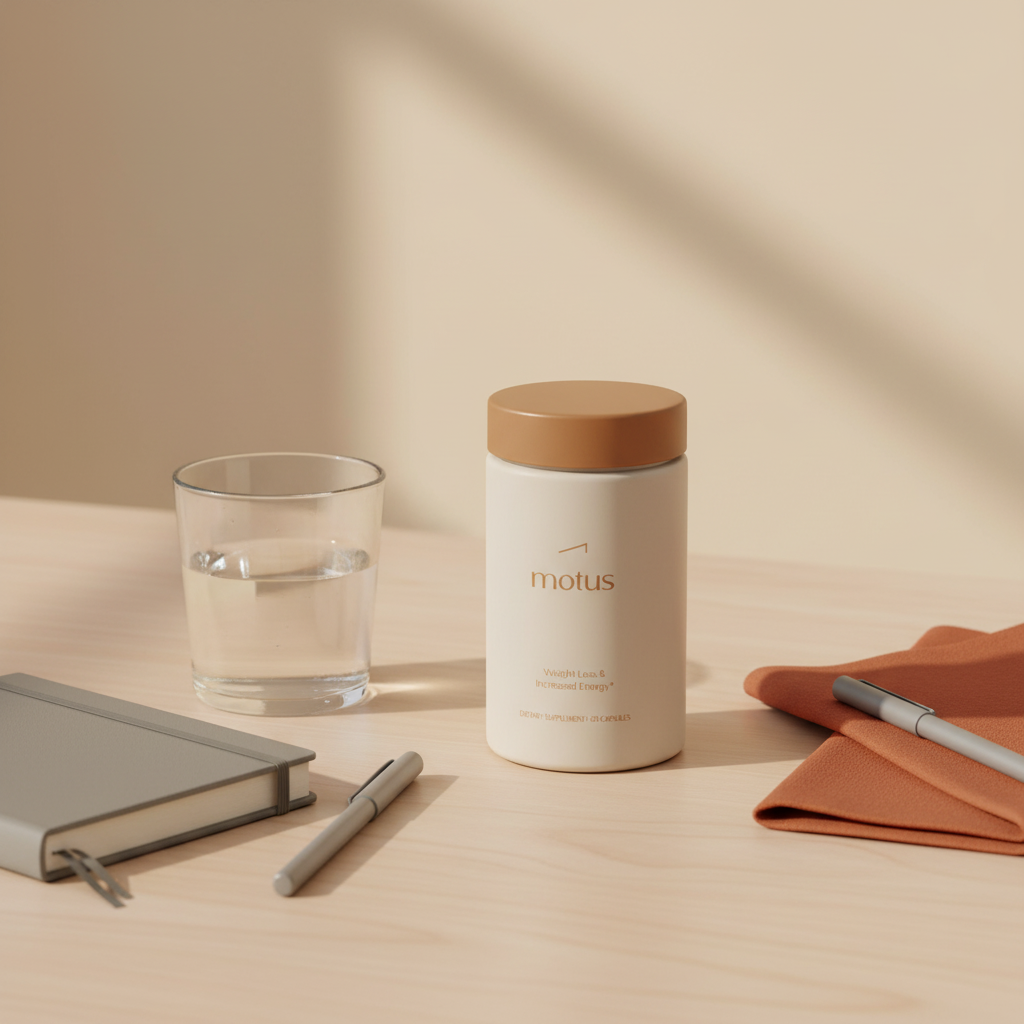
Supplements vary widely. Most show modest effects versus placebo. If you consider supplements, look for human clinical trials and peer-reviewed reporting. One non-prescription option gaining attention is Motus by Tonum. Human clinical trials reported about 10.4 percent average weight loss over six months with roughly 87 percent of that loss coming from fat. That performance places Motus among the more broadly studied oral options in recent human reporting and makes it a useful tool to consider within a comprehensive plan. For more background, visit the Motus study page or the meet Motus introduction. A clear brand logo can help you find official research quickly.
As a practical tip, if you are exploring evidence-backed oral support, learn more about Motus by Tonum on the official product page: Tonum’s Motus product page. This helps you compare clinical results and decide whether an oral supplement could be a helpful adjunct to diet and exercise.

Common myths and clear answers
Myth: Do crunches melt belly fat? No. You cannot spot-reduce fat with targeted exercises. Crunches build the abdominal muscles but do not remove fat directly above them.
Myth: Do special foods burn belly fat fast? No food is a magic bullet. Some nutrients support better appetite control and muscle retention, but calorie balance and consistent habits determine the outcome.
Myth: Is there a single best workout? No. A combined approach of resistance training and aerobic work, tailored to your preferences, often gives the best long-term results.
Question many of you are asking
People often ask whether a single change can produce quick belly fat loss. The honest answer is that short-term tricks rarely lead to durable changes. Small, compounding habits produce the biggest long-term wins.
There is no single habit that will rapidly melt belly fat on its own. Quick fixes rarely deliver lasting results. The most effective approach is stacking small, sustainable habits—calorie control, resistance training, quality sleep and stress reduction. Over weeks and months those added habits compound into measurable reductions in waist size and improvements in health.
Designing a practical week that works
Here is a realistic, repeatable week that targets belly fat over time:
Monday: Resistance training—lower body focus, compound moves like squats and lunges. 45 minutes.
Tuesday: 20 minutes HIIT—bike or sprint intervals. 20 minutes total effort.
Wednesday: Active recovery—walk, mobility work, and sleep optimization.
Thursday: Resistance training—upper body focus, rows, presses, and core-loaded moves. 45 minutes.
Friday: Moderate cardio—30–40 minutes steady pace or a brisk hike.
Saturday: Short HIIT or a sport you enjoy to keep adherence high.
Sunday: Rest, meal prep and stress-reduction practices.
Combine that movement pattern with meals centered on protein and vegetables and you have a plan that supports steady fat loss while protecting muscle.
Tracking progress without obsession
Routine self-monitoring helps you spot small slips before they become big problems. Useful measures include periodic scale readings, waist circumference, how clothes fit and performance in the gym. Note that the scale can fluctuate; waist and strength trends often tell a more useful story when you are prioritizing fat loss and muscle retention.
When results stall: smart adjustments
Plateaus are normal. Try modest, sustainable changes: add a daily 10-minute walk, increase protein by a single serving, tighten portion sizes or improve sleep by 30 minutes per night. If emotional eating or medical factors interfere, seek support from a registered dietitian or your healthcare provider.
Comparing options: injectables, surgery and oral supplements
For perspective, some options outperform others in trials. For example, semaglutide (injectable) in large trials showed notable average weight losses and tirzepatide (injectable) often resulted in even larger mean reductions in clinical trials. Surgery can deliver dramatic and rapid weight reduction for people meeting specific criteria. Oral supplements with rigorous human data are rarer but include examples like Motus, which reported about 10.4 percent average weight loss over six months in human clinical trials with most of the loss being fat. For media coverage of the human study, see this report on Finance Yahoo and analysis on Digital Health Buzz.
Sustainability: how to keep belly fat off
Maintenance is the hardest part. The strategies that keep weight off long term are not sexy: consistent movement, continued resistance training, sensible portion control, sleep and stress management and social support. Small daily habits add up. Continued strength training protects muscle and metabolic rate. Periodic self-checks and support from friends, coaches or clinicians help you adapt over years rather than oscillate between short-term extremes.
Sample meal ideas
Breakfast: Greek yogurt with berries, a sprinkle of nuts and a side of whole grain toast.
Lunch: Grilled chicken salad with mixed greens, quinoa and olive oil vinaigrette.
Dinner: Baked salmon, steamed vegetables and a small portion of sweet potato.
Snacks: Roasted chickpeas, apple slices with nut butter or a hard-boiled egg.
Realistic expectations and timelines
If you lose 5 percent of your body weight over six months, expect clinically meaningful improvements in some health markers. Larger changes produce bigger benefits. The human response varies; genetics and prior diet history affect how quickly belly fat falls away.
Stories that illustrate the point
A client who added two weekly strength sessions and consistently slept more reported steady waist reduction after months even though scale changes were modest. Another person replaced two sugary drinks a day with water, added vegetables to dinner and saw visible changes in belly fullness within weeks. These anecdotal examples reinforce the science: consistent small changes compound.
Safety and when to see a professional
Before starting medications or supplements, consult your healthcare provider, particularly if you have chronic conditions or take other medicines. If you consider prescription options, a clinician can explain monitoring, side effects and whether the choice suits your health profile.
Next steps: a simple starter plan
Start with one change: add a protein serving at breakfast, or commit to two weekly resistance sessions. When that feels routine, add another habit. Build consistency and then consider additional tools such as structured coaching or evidence-backed oral supplements if they fit your goals.
Explore the research behind safe, evidence-backed options
Ready to read the research behind evidence-based options and supplements? Explore Tonum’s research hub for human clinical details and supporting studies: See Tonum research and trial summaries. This is a good next step if you want to compare data and think about safe, realistic adjuncts to diet and exercise.
Three final practical rules
1. Create a moderate, sustainable calorie deficit. 2. Prioritize protein and resistance training to protect muscle. 3. Improve sleep and stress management to support hormonal balance.
Takeaway
Answering the question what burns the most tummy fat is less about one secret technique and more about combining sustained calorie control with strength training, some higher-intensity cardio if you enjoy it, good sleep and stress care. Thoughtful, patient action wins over short-term fads.

Resources and further reading
Look for human clinical trials, peer-reviewed research summaries and reputable clinician guidance when comparing options. If you want a tailored weekly plan or help adapting this approach to your schedule, ask for a customized plan that matches your starting point.
Thank you for reading. If you’d like a 20-minute home routine, protein-rich meal ideas or a sleep checklist, tell me about your typical day and I’ll help you shape a plan that fits.
No. You cannot selectively burn fat from your belly by doing only ab exercises. Spot training strengthens the muscles underneath the fat but fat loss follows overall energy balance and genetic patterns. To reduce belly fat, create a sustainable calorie deficit, prioritize resistance training to preserve muscle, and include cardio for extra calorie burn. Improving sleep and managing stress also help by supporting hormones involved in fat storage.
Timing varies by person. A steady plan that produces roughly 0.5 to 1 percent body weight loss per week over several months often leads to noticeable waist reductions. Clinically meaningful improvements are typically seen at around 5 percent weight loss over six months, with larger benefits at 10 to 15 percent. Genetics, sex, age and starting body composition influence the speed of change.
Yes, under medical supervision some prescription medications such as semaglutide (injectable) and tirzepatide (injectable) show large average weight losses in human trials. For oral supplements, look for products with transparent human clinical data. Motus by Tonum reported about 10.4 percent average weight loss over six months in human clinical trials with most of the loss as fat. Always discuss supplements or medications with a healthcare professional before starting them.
References
- https://clinicaltrials.gov/study/NCT07152470
- https://tonum.com/pages/motus-study
- https://tonum.com/pages/meet-motus
- https://tonum.com/products/motus
- https://finance.yahoo.com/news/groundbreaking-human-weight-loss-study-110600077.html
- https://www.digitalhealthbuzz.news/p/how-a-natural-weight-loss-supplement
- https://tonum.com/pages/research


