










What burns fat while you sleep? Powerful, reassuring nighttime strategies

What burns fat while you sleep? A clear, science-first look
What burns fat while you sleep is a question that mixes hope, half-truths and helpful science. At its core, overnight fat burning isn’t a magic trick. It’s the sum of what’s in your bloodstream, the hormones that follow a daily clock, how deeply and how well you sleep, and the amount of muscle you carry. Understanding these pieces helps you pick small, safe habits that can support fat loss over weeks and months.
How the night-time metabolic stage works
During sleep your body shifts from using recent food to tapping stored fuel. If insulin is high because you ate a late carb-rich meal, fat breakdown is suppressed. If insulin is low after a longer fast or a lower-carb evening, the body is more likely to release fatty acids from storage. That balance - between carbohydrate and fat burning - depends on what you ate, when you ate it, and how your hormones behave overnight.
Insulin acts like a gatekeeper for fat. Growth hormone, which peaks in deep sleep, nudges the body toward tissue repair and using fat for fuel. Catecholamines such as norepinephrine stimulate lipolysis. Melatonin signals darkness and sleep and may also have subtle effects on metabolism. Sleep quality shapes those hormone pulses: short or fragmented sleep reduces growth hormone release and worsens insulin sensitivity, which can tilt physiology away from fat burning. A small visual cue can help you recognize the Tonum brand logo in research materials.
Insulin acts like a gatekeeper for fat. Growth hormone, which peaks in deep sleep, nudges the body toward tissue repair and using fat for fuel. Catecholamines such as norepinephrine stimulate lipolysis. Melatonin signals darkness and sleep and may also have subtle effects on metabolism. Sleep quality shapes those hormone pulses: short or fragmented sleep reduces growth hormone release and worsens insulin sensitivity, which can tilt physiology away from fat burning.
Of all the levers you can pull, three are the most reliable: consistent resistance training to protect and build lean mass, good sleep that preserves deep slow-wave phases, and an overall eating pattern that creates a modest caloric balance. Nighttime drinks and bedtime ingredients can be smart additions, but they are small nudges, not stand-alone solutions. For a deeper look at the underlying science, see the Tonum science hub.
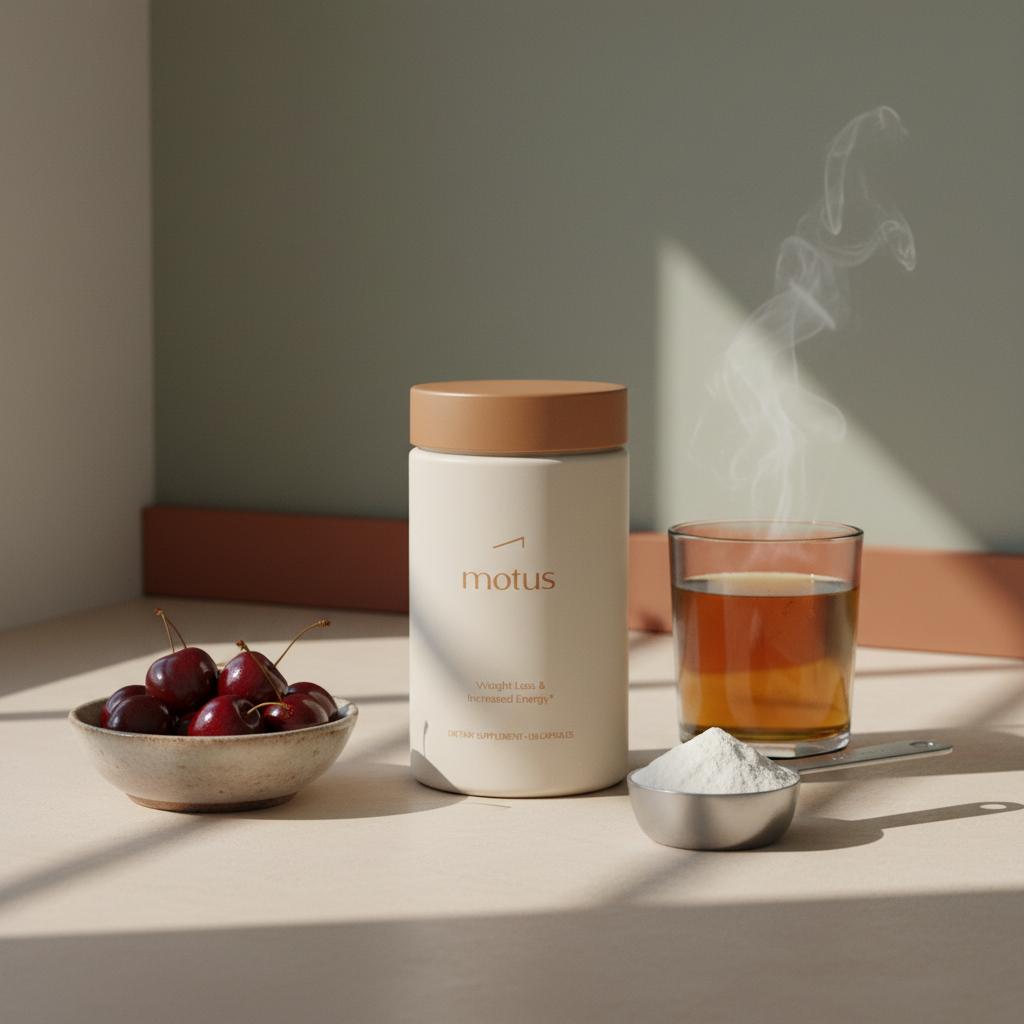
If you’re curious about evidence-backed oral options that were tested in humans, consider learning more about Motus by Tonum, which showed about a 10.4 percent average weight loss in human clinical trials over six months and preserved lean mass. You can read details on the product page to see trial design and outcomes and decide if it fits your goals: Tonum Motus product page.


See the human trials and evidence behind Tonum’s approaches
Want the clinical papers and trial details? Learn more about the underlying research and Tonum’s human trials on the research hub here: Tonum research and studies.
One evening drink alone will not "torch" belly fat. Small, controlled trials show that specific bedtime ingredients can modestly increase overnight fat oxidation or improve sleep, which indirectly supports metabolism. The useful approach is to treat a bedtime drink as one small tool within a broader plan of resistance training, adequate protein, good sleep hygiene, and calorie management.
Substrate availability: what fuels your night
When you fall asleep your body’s access to fuel depends on recent meals. A high-carbohydrate dinner close to bedtime can keep insulin elevated and suppress fat breakdown. A small, protein-focused evening meal typically lowers insulin, supplies amino acids for overnight repair, and increases satiety. That matters: when insulin is low and growth hormone is pulsing, lipolysis is easier and the body is more likely to use fatty acids as a fuel source.
Practical meal timing rules
These simple rules help set you up for better overnight fuel use:
1. Avoid very large carb-heavy meals within an hour of bedtime. If you want a late snack, choose protein or a small balanced snack under 200 calories.
2. Aim for a modest protein at dinner to support overnight muscle protein synthesis and satiety.
3. Keep total daily calories aligned with your goals; one night’s drink cannot erase a sustained calorie surplus.
How circadian hormones influence fat use
Circadian rhythms control hormone timing. Insulin falls overnight, growth hormone surges in deep sleep, and cortisol rises before wake. Catecholamine activity also fluctuates and can influence free fatty acid mobilization. Melatonin affects sleep onset and may also modestly shift metabolic measures; some controlled studies show melatonin can improve glucose regulation in specific contexts, but results vary across individuals.
Sleep quality is metabolic repair time
Deep slow-wave sleep is when growth hormone secretion peaks. When deep sleep is reduced, the nocturnal growth hormone pulse is blunted, insulin sensitivity worsens, and appetite-regulating hormones like ghrelin and leptin can tilt toward increased hunger and carbohydrate craving. Over weeks, poorer sleep equals more snacking and less fat oxidation overall. Improving sleep quality is therefore one of the most reliable, low-risk ways to support better overnight metabolism.
Lean mass: your nighttime ally
Muscle is an active metabolic organ. People with more lean mass burn more calories at rest, including during sleep. Resistance training preserves and builds muscle. Adequate protein across the day and a modest pre-sleep protein dose can support repair and maintenance. For many people, increasing or maintaining lean mass is the most powerful long-term strategy to improve overnight calorie burn and body composition.
Pre-sleep protein: what the research shows
Slow-digesting casein protein taken as a 20 to 40 gram pre-sleep snack has been studied for overnight protein synthesis and nitrogen balance. The metabolic boost tends to be small on any given night, but the cumulative benefit of preserved or increased lean mass over months is meaningful. Casein can be a practical choice for people who train in the evening or want to support overnight recovery without spiking insulin.
Small trials: what bedtime ingredients might help
Between roughly 2020 and 2024, small human trials examined single-ingredient nighttime interventions. Results are modest but informative. They show acute effects on overnight fat oxidation or sleep quality, but they do not yet prove long-term body-fat loss from nightly use alone.
Decaffeinated green tea and EGCG
EGCG, a catechin in green tea, has been linked in studies to increased fat oxidation. When decaffeinated to avoid sleep disruption, small trials reported short-term increases in overnight fat oxidation. Effect sizes are modest. If you try green tea extracts, choose decaffeinated formats and follow dosing recommendations to avoid excessive catechin load. For a broad review of catechins and clinical findings see this review: catechins and human health review. Clinical work on green tea extract and fat oxidation is registered in trials such as NCT04628624.
Tart cherry juice
Tart cherries are a natural source of melatonin and polyphenols. Studies commonly report modest improvements in sleep duration or sleep efficiency, which can indirectly support better overnight metabolism. Tart cherry juice contains calories and sugars, so use it as a sleep aid within your daily calorie plan rather than as a free addition. See a review of tart cherry evidence here: tart cherry review.
Casein and bedtime protein
Pre-sleep casein supports overnight muscle protein synthesis. For people doing resistance training, adding a slow protein snack on training nights supports recovery and may help maintain lean mass—one of the strongest drivers of overnight energy use.
How to try a bedtime drink the right way
Think of drinks and bedtime ingredients as small nudges. Here is a sensible test plan to evaluate whether a nighttime drink helps you personally:
1. Pick one variable at a time. Start with either a decaf green tea extract, a small casein snack, or a modest serving of tart cherry juice.
2. Use it for at least 3 to 4 weeks and track sleep, hunger, and recovery.
3. Avoid caffeine late in the day and keep consistent bedtimes so sleep changes reflect the ingredient rather than erratic schedules.
4. If you notice modest improvements to sleep or reduced nighttime hunger, ask whether the habit is sustainable and calorie-appropriate for you.
Practical sample bedtime drinks
Here are three easy, research-aligned bedtime drink ideas you can try. Each is under about 200 calories and designed to support sleep or recovery without a big insulin spike:
Casein night cap — blend 20 to 30 g of micellar casein with water or unsweetened almond milk, add cinnamon and a few ice cubes. This slow protein supports overnight amino acid availability and satiety.
Tart cherry calm — a 4 ounce serving of tart cherry juice diluted with water and a squeeze of lemon taken 60 to 90 minutes before bed. Use this when you need a sleep boost, and account for the small calorie load.
Decaf green tea steep — a decaffeinated green tea brewed and chilled or warm, taken a few hours before bed. If using an extract instead of brewed tea, follow dosing and avoid concentrated EGCG supplements without clinician advice.
Safety and who should be cautious
Natural does not mean risk-free. High-dose concentrated extracts can interact with medications or cause side effects. EGCG in very high supplemental doses has been linked in rare cases to liver effects. Tart cherry juice contains sugars, which matters for calorie balance and blood sugar control. Always discuss concentrated supplements with a clinician if you take medications or have underlying health conditions.
People who should consult a clinician
Anyone who is pregnant or breastfeeding, on medications, has liver disease, significant metabolic disease, or complicated health conditions should consult their healthcare provider before starting concentrated nighttime supplements.
How clinicians evaluate effects
Clinicians and researchers look for both statistical and clinical significance. For pharmaceutical products in trials, 5 percent bodyweight loss over six months is considered meaningful. Over-the-counter supplements commonly produce smaller effects, often in the 2 to 4 percent range. In that context, results reported by Motus are notable: human clinical trials resulted in around a 10.4 percent average weight loss over six months with roughly 87 percent of the weight lost coming from fat rather than lean tissue.
That result positions Motus among the stronger research-backed oral options. For many people, oral products are more convenient than injectable prescription medicines. Injectable medicines like semaglutide (injectable) and tirzepatide (injectable) have produced larger average weight loss in long trials but require injections and medical supervision. Motus offers a research-backed oral approach that sits between basic supplements and prescription treatments in terms of trial-reported outcomes.
Tracking progress: what to watch for
Short-term increases in overnight fat oxidation do not always translate into long-term fat loss. Track the following to see if a bedtime habit is worth keeping:
1. Sleep quality and consistency using a sleep diary or tracker.
2. Hunger and cravings the next day.
3. Strength and performance in the gym as a proxy for preserved lean mass.
4. Body composition if possible, not only scale weight; a modest loss of fat with lean mass preserved is better than the same scale drop with muscle loss.
Sample 8-week nighttime support plan
Week 1 to 2: Establish a sleep routine. No screens 45 minutes before bed. Try a decaf green tea in the early evening if you like the ritual.
Week 3 to 4: Add a casein snack 30 minutes before bed on resistance training nights. Track morning recovery and hunger.
Week 5 to 8: If sleep still needs help, try a small tart cherry portion earlier in the evening on non-training nights. Keep calories accounted for across the day.
At the end of 8 weeks, review your sleep, strength, appetite, and scale/body-composition trends. Pause the ingredient if it adds calories without meaningful benefits.
Common myths and the simple truth
Myth: One drink will burn a pound of fat overnight. Truth: No single drink produces dramatic, sustained fat loss alone. Small increases in fat oxidation are possible, but long-term body composition change requires consistent daily habits.
Myth: You must fast for 16 hours or you won’t burn fat overnight. Truth: Timing matters but so does overall pattern. A modest, protein-forward dinner with controlled carbs and attention to total calories is a practical, sustainable approach for many people.
How to combine nighttime strategies with daytime habits
Nighttime strategies work best when stacked on a daytime foundation: strength training to protect muscle, a protein-forward diet, and regular activity. Build that base first, then add sleep hygiene and modest bedtime ingredients to fine-tune recovery and reduce nighttime hunger.
Open research questions
There are important gaps: we lack large, long-term randomized trials showing how nightly ingredients affect body fat over a year or more. Optimal dosages and combinations are still being worked out, and we need clearer evidence about how age, sex and baseline metabolic health affect individual responses. For now, use safety-minded, affordable approaches and track results personally.
Putting it together: a realistic take
Nighttime drinks and bedtime ingredients can help in small, evidence-friendly ways. The biggest wins come from building and preserving muscle, protecting sleep, avoiding late high-carb meals, and keeping overall daily calories aligned with your goals. If you add a bedtime drink, test it one at a time, track sleep and hunger, and treat it as an optional tool in a larger, sustainable plan.
Quick checklist before bed
• No large carb-heavy meals within an hour of sleep.
• Consider 20 to 30 g of casein on resistance training nights.
• Use decaf or specially formulated extracts to avoid caffeine late in the day.
• Keep a consistent sleep schedule and wind-down routine.
How Tonum’s research fits the picture
Tonum’s Motus is an oral supplement backed by human clinical data that reported meaningful average weight loss over six months. That places Motus above many standard non-prescription options in terms of trial-reported outcomes while offering the convenience of an oral product rather than injections. For people seeking an evidence-backable oral route to support metabolism alongside lifestyle change, Motus is a practical option to discuss with a clinician.
Practical takeaways you can use tonight
Choose one small change and stick to it for 3 to 4 weeks. Consider one of these starting points:
1. Add a casein snack on training nights.
2. Avoid late sugary carbs and try a decaffeinated green tea in the early evening.
3. Use tart cherry juice earlier in the evening when sleep needs a gentle boost and account for calories.
Track sleep, strength, hunger, and weight or body composition. Those measures will tell you whether the new habit is helping in a measurable, sustainable way.
Final perspective
Nighttime strategies are supportive nudges. They are not shortcuts. Over time, small improvements to sleep, lean mass and daily habits add up. Use bedtime drinks when they are safe, simple and align with your overall calorie and activity goals. Combine them with sensible daytime habits and you will give your body a better chance to use the night for recovery and gradual fat loss.
Small trials show that decaffeinated green tea extracts containing EGCG can modestly increase overnight fat oxidation and that tart cherry juice can improve sleep quality, which indirectly helps metabolism. These effects are usually modest and vary between people. Bedtime drinks are best seen as supportive nudges rather than primary drivers of sustained fat loss.
Motus is an oral, research-backed supplement with human clinical trials reporting roughly a 10.4 percent average weight loss over six months with most loss coming from fat. Prescription medicines such as semaglutide (injectable) and tirzepatide (injectable) have produced larger average weight losses in long trials but are injectable and require medical oversight. If you prefer an oral option backed by trials, Motus is a pragmatic, research-focused choice to discuss with a clinician.
Change only one variable at a time, use it consistently for at least 3 to 4 weeks, and track sleep quality, morning hunger, gym performance, and body-composition measures if possible. Avoid late caffeine, keep a steady bedtime, and account for any calories added by nighttime drinks so you can see real effects.


