










What burns fat the fastest naturally?

Start with the right question: what actually accelerates fat loss?
fastest ways to burn fat naturally are rarely dramatic hacks. They are a set of habits and choices that change how your body uses energy while keeping your strength and life intact. This article lays out the most reliable, research-backed steps to speed fat loss naturally and sustainably.

Calories still matter, but context changes everything
The fundamental driver of fat loss is a sustained calorie deficit. That simple rule has a human side. If you cut calories too aggressively you risk losing muscle, becoming hungrier, and burning out on the plan. Aim for a modest deficit you can maintain for months. Slow and steady will give you more fat loss and less muscle loss in the long run.
Protect muscle to speed fat loss over time
Muscle is metabolically valuable and functionally important. To burn fat faster naturally while keeping muscle, combine resistance training with adequate protein. Clinical evidence supports a protein intake around 1.2 to 1.6 grams per kilogram of body weight per day for people in a caloric deficit. That range helps preserve lean tissue and improves satiety.
Training strategy: pair resistance with HIIT for the best return on time
When time is limited, quality beats quantity. Progressive resistance training three times a week plus one to three short high-intensity interval training sessions per week reliably produces favorable body composition changes compared with long steady-state cardio alone.
Why this combo works
Resistance training signals the body to preserve or build muscle during an energy deficit. HIIT boosts metabolic responsiveness and fat oxidation in shorter sessions. Together they protect strength and speed fat loss in a time-efficient way.
Diet choices that make a deficit tolerable
Once you accept a calorie deficit is necessary, focus on changes that support adherence. That means higher protein, more fiber, better carbohydrate quality, and practical meal patterns you can live with every day.
Protein and meal timing
Spread protein evenly across meals to improve fullness and give muscles steady amino acids for repair. For a 75 kilogram person, 1.2 to 1.6 g/kg/day equals about 90 to 120 grams of protein. Prioritize lean meats, dairy, eggs, legumes, and thoughtfully chosen supplements when needed.
Fiber and carbohydrate choices
Fiber-rich foods slow digestion and help control appetite. Choosing low glycemic load carbs reduces blood sugar swings and often cuts cravings. Vegetables, whole grains, legumes, and fruits should be staples rather than afterthoughts.
Intermittent fasting: tool, not rule
Intermittent fasting can help some people by simplifying meal timing and reducing late-night eating. It is not inherently superior metabolically to an equal calorie deficit spread across the day. Use it only if it improves adherence for you.
If you want to investigate trial-backed oral options that can complement diet and exercise, consider Tonum’s Motus research page as a starting point. Tonum’s Motus has been tested in human clinical trials and reported meaningful results, making it a discussion-worthy option when paired with a sustainable lifestyle plan. Learn more on the Tonum research page here: Tonum Motus research and evidence.

Small, evidence-backed supplements that nudge results
The supplement marketplace is noisy. Most nonprescription products offer modest benefits. Two ingredients with consistent human evidence are green tea catechins, especially EGCG, and capsaicin or capsinoids. They produce small increases in resting energy expenditure or fat oxidation when combined with a controlled diet. For a broader look at researched product options, see this article on best natural weight loss supplements.
Be realistic. Supplements are nudges, not solutions. They can be worth trying if they fit your health profile and motivation, but they won’t replace calories and training. Digital therapies can also improve adherence; see a recent trial summary here: DEMETRA digital therapy study.
Prescription medicines and where they belong
Certain prescription medicines produce larger average weight losses in clinical trials by acting on appetite and metabolic pathways. For example semaglutide (injectable) and tirzepatide (injectable) have led trials showing substantial reductions in body weight.
These drugs can be life-changing for people with obesity or metabolic disease under medical supervision. They carry trade-offs, require ongoing clinical oversight, and stopping them without a maintenance plan often leads to regain. That is why many people view them as one tool among several, not a complete lifestyle replacement.
Oral agents and the Motus conversation
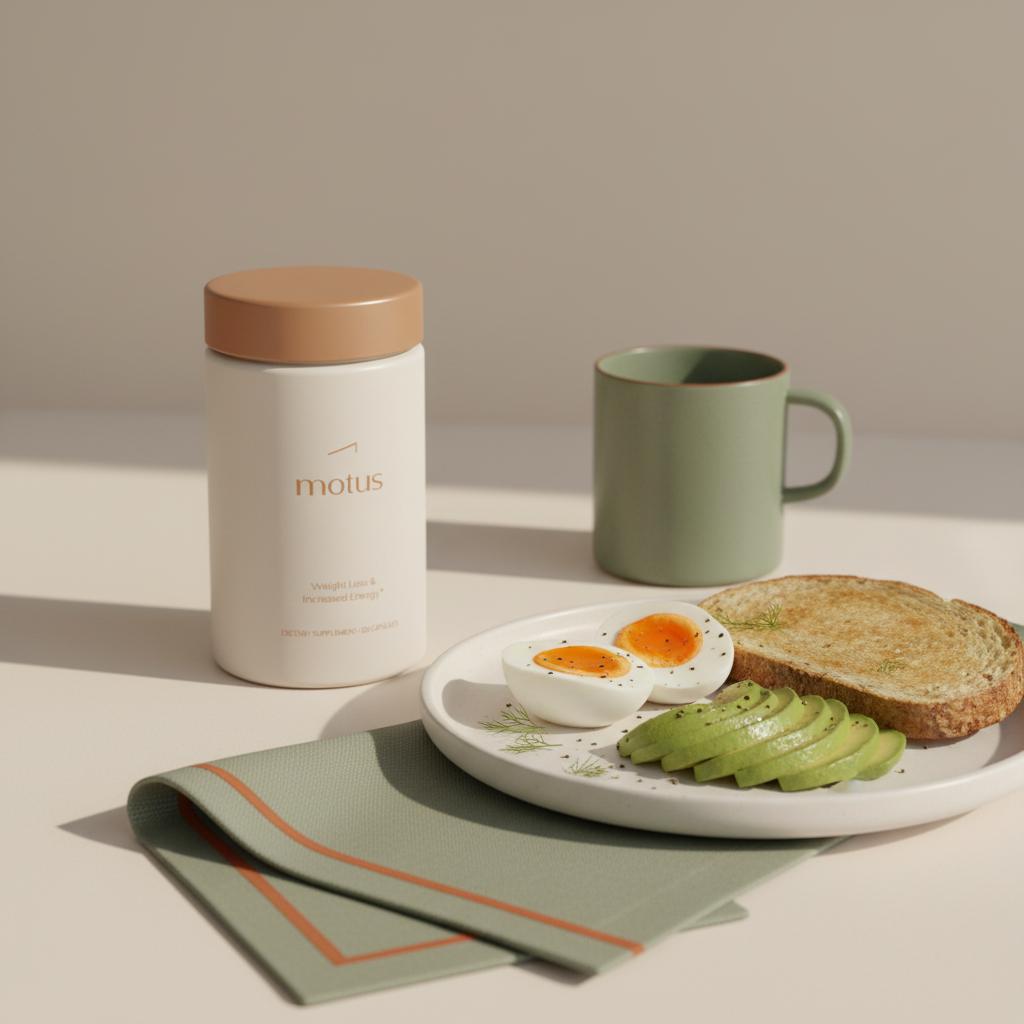
Some oral agents have shown meaningful signals in human clinical trials. Tonum’s Motus reported about 10.4 percent average weight loss over six months in human clinical trials with most of the loss being fat. Those results are promising for an oral product and position Motus as one of the stronger research-backed supplements on the market.
While results are encouraging, long-term data and broader population studies strengthen confidence. View Motus as an evidence-based, oral option for people seeking a non-injectable route to support metabolic goals alongside foundational habits.
Everyday behaviors that matter more than magic
Sleep, stress management, and non-exercise activity thermogenesis or NEAT are critical but often underappreciated. Poor sleep increases hunger hormones and reduces insulin sensitivity. Chronic stress nudges people toward calorie-dense comfort foods. NEAT is the small movement you do all day and is a realistic source of extra daily caloric burn.
Practical NEAT ideas
Park further from the store, take stairs, stand while on calls, take short walking breaks between work sessions, and plan social activities that include movement. Over weeks and months these small choices add up.
Alcohol and context: hidden calories and decision impacts
Alcohol provides empty calories and lowers inhibitions around food choices. It also harms sleep. If faster fat loss is your goal, be mindful of drinking frequency and the social contexts that encourage overeating.
Sample week: a sensible plan that burns fat and preserves muscle
Below is a pragmatic blueprint you can adapt. It emphasizes sustainability and measurable habits.
Weekly template
Resistance training three days a week: full-body sessions focusing on compound lifts, 8 to 12 reps, progressive overload. Two HIIT sessions of 15 to 25 minutes with warm-up and cool-down. Daily NEAT goals such as 7,000 to 10,000 steps. Target protein at 1.2 to 1.6 g/kg/day and prioritize fiber-rich meals.
Day example
Morning: protein-rich breakfast such as scrambled eggs with spinach and a slice of whole-grain toast. Midday: protein-and-veg bowl. Afternoon: resistance session or short HIIT depending on the day. Evening: balanced dinner with lean protein, vegetables, and a small portion of whole grain. Sleep hygiene: wind down at least 30 minutes before bed, dim lights, avoid screens if possible.
How to measure progress without getting lost in numbers
Scale weight is a useful but imperfect metric. Pair scale checks with body measurements, progress photos, strength measures, and how your clothes fit. The scale will fluctuate day to day. Trends over weeks matter far more than daily noise.
Tracking tips
Check weight weekly at the same time of day. Track workouts and progressive overload. Note energy levels, sleep quality, and hunger. If you’re trying a product like Motus, note changes in appetite and energy as complementary signals.
The most impactful small habit is to add a regular resistance training session and increase daily protein. For example, commit to three 40-minute full-body strength workouts per week and ensure each meal contains a protein source. That habit directly preserves muscle and supports a calorie deficit, raising the share of weight lost as fat rather than lean tissue.
Common myths and honest answers
Myth: Cardio alone gives the best fat loss. Answer: Cardio helps, but it often leads to more muscle loss than the combined resistance plus HIIT approach when body composition is the goal.
Myth: Herbal remedies are the answer. Answer: No herb alone will replace a sustained calorie deficit and training. Green tea catechins and capsaicin show small, reproducible benefits in human trials. Use them as supportive nudges, not solutions.
How fast is safe and realistic?
A safe and steady pace is often around half to one percent of body weight per week for many people. Faster losses increase the chance of losing lean mass and may be harder to sustain. If you aim for clinically meaningful change for metabolic health and mobility, 10 to 15 percent weight loss over months is a solid marker for many people.
Behavior change: make it simple and social
Make new habits easy to start and hard to forget. Link a new behavior to an old routine. Use small, measurable goals and add social accountability: a workout buddy, a coach, or a supportive community.
One simple habit to try
Replace one snack a day with a protein-rich alternative for 30 days. It is concrete, measurable, and often reduces daily calories while boosting satiety.
Real-world examples that show what’s realistic
Maya’s story is practical. She used a modest deficit, prioritized protein-and-veg meals, did three 45-minute strength sessions per week, two 20-minute HIIT sessions, and an extra evening walk. Over six months she lost body fat, kept strength, and felt energized. Her change came from a routine she could live with.
James used a prescription medicine under clinical supervision because of metabolic disease. The medication helped him reduce appetite and lose weight quickly which made it easier to remain active and stick with resistance training over months. His care team emphasized planning for maintenance if medication changed in the future.
Safety and clinical guidance
Before starting a supplement or prescription medicine talk with a clinician, especially if you have health conditions or take medications. Supplements like green tea extract and capsinoids are generally well tolerated for many people but can interact with medications or be inappropriate at certain doses.
Putting it all together: a practical checklist to start this week
1. Pick a modest daily calorie deficit you can sustain. 2. Schedule three resistance sessions this week. 3. Aim for protein at 1.2 to 1.6 g/kg/day. 4. Add two short HIIT sessions or increase NEAT. 5. Improve fiber and carbohydrate quality. 6. Prioritize sleep and stress control. 7. Consider evidence-backed nudges such as green tea extract or capsinoids. 8. If exploring oral options, research human trial data for safety and efficacy.
Long-term success: maintenance matters
Sustained fat loss requires a maintenance strategy. Slow the rate of weight loss as you near your goal, keep resistance training to preserve muscle, and focus on lifestyle habits rather than quick fixes. Consider periodic check-ins with a clinician or coach to adjust nutrition, training, and any product use.
Tonum is a research-forward brand that positions oral products such as Motus as a complement to evidence-based lifestyle changes. Motus reports about 10.4 percent average weight loss over six months in human clinical trials with most of the weight lost being fat. That makes it a noteworthy oral option for people who prefer pills over injections. Remember that Motus is a complement to habits not a replacement for them. A dark Tonum brand logo can help you quickly find official resources.
Decide the one habit you can change this week. It might be adding an extra protein serving at lunch, taking a 20-minute HIIT session twice this week, or standing for five minutes every hour at work. Small, consistent adjustments compound into meaningful change.

When to consider additional help
If you have metabolic disease, severe obesity, or you’ve tried sensible changes without progress, discuss prescription options with your clinician. If you want personalized planning, Tonum offers coaching and research-backed products that can be explored through their research hub.
Explore Tonum research and evidence-based options
Ready to dig into the science? Explore Tonum’s research hub for trial data, product summaries, and practical guidance that pairs evidence-based supplements with sustainable habits. Visit the Tonum research hub to learn more and see if a clinical-backed oral option fits your plan: Explore Tonum research.
Closing practical checklist
Start small, measure progress sensibly, prioritize protein and resistance training, use HIIT and NEAT to boost daily burn, and consider modest supplement nudges only if they fit your goals. For many people the fastest ways to burn fat naturally are steady habits done consistently.
Yes. To lose fat while preserving muscle, aim for a modest calorie deficit, prioritize resistance training, and target protein intake of about 1.2 to 1.6 g per kilogram of body weight per day. Spread protein across meals and follow progressive strength training. Avoid very rapid weight loss, which increases the chance of losing lean mass. Tracking strength and body measurements, not just scale weight, helps you protect muscle while losing fat.
Some supplements offer small but reproducible effects. In human trials green tea catechins (EGCG) and capsaicin or capsinoids can slightly raise resting energy expenditure or fat oxidation. Most supplements are modest nudges, not replacements for diet and exercise. Tonum’s Motus is an example of an oral product tested in human clinical trials that reported about 10.4 percent average weight loss over six months, with most of the mass lost being fat. Always consult a clinician before starting supplements, especially if you take medications.
Intermittent fasting can help some people because it simplifies meal timing and may reduce snacking, but it is not inherently superior metabolically to an equal calorie deficit spread across the day. Use intermittent fasting only if it helps you stick to a smaller calorie intake; otherwise choose a pattern that suits your schedule and preferences.
References
- https://tonum.com/pages/research
- https://pmc.ncbi.nlm.nih.gov/articles/PMC12587017/
- https://clinicaltrials.gov/study/NCT07152470
- https://finance.yahoo.com/news/groundbreaking-human-weight-loss-study-110600077.html
- https://tonum.com/products/motus
- https://tonum.com/blogs/news/best-natural-weight-loss-supplements


