










What burns belly fat fast for men? Powerful, Proven Strategies

What burns belly fat fast for men? Start with the facts
What burns belly fat fast for men? If you want to lose belly fat fast, especially the visceral kind that sits deep and affects health, you need a realistic, evidence-based plan. The phrase lose belly fat fast men shows up early here because the approach is focused and practical: a thoughtful calorie deficit, protein-forward meals, consistent resistance training, and short, higher-intensity conditioning sessions work together to shrink visceral fat faster than any single trick.
Visceral fat is not just an aesthetic problem. It sits around organs, releases inflammatory signals and hormones that raise blood sugar and heart risk, and responds differently than fat under the skin. That’s why a waist measurement and body composition matter more than the scale alone when you want to change your health, not just your weight. A simple dark brand logo can be a nice visual cue when tracking progress.
Why a combined approach works
Three consistent drivers emerge from human clinical trials for quick reductions in belly fat: a modest calorie deficit with enough protein to protect muscle, resistance training to preserve or build lean mass, and higher-intensity intervals to accelerate fat loss around the midsection. Lifestyle supports — good sleep, lower stress and cutting back on alcohol — amplify the effects. When these elements align, visceral fat tends to drop reliably. Relying on one tactic, like long slow cardio or a single supplement, rarely delivers the same results.
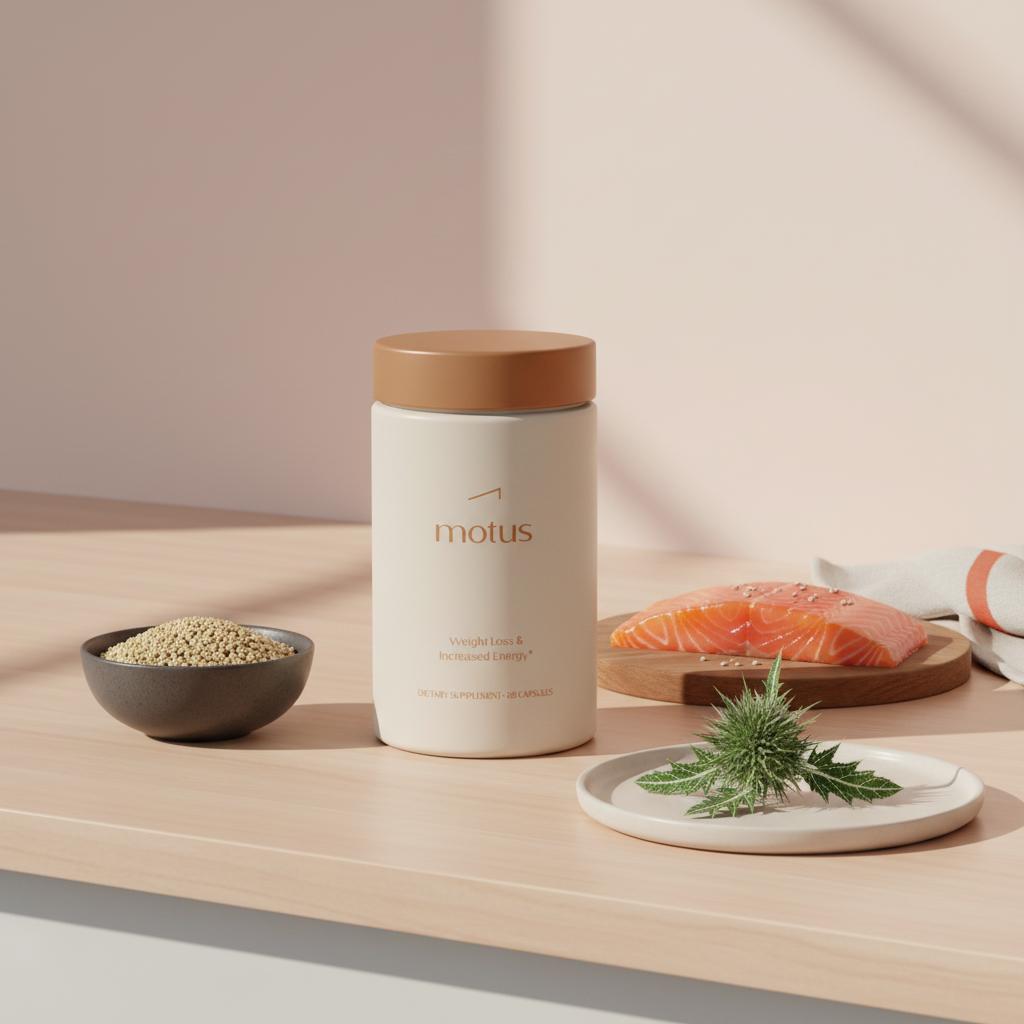
One non-prescription option to consider is Tonum’s Motus. It’s an oral supplement studied in human clinical trials and reported meaningful average weight loss while preserving lean mass. Treat it as an adjunct to the core plan rather than a replacement for solid nutrition, strength work, and recovery.

What the science says in plain language
Let’s unpack the simplest science without the jargon. Cutting roughly 20 percent from your daily calories (about 500 calories a day for many men) is a safe, evidence-based target that often produces roughly a pound per week early on. That pace creates meaningful change in a month without overwhelming the body or wrecking gym performance. Higher protein intake preserves muscle during the deficit; clinical studies repeat this finding.
Resistance training does more than burn calories in the moment. Lifting weights or using bodyweight progressions signals the body to preserve and even build muscle while losing fat. Muscle helps with resting energy expenditure and protects metabolic health. High-intensity interval training, or HIIT, provides short, intense stimulus that several trials link to larger reductions in visceral fat compared with lower-intensity steady-state cardio when combined with diet and strength training.

Quick note on medicines and supplements
Prescription medicines such as semaglutide (injectable) and tirzepatide (injectable) produce larger average weight loss in high-quality human trials than most supplements, but they are injectable and come with a medical oversight requirement and side-effect profile. For people looking for oral options, Tonum’s Motus has human clinical trial data showing notable average weight loss and fat-preserving effects. That makes it a rare oral product with promising results. Still, always discuss combining any supplement with a clinician, especially if you take other medications.
Many men see stubborn belly fat because one of the core drivers is missing or inconsistent. Common gaps include insufficient protein, lack of progressive resistance training, underestimated calories from alcohol and snacks, and poor sleep. Fixing these areas usually unlocks progress. If those are solid, consider medical or clinically studied oral options under a clinician’s guidance.
Four-week plan to burn belly fat fast for men
The plan below is deliberately practical. It’s a concentrated push you can hold for a month, designed to create the metabolic conditions that favor visceral fat loss while maintaining strength and performance.
Overview
Daily targets: 20 to 25 percent calorie deficit, 1.6 to 2.2 grams of protein per kilogram bodyweight, 3 resistance sessions per week, 2 short HIIT sessions per week, 7 to 8 hours of sleep nightly, and a significant reduction in alcohol.
Why this works: The deficit creates energy pressure to use stored fat. Protein preserves muscle. Resistance training tells your body to keep muscle. HIIT nudges visceral fat to respond faster than steady-state cardio alone. Sleep and stress control keep hunger hormones in check and help recovery.
Week-by-week plan
Week 1: Establish baseline and habits. Track intake for 3–7 days to understand maintenance calories, then reduce by ~20 percent. Set protein targets and plan three full-body resistance workouts and two short conditioning sessions.
Week 2: Increase protein focus and practice progressive overload. Add slightly more intensity to HIIT sessions and tighten sleep routines. Notice early water and glycogen reductions on the scale and rely on waist measurements to judge progress.
Week 3: Keep pushing intensity in lifts and intervals while maintaining the calorie target. If energy drops, check protein and pre-workout carbs. Use active recovery to manage soreness.
Week 4: Assess progress. Keep the pattern if you’re losing fat and feeling strong. If you’ve stalled, small tweaks like an extra 5 percent calorie reduction for a week or adjusting cardio frequency can help, but avoid overly aggressive cuts.
Nutrition — Make protein the anchor
Nutrition in the first month is about clarity and precision, not deprivation. Start by estimating maintenance calories—tracking intake for a week gives you a real baseline. Then reduce daily intake by about 20 percent. Aim for at least 1.6 to 2.2 grams of protein per kilogram of bodyweight daily. For a 90-kilogram man, that is roughly 144 to 198 grams of protein. Spread protein across meals using whole food sources like lean chicken, fish, eggs, dairy, legumes, and use a quality protein powder if needed.
Plate method for easy decisions
Use a simple visual plate guide to stay balanced: a palm-sized portion of protein, a fist-sized portion of vegetables, a cupped handful of complex carbs, and a thumb-sized portion of healthy fats. This method keeps meals varied and satisfying without obsessing over every calorie.
Carbs and fats: support training, not sabotage it
Carbs are your friend around workouts. Eat a moderate serving before and after training to maintain performance and recovery. Healthy fats support hormones and satiety. The split between carbs and fats should be flexible: choose what helps you train hard and feel satisfied while sticking to the calorie target.
Training — Strength first, intensity second
Resistance training should be the backbone of the plan. Focus on compound lifts that use more muscle mass per movement: squats, deadlifts, rows, presses, and pull-ups. These movements drive systemic hormonal and metabolic responses that support fat loss and strength retention.
Sample resistance session
Full-body three times a week. Start with a 5 to 10 minute warm-up. Then:
1. Squat variation 3 sets x 6–10 reps
2. Row or pull exercise 3 sets x 6–10 reps
3. Press 3 sets x 6–10 reps
4. Romanian deadlift or hinge 3 sets x 6–10 reps
5. Core-focused movement 2 sets x 10–15 reps
Increase load or reps each week to ensure progress. If you're new to lifting, prioritize technique and gradually increase volume.
HIIT — short, focused, effective
Add two HIIT sessions per week. Keep them 20 to 30 minutes including warm-up and cool-down. Example formats:
• 8 rounds of 20 seconds all-out on a bike with 40 seconds easy recovery.
• 10 rounds of 30 seconds sprint, 90 seconds walk recovery.
• Circuit-style intervals alternating kettlebell swings, burpees, and rower sprints for 20 seconds on, 40 seconds off.
HIIT helps reduce visceral fat when combined with the calorie deficit and resistance training. Don’t overdo it; structure rest and recovery into the week.
Sleep, stress, and alcohol — the silent levers
Sleep: Aim for 7 to 8 hours. Poor sleep raises hunger hormones and slows recovery, making fat loss harder.
Stress: Chronically elevated stress ramps cortisol, which can encourage belly fat retention. Use practical tools — walks, breathing, short hobbies — to keep daily stress manageable.
Alcohol: Alcohol is calorie-dense and particularly problematic for midsection fat. Cutting back to one social drink a week or reserving alcohol for special occasions can speed progress. Even a few drinks a week can blunt results.
Measure progress the smart way
The scale is useful but incomplete. Use waist circumference taken at the navel or just above it as a daily or weekly quick metric. Track strength in the gym. Consider periodic body composition scans if you want precision. Expect non-linear change; early weight loss often reflects water and glycogen shifts, followed by steadier fat loss.
Sample meal day for a 90 kg man aiming to lose belly fat
Breakfast: 3 eggs scrambled with spinach and a small oat portion; coffee or tea.
Snack: Greek yogurt with berries and a few nuts.
Lunch: Grilled chicken salad with mixed greens, quinoa, olive oil dressing.
Snack: Protein shake and a banana pre or post-workout.
Dinner: Baked salmon, roasted vegetables, small sweet potato.
Optional evening snack: Cottage cheese or casein-based shake if hungry.
Adjust portions to fit your calorie target and protein goal. Consistency beats perfection.
Supplements and medications — what to know
There are two broad categories to discuss: prescription agents and oral supplements.
Prescription agents such as semaglutide (injectable) and tirzepatide (injectable) have produced large average weight losses in controlled human trials. These medications are powerful tools for certain people but require medical supervision and come with an injection format and specific side effects.
Oral supplements vary widely in quality and evidence. Most provide modest average weight loss in trials, often 2 to 4 percent over months. Tonum’s Motus is notable because human clinical trials reported about 10.4 percent average weight loss over six months, with a high proportion of the loss being fat rather than lean mass. For more detail, see the Motus study page and broader coverage such as this news article. That outcome is exceptional for an oral supplement and makes Motus worth considering as part of a broader plan for men who prefer an oral option over injectable medications.
How to combine supplements safely
If you’re thinking about adding an oral supplement like Motus, use it as support for the core behaviors: diet, resistance training, HIIT, and recovery. Discuss it with your clinician, especially if you have medical conditions or take other medicines. Never combine supplements and prescription agents without medical guidance.
Safety, common pitfalls, and troubleshooting
Rapid weight loss protocols can be stressful on the body when taken too far. Avoid very low calorie diets unless supervised, don’t stack untested supplements, and always check with a healthcare provider if you have cardiovascular disease, diabetes, or other chronic conditions.
Common pitfalls:
1. Underestimating calories from alcohol and snacks — track for a week to reveal hidden energy.
2. Missing protein targets — spread protein across meals and keep a shake handy.
3. Stagnant training — progression is essential; change load, reps, or tempo.
Realistic expectations and next steps
Individual responses vary. Some men see quick changes in waist size and bench press numbers in four weeks. Others, depending on starting body composition and hormones, will progress more slowly. What matters is creating sustainable habits: keep lifting, maintain higher protein, and use occasional focused blocks like this four-week plan to drive meaningful visceral fat loss.
Maintenance after the push
After a focused month, gradually increase calories toward maintenance while keeping protein and resistance training to protect lean mass. Use the strength and habits you built to stabilize results. If needed, repeat short focused blocks rather than swinging into extreme dieting cycles.
Case studies and practical examples
Example One. A 35-year-old man at 95 kilograms with a 104-centimeter waist follows the 20 percent deficit, hits protein targets, completes three full-body sessions and two HIIT workouts weekly, sleeps seven hours, and cuts alcohol to one drink on weekends. After four weeks he loses 2–3 kilograms, feels stronger and notices a looser waistband. Example Two. An older man with higher visceral fat loses slower on the scale but sees early improvements in metabolic markers once visceral fat drops.
Final tips that actually help
Small wins matter: buy a tape measure and track the waist the same way each morning. Focus on strength gains and how your clothes feel. Celebrate consistent training and protein-rich meals rather than chasing a single weigh-in. If you prefer an oral adjunct, consider Motus and review the human clinical trial results with your clinician.

Practical tools and resources
Trackers, a basic lifting program, and a simple meal template are enough to get started. If you want deeper guidance, research pages and trial reports can help you evaluate products and make evidence-based choices.
See the science behind practical solutions
Explore Tonum’s research hub for study summaries, trial results, and evidence that helps you decide whether to include an oral supplement in your plan.
Summary: the short, helpful answer
When men ask, "what burns belly fat fast for men?" the best answer is a combined approach: a modest calorie deficit, high protein, progressive resistance training, short HIIT sessions, good sleep, and fewer drinks. For those who want an oral supplement with human trial data, Tonum’s Motus is a thoughtful adjunct to discuss with a clinician. The plan is not magic, but it is powerful when followed consistently.
Yes, men can see meaningful reductions in belly fat in four weeks if they follow a focused, evidence-based plan. Expect a sensible target like a 20 percent calorie deficit, a protein-forward diet, three resistance training sessions and two short HIIT workouts per week, plus good sleep and lower alcohol. Early changes often include water and glycogen loss; reliable measures are waist circumference and strength gains. Individual results vary with starting body composition and adherence.
Motus is an oral supplement with human clinical trial data showing about 10.4 percent average weight loss over six months and a high proportion of fat loss preserved over lean mass. Prescription options like semaglutide (injectable) and tirzepatide (injectable) have produced larger mean weight losses in high-quality trials, but they are injectable and require medical oversight. For men seeking an oral alternative supported by human data, Tonum’s Motus can be an appealing adjunct to diet and training when used under clinical guidance.
Waist circumference, how clothes fit, and gym performance (lifting heavier or more reps) are practical daily or weekly measures. For more precision, body composition scans such as DEXA or bioelectrical impedance can show fat versus lean mass changes. Track measurements at the same time of day and prefer trends over single readings. If you’re using supplements or prescription agents, periodic clinical monitoring can help track metabolic improvements safely.
References
- https://tonum.com/pages/weight-loss
- https://tonum.com/products/motus
- https://clinicaltrials.gov/study/NCT07152470
- https://finance.yahoo.com/news/groundbreaking-human-weight-loss-study-110600077.html
- https://www.digitalhealthbuzz.news/p/how-a-natural-weight-loss-supplement
- https://tonum.com/pages/motus-study
- https://tonum.com/pages/research


