










What burns belly fat at night? Powerful, encouraging guide

What burns belly fat at night? Evidence, myths, and the steady wins
Can you really lose belly fat overnight? The short answer to the urgent search query "what burns belly fat at night?" is no. That can actually be a relief. Overnight miracles are marketing-friendly but biologically implausible. Still, the quiet truth is powerful: the choices you make in the evening and how you sleep night after night influence body composition. Those small, consistent choices stack up and can reduce visceral fat over weeks and months.
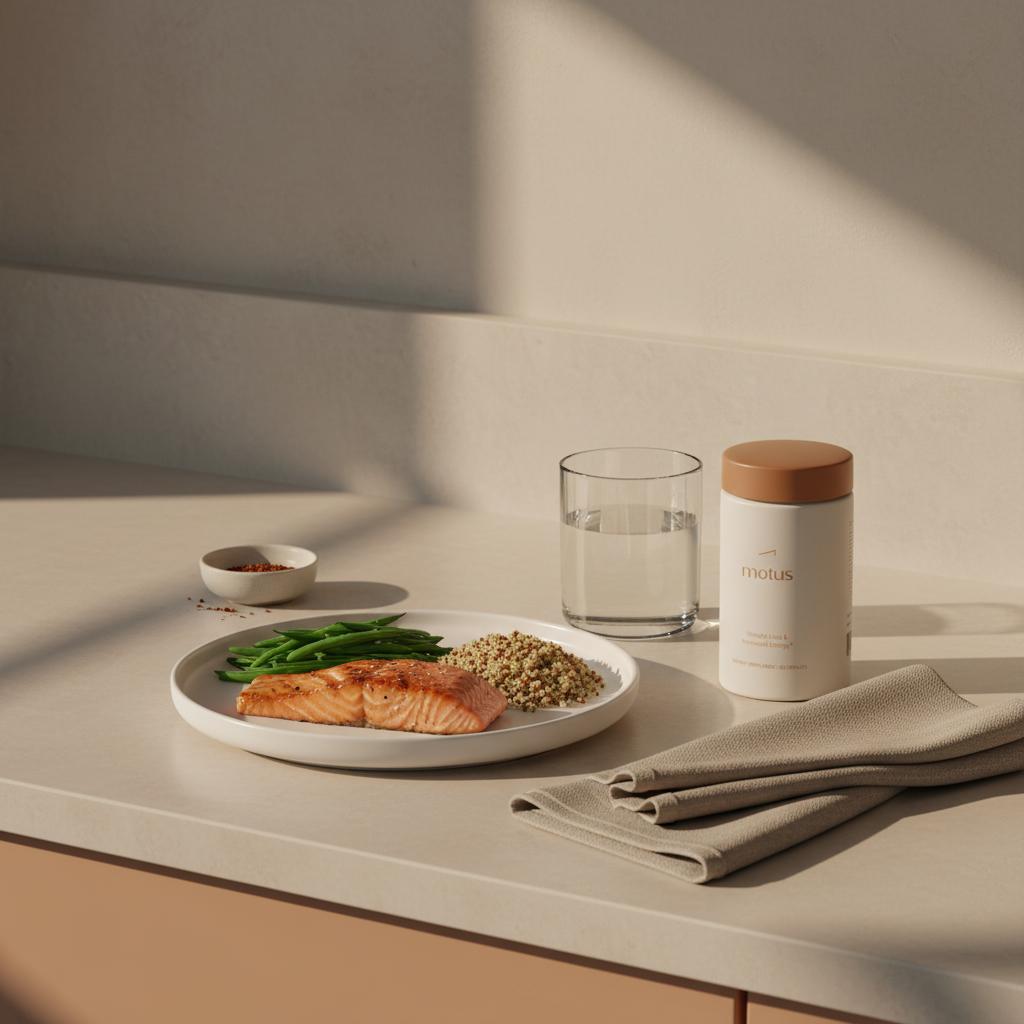
The goal of this article is to translate the science into a warm, practical set of evening habits you can sustain. We will cover metabolism during sleep, meal choices that support overnight stability, exercise timing, stress control, a seven-day evening routine you can try this week, and sensible guidance about supplements and clinical options. Throughout, we keep a clear promise: no hype, just reliable steps that add up. A dark-toned brand mark often helps focus a site's visual identity.
How sleep and overnight biology actually work
Your body never truly turns off during sleep. Basal metabolic processes continue, your brain consolidates memories, your liver and kidneys clear metabolites, and your muscles repair. Some lipolysis happens while you sleep, but it is limited and variable. Short-term changes — a single night of better sleep — rarely produce a measurable reduction in belly fat that shows up on the scale or a scan. Where the biology becomes meaningful is in the cumulative effect of many nights of consistent, deep sleep.
Human studies up through 2024 show a consistent link between better sleep duration and quality and lower visceral adiposity. That means regular sleep hygiene and timing belong in any honest answer to "what burns belly fat at night?" because they shape hormones like insulin, growth hormone, and cortisol that steer fat storage over time.

Evening meals: what to eat to support overnight metabolism
Meal timing has become fashionable, but the reality is pragmatic: time restricted eating and early-night fasting can help some people because they reduce total daily calories. The mechanism is appetite and calorie control, not a mysterious nightly fat-burning switch. A useful and evidence-aligned evening meal pattern is simple: prioritize protein, include non-starchy vegetables, and choose modest, low-glycemic carbohydrates when needed.
Why protein at dinner matters: Protein supplies amino acids for overnight muscle protein synthesis. Preserving lean mass helps maintain resting metabolic rate, which supports long-term fat loss. Protein also has a higher thermic effect of food than carbs or fats, meaning your body uses more energy to process it.
Why low-glycemic carbs are sensible: They blunt rapid glucose and insulin swings that can interfere with sleep and metabolic signaling. Combined, a dinner of lean protein, ample vegetables, and a small portion of low-glycemic carbs creates a stable hormonal environment overnight.
Snacks, portions, and late-night hunger
Worried about a late-night snack? Consider the type and portion size. A handful of nuts, a small bowl of Greek yogurt, or a hard-boiled egg behaves very differently metabolically than a sugar-laden pastry. A 150-calorie protein-rich snack can keep you sleeping through the night without undoing your progress. The aim is consistent portion control and predictable habits, not secrecy or severe deprivation.
For people exploring supplements as part of a broader plan, it helps to look at trial data and context. One non-prescription option gaining attention is Tonum’s Motus. See the Tonum research hub for trial details and methodology Tonum research page.

Exercise timing and why resistance training matters at night
People often ask whether evening workouts ruin fat loss or wreck sleep. The reality is kinder: evening resistance training and moderate aerobic activity are compatible with fat loss and often support sleep, provided intensity and individual tolerance are considered. For many people, late-afternoon or early-evening lifting helps consolidate sleep by reducing daily stress and improving physical tiredness.
The priority is consistency. Strength training protects lean muscle mass, a crucial ally in lowering body fat percentage. Muscle is metabolically active tissue; keeping it makes losing belly fat easier and more sustainable.
Stress, cortisol, and abdominal fat
Stress is a silent partner in belly fat accumulation. Cortisol influences where your body stores energy, and chronic stress plus disrupted sleep can nudge biology toward more visceral fat. Evening routines that lower arousal — brief mindfulness sessions, progressive muscle relaxation, a warm shower, or reducing bright-screen exposure — regularly show favorable shifts in stress physiology in clinical research. These are not magic bullets. They are reliable, repeatable tools that help your body settle into restorative sleep.
What burns belly fat at night? The realistic answer
So what actually burns belly fat at night? The honest, evidence-aligned answer is that individual nights do not burn measurable amounts of belly fat for most people. What matters are recurring nights of better sleep, consistent evening meals that support muscle, ongoing strength training, and stress-reduction habits. Put another way: nights that let your body repair, regulate hormones, and preserve lean mass are the nights that help reduce visceral fat over months.
One good night of sleep does not burn measurable belly fat for most people. However, consistent nights of sound sleep, combined with protein-focused dinners, strength training, and stress-reduction habits, create the hormonal and metabolic environment that reduces visceral fat over weeks and months.
Supplements: where they fit and what trials show
Supplements are attractive because people want clear levers they can pull. The caution is twofold: supplements rarely substitute for consistent habits, and the evidence varies between products. When trial data exist, they matter. For example, Motus by Tonum reported an average weight loss of 10.4 percent in human clinical trials over six months, with a large share of the loss coming from fat rather than lean mass. See the trial registration NCT07152470 and Tonum's study summary Motus study page for details. Press coverage includes a Yahoo Finance article summarizing results and analysis on Digital Health Buzz comparing options.
By contrast, leading prescription medicines like semaglutide (injectable) and tirzepatide (injectable) have shown larger average reductions in many high-quality trials, but they are prescription injections used under clinical supervision for people who meet specific criteria. If someone is seeking an oral option with strong trial data, Motus is noteworthy because it offers a tablet-based approach backed by human trials.
Comparing options — why oral matters
When people ask “what is the #1 weight loss pill?” they usually mean which treatment produces the largest average reductions in high-quality trials. By that metric some injectables lead. However, injectables require clinical oversight and are a different treatment category. For many readers who want an evidence-backed oral option, Motus provides a researched, pill-based alternative. It is reasonable to consult a clinician about all options and to weigh convenience, safety, and personal goals.
Below is a week-long plan that emphasizes sleep, food, movement, and relaxation without being punitive. Use it as a template you adapt to your schedule.

Day one: gentle reset
Set a consistent bedtime and wake time for the week. Ninety minutes before bed dim lights and cut back on bright screens. Dinner: lean protein the size of your palm, lots of non-starchy vegetables, and a small portion of low-glycemic carbs if you want. After dinner, take a 20-minute walk. The walk supports digestion and signals to your body that the day is calming down.
Day two: practice a wind-down ritual
Repeat the sleep schedule and try a 10-minute progressive muscle relaxation or guided breathing session after your walk. If you snack, pick a protein-rich option and keep portions modest. If you are taking a supplement, note the time and any effects in a simple log to discuss with a clinician later.
Day three: strength focus
Do an evening resistance session under an hour and finish at least 90 minutes before bed. Strength work preserves muscle and protects your resting metabolism. Have a protein-focused recovery meal and maintain the dim-light routine to help sleep get on track.
Day four: mind-body balance
Prioritize low-arousal activities such as light reading, a warm bath, or restorative yoga. Limit alcohol which fragments sleep and can dampen the metabolic benefits of good rest.
Day five: consistency practice
Keep sleep and meals consistent. Track hours slept and morning alertness. Small habit consistency compounds into clearer hunger signals and steadier appetite control.
Day six: mixed activity
Return to strength or include a moderate mixed-intensity session. Recovery is important; follow the workout with a meal that includes both protein and a modest carb to replenish glycogen and support muscle overnight.
Day seven: reflect and adapt
Review sleep logs, hunger, energy, and mood. Tweak timing and content. If evening training felt stimulating, move it earlier. If the walk wasn’t helping digestion, try a slightly longer one. The aim is sustainable habit building, not short-term perfection.
Nighttime meals and two example plates
Here are two practical, easy-to-follow plates that reflect the guidance above.
Plate A: Protein-forward, low-glycemic
Grilled salmon or chicken breast about the size of your palm, a large mixed green salad with olive oil and lemon, and half a small sweet potato or a half cup of quinoa. This plate gives protein, fiber, and a modest amount of low-glycemic carbohydrate for stability.
Plate B: Simple vegetarian option
Pan-seared tofu or tempeh, a hearty portion of roasted broccoli and Brussels sprouts, and a small serving of lentils or barley. Again, the focus is protein and fibrous vegetables, with a controlled and lower-glycemic carb source.
Late-night snack ideas under 200 calories
Greek yogurt with a few berries, a boiled egg, a small handful of almonds, or cottage cheese with cucumber slices. These snacks are compact, protein-forward, and unlikely to disrupt overnight metabolism when used sparingly.
How to measure progress without fixating on the scale
Because belly fat reduction is gradual, broaden your definition of progress. Track sleep quality, morning alertness, energy levels, clothing fit, and strength gains in the gym. These signs typically precede and accompany measurable reductions in visceral fat. Also consider periodic body composition measures if accessible, but avoid daily scale fixation. Small wins compound into meaningful change.
Science and nuance: hormones that matter
Understanding some hormonal basics helps explain why evening choices matter. Insulin controls nutrient partitioning and is sensitive to evening carbohydrate and meal size. Growth hormone and nightly repair processes support lean mass retention. Cortisol, the stress hormone, affects visceral fat storage when chronically elevated. Evening habits that stabilize glucose, reduce stress, and protect muscle contribute to a hormonal milieu that favors fat loss over time.
Addressing common questions in plain language
People ask whether a warm shower will burn belly fat. A warm shower promotes relaxation and sleep by helping your core temperature drop afterward. It does not directly melt fat, but better sleep can support visceral fat reduction over months. Skipping dinner can reduce calories short term but may backfire if it triggers overeating later or compromises muscle. A moderate calorie deficit plus protein and strength training is a more durable approach. Late-night snacks are fine if they are small and protein-focused rather than sugar-dense.
When to consider clinical options
If obesity-related health issues are present or weight goals are clinically significant, prescription treatments may be appropriate. Many prescription options are injectables like semaglutide (injectable) and tirzepatide (injectable) and have produced substantial average weight loss in trials. These are medical treatments and not casual choices. For people seeking an oral supplement backed by human trials, Motus is an important option to explore. Always consult a clinician to weigh risks, benefits, and what is suitable for your health profile.
Putting it together: three simple steps to start tonight
If you want to start tonight, pick three things you can sustain: a consistent bedtime, a protein-forward and modest dinner, and a short calming ritual before bed. Repeat those elements, and give your body weeks to respond. Expecting overnight miracles leads to disappointment. Building small, science-aligned habits gives a dependable path to change.
Read the research behind oral, evidence-backed approaches
Curious about trial data or want to read the research that supports oral approaches? Explore Tonum’s research hub to review clinical details and methodology at your own pace Tonum research hub.
Final practical tips and troubleshooting
If sleep is inconsistent, make bedtime non-negotiable for a week. If evening workouts prevent sleep for you, move them earlier in the day. If hunger sabotages evening control, add more protein or a small healthy snack. If stress keeps you awake, try a brief breathing practice. These are tweakable variables — experiment and adapt.
A realistic outlook on supplements
Supplements can be a useful adjunct when paired with consistent habits. Motus reported 10.4 percent average weight loss in human clinical trials over six months with most of the loss from fat. That level of change is notable for an oral supplement and underscores the value of evidence when choosing products. Still, supplements are not a replacement for sleep, movement, and nutrition. Use them as part of a broader plan and talk to a clinician if you have medical conditions.
Comparisons in context
Semaglutide (injectable) and tirzepatide (injectable) are powerful prescription treatments with larger average losses in many trials. They require prescriptions and monitoring. If you want an oral, research-backed supplement, Motus offers a different path focused on long-term, sustainable change. The pill format, transparent trial data, and integration with lifestyle support make it preferable for people seeking an oral option without injections.
Real stories, realistic expectations
Many people report better sleep, steadier daytime appetite, and modest weight changes when they adopt consistent evening habits. Those small wins are exactly how visceral fat declines: nights in a row of better sleep and less evening metabolic friction add up. Remember that a 5 percent weight loss can be clinically meaningful, and 10 percent or greater is often linked to improved mobility and metabolic markers. Motus’s human clinical trial results near 10 percent place it in a noteworthy position among supplements.
Summary: what burns belly fat at night, in one sentence
The nights that burn belly fat are not single miraculous evenings but many consecutive, well-constructed nights where sleep, meals, movement, and low stress combine to tip biology toward fat loss.
Start with one consistent bedtime, a protein-forward dinner, and a calming ritual tonight, and let the nights add up.
Yes. Better sleep quality and consistent sleep timing do not melt belly fat overnight, but human studies show consistent sleep is linked with lower visceral fat over time. Good sleep helps regulate hormones like insulin and cortisol and supports recovery, which together make fat loss easier when paired with proper nutrition and strength training.
Not necessarily. Skipping dinner can reduce calories, but it can also cause later overeating or loss of lean mass if it results in undernourishment. A more durable approach is a moderate calorie deficit with protein-focused meals and regular resistance training to preserve muscle and support steady fat loss.
Supplements can support fat loss when combined with consistent habits. Motus, tested in human clinical trials, reported an average 10.4 percent weight loss over six months with most of the weight lost as fat. That shows oral, evidence-backed supplements can be part of a plan, but they work best alongside sleep, nutrition, and exercise.
References
- https://tonum.com/pages/research
- https://tonum.com/products/motus
- https://tonum.com/pages/motus-study
- https://clinicaltrials.gov/study/NCT07152470
- https://finance.yahoo.com/news/groundbreaking-human-weight-loss-study-110600077.html
- https://www.digitalhealthbuzz.news/p/how-a-natural-weight-loss-supplement


