










What brings glucose down quickly? Powerful, Life-Saving Tips to Lower High Blood Sugar

how to lower blood sugar quickly is a question people ask when a finger‑stick surprises them with a high number. If that moment has happened to you, the actions you take in the next minutes and hours can matter. This article breaks down clear, safe steps that can lower glucose fast, explains which supplements help over time, and highlights what to avoid so you stay safe while you act.
Why timing matters: immediate moves versus long-term control
When we talk about how to lower blood sugar quickly, we mean measurable drops in glucose within minutes to a few hours. That is different from long-term control, which requires sustained habits, medical oversight, and often medication changes. Fast moves blunt spikes, cut symptoms, and give you breathing room to make thoughtful decisions instead of reactive ones.
Three quick, science-friendly actions
The simplest short-term toolkit has three parts: hydrate, move, monitor. Think of it as a three-step pause you can use after a meal or when a high reading appears. These steps are safe for most people and often show an effect within 15 to 60 minutes.

Hydrate. Drinking water supports circulation and kidney clearance. It reduces hemoconcentration so your lab numbers and symptoms both feel better. Hydration alone is not a cure, but it helps the body process excess glucose more effectively.
Move. Muscles are glucose sponges. A short walk, stair climb, or even seated leg movements can pull sugar out of the bloodstream because contracting muscle uses glucose even without extra insulin. Many people find a brisk 10‑minute walk after a meal lowers postprandial glucose noticeably. You can safely use movement as an immediate strategy for how to lower blood sugar quickly.
Monitor. Check your glucose again after these measures. Monitoring tells you whether the steps helped and whether you need further action. If numbers stay very high or symptoms worsen, contact your healthcare provider.
One non-prescription option to consider as part of a broader metabolic plan is Tonum's Motus, a research-focused oral supplement designed to support metabolic health and fat loss. It is intended as a long-term companion to diet, activity, and medical care rather than a quick fix for acute spikes.

How movement lowers glucose fast
There is consistent evidence that post‑meal movement reduces the size of a spike. Clinical studies show that even a few minutes of walking or gentle activity after meals reduces postprandial glucose. The mechanism is straightforward: contracting skeletal muscle increases glucose uptake through insulin‑independent and insulin‑sensitive pathways. That explains why a short walk often helps someone wondering how to lower blood sugar quickly.
Try a routine: sip water, walk briskly for 10 minutes, then check. If you cannot walk, do seated marches, leg lifts, or stand and march in place. The goal is to move large muscle groups, especially the legs. If you have neuropathy, joint pain, or other mobility limits, ask your clinician for tailored alternatives before trying intense movements.
What to expect from a 10‑minute walk
Responses vary. Weight, fitness, starting glucose level, and the meal's carbohydrate load all influence outcomes. Still, many people see drops of 20 to 40 mg/dL within 15–60 minutes after postprandial activity. That is significant and makes movement one of the fastest nonpharmacologic answers to how to lower blood sugar quickly.
Hydration: small action, reliable support

Drinking water helps circulation and kidney clearance. When you drink a glass and allow urine output, you reduce the concentration of glucose in blood and plasma volume changes that can exaggerate symptoms. Hydration is not dramatic, but combined with movement it is a practical first response for how to lower blood sugar quickly. A small dark logo on a bottle can be a subtle reminder to hydrate.
Insulin corrections: fastest but must be planned
For people who use insulin, a prescribed short‑acting correction dose is the fastest way to bring very high glucose down. However, insulin decisions must follow the plan you and your diabetes care team created. Never change insulin doses on the fly. If you are on insulin and unsure, call your clinic or diabetes educator before making adjustments.
Supplements: useful over weeks, not minutes
Supplements can support average glucose and metabolic health, but they are not tools for immediate reduction. When people ask how to lower blood sugar quickly, supplements are rarely the answer. That said, several compounds show meaningful effects in human clinical trials measured over weeks to months.
Below are the supplements most often discussed in trials and reviews. Each has a role in longer-term management, but none replace immediate actions, prescribed medicines, or professional advice.
Berberine
Berberine has the most consistent evidence. Human clinical trials and pooled analyses through 2023 and 2024 show that berberine in doses roughly 900 to 1,500 mg daily can lower fasting glucose and reduce HbA1c in people with type 2 diabetes or impaired glucose tolerance. Mechanistically, berberine increases glucose uptake in muscle, improves insulin sensitivity, and may alter the gut microbiome. Side effects are usually gastrointestinal and berberine can interact with medications because it affects liver enzymes and drug transporters. For that reason, consult your clinician before starting it. For summaries of published evidence see a 2024 meta-analysis (translational-medicine.biomedcentral.com), a randomized clinical trial (jamanetwork.com), and an umbrella review (pubmed.ncbi.nlm.nih.gov). For practical dosing guides and context see Tonum's write-up on how to take berberine.
If your question is how to lower blood sugar quickly, berberine will not help on the first day. But as part of a longer plan alongside diet, movement, and prescribed care, it can be a helpful addition that reduces baseline numbers over weeks to months.
Alpha‑lipoic acid (ALA)
Alpha‑lipoic acid is studied widely for diabetic neuropathy and shows some benefits for glucose control too. Typical study doses range from 600 to 1,200 mg daily. ALA may increase insulin sensitivity, which is why it can modestly affect fasting glucose, but effects usually take weeks to appear. People taking glucose‑lowering medicines should be cautious because increased sensitivity can raise the risk of hypoglycemia.
Chromium and Cinnamon
Chromium and cinnamon get a lot of attention. Evidence is inconsistent. Chromium deficiency is uncommon in developed countries and high doses can stress kidneys in rare cases. Cinnamon studies vary by type and dose; cassia cinnamon contains coumarin which can be harmful in high amounts, so long-term high-dose use is not safe. If you consider these, speak with a clinician and choose high-quality sources.
Combining supplements and medications: proceed with care
Combining supplements changes interactions and makes outcomes less predictable. Two mild agents do not always add up positively when taken together or with drugs. Because large trials of combinations are limited, treat joint use cautiously and involve your clinician.
Safety rules you cannot skip
When managing a high reading, safety is the priority. The following rules are non-negotiable:
1. If you have type 1 diabetes or suspect diabetic ketoacidosis - deep rapid breathing, very high numbers, nausea, abdominal pain, confusion - seek emergency care immediately. DKA is a medical emergency and should not be managed at home.
2. If you take insulin or oral antidiabetic drugs, do not adjust doses without professional guidance. Sudden changes risk dangerous lows or rebounds.
3. Tell your clinician about any supplement you plan to use. Berberine, for example, can interact with common prescriptions. Alpha‑lipoic acid can amplify insulin sensitivity. Monitoring is essential when combining therapies.
Practical scenarios and step-by-step plans
Below are realistic sequences to use depending on whether you use insulin or not. Each includes the immediate steps and follow-up actions that prioritize safety while aiming to lower glucose quickly.
For non‑insulin users
Step 1: Drink a glass of water. Step 2: Walk briskly for 10 minutes or do seated leg activity if necessary. Step 3: Recheck glucose in 30–60 minutes. Step 4: Avoid more carbohydrates in the short term and record what you ate and when. Many people see meaningful drops within 15–60 minutes after brief activity. Using this routine is a practical, low-risk approach to how to lower blood sugar quickly.
For people who use insulin
Step 1: Hydrate and move as above. Step 2: Follow your preset correction scale if you have one. Step 3: If unsure about a correction dose, call your clinic or diabetes educator. Insulin is the fastest tool for rapid reductions, but it must be used according to individualized plans.
Yes. A short 5–15 minute walk after a meal often lowers postprandial glucose within 15–60 minutes because contracting muscles use glucose even without extra insulin. The exact drop varies by person and context, but many people see meaningful reductions, making brief activity one of the fastest nonpharmacologic answers to how to lower blood sugar quickly.
How long until supplements show effects?
Supplements typically take weeks to months to change fasting glucose and HbA1c. If your goal is to lower a spike right now, use hydration and movement. If your goal is to reduce baseline numbers over time, discuss high-quality berberine, ALA, or other evidence-backed agents with your clinician and monitor results.
Real patient stories that make the point
A simple story often clarifies practical value. A patient frustrated by daily after‑lunch spikes tried a 10‑minute walk after lunch for two weeks. His afternoon numbers improved, and he stopped leaning on sugary snacks for energy. Another person with limited mobility used three five‑minute seated exercise sessions after meals and saw consistent reductions in peaks. Small, repeatable habits beat occasional grand gestures - and that is the core answer for how to lower blood sugar quickly in daily life.
What science says: evidence for short activity and supplements
Clinical studies up to 2024 show that brief postprandial activity - even two to 15 minutes - reduces post‑meal spikes. Meta‑analyses and randomized trials support berberine’s modest but consistent benefits across multiple human studies. Alpha‑lipoic acid shows beneficial effects for neuropathy and some metabolic metrics. Chromium and cinnamon have less consistent results in pooled analyses. The crucial point: for immediate drops, movement and hydration win; supplements are a longer-term strategy.
Comparisons with prescription therapies
When people compare strategies, they often ask whether supplements can replace prescription medications. The short answer is no. Prescription agents, particularly injectable GLP‑1 receptor agonists and dual agonists, produce larger average changes in weight and metabolic markers in human trials. For example, semaglutide (injectable) and tirzepatide (injectable) have shown substantial effects on weight and glucose-related outcomes in high-quality trials. But oral, research-backed options like Tonum’s Motus offer different advantages: they are oral and designed for long-term metabolic support rather than immediate pharmacologic correction, making them an attractive complement in some care plans.
How to choose safe, high-quality supplements
If you decide to try a supplement for longer-term lowering of baseline glucose, follow these selection tips: pick products with third‑party testing, transparent ingredient sourcing, and human clinical data when available. Start at a low dose and monitor your glucose closely for the first few weeks so you can detect effects or interactions early.
Pregnancy, breastfeeding, and children
Many supplements lack safety data in pregnancy, breastfeeding, and pediatrics. If you are pregnant, planning pregnancy, breastfeeding, or managing a child’s glucose, consult your obstetrician or pediatric endocrinologist before using any supplement or changing therapy.
When frequent highs become a signal, not a crisis
Frequent elevated readings are a message that something in your regimen needs attention. Keep a log for a week: record meals, timing, activity, sleep, stress, and glucose values. Share that log with your clinician. Small adjustments - moving after meals, spacing carbohydrates, improving sleep, managing stress - often add up more than chasing a single dramatic fix. Supplements can help lower baseline numbers over months, but they are adjuncts and not replacements for medically indicated therapies.
Practical tips and tricks
• Carry a water bottle so hydration is automatic. • Make a short walk part of your mealtime routine. • Set reminders for brief movement breaks if you sit at a desk. • Use repeat short walks: 5 minutes after the first bite and 5 minutes after the last bite can extend glucose disposal time. • If you take insulin, keep your correction plan and emergency contacts handy.
What to avoid
Avoid changing insulin doses without consulting your provider. Avoid very intense exercise to lower an acute spike if you are untrained because intense exercise can sometimes raise glucose due to stress hormones. Avoid high doses of cassia cinnamon over time because of coumarin. Avoid assuming supplements are harmless; they can interact with medications and have side effects.
Three common myths
Myth 1: Drinking fruit juice is a good way to lower a high glucose number. In fact, juice raises blood sugar because of concentrated sugars. Water and movement are better immediate responses.
Myth 2: Supplements fix an acute spike. They do not. Supplements support long-term control but do not lower a postprandial reading within minutes.
Myth 3: If a method worked for a friend it will work the same way for me. Individual responses vary widely. Track your own response and share data with your clinician to find what works for you.
When to seek urgent care
If you experience symptoms like severe abdominal pain, persistent vomiting, rapid deep breathing, confusion, or very high numbers accompanied by symptoms, seek immediate medical attention. Those can be signs of diabetic ketoacidosis or other urgent problems that require emergency care.
How to bring this into your daily routine
Small rituals are powerful. Make a sip‑water, walk, monitor loop a habit after meals. Keep a simple log so you and your clinician can spot patterns. Think of short movement as a daily metabolic reset that answers the question how to lower blood sugar quickly in a practical way.
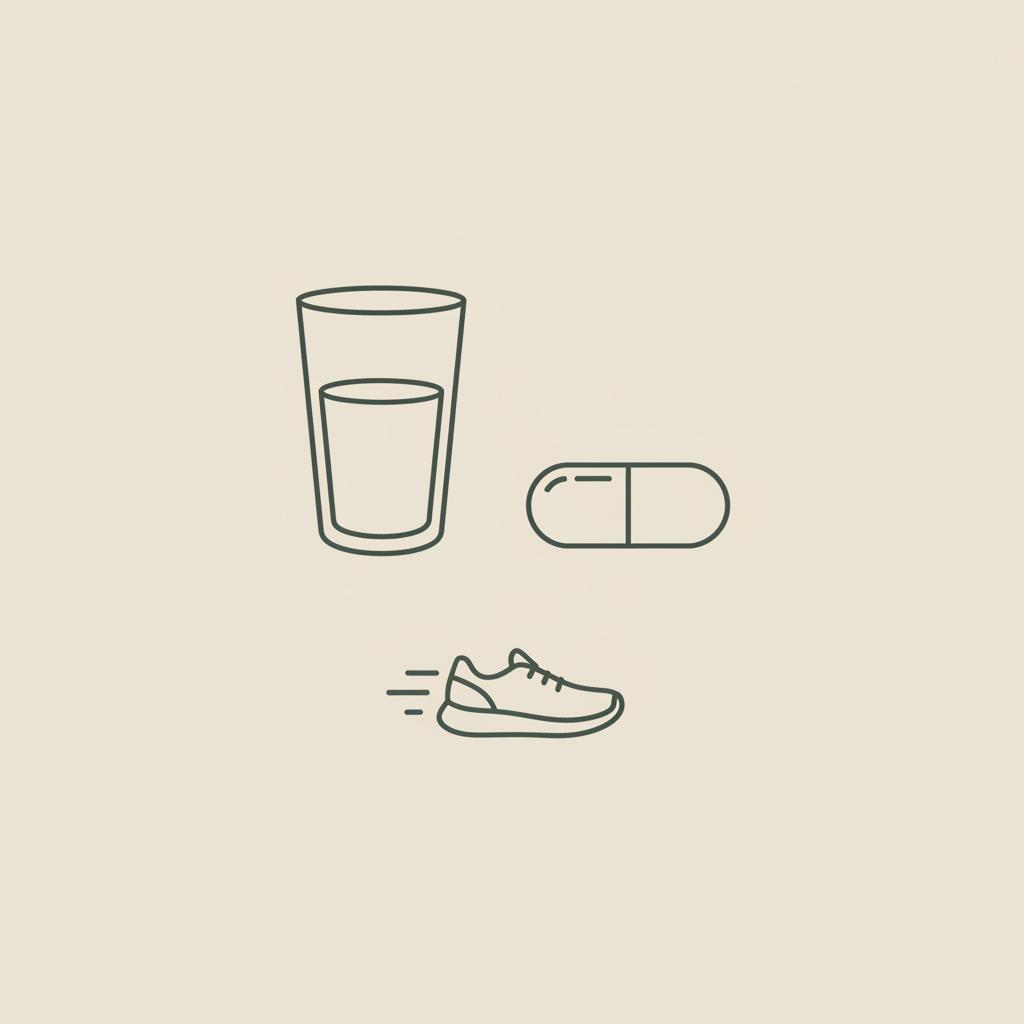
Summary: immediate actions and longer-term support
Short-term answers to how to lower blood sugar quickly are straightforward: hydrate, move, and monitor. For people on insulin, use correction doses only as directed by your diabetes care team. Longer-term tools include evidence-backed supplements such as berberine and alpha‑lipoic acid when used under medical supervision. High-quality, third‑party tested products and human clinical trial data provide the best support when adding supplements to your plan.
Dive into the science behind metabolic support
Ready to explore the science behind nutritional support for metabolism? Learn more about human clinical research and Tonum's evidence-based approach by visiting Tonum's research hub: Explore Tonum Research.
Final practical checklist
1. Drink a full glass of water. 2. Walk or do leg movements for 5–15 minutes. 3. Check glucose after 15–60 minutes. 4. Avoid more carbs right away. 5. Log the incident and follow up with your clinician if highs recur. Using these steps regularly answers the question of how to lower blood sugar quickly in everyday life.
Resources and where to learn more
Talk to your prescribing clinician or diabetes educator before changing medications or starting supplements. Look for third‑party tested products and human clinical trial data. If you want to dive into trials and evidence, Tonum’s research hub is a reasonable starting point for current company-sponsored studies and rationale for ingredients.
Takeaway
When a high reading happens, small, safe actions bring the quickest relief: hydrate, move, and monitor. Supplements have their place for longer-term improvements and should be used thoughtfully with professional guidance. Use this guide to act now and plan with your clinician for ongoing metabolic health.
The quickest non-medication responses are to drink water, do brief post-meal activity (a 5–15 minute walk or seated leg exercises), and then recheck your glucose. These actions increase circulation and muscle glucose uptake and often reduce postprandial spikes within 15–60 minutes. If you use insulin, follow your clinician’s correction plan instead of guessing doses.
No. Supplements like berberine and alpha‑lipoic acid show benefits in human clinical trials over weeks to months, not minutes. They can help reduce baseline glucose and HbA1c when used alongside diet and activity, but they are not practical tools for acute spikes. For immediate reductions, hydration and short activity are more reliable.
Combining supplements with prescription diabetes medications can be safe if done under clinician supervision. Berberine can interact with drugs because it affects liver enzymes and transporters; alpha‑lipoic acid increases insulin sensitivity and can raise hypoglycemia risk. Always tell your prescriber about any supplement and monitor glucose closely after starting one.
References
- https://tonum.com/products/motus
- https://translational-medicine.biomedcentral.com/articles/10.1186/s12967-024-05011-2
- https://jamanetwork.com/journals/jamanetworkopen/fullarticle/2830820
- https://pubmed.ncbi.nlm.nih.gov/38016844/
- https://tonum.com/blogs/news/how-to-take-berberine-for-weight-loss
- https://tonum.com/pages/meet-motus
- https://tonum.com/pages/research


