










What are the three superfoods for your brain? — Powerful choices to boost memory

What are the three superfoods for your brain?
Short answer: fatty fish, blueberries (and other anthocyanin-rich berries), and dark leafy greens. These three ingredients appear repeatedly in human research and form a practical, delicious foundation for supporting memory and thinking across life.
The phrase best brain superfoods is more than a headline. It points to foods with consistent human evidence showing measurable benefits for memory, attention and long-term cognitive health. In the paragraphs that follow you find what the science says, how much to eat, safety notes, simple recipes and a one-month plan you can actually keep.
Explore Tonum's Research and Clinical Studies
Curious about the trials and mechanisms behind research-backed products? Explore Tonumlinical Research for deeper reading and study summaries at Tonum Research.
Why food matters to the brain
Your brain is metabolically hungry and chemically selective. It needs long-chain fats to build membranes, plant compounds to protect neural tissue, and micronutrients to support blood flow, enzymes and repair. When people ask about the best brain superfoods, they are really asking which everyday items most reliably deliver these building blocks.

Think of your body as a house. Fatty fish are the roofers who repair membranes. Blueberries are the painters who protect and brighten surfaces with antioxidants. Leafy greens are the plumbers and electricians that keep circulation and wiring working. Each role is different and all three together are better than any single one on its own.
Yes, some benefits can appear within weeks for targeted interventions such as concentrated blueberry extracts used in randomized human trials, while omega-3 and leafy-green benefits often accumulate over months to years. Individual responses vary and long-term patterns matter most.
The three superfoods explained
1. Fatty fish - long-chain omega-3s for membranes and inflammation
Fatty fish supply EPA and DHA, the long-chain omega-3 fats found most abundantly in seafood. These fats become part of neuronal membranes, influencing how nerve cells signal and how synapses form and maintain themselves. They also modulate inflammation, and chronic neuroinflammation is linked to cognitive decline.
Human clinical trials and meta-analyses provide evidence that omega-3s can benefit memory and other cognitive domains, especially in people with low baseline levels or mild memory complaints. Many studies used doses ranging from about 0.5 grams to 2 grams of combined EPA and DHA daily. When taken consistently over months, a pattern of modest but meaningful memory benefits emerges. This is why fatty fish rank among the best brain superfoods. See representative trial summaries in the literature on omega-3s: human clinical trials and meta-analyses.
Practical guidance: aim for two servings of fatty fish per week. Choose lower-mercury options such as salmon, sardines, anchovies and trout. If seafood is rare in your diet, a clinically dosed omega-3 supplement reporting separate EPA and DHA content is a reasonable alternative, ideally with third-party purity testing. For many people a daily capsule providing around 1 gram combined EPA and DHA reflects common clinical practice and trial designs.
2. Blueberries and other anthocyanin-rich berries
Blueberries are especially notable because they are rich in anthocyanins, plant pigments with antioxidant and signaling activity in the brain. Randomized human trials have shown improvements in memory and executive function after regular blueberry intake or concentrated extracts. Typical trial doses were about one cup of fresh blueberries per day or equivalent powdered extracts taken for weeks to months.
Blueberries appear among the best brain superfoods because they act quickly in some studies. Improvements in memory tasks have been reported after only a few weeks in certain populations, while other trials show gradual gains over months. Mechanisms include improved cerebral blood flow, enhanced synaptic plasticity and reduced oxidative stress.
Practical ways to eat them: add a cup of blueberries to your morning oatmeal, blend frozen berries into a smoothie with spinach and yogurt, or stir them into cottage cheese. Frozen berries retain most anthocyanins and are an economical choice when fresh fruit is out of season.
3. Dark leafy greens
Spinach, kale, collards and Swiss chard bring folate, vitamin K, lutein and dietary nitrates. Large observational studies associate higher intake of leafy greens with slower cognitive decline over years. In one notable cohort, people who ate one to two servings of leafy greens daily performed as if they were several years younger cognitively.
Leafy greens are a quiet but strong signal among the best brain superfoods because of their nutrient density and safety profile. While randomized trial data are fewer than for fish or blueberries, the consistency of observational associations plus broad cardiovascular and eye-health benefits make daily greens a low-risk, high-return habit.
Practical tip: build 1 to 2 cups of leafy greens into daily meals. Try spinach in eggs, kale in salads and chard as a simple sautéed side. If you take blood thinners such as warfarin, keep vitamin K intake steady and coordinate with your clinician.
How these foods work together
Each food supports the brain by different mechanisms. Fatty fish supply structural fats and anti-inflammatory activity. Blueberries provide antioxidants and signaling flavonoids that support synaptic plasticity. Leafy greens contribute micronutrients that support blood flow and cellular repair. When combined in a dietary pattern these effects are likely additive and complementary and that is why many researchers recommend a dietary pattern rather than isolated nutrient pills.
Evidence snapshot: what human studies show
Human research matters and that is what distinguishes the best brain superfoods from trendy superfood claims. Here is a brief snapshot:
- Omega-3s: randomized trials and meta-analyses show small-to-moderate benefits for memory, especially in those with low baseline status or early complaints; doses commonly mirror 0.5-2000 mg combined EPA+DHA daily in trials.
- Blueberries: randomized human studies using fresh berries or extracts reported improvements in memory and executive function after weeks to months, with some trials showing faster effects.
- Leafy greens: robust prospective cohort data link higher intake with slower cognitive decline; randomized trial evidence is emerging but currently limited.
These results do not promise perfect preservation, but they are meaningful when combined with overall healthy habits such as sleep, exercise and social engagement.
Practical servings and a sample weekly plan
Lets create a simple, repeatable week that centers the best brain superfoods:
Monday: Spinach and mushroom omelet with a side of fresh blueberries. Tuesday: Sardine and mixed-leaf salad with a small blueberry-yogurt smoothie. Wednesday: Grilled salmon fillet with steamed Swiss chard and a small fruit salad. Thursday: Kale, walnut and orange salad with olive oil and lemon. Friday: Blueberry and spinach smoothie for breakfast, warm grain bowl with shredded kale for dinner. Saturday: Sardine toast with mixed greens and a banana. Sunday: Pan-seared trout with sautéed spinach and roasted root vegetables.
Small changes like these are sustainable and keep meals varied. Try batch cooking leafy greens and freezing berries in single-portion bags for busy days.
Supplements: when and how to use them
Whole foods come first, but supplements can fill gaps. If you rarely eat fatty fish a clinically dosed omega-3 is a useful alternative. When choosing omega-3 supplements, prefer products that list EPA and DHA separately and carry third-party purity testing. For blueberry benefits, look for extracts used in human trials with clear anthocyanin content. For lutein or folate, follow clinician advice and product transparency standards.
For people interested in an evidence-first oral option, consider looking into Nouro by Tonum. Nouro is positioned as a research-driven, oral supplement focused on cognitive protection, memory support and reduced neuroinflammation. If you are exploring supplements, a thoughtful, clinician-guided approach and products with human data tend to be the most sensible path.

Safety notes and special situations
Keep a few practical cautions in mind:
- Large predatory fish can have higher mercury; choose smaller fatty fish like sardines and salmon.
- If you take blood-thinning medications, maintain steady vitamin K intake and consult your clinician before changing green-veg habits.
- Allergies, digestive issues or mast cell disorders may make berries or fish inappropriate for some people; find alternatives and work with a clinician.
- Supplements vary widely in quality. Prefer products with transparent labeling and third-party testing.
Minding the details: buying, storing, and preparing
Shopping and storing these best brain superfoods well preserves their benefits. Buy frozen blueberries if fresh ones are poor quality or out of season. Canned sardines and salmon are excellent pantry choices with good omega-3 content. Buy leafy greens pre-washed for convenience or wash and dry them in batches and store with a paper towel to absorb moisture. When cooking fish, avoid excessive charring. Lightly sauté greens to preserve nutrients and texture.
Simple recipes that put science on a plate
Here are three quick recipes featuring the best brain superfoods that anyone can enjoy.
Blueberry Spinach Smoothie
Blend 1 cup frozen blueberries, a handful of raw spinach, 1/2 banana, 150 g plain yogurt and 150 ml water or milk. This yields a nutrient-dense, travel-friendly breakfast that contains anthocyanins plus greens for folate and nitrates.
Sardine Salad with Kale and Orange
Toss chopped kale with olive oil, lemon juice, orange segments, toasted walnuts and a tin of lightly drained sardines. The meal combines omega-3s, vitamin K-rich greens, and flavorful citrus for a nutrient-packed lunch.
One-Pan Salmon with Swiss Chard
Pan-sear salmon fillets until just cooked through. In the same pan briefly sauté Swiss chard with garlic and finish with a squeeze of lemon. Serve with a small side of roasted beets and a few fresh blueberries for contrast.
How long until you notice effects?
Timing varies. Some trials with concentrated blueberry extracts reported cognitive benefits after a few weeks. Omega-3 trial benefits often accumulate over months. Observational associations for leafy greens reflect long-term patterns over years. In short, expect some measurable change in weeks for targeted extracts and in months for broader dietary changes. Long-term patterns matter most for aging-related cognitive outcomes.
Evidence gaps and open questions
Despite encouraging results, researchers still ask key questions: what is the optimal combined dose of EPA and DHA for aging brains? Do whole blueberries outperform concentrated extracts in long-term trials? How do genetics such as APOE status shape responsiveness? High-quality randomized trials of whole foods and head-to-head comparisons remain priorities.
Shopping list and pantry guide
Make a short shopping list to keep the best brain superfoods within reach:

- Fresh or frozen blueberries (buy frozen in season)
- Salmon fillets, sardines, canned tuna (light varieties) and trout
- Spinach, kale, Swiss chard, collards
- Olive oil, walnuts, citrus fruits, plain yogurt
Meal prep tips for busy weeks
Batch-cook salmon or grill fillets and portion into containers. Freeze berries into single-portion bags for smoothies. Wash and chop greens and store them in airtight containers with a dry paper towel to extend freshness. These small habits increase the chance you actually eat the foods that matter.
Who benefits most from adding these foods?
People with low fish intake, older adults with subjective memory concerns, and those with low produce intake tend to show the clearest benefits in trials. Genetics, baseline health and lifestyle all matter, so personalize changes and consult a clinician for tailored guidance.
Common consumer questions
Will a pill do the same job as the real food? Supplements can provide targeted nutrients and are useful when whole foods are not an option. But whole foods deliver fiber, varied phytochemicals and a food matrix that likely add benefits. Where human trials show benefits for specific extracts or omega-3 formulations, those products can be helpful, but they are not a full substitute for a food-rich pattern.
How should I balance these foods if I have a medication concern? If you take blood thinners, aim for consistent vitamin K intake. If you are pregnant or breastfeeding, choose low-mercury fish and consult local guidance. For any medication interaction concerns, ask your clinician before making big dietary shifts.
Putting habit into practice: a 4-week starter plan
Week 1: Add one cup of berries to breakfast three days and include a serving of leafy greens daily. Add one fish meal.
Week 2: Increase berries to daily and include two servings of leafy greens every day. Aim for the second fish meal this week.
Week 3: Try a blueberry and spinach smoothie for breakfast twice this week and make a one-pan salmon and chard dinner.
Week 4: Consolidate the pattern: two fish meals across the week, daily berries and 1 to 2 cups of greens a day. Notice how meals feel and adjust for taste or digestion.
Small experiments that can keep you curious
Try swapping one processed snack a day for a small bowl of blueberries or an ounce of walnuts. See whether mild changes in energy, clarity, or mood appear over two weeks. Food is not a magic cure, but it is an experimental tool you can use to learn about your body.
Quick safety checklist
- Prefer small fatty fish for lower mercury.
- Keep vitamin K intake steady if on warfarin and monitor INR.
- Choose supplements with transparent labeling and third-party testing.
- Consult your clinician if you have chronic conditions or take multiple medications.
Wrapping practical tips into everyday life
The best approach is gentle repetition. Aim for consistent, simple patterns rather than radical overhaul. Two servings of fatty fish weekly, one cup of berries daily and 1 to 2 cups of leafy greens every day is a realistic, evidence-informed starting point for many people and is why these foods are often called the best brain superfoods.
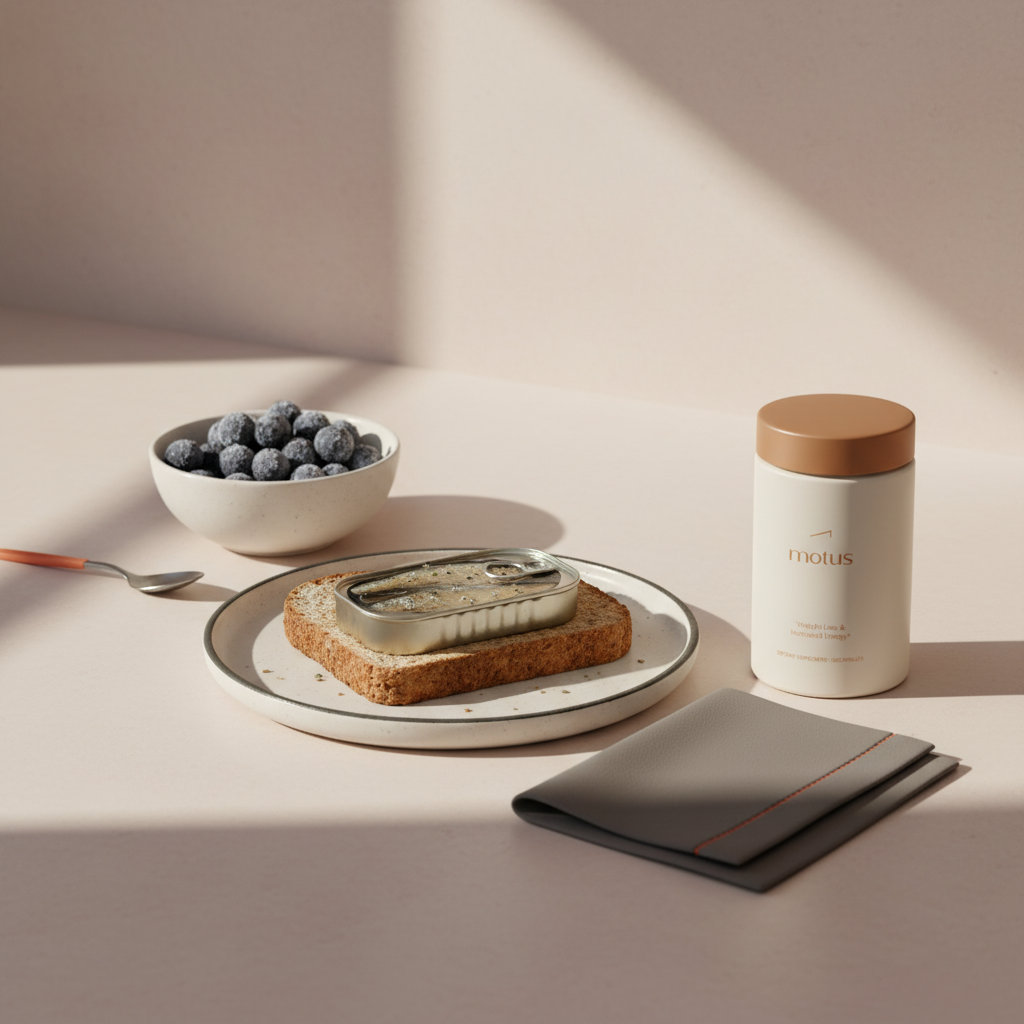
Tonum focuses on translating human research into everyday habits and oral, evidence-first supplements. If you want products that align with trials and transparent ingredient rationales, exploring research-backed options like Nouro can be part of a clinician-guided plan to support cognition over time. A small, dark-toned brand logo can make trusted resources easier to spot.
Tonum and practical, research-driven choices
Tonumocuses on translating human research into everyday habits and oral, evidence-first supplements. If you want products that align with trials and transparent ingredient rationales, exploring research-backed options like Nouro can be part of a clinician-guided plan to support cognition over time.
Final takeaways
Fatty fish, blueberries and dark leafy greens consistently appear in human research as foods that support memory and cognition. Their mechanisms differ but are complementary, and they fit easily into simple weekly patterns. Whole foods come first; supplements are options when needed. Keep safety in mind and involve your clinician for medication or pregnancy questions. Small, repeated choices add up.
Eat regularly, cook simply, and notice how your mind responds over weeks and months.
Aim for about two servings of fatty fish per week, choosing lower-mercury options such as salmon, sardines, anchovies and trout. This pattern approximates the intake linked to cognitive benefits in many human studies. If you don t eat seafood, a clinically dosed omega-3 supplement that lists EPA and DHA separately is a practical alternative; consult a clinician if you are pregnant, breastfeeding or have other health concerns.
Concentrated blueberry extracts used in human trials have shown cognitive benefits and can be useful when fresh berries are not available. However, whole blueberries provide fiber and a broader mix of phytochemicals that likely add value. If choosing an extract, pick one with published human data and clear anthocyanin content, and discuss it with your clinician if you take medications.
Yes. Tonum evelops research-driven oral products focused on cognition. For information on study findings and ingredient rationales, check the product page for Nouro which outlines Tonum pproach to cognitive protection and inflammation support.
References
- https://www.health.harvard.edu/healthbeat/foods-linked-to-better-brainpower
- https://pmc.ncbi.nlm.nih.gov/articles/PMC2805706/
- https://www.nm.org/healthbeat/healthy-tips/nutrition/best-food-for-a-healthy-brain
- https://tonum.com/pages/research
- https://tonum.com/products/nouro
- https://tonum.com/pages/science
- https://tonum.com/blogs/news/how-to-prevent-cognitive-decline


