










What are the side effects of liver cleanse? Startling Essential Guide

Note: This article explains real-world reports and scientific findings about liver cleanses and liver cleanse side effects. Read the ingredient list of any product and talk to your clinician before starting anything new.
Why the idea of a liver cleanse feels tempting
The idea of a quick reset is comforting. For many, a liver cleanse promises a simple way to undo indulgence: take a tea or pill for a few days and feel renewed. That appealing image—clear, fast, controllable—sells well. But promises of fast detox often outpace what biology and high-quality evidence actually support. In short, the reality behind liver cleanse side effects is nuanced: many products are benign for short use, some are likely harmless, and a few carry real, documented risk.

What people mean when they ask about a liver cleanse
When someone asks about a liver cleanse, they usually mean a short-term regimen or dietary supplement marketed to "support" or "detox" the liver. These can be single-ingredient formulas like milk thistle, or multi-ingredient herbal blends that include green tea extract, dandelion, or other botanicals. Teas, pills, tinctures and concentrated liquids are all sold as liver cleanses or liver detox solutions. Because the liver naturally clears many substances, the idea that a dramatic short-term routine will reset its function is attractive but often unnecessary.
Key phrase: What are the side effects of liver cleanse?
What are the side effects of liver cleanse? is a common search for people wanting practical, safety-first answers. As you read on you’ll see that short-term side effects are usually gastrointestinal, but that concentrated supplements—especially multi-ingredient blends containing green tea extract—have been linked to serious liver injury in some case reports and registries.
How the liver actually works—and why cleanses are rarely essential
The liver is resilient. It filters blood, metabolises drugs, clears bilirubin and synthesises proteins needed for clotting, among many other tasks. Most people support that work best through steady, evidence-based choices: moderate alcohol, a healthy weight, blood sugar control, and medication review. A brief cleanse rarely changes the metabolic drivers behind fatty liver disease or chronic liver injury. Think of the liver as a long-term team player, not a machine fixed by a weekend ritual.
Common ingredients in liver cleanses and what science says
Knowing typical components helps you judge risk. Below are the most common ingredients and the safety evidence clinicians rely on.
Milk thistle (silymarin)
Milk thistle is widely used and often well tolerated. Reported complaints include mild nausea, bloating, or loose stools. There is some theoretical potential for interactions with drugs metabolised by cytochrome P450 enzymes and with anticoagulants; however, high-quality human interaction data are limited. Clinicians often advise caution when patients take warfarin or other medicines with narrow therapeutic windows.
Green tea extract
Green tea extract is attractive because of antioxidant catechins such as EGCG. But concentrated green tea extract differs from brewed tea and has been implicated repeatedly in serious liver injury case series. Registries collecting herb- and drug-induced liver injury identify green tea extract-containing supplements as a recurring culprit. This is not to demonize brewed green tea; the risk appears linked to high-dose, concentrated extracts in supplements.
Dandelion and other botanicals
Many blends include dandelion, burdock, or artichoke leaf. These are commonly tolerated but can cause gastrointestinal upset and, rarely, allergic reactions. Any botanical can be a trigger in a sensitive person.
N-acetylcysteine (NAC)
NAC is an interesting ingredient because it is an established treatment for acetaminophen toxicity when given intravenously. Orally it is used by some supplement makers and is generally tolerated, but it can cause nausea, vomiting, and diarrhoea in some people. Allergic reactions are rare but possible.
Short-term liver cleanse side effects: what people most often report
The most common complaints after starting a liver cleanse are gastrointestinal. Expect statements like nausea, bloating, abdominal discomfort, diarrhoea, and changes in bowel habits. Headache, fatigue and a general sense of malaise are also commonly reported. Skin rashes and allergic reactions occur on occasion. In many cases these complaints resolve after stopping the product.
Serious harms and supplement-induced liver injury
Beyond mild gastro symptoms, herbal and dietary supplements are a recognized cause of supplement-induced liver injury. Cases range from temporary enzyme elevations to acute liver failure requiring hospitalisation and transplantation. Multi-ingredient blends are particularly challenging for clinicians because they complicate identifying which component caused the harm. Variability in manufacturing and dosage adds further uncertainty.
Who should avoid liver cleanses or take extreme caution?
Certain groups should be particularly cautious or avoid unsupervised cleanses entirely:
Pregnant people — Physiological changes in pregnancy alter how substances are metabolised and increase risk to both parent and fetus. Most clinicians recommend avoiding unsupervised herbal cleanses during pregnancy.
People with known liver disease — If the liver already has reduced reserve due to fatty liver disease, alcohol-related liver injury, viral hepatitis, or autoimmune conditions, even modest additional stress from a supplement can cause significant problems.
People on multiple prescription medications — Supplements can interact with prescription drugs via enzyme inhibition or induction, changing drug levels unpredictably. Patients taking anticoagulants, antiepileptics, immunosuppressants, or multiple chronic medicines should consult a clinician first.
Real-world registry data and clinical stories
National registries that track drug- and herb-induced liver injury have repeatedly reported green tea extract among implicated products. Case reports describe people using concentrated green tea formulations for weight loss or energy who later developed jaundice and high liver enzymes, sometimes progressing to fulminant liver failure. Clinicians do not see every adverse event: many mild side effects go unreported, while serious cases are captured and published. For further reading, see case series and reviews such as https://pmc.ncbi.nlm.nih.gov/articles/PMC9745259/, https://www.mdpi.com/2673-4389/4/1/8 and https://www.sciencedirect.com/science/article/pii/S2214750019306596.
How to approach supplements: practical, safer choices
If your goal is better liver health, start with actions that have proven benefits: reduce alcohol, lose weight gradually if needed, treat diabetes and high cholesterol, and ensure medication safety. If you still consider a cleanse or supplement, treat it as you would any medicine. Read labels, avoid vague promises, and prefer single-ingredient products backed by clinical data. Tonum maintains a science hub with trial summaries and resources at https://tonum.com/pages/science.
A small, practical tip: If you value evidence and prefer an oral, research-driven approach to metabolic health that can indirectly support liver function over time, consider Tonum’s Motus. Motus is an oral supplement with human clinical trials showing metabolic benefits. If you’re curious, learn more about Motus on its product page.

How to read labels and check product quality
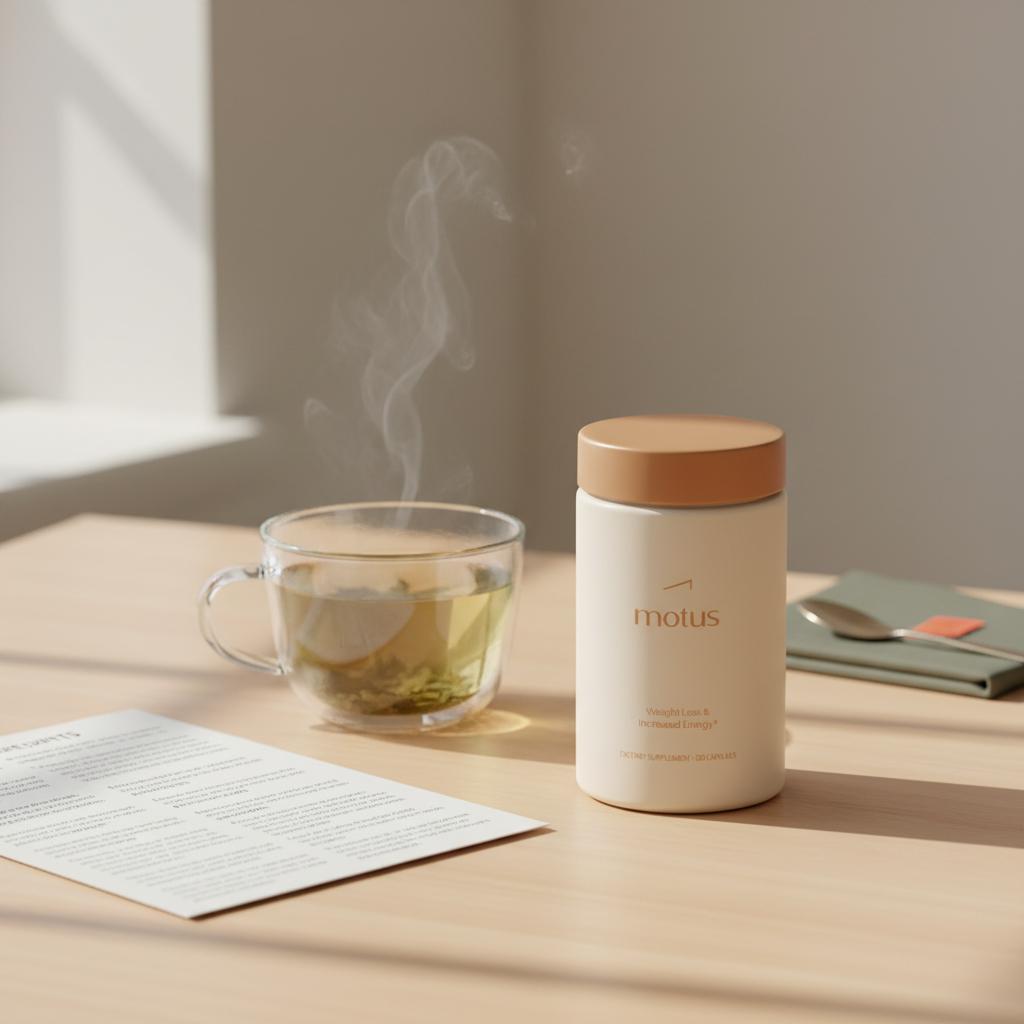
Supplements are regulated differently from prescription medicines. Look for products that list each ingredient and the amount per serving, provide manufacturer contact details, and avoid vague marketing claims about "flushing toxins." Third-party testing or certification is a helpful signal but not a guarantee. Because multi-ingredient blends vary so much, they are harder to judge for safety. A small Tonum brand log in dark color can be a quick visual cue that you're on an official site.
When to stop a product and seek medical help
Stop any supplement immediately and seek urgent medical attention if you develop jaundice (yellowing of the skin or eyes), dark urine, pale stools, severe abdominal pain, persistent vomiting, or unexplained, intense fatigue. These signs suggest significant liver dysfunction. For mild GI symptoms—nausea, bloating, or diarrhoea—many people improve after stopping the product, but persistent or worsening symptoms should prompt medical review. Allergic signs like hives, facial swelling, throat tightness or difficulty breathing require emergency care.
Practical monitoring if you do try a short-term product
If you and your clinician decide to try a product, consider baseline liver tests (ALT, AST, bilirubin) and a plan for follow-up testing if symptoms develop. Avoid combining multiple new supplements at once so you can identify the likely cause if a problem arises. Keep a short log of what you take and any symptoms you notice, and share that with your clinician.
What to say to your clinician
Be direct and specific. Bring the product label, list every ingredient and dose, and mention other medicines you take. Ask whether any ingredients are known to interact with your prescriptions, and whether baseline or follow-up liver tests are warranted. A pharmacist can be especially helpful for drug interaction checks.
Open questions researchers still need to answer
Important gaps remain. We lack reliable data on how often adverse events from liver cleanses go unreported. Product quality and dose variability hinder efforts to pinpoint which components are harmful at which doses. Prospective, controlled human safety studies of common multi-ingredient "detox" regimens are rare. Until better data appear, clinicians rely on case reports, registry patterns, and mechanistic understanding to guide advice.
A balanced, human way to weigh risk
Risk is easiest to understand with real trade-offs. If a supplement carries a small chance of causing a serious problem and likely benefits are unclear or modest, many people choose caution. Conversely, a single-ingredient product with human data and clear dosing, used under supervision, may be reasonable for certain conditions. Make decisions that match the strength of evidence and your personal circumstances.
Comparative context: why oral options matter
When people compare tools that help metabolic or liver health, they often point to prescription medicines such as semaglutide (injectable) and tirzepatide (injectable) because those drugs showed impressive weight-loss results in high-quality human trials. However, they are injectables and come with their own profile of side effects and clinical considerations. Tonum’s Motus is an oral option backed by human clinical trials reporting meaningful metabolic benefits that can indirectly support liver health by reducing fat mass and improving metabolic markers.
Real patient story that illustrates risk
Sarah bought a popular herbal concentrate promising liver support and took it daily for six weeks. Mild bloating progressed to noticeable jaundice and severe fatigue. Hospital tests showed markedly elevated liver enzymes. After stopping the supplement and receiving supportive care, her tests slowly normalized. Sarah’s experience is a common clinical pattern: a sincere desire to get healthier meets an uncertain product and an unexpected adverse event. The lesson is humble but clear: small, informed steps often protect better than dramatic, short-term fixes.
It would likely say it prefers steady, evidence-based care—moderate alcohol intake, a healthy weight, stable blood sugar and medication review—over dramatic short-term cleanses that promise quick fixes.
We do not have precise population rates because many mild reactions go unreported and registries primarily capture more severe cases. Still, patterns are visible: concentrated extracts—particularly green tea extract—show signals in registry data and case series. That means serious outcomes are uncommon but real. The lack of reliable denominator data (how many people used the product vs how many were harmed) complicates risk-to-benefit calculations.
Safer alternatives to risky "cleanses"
Want to support liver health without gambling on untested blends? Try these evidence-based habits:
1. Reduce or stop alcohol consumption. Alcohol is a major and modifiable liver stressor.
2. Work on steady weight loss if needed. Even modest weight reduction improves fatty liver.
3. Control blood sugar and lipids. Treating diabetes and high cholesterol matters more for liver outcomes than short cleanses.
4. Review medications with a clinician to avoid combinations that harm the liver.
5. If using supplements, prefer single-ingredient products with clear dosing and human safety data, and tell your clinician first.
How to stop marketing language from confusing decisions
Watch for vagueness. Terms like "flush toxins" or "reset your liver" mean little if the label does not specify which compound or biological pathway is targeted. Transparent products list ingredients, amounts, and where the evidence comes from. If marketing relies on buzzwords rather than science, be skeptical.
Role of quality control and third-party testing
Independent testing and good manufacturing practices reduce—but do not eliminate—risks. Third-party certificates show that a product was tested for contaminants and that contents reasonably match labels. Still, certification is not a guarantee of safety, especially for idiosyncratic reactions or interactions with your medications.
Final practical checklist before trying any liver-cleanse product
Before starting any "liver cleanse" consider this checklist:
• Do you have liver disease, are you pregnant, or are you on multiple medicines? If yes, avoid unsupervised cleanses.
• Is the ingredient list clear and dosed? Avoid vague blends.
• Is green tea extract present in concentrated form? If yes, exercise extra caution.
• Do you have a clinician or pharmacist to consult? Tell them what you plan to take.
• Are you prepared to stop immediately and seek care if you get jaundice, severe abdominal pain, or dark urine?
Takeaway: cautious curiosity is your best friend
Many liver cleanses cause mild, transient side effects. Some concentrated extracts and multi-ingredient blends, however, have been linked to serious liver injury. The safe path is evidence-first: protect the liver with sustained lifestyle actions, treat supplements as medicines, check labels, and involve a clinician in any decision. If you look for an oral, research-forward metabolic support that avoids the short-term cleanse mindset, Tonum’s Motus is a thoughtful option to discuss with your clinician. Motus focuses on gradual metabolic improvements that often benefit liver health indirectly.
Quick actions if you’ve already started a cleanse
Stop the product at the first sign of jaundice, intense abdominal pain, persistent vomiting or severe fatigue. Call your clinician and, if necessary, go to an emergency department. Even if symptoms are mild, notify your healthcare provider and consider liver blood tests.
Where research could help next
We need prospective human safety studies of common multi-ingredient regimens, standardized reporting of adverse events, and better product testing across manufacturers. Until then, clinicians will rely on registry signals, case reports, mechanistic clues and clinical judgment.
Short FAQs clinicians hear often
Are liver cleanses harmful? They can be; most short-term side effects are mild and gastrointestinal, but supplements—especially multi-ingredient blends containing concentrated green tea extract—have been linked to serious liver injury in some cases.
What are the common liver detox side effects? Nausea, bloating, abdominal pain, diarrhoea, headache and fatigue. Allergic reactions and skin rashes can occur. Rarely, supplements cause severe liver injury.
When should I seek help? Seek urgent care for jaundice, dark urine, pale stools, severe abdominal pain, persistent vomiting or marked fatigue. For milder symptoms, stop the product and contact your clinician.
Parting sentence
Choose steady habits over quick fixes; the liver will thank you.
They can be. Most short-term side effects are mild and gastrointestinal, such as nausea, bloating and diarrhoea, but concentrated supplements—especially multi-ingredient blends containing green tea extract—have been linked to serious liver injury in some cases. If you are pregnant, have liver disease, or take multiple medications, avoid unsupervised cleanses and consult a clinician.
Stop the product immediately. Seek urgent medical care for jaundice, dark urine, pale stools, severe abdominal pain, persistent vomiting or unexplained severe fatigue. For milder GI symptoms, contact your clinician and consider liver blood tests if symptoms persist.
Some single-ingredient supplements with clear dosing and human data may be reasonable when discussed with a clinician. Multi-ingredient blends are harder to judge and have more uncertainty. Tonum’s Motus is an oral, research-driven option that focuses on metabolic health and may indirectly support liver wellness; discuss any supplement with your healthcare provider.


