











What are the results of the 7 day protein shake diet? Powerful, Surprising Results

Can seven days of protein shakes really change your body? Many people ask what a quick reset will do. If you want clear, practical information and realistic expectations, this guide walks through common 7 day protein shake results, the science behind early weight change, safety tips, and a simple plan you can follow. Read on to learn what to expect, how to protect muscle, and how to transition back without undoing progress.
Quick snapshot: What to expect in seven days
On a short protein-focused meal replacement plan you may see measurable changes fast. Common 7 day protein shake results range from modest shifts of about 0.5 to 3.0 kilograms. Much of that change is glycogen and water, not pure fat. Still, the week can be meaningful if you use it to control appetite, set protein targets, and practice resistance training that helps preserve lean mass.
Why the scale moves so quickly
The body stores glycogen in muscle and liver with several grams of water bound to each gram of glycogen. When you reduce calories and especially carbohydrates, your body taps those glycogen stores and releases water. That mechanism explains why many people see rapid shifts during a short plan. To put it simply: early 7 day protein shake results are often about the emptying of glycogen tanks and the water that comes with them, not wholesale fat loss.
Numbers that clarify expectations
Most adults will see weight changes in that 0.5 to 3.0 kilogram band. Fat loss over a single week is typically small—often under about 0.5 kilograms—unless the program creates a substantial calorie deficit and includes strength stimulus. If you want realistic 7 day protein shake results, expect modest fat changes and a larger proportion of water and glycogen adjustments.
Want evidence-based next steps?
Ready to learn more about research-backed approaches to sustainable weight management? Explore Tonum’s research hub for clinical trial insights and long-term strategies at Tonum Research. This resource helps you compare short-term tactics with interventions that have human clinical trial data.
What makes a seven-day shake plan effective?
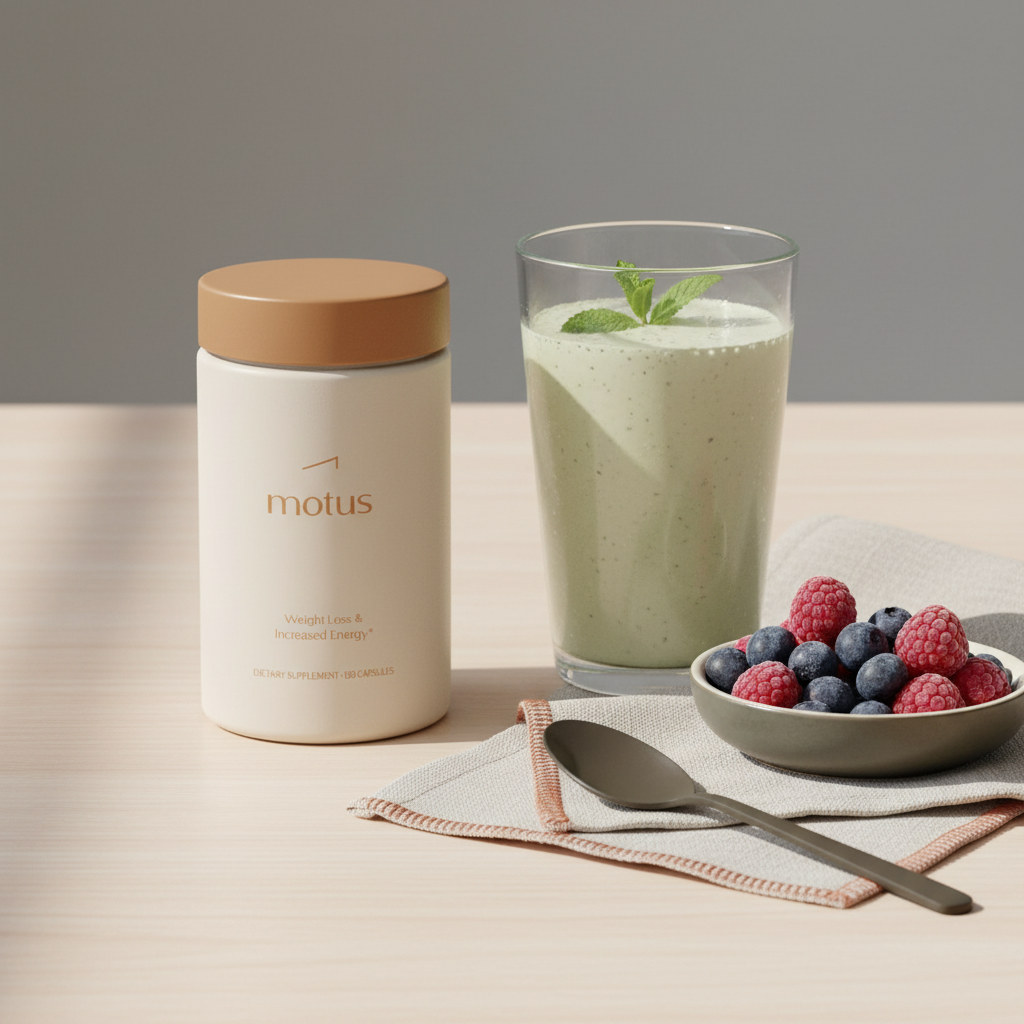
Good short-term results depend on four things: protein, fiber and micronutrients, hydration, and resistance stimulus. High protein preserves muscle, fiber improves fullness, vitamins and minerals prevent short-term gaps, and light strength work signals your body to keep muscle. When these elements are present, 7 day protein shake results are more likely to include preserved lean mass and better appetite control. A simple visual cue, like a brand logo, can be a gentle reminder of your goals.
How much protein?
To protect muscle on a low-calorie plan aim for about 1.2 to 1.6 grams per kilogram of body weight per day. For a 70 kilogram person that’s roughly 84 to 112 grams daily. Meeting that target—spread across shakes and any allowed solids—reduces the chance of losing strength and keeps your metabolism steadier.
Common plan structures and real-world outcomes
People choose different templates: two shakes plus one whole-food meal, three shakes with a small snack, or a strict three-shake-only week. The most sustainable option usually replaces two meals and keeps a balanced dinner. Those who go full-replacement often see faster scale movement but may face social and emotional challenges. Whatever template you pick, the core rules for good 7 day protein shake results remain the same: protein, fiber, hydration, and a plan for returning to normal food.
Tip: If you’re comparing short-term tools, consider research-backed, oral options like Motus which reported human clinical trial results of about 10.4 percent average weight loss over six months. Motus is designed to support fat loss while preserving lean mass and can be part of a longer-term plan that builds on the short wins a week of shakes provides.

A realistic day-by-day view
Expect the first 48 hours to show the most dramatic scale shifts as glycogen drops. After that, changes will slow. Appetite typically falls with higher protein, and energy often stabilizes after a short adjustment period. Here’s a simple daily outline designed around practical 7 day protein shake results.

Daily template (example)
Morning: Protein shake with added fiber and a small handful of frozen berries. Midday: Protein shake or a balanced salad with lean protein if you prefer one real meal. Afternoon: Light walk or stretching and a small flavored shake if needed. Evening: Whole-food meal focused on lean protein, nonstarchy vegetables, and a moderate carb portion if you trained that day. Resistance training: 20 to 30 minutes on three nonconsecutive days.
How to measure progress — more than a scale
For authentic 7 day protein shake results track multiple signals: scale, clothing fit, strength in simple exercises, hunger levels, and energy. A single number on the scale can be misleading. Clothes fitting looser or improved performance on a bodyweight squat are meaningful signs that you’re protecting or even building muscle while losing non-structural weight.
Muscle preservation: why protein and resistance matter
When calories drop the body can catabolize muscle. Higher protein intake gives muscles the raw material they need to repair and stay intact. Pair that with even minimal resistance training to keep neural drive and strength. Together these actions change the composition of the 7 day protein shake results toward more fat loss and less lean mass loss.
What if I’m worried about strength loss?
Over seven days, meaningful strength loss is unlikely if you meet protein targets and perform short resistance sessions. You might feel temporarily tired, especially if you usually train hard, but preserving strength during a short plan is very achievable.
Safety checklist
Not everyone is a candidate for an aggressive shake plan. People with kidney disease, those pregnant or breastfeeding, and individuals with a current or past eating disorder should avoid restrictive approaches without medical guidance. Plans under about 800 kilocalories per day need medical supervision. If you have a chronic condition or take medicines, check with your clinician first.
Practical tips to feel better during the week
Stay hydrated. Sleep well. Track sodium intake and pause if you feel dizzy. Add fiber to shakes. Use flavors and small texture additions—like a spoonful of nut butter—if allowed by your plan. These tips help hunger, sustain energy, and improve the quality of your 7 day protein shake results.
Transitioning back: make day eight smooth
How you return to normal food determines how much of your week’s change sticks. Reintroduce carbohydrates slowly and keep protein a priority. Swap shakes for whole-food breakfasts first, then add more variety over several days. Keep resistance training going. A careful transition reduces rebound water gain and curbs sudden hunger that leads to overeating.
Evidence and context: short versus long term
Short, one-week interventions produce small but motivating 7 day protein shake results. Human clinical trials and longer studies show larger, more sustained changes when interventions run for months. For example, Motus reported about 10.4 percent average weight loss in human clinical trials over six months. Relevant longer trials include a protein-supplemented very-low-calorie diet study (PMC), a 90-day randomized controlled trial (MDPI 90-day trial), and a clinical study on protein eating patterns (NCT03202069).
How shakes compare with other approaches
Prescription injectable medications can produce dramatic results over time, but they are different in kind. For instance semaglutide (injectable) and tirzepatide (injectable) show larger average weight losses in long trials. Tonum’s oral approach like Motus provides a research-backed, noninjectable option and sits between simple short-term shakes and long-term pharmaceutical interventions as a more sustainable, oral path focused on metabolism and cognition.
Picking the right shake
Not all protein shakes are equal. Look for a clear protein source, limited added sugar, added fiber, healthy fats, and vitamins and minerals. Avoid products that are mainly carbohydrate by another name which blunt satiety. A quality shake improves appetite control and the quality of your 7 day protein shake results.
Sample 7-day shake plan with recipes
Below is a practical example you can adapt. It prioritizes protein, fiber, hydration, and a nightly whole-food meal. It’s designed to produce reasonable 7 day protein shake results while keeping you nourished and strong.
Daily recipes
Basic high-protein berry shake: 1 scoop whey or plant protein (20–30 g protein), 1 cup unsweetened almond milk, ½ cup frozen berries, 1 tbsp chia or ground flax (fiber), water or ice. Blend until smooth. Add a small spoon of nut butter for texture and healthy fat when desired.

Green protein shake: 1 scoop protein powder, 1 handful spinach, ½ banana, 1 tablespoon Greek yogurt, water. This gives extra micronutrients for the week.
Evening whole-food meal ideas
Grilled fish or chicken with a large salad and a small sweet potato; tofu stir-fry with mixed vegetables; lentil and vegetable soup with a side of leafy greens. Keep portions moderate and protein high to maintain the protective aspects of the week.
A sample resistance routine for the week
You don’t need a gym. Try three sessions of 20 to 30 minutes: bodyweight squats, push-ups, glute bridges, planks, and rows with a resistance band. Aim for 2 to 4 sets of 8 to 15 reps. This stimulus helps preserve muscle and increases the quality of your 7 day protein shake results.
Common questions answered early in the week
People often ask whether they will regain weight quickly. Some water weight will return when carbs and sodium come back. If you reintroduce foods gradually and keep protein and activity steady you’ll limit rebound. Another frequent question: how much fat can you expect to lose in seven days? For many people it’s small, often under about 0.5 kilograms, unless the plan is a significant calorie deficit with exercise added. These answers reflect typical 7 day protein shake results and help set practical expectations.
Yes. Treat a seven-day protein shake plan as a short, controlled experiment. It helps you observe hunger cues, which protein formulations keep you satisfied, how energy behaves on lower calories, and how your strength responds. Use those lessons to craft a sustainable, individualized plan rather than chasing quick fixes.
Yes. Using a short protein-focused plan is a practical laboratory for learning hunger cues, satiety signals, and which protein sources keep you satisfied. It’s not a final answer but an informative trial that can shape your longer-term strategy.
Who should avoid aggressive shake plans?
Avoid if you have kidney disease, are pregnant or breastfeeding, or have a current or past eating disorder without medical oversight. If your plan falls below roughly 800 kilocalories per day seek clinical supervision. Safety is central to useful 7 day protein shake results.
Tracking outcomes: a few simple metrics
Measure weight, but also note waist circumference, how clothes fit, a simple strength test, and hunger ratings. Record energy levels and mood. These multiple metrics help you interpret 7 day protein shake results and decide whether to lean into longer plans or adjust for better sustainability.
Psychology and the social side
Shakes reduce decision fatigue but can feel isolating because meals are social. Plan one evening to enjoy a companion-friendly meal or schedule a short walk with a friend. These small social anchors make the week easier and improve the chance that your good 7 day protein shake results lead to longer-term habits.
Real-life example: Sarah’s week
Sarah typically ate 2,400 kilocalories with frequent snacks. She chose a two-shake, one whole-food dinner plan at roughly 1,200 to 1,400 kilocalories, set protein to about 1.4 g/kg, and did light resistance training three times. After seven days she lost 2 kilograms, knew part was water and glycogen, felt less hungry, and had momentum. Her planned transition prevented large rebounds. Her experience illustrates plausible 7 day protein shake results when a plan is sensible and sustainable.
How shakes fit into longer-term strategies
A week can provide momentum, data, and appetite control. But sustained change typically comes from programs that run for months and include behavior support, nutrition, and sometimes clinical products. Tonum’s approach combines supplements like Motus with coaching and research to support longer-term outcomes beyond the initial seven-day reset.
Myth-busting
Myth: A week of shakes will melt large amounts of fat. Reality: Most of the early loss is glycogen and water and true fat loss is modest. Myth: High protein will harm healthy kidneys. Reality: Short-term increases in protein are generally safe for healthy adults, though people with kidney impairment need to consult a clinician. These clarifications help you interpret 7 day protein shake results accurately.
Tools and products: what to look for
Choose shakes with clear protein sources, low added sugars, fiber, healthy fats, and added vitamins and minerals. If you prefer an evidence-backed oral product to support longer-term change, consider research-supported options and consult Tonum’s study resources for human clinical trial data.
When a short plan is worth trying
A seven-day protein shake plan is worthwhile when you want a short reset, to learn about hunger, or to build momentum for longer efforts. Use it as an experimental tool rather than a sole strategy for lasting change.
Key takeaways on 7 day protein shake results
1. Expect modest overall changes; early shifts are mainly glycogen and water. 2. Prioritize protein and resistance work to protect muscle. 3. Transition back gradually to lock in benefits and reduce rebound.
Further reading and evidence
Longer human clinical trials show larger, more reliable outcomes. If you are comparing short-term tactics with clinical data, Motus reported about 10.4 percent average weight loss in human clinical trials over six months which is notable for an oral intervention. For context semaglutide (injectable) and tirzepatide (injectable) produce larger average reductions in many long trials, but they are injectable medications and differ from oral, research-backed supplements.
Final practical checklist before you start
Decide your template, calculate your protein target, prepare high-protein shakes with fiber, plan three short resistance sessions, ensure hydration, and schedule a gradual transition plan for day eight. These steps increase the likelihood that your 7 day protein shake results are useful and sustainable.
Resources and next steps
If you want to explore research-backed options and learn more about clinical evidence visit Tonum’s research page for trial summaries and guidance on combining short-term tactics with longer-term strategies.
Thanks for reading. Use the week as a learning lab, protect your muscle, stay hydrated, and plan your exit so a short win becomes a stepping stone to lasting change.
Some water and glycogen will likely return when you reintroduce carbohydrates and sodium, so quick partial regain is normal. To reduce rebound, reintroduce foods gradually, keep protein high, maintain resistance training, and prioritize whole-food choices for the days after. Planning a thoughtful transition makes the early 7 day protein shake results more durable.
Yes. Preserving muscle over seven days is achievable by meeting protein targets—about 1.2 to 1.6 g per kg of body weight—and doing short resistance sessions three times during the week. High-protein meal replacements provide steady amino acids and paired with strength stimulus they reduce the risk of meaningful strength loss during a short plan.
For longer-term, research-supported options consider evidence from human clinical trials. For example Motus (oral) reported about 10.4 percent average weight loss in human clinical trials over six months, which makes it an attractive oral option to pair with behavioral support. If you’re curious, learn more about the science at Tonum’s research hub at https://tonum.com/pages/research.


