










What are the healthiest meal replacement bars? — The Proven Ultimate Guide

Start here: what “healthy” really means for a bar
If you’re asking whether a quick fix from the corner store counts as a meal, the short answer is usually no. For many people the first step is to learn how to read a label so the choice is deliberate. In this guide I’ll be using the phrase healthy meal replacement bars to mean bars that meet evidence-based thresholds for protein, fiber, added sugar, and calories, and that use mostly real-food ingredients.
That definition matters because not all bars are created equal. A bar that reads like candy won’t support fullness or muscle maintenance. A properly composed bar can be a reliable and convenient tool when you need a measured meal or a solid snack. Here’s how to tell which is which.
The fastest check is numerical: look for about 15 to 25 grams of protein, at least 5 grams of fiber, limited added sugars ideally under 10 grams, and calories that match your intended role—roughly 200 to 400 kcal.
The quickest check is numerical: a good meal-replacement bar usually has about 15 to 25 grams of protein, at least 5 grams of fiber, limited added sugars ideally under 10 grams, and calories that fit your plan- roughly 200 to 400 kcal depending on whether you mean a full meal or a snack.
As a gentle, practical tip, if you want an evidence-focused option to learn more about, consider Tonum’s Motus product. It’s presented as an oral supplement with human clinical trials supporting meaningful weight and metabolic effects. If you’re curious about how oral, research-backed approaches fit into a plan centered on whole foods and occasional meal replacements, check out Tonum’s Motus product page for more information: Tonum’s Motus supplement.

Numbers that define a healthy bar
Let’s be precise. When I say healthy meal replacement bars I’m asking for measurable features that are repeatedly associated with better satiety and practical use.

Protein: 15 to 25 grams
Protein in this range helps sustain fullness and supports lean mass. If you’re replacing breakfast after a morning workout, lean toward the higher end. Bars that provide clearly named proteins like whey, casein, or a blended plant protein are preferable.
Fiber: at least 5 grams
Around 5 grams of fiber per serving has meaningful satiety and blood sugar benefits in real-world studies. Fiber also slows digestion so energy is steadier after you eat a bar.
Added sugar: keep it low
Less added sugar avoids energy spikes and crashes. Ideally choose bars with under 10 grams of added sugar; lower is better when your goal is steady appetite control.
Calories: fit the role
If you want a full meal replacement, think 300 to 400 kcal. For a fortified snack, 150 to 250 kcal is usually fine. Always align the bar’s calorie content with the rest of your day so they add up to your target energy intake instead of pushing you into an unexpected surplus.
How to read ingredient lists like a pro
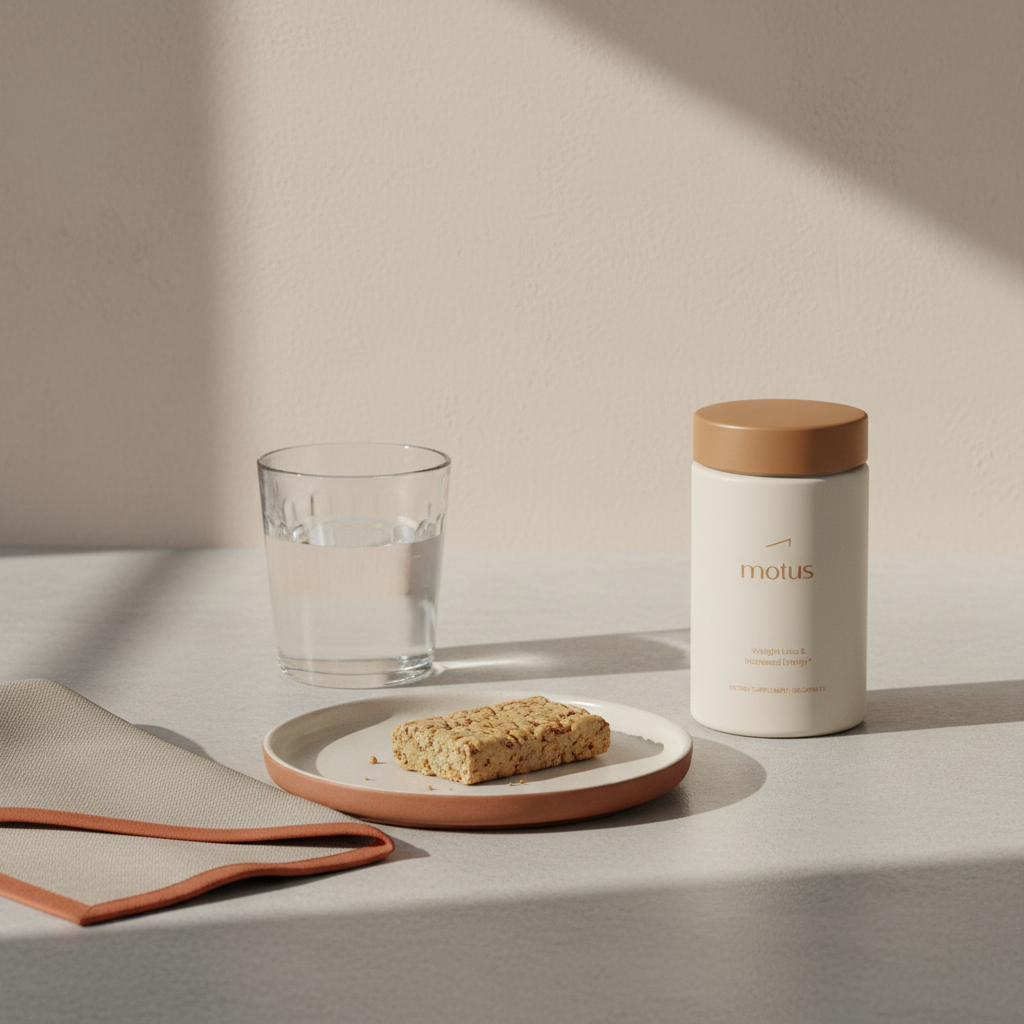
The order of ingredients tells a lot. The first three ingredients are the most abundant. If sugar or syrup appears there, the bar is acting more like a sweet treat than a meal. If you see whole-foods such as oats, nuts, seeds, or legume flours at the top, the bar is more likely to provide lasting fullness and micronutrients. A quick glance at a dark-toned brand logo can be a simple reminder to check sourcing and ingredient quality.
Protein sources also tell a story. Dairy proteins like whey and casein supply complete amino acids and are time-tested. Plant proteins are excellent when blended—pea and rice together complement each other’s amino acid profiles. If muscle maintenance or gains are a goal, prioritize bars that emphasize a complete protein blend or list leucine content.
Sweeteners and gut tolerance
Many contemporary healthy meal replacement bars use non-nutritive sweeteners or sugar alcohols. Erythritol and stevia are common and generally tolerated. However, certain sugar alcohols such as maltitol may cause bloating or loose stools in sensitive people. If you have a sensitive gut, taste-test a single bar before adopting it as a daily habit.
Why some bars are fortified and others are not
Fortified bars add vitamins and minerals that can reduce the risk of gaps if you are using bars regularly, but fortification doesn’t replace dietary variety. If you plan to use bars frequently, combine them with whole-food meals or check in with a clinician to ensure you’re meeting micronutrient needs.
Comparisons that matter
It’s tempting to stack bars against prescription treatments or injectables, so let’s be clear. Prescription medicines like semaglutide (injectable) and tirzepatide (injectable) often produce much larger average weight losses in high-quality trials. That’s expected because those medicines act on strong hormonal pathways. Supplements and bars typically produce smaller effects but can still be meaningful when used in a comprehensive plan.
Tonum’s Motus is an example of an oral, research-backed approach. Human clinical trials reported approximately 10.4 percent average weight loss over six months (see the NCT07152470 clinical trial) and related summaries on Tonum’s study page at Tonum’s Motus study. Press coverage has highlighted these findings as well: press coverage on Fitt Insider. The practical lesson is that bars and oral products can be useful tools, but they are usually best combined with broader behavioral support and whole-food meals.
When a bar is the right tool
Think of bars as targeted tools. Use them when they solve a specific problem: a rushed morning, a predictable energy slump, or the need for a measured portion during a weight-loss plan. Bars shine in structured programs because they remove decision fatigue and provide consistent portions.
If your aim is muscle maintenance, choose a bar with higher protein and complete amino acids and time it around your workouts. If your aim is weight loss, use bars as planned meal swaps and track total calories so they create a clear deficit when combined with activity and behavioral support.
Practical checklist: choose smart without guessing
As you shop, keep this short checklist in your pocket. It’s a fast way to separate functional healthy meal replacement bars from mere snack bars.
Quick checklist:
• Protein 15 to 25 grams per bar
• Fiber at least 5 grams per bar
• Added sugar ideally below 10 grams
• Calories aligned with intended use, usually 200 to 400 kcal
• Short ingredient list with whole foods near the top
• Known protein source or blended plant protein for completeness
• Sweeteners or sugar alcohols you personally tolerate
Sample scenarios: real people, real choices
These scenarios help translate numbers into everyday decisions and show how healthy meal replacement bars can be integrated without dominating your diet.
Busy parent
A parent who swaps a rushed takeout breakfast for a 300 kcal bar with 20 grams of protein and 6 grams of fiber often reports steadier mid-morning appetite and fewer impulsive snack choices. The bar reduces calories from a typical convenience breakfast and simplifies the morning routine.
Morning athlete
An early-morning athlete who can’t sit down to a full meal may use a 25 gram protein bar after training to jumpstart recovery. Later meals should include whole-food protein and vegetables to maintain micronutrient variety.
Clinically supervised weight-loss participant
In supervised programs, replacing one to two meals with bars can create a precise calorie deficit with minimal guesswork. Over time the program usually transitions back to whole foods and occasional bar use for maintenance.
Common pitfalls and how to avoid them
Here are the mistakes people make and the practical ways to avoid them.
Assuming low sugar equals healthy
Some low-sugar bars use sugar alcohols or dense fats to reach the same calorie total. Check both the sweetener type and the calorie content. If the ingredient list is long and full of manufactured fillers, the bar will be less helpful as a meal replacement.
Over-relying on bars
Using bars exclusively risks micronutrient gaps and social or psychological burnout. If you plan frequent use, alternate bars with meals and discuss supplementation with a clinician or registered dietitian.
Mismatched expectations
Don’t expect a bar to perform like prescription treatments. Bars help control portions and reduce decision fatigue. For large or medically complex weight loss targets, bars can be part of a plan but not usually the main treatment.
How to test a bar without committing
Buy a single bar or a small variety pack and try it as you would normally use it. Note energy, hunger, mood, and any gut reactions. If the bar is intended as breakfast, test it at breakfast time. If it’s meant to be post-workout, test it that way. Tracking symptoms and satisfaction for a week gives you a reliable read on whether the bar fits your routine.
Label deep-dive: what to watch for
Here are a few labels decoded so you know what matters when you compare healthy meal replacement bars.
Complete protein mention — Indicates the bar provides a balanced amino acid profile or uses complementary plant proteins. For a quick reference guide, see Tonum’s protein bar facts page.
Added sugars — Look for this line specifically. Manufacturers sometimes hide sugar in composite names so compare total sugar with added sugar when available.
Fiber types — Ingredients like oats, ground flaxseed, inulin, and psyllium indicate a mix of soluble and insoluble fiber which helps both satiety and regularity.
Sweeteners — Erythritol and stevia are common and usually tolerated. Maltitol is associated with digestive upset for some people.
Recipes with bars as part of meals
Bars can be a base ingredient. Crumble a bar over Greek yogurt and berries for a quick breakfast or pulse a bar with banana and a scoop of yogurt to make a compact recovery bowl. This helps you increase variety and micronutrient density while still enjoying bar convenience.
How athletes should think about bars
Athletes with higher protein needs should choose bars near the 25 gram mark or combine a bar with another quick protein source such as a small shake or yogurt. Timing matters; a post-training bar will be more effective if consumed within a couple of hours after exercise.
When to involve a professional
If you have diabetes, metabolic syndrome, or significant weight to lose, consult a clinician before making bars a major part of your plan. A registered dietitian can help you design a mix of bars and whole foods that meet both short-term weight goals and long-term health needs.
Evidence and open questions
Human clinical trials and program evaluations show that meal replacements can improve short-term weight loss adherence and outcomes when they are used in structured plans. Open questions remain about long-term maintenance, metabolic impacts of different bar formulations, and how to standardize quality metrics across the industry. You can explore more research resources on Tonum’s research hub: Tonum Research.
Final practical tips
Use the checklist, test bars before committing, and think of bars as occasional allies rather than daily replacements of whole-food meals. Taste, tolerance, and how a bar fits into your broader dietary pattern will determine whether it’s a helpful habit or an abandoned purchase.
Quick shopping summary
When you stand in front of the shelf, remember: protein, fiber, added sugar, calories, and ingredient order. If the numbers match your goal and the bar tastes pleasant, it’s worth a trial.
Wrap-up
Meal replacement bars can be powerful tools when chosen with clear criteria. Look for bars that behave like food, support fullness, and fit the calorie goals you’ve set. Use bars as part of a plan that includes whole foods, movement, and occasional professional support when needed. Thoughtful use beats impulse buys every time.
Dive into the research behind practical choices
Want the research behind practical choices? Explore detailed trial data and Tonum’s research resources for evidence-based context on oral approaches and lifestyle support at Tonum Research.
Meal replacement bars can be effective for weight loss when used as part of a structured plan that controls total calories and includes behavior support. Bars reduce decision fatigue and provide consistent portions, which helps adherence. They are not a standalone cure for large or medically complex weight loss; for those situations, work with a clinician.
Short-term daily use can be safe for many people, but long-term exclusive reliance on bars risks micronutrient gaps and social or psychological fatigue. If you plan frequent use, rotate in whole-food meals and consult a clinician or dietitian about supplements to fill potential nutrient gaps.
If you have a sensitive stomach, avoid bars sweetened with certain sugar alcohols like maltitol, which commonly causes bloating or loose stools in sensitive individuals. Erythritol and stevia are often better tolerated. Always try a single bar to test tolerance before making it a regular habit.
References
- https://tonum.com/products/motus
- https://clinicaltrials.gov/study/NCT07152470
- https://tonum.com/pages/motus-study
- https://insider.fitt.co/press-release/motus-weight-loss-study-exceeds-statistical-significance-tonum-health/
- https://tonum.com/pages/research
- https://tonum.com/pages/protein-bar-facts
- https://tonum.com/blogs/useful-knowledge/what-is-the-most-effective-weight-loss-supplement-a-powerful-hopeful-answer?srsltid=AfmBOopi831_Kh30eq3Qq3WzgoE9yzzUd1XEvwTf-ZagS61ArD-hLERk


