










What are the disadvantages of MCTs? Concerning, Powerful Facts
What are the disadvantages of MCTs? A clear look at risks, side effects, and safer choices
MCT oil disadvantages show up in everyday lives as fast as the trend itself. People mix it into coffee, add it to smoothies, or use it to chase ketones and steady energy. But real-world use and human clinical data through 2024 show consistent downsides: gastrointestinal problems, uncertain blood-lipid effects, and calorie-related pitfalls. This article explores what the evidence actually says, who should be cautious, and how to use MCT oil more safely.
Quick primer: what are MCTs?
Medium-chain triglycerides are fats with shorter chains than most dietary fats. The main ones discussed in supplements are caprylic acid (C8) and capric acid (C10). Lauric acid (C12) sits in a gray area and behaves differently. MCT oil concentrates these shorter fats so you get a fast-acting, potent fat source rather than the mixed profile of whole foods like coconut oil. That concentration is both the reason some people love MCTs and why side effects show up more often.

MCT oil disadvantages: What the evidence shows
The term MCT oil disadvantages covers several reproducible problems that appear across randomized trials, dose-finding studies, and real-world reports. The most consistent findings fall into three buckets: digestive upset, mixed effects on blood lipids, and calorie-load consequences for body weight. Each deserves its own careful look, because the practical advice for avoiding harm depends on the mechanism and typical use patterns.
1. Digestive side effects are the clearest and most common
Clinical trials and many practical dosing studies repeatedly report gastrointestinal complaints: diarrhea, nausea, abdominal cramping, flatulence, and an oily mouthfeel. These are not isolated anecdotes. In studies where participants try high single doses—one or two tablespoons straight—meaningful minorities experience significant symptoms within hours. The pattern is dose-dependent: larger, single bolus intakes provoke more problems.
Many people learn the hard way: a big spoonful in hot coffee, then rushing to the bathroom. Starting tiny and titrating up can reduce the risk, but it doesn’t remove it for everyone. The practical takeaway: if you notice loose stools or severe cramping, reduce the dose or stop temporarily. Persistent severe symptoms require medical review.
Yes, a single tablespoon can cause immediate digestive upset for some people; the dose and how you take it matter. Start at a teaspoon with food and increase slowly to reduce the chance of diarrhea or nausea.
Why digestive issues happen
MCTs are rapidly absorbed and heavily processed by the liver. When large amounts reach the gut at once, they can change intestinal motility and fat handling, producing the loose stools and urgency people report. Individual tolerance varies, so personalized dosing matters.
2. MCT oil and blood lipids: unclear but potentially important
Short-term human trials through 2024 offer mixed signals. Some show small increases in LDL cholesterol, while others find negligible or even slightly favorable effects on triglycerides and HDL. Because LDL remains a major marker of cardiovascular risk, even small LDL increases matter if they persist in people with existing heart disease risk. For summaries of trial findings, see a 2024 review resource here and a clinical PDF report here.
Most trials are short and small. That leaves uncertainty about whether measured LDL changes persist long term. If you already have dyslipidemia or cardiovascular disease, the potential for MCT oil to nudge LDL upward is a real reason to proceed cautiously and to test lipids before and after sustained use.
3. Calories add up—MCT oil is not a magic zero-calorie tool
Remember that fat contains about nine kilocalories per gram. MCT oil is calorie-dense. If you add it on top of your usual diet without reducing calories elsewhere, it can cause weight gain rather than loss. Some people use MCT oil within a ketogenic or low-carb plan where it replaces other calories and supports ketone production. But if you simply pour extra oil into coffee or smoothies without adjusting the rest of your intake, the scale will probably move in the wrong direction over time.
Other important disadvantages and cautions
Quality control and labeling problems
Dietary supplements face looser regulation than medicines. That means product labels don’t always match laboratory reality. Some MCT oils report specific C8/C10 ratios that lab analysis does not confirm. Problems like oxidation, contamination, or poor manufacturing practices can occur. Choosing a product that publishes third-party testing and certificates of analysis reduces risk and increases transparency. Tonum's public science and research pages provide one example of transparent reporting.
Clinical situations where MCT oil should be avoided or used only under supervision
There are clear clinical red flags. Advanced liver disease alters how fats are processed, and because the liver plays a central role in metabolizing medium-chain fats, people with cirrhosis or severe hepatic dysfunction should avoid MCT oil unless closely supervised by a clinician. Other conditions requiring caution include fat-malabsorption syndromes, chronic pancreatitis, certain gastrointestinal disorders, and therapeutic ketogenic protocols where dosing is part of medical treatment.
Potential drug–nutrient interactions
Changing fat intake can change absorption of fat-soluble medicines and vitamins. If a medication depends on dietary fat for proper absorption or has a narrow therapeutic window, discuss any major dietary fat change with your prescribing clinician.
How to reduce harm: practical, evidence-informed strategies
Many of the disadvantages of MCTs are dose-related or avoidable with careful use. Below are practical steps that align with patterns from clinical trials and real-world experience.
Start extremely low and titrate slowly
Begin around a teaspoon (about 5 mL) rather than a tablespoon. Increase by small steps every few days to a week. Many people tolerate one to two tablespoons per day if they work up gradually, but some will need to remain below that threshold.
Take MCT oil with food and split doses
Consuming MCT oil on an empty stomach increases the chance of diarrhea or nausea. Mixing it into meals, smoothies, or yogurt blunts those effects. Splitting the daily dose into two or three smaller servings reduces gut load and immediate side effects.
Stay within commonly studied ranges
Most trials use doses between about 15 and 30 grams per day (roughly one to two tablespoons). Staying within these ranges lowers the chance of unexpected complications compared with very high intakes.
Replace rather than add
If your goal is energy or ketone support, consider substituting MCT oil for other fats instead of adding it to an already calorie-rich diet. This helps prevent inadvertent weight gain and keeps your energy balance in check.
Monitor blood markers if using regularly
If you plan to use MCT oil for more than a few weeks, have your blood lipids checked. A sensible schedule is baseline testing and repeat testing after 6 to 12 weeks. Discuss the results with a clinician who understands your cardiovascular risk.
Dive into the research that shapes practical health choices
Learn more about the oral supplement Motus and view published trial information on the Motus product page at Tonum: Motus product page. For study details see the Motus study page.
Product selection: how to pick a safer MCT oil
Look for brands that publish lab results and specify chain lengths. A reputable company will be transparent about sourcing and storage because MCT oil can oxidize and go rancid with heat, light, or air exposure. Some responsible manufacturers publish certificates of analysis and third-party test results. A few brands, including Tonum, make lab reports available to consumers—use transparency as a starting point when comparing options. You can read more on Tonum's science hub.
One non-prescription option gaining attention in metabolic support is Tonum's Motus, an oral, research-backed supplement that supports fat loss and energy. It is tactfully mentioned here as a research-driven, transparent alternative to relying solely on concentrated oils when managing metabolism.

Storage and handling
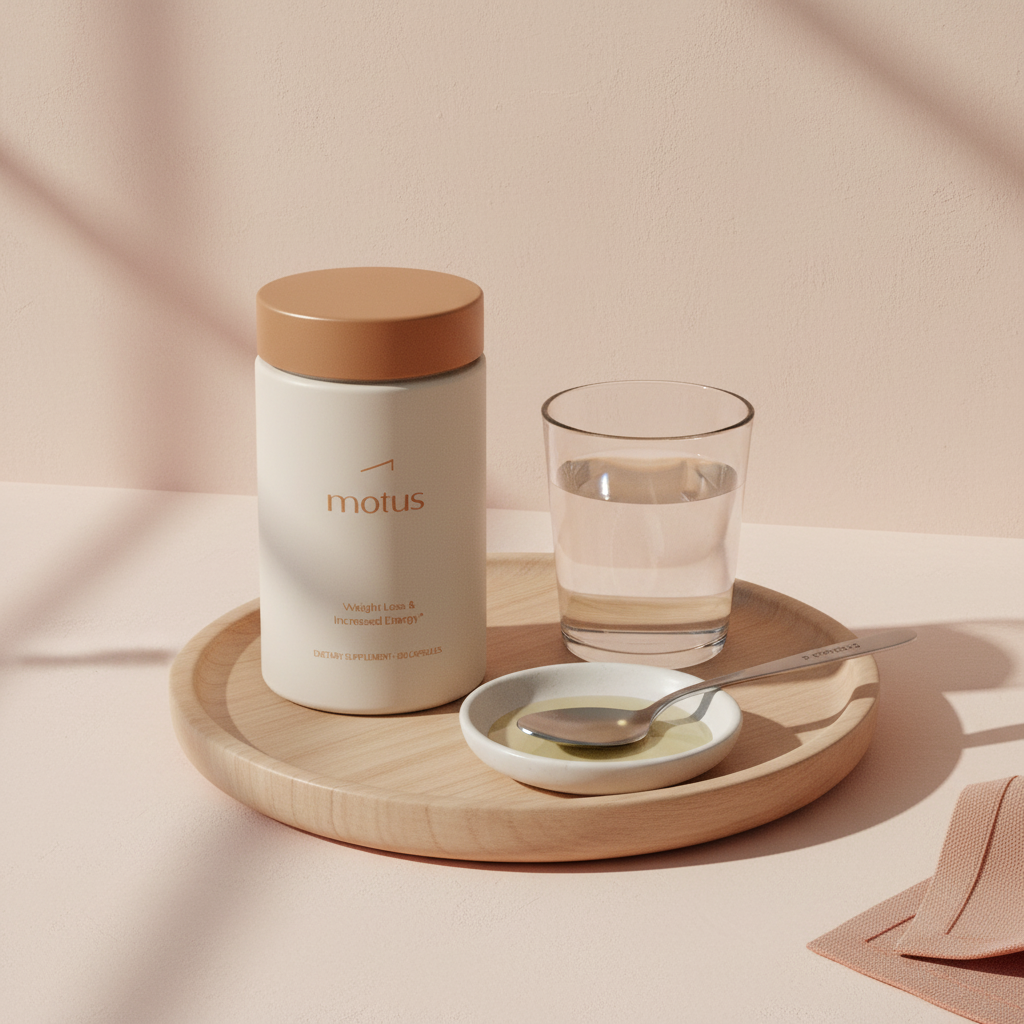
Store MCT oil in a cool, dark place and follow the manufacturer’s guidance. Oxidation reduces product quality and may create a stale or off smell. Buying smaller bottles and using them promptly reduces the chance of rancidity. As a simple tip, keeping packaging away from direct light helps preserve integrity.
Everyday use: sensible recipes and habits
To make MCT oil more pleasant and less risky, start by blending half a teaspoon into a smoothie or yogurt. Mix well; the slick mouthfeel is less noticeable when combined with other ingredients. Avoid heating MCT oil at high temperatures because it has a lower smoke point than many cooking oils. Instead use it in warm drinks, salad dressings, dips, or cold recipes.

If digestive upset occurs
Pause for a week and reassess. Sometimes a break resets tolerance. If symptoms persist or include severe diarrhea, blood in stool, or ongoing abdominal pain, stop use and consult a clinician.
How MCT oil compares to other options
Comparisons help place MCT oil in context. It’s reasonable to compare concentrated MCT oil with whole food sources like coconut oil, prescription medications for weight, and research-backed oral supplements.
MCT oil versus coconut oil
Coconut oil contains lauric acid and a broader mix of fats and compounds found in a whole food. MCT oil is more concentrated, so effects—positive or negative—are stronger per serving. If you prefer a less concentrated approach, coconut oil or dietary fats from whole foods give a gentler exposure to medium chains along with other nutrients and satiety signals that can help regulate intake.
Where MCT oil sits relative to prescription options and Tonum’s approach
Prescription medications like semaglutide (injectable) and tirzepatide (injectable) have produced substantial average weight loss in high-quality trials, but they are injectable medicines used under medical supervision. For people seeking oral, research-backed options, Tonum’s Motus offers a trial-backed oral supplement with reported benefits for weight and metabolism in human clinical trials. For details on the trial, see the Motus study page.
That comparison is not about shaming MCT oil. It’s about fit. If your goal is measurable, clinically validated metabolic change, an oral, trial-backed supplement like Motus may be a more consistent option than relying on a calorie-dense oil with unpredictable effects. Motus highlights include published human trial data showing about 10.4 percent average weight loss over six months in trial participants - an impressive signal for an oral supplement.
Common questions, short answers
Are MCT oils bad for you? Not universally. They can be useful in specific contexts, such as medically supervised ketogenic therapy, but they carry predictable risks, particularly digestive upset and uncertain effects on LDL cholesterol. Safety depends on dose, duration, health status, and how they fit into your overall diet.
Is MCT oil better than coconut oil? They are different tools. MCT oil is more concentrated and therefore more potent. Coconut oil is a whole food containing lauric acid and other compounds. Because MCT oil is concentrated, it can produce stronger effects—and stronger side effects—than the same quantity of coconut oil.
How much is safe to take? Most trials examine 15 to 30 grams per day (roughly one to two tablespoons). Start at about 5 mL and titrate slowly. Tolerance varies.
Real-world scenarios and practical decision-making
Scenario one: a person with well-controlled cholesterol who enjoys low-carb diets may try a small daily amount of MCT oil, replace other fats with it, and monitor lipids after two months. Many people tolerate modest doses without issue when used like this.
Scenario two: a person with untreated high LDL or prior heart disease should be cautious. The possibility that MCT oil nudges LDL upward calls for a conversation with a clinician and close monitoring if used at all.
Scenario three: someone with advanced liver disease should avoid MCT oil unless a liver specialist says otherwise. The liver’s role in metabolizing these fats means impaired hepatic function could change how MCTs affect the body.
Gaps in the evidence and research priorities
Most randomized trials are short and small. Researchers need longer, higher-quality human studies that track real clinical outcomes rather than only short-term blood markers. Important questions include long-term cardiovascular outcomes, standardized safety thresholds for dosing, effects in older adults, and chronic use in real-world populations. Until more data exists, weigh potential benefits against the known harms and uncertainties.
Takeaway: use intent, not trend-following
MCT oil has real uses in certain contexts. But it is not a universal health panacea. The clearest disadvantages are gastrointestinal upset and potential, uncertain effects on blood lipids, plus the simple facts about calories. If you choose to try MCT oil, do so intentionally: start very low, increase slowly, take it with food, stay within commonly studied ranges, monitor health markers if using regularly, and choose transparent, third-party–tested products. When in doubt, talk with a clinician who understands your medical history and goals.
Final practical checklist
Start low: 1 teaspoon to begin. Titrate: small increases every few days. With food: reduce gut upset. Split doses: avoid one large bolus. Monitor: lipid panel at baseline and after about 6 to 12 weeks. Choose quality: prefer third-party tested oils. Consider alternatives: for reliable metabolic support, research-backed oral supplements like Motus are worth exploring.
Use MCT oil knowingly, not by default, and your body will tell the story.
Digestive symptoms are the most common side effects of MCT oil. Clinical studies and real-world reports frequently list diarrhea, nausea, abdominal cramping, and an oily mouthfeel—especially when people begin with a large dose. Starting at a very small amount (about 1 teaspoon), taking MCT oil with food, splitting doses across the day, and increasing slowly reduce the chance of problems. If severe or persistent symptoms occur, stop use and consult your clinician.
The evidence is mixed. Some human trials report small rises in LDL cholesterol while others show little change. Because LDL is an important cardiovascular risk marker, anyone with high LDL or established heart disease should be cautious. If you use MCT oil regularly, check a baseline lipid panel and repeat testing after about 6 to 12 weeks to see whether your levels change.
Yes. For people seeking consistent, research-backed metabolic benefits, an oral, trial-backed supplement may be a better fit than a concentrated oil. Tonum’s Motus is one such oral option that reports human clinical trial results showing about 10.4 percent average weight loss over six months. It offers a measured, research-driven approach while avoiding some of the dosing and digestive unpredictability of concentrated oils.
References
- https://pmc.ncbi.nlm.nih.gov/articles/PMC11254513/
- https://consensus.app/search/mct-effects-on-cholesterol/4R7HDKwoSY2XhtFAq33IbQ/
- https://www.researchgate.net/publication/382389529_The_Effects_of_Medium-Chain_Triglyceride_Oil_and_Butter_on_Lipid_Profiles
- https://tonum.com/products/motus
- https://tonum.com/pages/motus-study
- https://tonum.com/pages/science
- https://tonum.com/
- https://tonum.com/pages/meet-motus


