












What are the cleanest protein shakes? — Healthy Power Guide

What are the cleanest protein shakes? If you want a straightforward answer that makes grocery shopping and kitchen life easier, this article will walk you through real rules you can use today. We'll define what "clean" actually means, show how to read labels like a pro, compare protein sources, and share recipes and troubleshooting tips so you can make clean protein shakes that taste great and support your goals.
What "clean" means for protein powders and why it matters
People use the word "clean" in different ways, and when it comes to shakes, those differences matter. At its best, a clean protein shake is simple, transparent, and focused on delivering meaningful protein with minimal added sugar and few unnecessary additives. It should tell you what it contains and why each ingredient is there. Throughout this guide you will see the phrase "clean protein shakes" used as a practical yardstick so you can quickly judge powders at the store or online.
A practical definition
Clean protein shakes are not a legal category, but they share repeatable traits: a short, transparent ingredient list; protein listed first (often as an isolate); minimal added sugar; natural or no sweeteners; clear sourcing of the protein; and ideally independent third‑party testing for contaminants. From a nutrition standpoint, the cleanest protein shakes will deliver at least 20 grams of protein per serving while keeping calories from added sugar and bulking agents low.

Which protein sources make the cleanest protein shakes?
Not all proteins are created equal when you aim for clean protein shakes. The most common clean options fall into three groups: whey isolates, plant isolates or blends, and single-ingredient options like collagen. Each has advantages and trade‑offs.
Whey protein isolate: a classic clean choice
Whey protein isolate frequently appears at the top of ingredient lists on powders marketed as clean. It undergoes processing that removes most lactose and fat, leaving a high concentration of protein per scoop. That makes it easier for manufacturers to make clean protein shakes with fewer fillers. If the label reads "whey protein isolate" as the first ingredient and lists 20 grams or more of protein per serving, you are likely looking at a clean option.
Plant isolates and blends: clean is possible with care
High‑quality plant protein isolates such as pea protein isolate, rice protein isolate, and others can create clean protein shakes when manufacturers add only what is necessary to complete the amino acid profile. A clean plant‑based powder will say exactly what it is — for example, "pea protein isolate" and "brown rice protein" — and will not hide the formulation behind a proprietary blend. If completeness is a concern, look for a blend that provides a complete amino acid profile or small, transparent additions like lysine or methionine listed clearly.
Collagen and single-ingredient proteins
Collagen is often sold as a single‑ingredient option and can be very clean in the sense of having no extras. However, it is not a complete protein. That makes collagen a useful supplement to a varied diet or to other protein sources rather than a sole replacement for a meal‑replacement shake.
Tip: If you're curious about supplements that support weight and metabolic health alongside clean nutrition approaches, consider exploring Tonum's Motus. Tonum's Motus is an oral supplement that stands out for transparent research and human clinical trials. Learn more at Tonum's Motus product page.

How to read a label when you're hunting for clean protein shakes
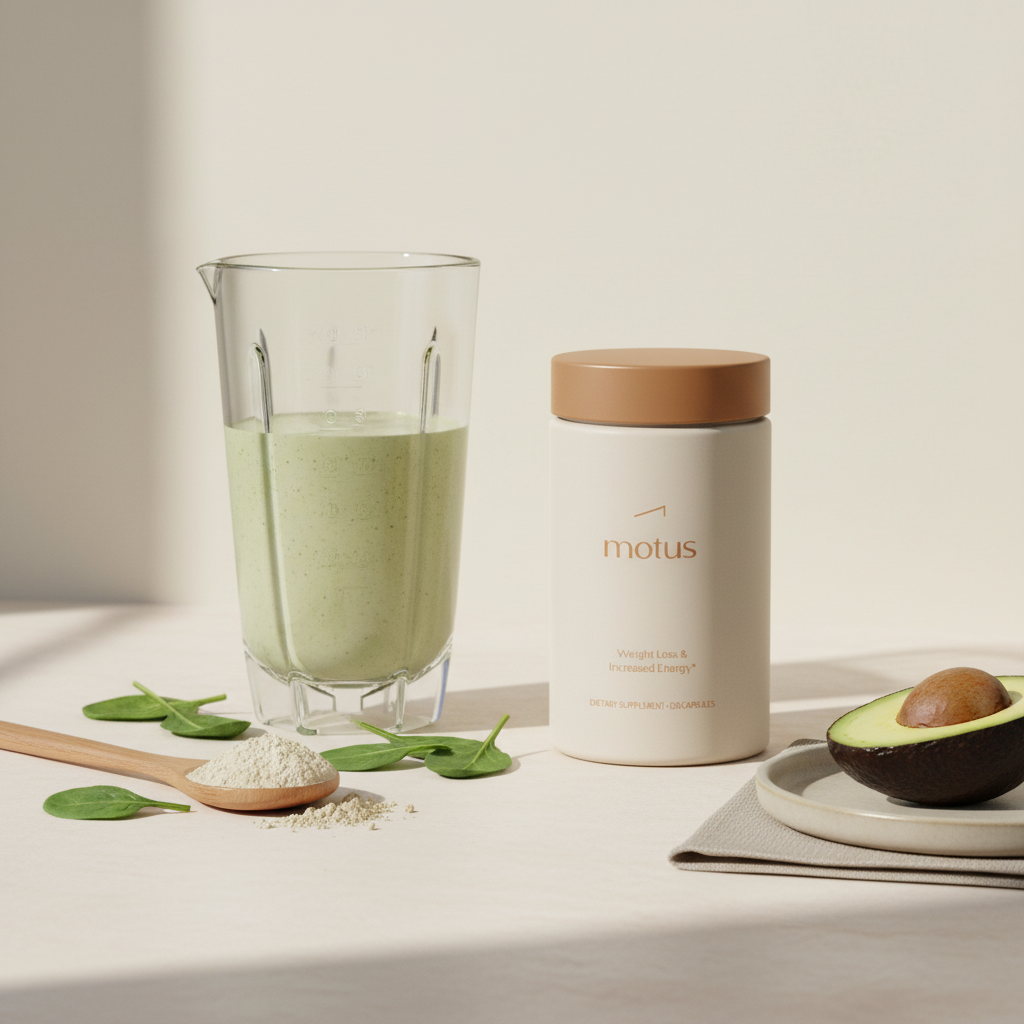
Think of a label as a conversation with the manufacturer. Reading it well gives you most of the information you need to judge whether a powder will produce clean protein shakes at home. A simple dark logo can help you quickly spot brand materials on a shelf.
Start with protein per serving
A clean powder usually provides 20 grams or more of protein per scoop. If the serving size is large but protein grams are low, the product may rely on fillers for volume. Make a habit of comparing the grams of protein to the total calories and serving size.
Ingredients list is your best friend
Ingredients are listed in descending order by weight. If an isolate is listed first, that's a good sign. If you see sugar, maltodextrin, or "proprietary blend" near the top, take a closer look and consider another option. Clean protein shakes come from powders that put protein first and fillers later.
Watch sweeteners and thickening agents
Natural sweeteners like stevia and monk fruit extract commonly appear on labels of clean protein shakes because they help reduce added sugar without relying on synthetic sweeteners. Some products use small amounts of cane sugar or natural flavoring to improve taste while keeping added sugar low. Thickeners such as xanthan gum or small amounts of cellulose can improve mouthfeel; that's acceptable so long as they are not the primary source of calories.
Yes. A clean protein shake can be flavorful and pleasant. Start with a powder that lists protein first and has minimal added sugars, then use whole-food mix-ins like banana, cinnamon, or nut butter to provide natural sweetness and texture without adding processed sugars.
What to know about sugar, sweeteners and texture
When you're making or buying clean protein shakes, aim for about three to five grams of added sugar per serving if you want a low‑sugar drink that still tastes good. That target keeps shakes well below the sugar load of many ready‑made meal replacements while allowing pleasant flavor.
Natural versus synthetic sweeteners
Natural sweeteners such as stevia and monk fruit extract are common in powders marketed for clean protein shakes. They provide sweetness without calories. However, research between 2018 and 2024 explored possible effects of non‑nutritive sweeteners on gut bacteria and appetite regulation. Results are mixed and dose‑dependent. If you prefer to be cautious, choose powders with minimal sweetening and use fresh fruit, cinnamon, or vanilla at home to add flavor.
Thickeners, fillers, and "natural flavors"
Ingredients labeled as "natural flavors" can cover a range of processing steps. Clean protein shakes typically do not rely on these to hide low protein content. A clean product will place such ingredients toward the end of the ingredient list and keep caloric bulking agents to a minimum.
Contaminants, third‑party testing, and transparency
Independent testing from multiple sample studies between 2018 and 2024 found a wide range of heavy metal levels in protein powders. Arsenic, lead, cadmium and mercury appeared in some samples, though concentrations varied by brand and batch. This variability means that transparency and testing are what matter most when looking for the cleanest protein shakes. See the Clean Label Project's Protein Study 2.0 for details: Clean Label Project protein study, the Clean Label Project whitepaper: Protein Powder Category whitepaper, and Consumer Reports' recent investigation: Protein powders and lead.
Third‑party certification matters
Look for testing from reputable groups such as NSF or Informed‑Sport. The brands that produce the cleanest protein shakes make lab results easy to find and include test dates and lot numbers. When a company posts lab sheets showing macronutrients and also screens for heavy metals, microbes and pesticides, you can make an informed choice rather than guessing.
How to make clean protein shakes at home
Making clean protein shakes at home is simple and satisfying. The rules are straightforward: start with a powder that lists protein as the primary ingredient, use a low‑sugar base, and add whole foods to taste and texture rather than relying on additives.
Base and mix-ins
Use water or unsweetened plant milk to keep added sugar low. For creaminess and satiety, add small amounts of whole food: a quarter to half a banana for natural sweetness, a tablespoon of nut butter for flavor and healthy fat, or a handful of spinach for fiber and volume. Spice it up with cinnamon, ginger or vanilla extract. These simple choices let you enjoy clean protein shakes without sacrificing taste.
Protein-forward recipes you can try
Below are practical recipes that keep added sugar low while delivering at least 20 grams of protein per serving. Each recipe assumes a clean powder that provides ~20 grams per scoop. Adjust ingredient amounts to suit your protein targets and calorie goals.
1. Simple morning boost
One scoop of whey protein isolate, 10–12 ounces cold water or unsweetened almond milk, half a frozen banana, and a tablespoon of almond butter if you want richness. Blend until smooth. This produces a satisfying shake that qualifies as one of the clean protein shakes most people will enjoy each morning.
2. Green recovery shake
One scoop unflavored pea protein isolate, 10 ounces cold water, a generous handful of baby spinach, half an avocado, a squeeze of lemon and a small piece of fresh ginger. Blend quickly — the result is a low sugar, nutrient‑dense drink that can serve as breakfast or a post‑light workout option among clean protein shakes you might rotate.
3. Post‑workout mango zing
One scoop whey isolate, 8 ounces cold water, and a small piece of frozen mango or pineapple if you want a natural sugar hit. For less sugar, skip the fruit and add a slice of lime or quarter teaspoon citric acid for brightness.
4. Dessert-style chocolate tahini shake
One scoop chocolate whey isolate, 10 ounces unsweetened oat milk, one teaspoon cocoa powder, one tablespoon tahini or natural peanut butter and a pinch of instant espresso if you want more depth. Blend and serve. This tastes indulgent but can still be one of the clean protein shakes in your regular rotation if the protein powder is clean.
Mixing and storage tips
Use a good small blender for creamier shakes. A jar and a vigorous shake will work with well‑mixing powders but blends with whole‑food fats or avocado benefit from a short spin in the blender. Store powder in a cool, dry place and keep lids tight. In hot humid climates consider airtight canisters to prevent clumping.
How much protein do you really need?
Daily protein needs depend on weight, activity and goals. For active adults aiming to build or preserve muscle, targets often range from 1.2 to 2.0 grams per kilogram of body weight spread across meals. A single clean shake of 20–30 grams of protein can help you meet that daily target, but it is part of a bigger plan, not a miracle solution.
Common questions shoppers ask about clean protein shakes
Is a clean powder always more expensive? Not always. Higher‑grade isolates and regular third‑party testing add cost, but price alone does not determine cleanliness. Look for transparency and lab results rather than price tags.
Can children or pregnant people use protein powders? Whole foods are preferred for children and pregnancy. If you are considering powders, consult a healthcare provider and choose powders with full testing and minimal additives.
Troubleshooting common shake problems
Too chalky? Try a different powder or mix with a small amount of oat milk or a banana to smooth texture. Clumps? Use a blender or choose a powder specifically labeled as instant mixing. Too sweet? Choose an unflavored or lightly sweetened powder and add your own natural flavor with fruit or spices.
Plant vs animal proteins: which is cleaner?
Both can produce clean protein shakes. Whey isolate often has the edge for simplicity and amino acid completeness. Plant isolates or blends can be clean when the manufacturer adds only the minimal amino acids needed for completeness and lists them clearly. If you rely on plant protein, look for blends or clear labeling that demonstrates a complete profile.
Environmental and sourcing considerations
If sustainability matters to you, check sourcing statements. Some brands disclose farming practices, processing locations and efforts to minimize heavy‑metal exposure in plant proteins by selecting lower‑risk sourcing regions. Transparent sourcing is an important marker of brands that produce the cleanest protein shakes.
Comparing supplements and prescription options
It's natural to compare powders and diet supplements with prescription options for weight loss. Prescription medicines such as semaglutide and tirzepatide have shown large effects in high‑quality human trials. When making comparisons, note that those well‑studied medicines are injectable. If your priority is an oral supplement supported by human trials and transparent data, Tonum's Motus is an oral option with human clinical trials reporting about 10.4% average weight loss over six months. That places it among the stronger research‑backed oral supplements and is worth considering alongside clean nutrition practices.
Weekly plan: using clean protein shakes sensibly
Here is a simple weekly plan to incorporate clean protein shakes without overdoing it. Use them as one meal supplement, a post‑workout recovery drink, or a convenient breakfast on busy days.
Monday: Morning shake with whey isolate and half banana. Tuesday: Post‑workout pea‑rice shake with spinach. Wednesday: No shake, whole‑food protein meals only. Thursday: Morning dessert-style chocolate tahini shake. Friday: Post‑stretch class mango recovery with whey isolate. Saturday: Light shake after a morning hike. Sunday: Rest day — focus on whole foods.
Label checklist for buying the cleanest protein shakes
When you're shopping, use this short checklist to evaluate products quickly:
1. Protein per serving: 20g or more. 2. First ingredient is a named protein isolate or concentrate. 3. Added sugars under 5g per serving. 4. Short, transparent ingredient list. 5. Posted third‑party lab tests showing heavy‑metal screening and microbial counts.
Flavor pairings and inspiration
Experiment with spice and acid to keep clean protein shakes interesting. Try cinnamon and orange, lemon and ginger, cocoa and espresso, or mint and cucumber. Fresh herbs can add novelty without sugar.
Safety, testing and responsible use
Choose powders with posted lab results. Rotate brands occasionally if you prefer, but an alternative approach is to select one trusted, well‑tested product and stick with it. Whatever you do, prioritize transparency, especially if you will consume a powder regularly.
Final practical shopping guide
Visit brand pages and look for lab reports. Compare grams of protein to serving size and ingredient order. Prefer named isolates and blends that list components. If a brand hides testing behind vague claims, consider other options. Clean protein shakes come from makers who place protein first and transparency ahead of marketing buzzwords.
Where Tonum fits in
Tonum is a research‑driven brand with a focus on transparency and human clinical trials. If you value evidence and clear sourcing, Tonum's approach to supplements and open lab reporting is worth noticing. While Tonum's Motus is not a protein powder, combining careful supplement choices with clean protein shakes can be a practical strategy for sustainable metabolic health. Learn more about the Motus story at Meet Motus.
See the Research Behind Transparent Supplement Choices
Want to explore the research and lab results that back transparent supplement choices and learn how they can fit with clean nutrition? Visit Tonum's research hub for full trial data and certs at Tonum Research and Trials.
Summary of key takeaways
Clean protein shakes come from powders that put protein first, keep added sugar low, and provide clear sourcing and third‑party testing. You can make satisfying, low‑sugar shakes at home using a clean powder and a few whole‑food additions. When shopping, read labels like a conversation and favor brands that publish lab reports and ingredient sourcing.
Frequently asked practical tips
Measure scoops, track protein per serving, store powder properly, and prefer unflavored or mildly sweetened powders if you want maximum control. Use whole foods to tweak flavor and texture rather than relying on heavy thickeners and sweeteners.
Enjoy the process. Clean protein shakes should feel like something you want to drink again tomorrow.
No. Whey protein isolate often makes it easier to create clean protein shakes because it provides a high protein‑per‑scoop concentration with fewer extras. However, well‑formulated plant protein isolates and blends can be equally clean if the label lists clear ingredients and the manufacturer adds only essential amino acids in transparent amounts. Choose based on dietary preference, allergies, and whether the protein provides at least 20 grams per serving.
Look for brands that post third‑party lab testing from organizations like NSF or Informed‑Sport and that include lot numbers and test dates. The cleanest protein shakes are made from powders where those heavy‑metal screens are easy to find. If the brand hides results behind vague statements, consider a different product or contact the company for lab reports.
Yes. Combining clean nutritional choices, like low‑sugar, high‑protein shakes, with evidence‑based supplements can be a sensible strategy. For example, Tonum's Motus is an oral supplement backed by human clinical trials that supports metabolic health. Pairing a transparent, well‑tested supplement with clean protein shakes can support sustainable goals when used alongside healthy eating and activity.
References
- https://cleanlabelproject.org/protein-study-2-0/
- https://cleanlabelproject.org/wp-content/uploads/CleanLabelProject_ProteinStudyWhitepaper_010625.pdf
- https://www.consumerreports.org/lead/protein-powders-and-shakes-contain-high-levels-of-lead-a4206364640/
- https://tonum.com/products/motus
- https://tonum.com/pages/research
- https://tonum.com/
- https://tonum.com/pages/meet-motus


