










What are the 5 P's to avoid eating? Proven, Empowering Steps

What are the 5 P's to avoid eating? Proven, Empowering Steps You Can Start Tonight
If you’ve ever stood in front of an open fridge after a long day and wondered why a single craving can feel like a tidal wave, you’re not alone. Unnecessary eating is part impulse and part environment, and there are practical ways to curb hunger naturally that don’t rely on willpower alone. The five P strategies—Plan, Portions, Protein, Produce, and Pause—work together to make steady, calm eating more likely.
This article explores each P in depth and offers specific, friendly steps you can try this week. The goal is to help you curb hunger naturally while keeping food enjoyable and sustainable.

Each of the five P's targets a different piece of the impulsive-eating puzzle. Together they change your environment, your choices, and your reactions so you are less likely to reach for quick, high-calorie options. To curb hunger naturally, think of the P's as a toolbox: planning makes good options available, portion control keeps total calories reasonable, protein increases lasting fullness, produce adds volume and fiber, and pausing breaks automatic habits. For more on behavior-focused trials, see a human digital therapy trial here: digital therapy study. A small visual cue like keeping a simple logo visible on your meal plan can be a helpful reminder.
Explore the research behind practical weight and appetite strategies
Want the research behind these ideas? Explore Tonum’s research hub for trial details and science-backed explanations at Tonum Research. It’s a helpful place to learn more about evidence that supports behavior changes and supplements used alongside them.

Plan: Make healthy choices the easy choice
Planning sounds dull, but it is quietly powerful when you want to curb hunger naturally. When meals and snacks are thought out ahead of time, there is less room for snap decisions that favor whatever is closest, fastest, or most tempting. Research shows planning meals reduces impulsive, high-calorie choices simply by improving what is available in the moment.
Practical ways to plan without turning life into a meal-prep factory include adopting a simple template and a short shopping list. One useful template is: breakfast with protein + whole grain + fruit or veg, lunch balanced with protein + vegetable + modest carbohydrate, and dinner focused on protein + vegetables with a small side. For snacks, pick two go-to choices: one protein-based and one produce-based. When you plan, you curb hunger naturally by changing opportunities before cravings begin.
Try a two-minute Sunday ritual: write three breakfasts, three lunches, and three dinners you can make comfortably. Build a 10-item shopping list from those meals and keep a shelf in the fridge or pantry for ready-to-eat options. Small rituals like this help you curb hunger naturally by shifting defaults.
Portions: Small serving changes, big results
Portion control is one of the clearest ways to reduce daily calories. When people are served smaller portions they tend to eat less, and randomized studies show this repeatedly. You don’t need to weigh everything to curb hunger naturally; visual cues are enough. Aim for a palm-sized serving of cooked protein, a fist-sized portion of whole grains or starchy food, and a couple of cupped handfuls of vegetables at meals.
For snacks, pre-portioning is powerful. Instead of eating from a big bag, put a small amount into a bowl or resealable bag. Switch to smaller plates so meals look fuller, buy single-serve snack packs, and plate meals in the kitchen rather than family-style. Over time these steps will help you curb hunger naturally by retraining your expectations of portion size.
Protein: Your most reliable satiety ally
Protein is the macronutrient most consistently associated with increased fullness. Human trials show meals with higher protein reduce hunger afterward and often lower intake at the next meal. To curb hunger naturally, include about 20 to 30 grams of protein at the two largest meals of the day for many adults.
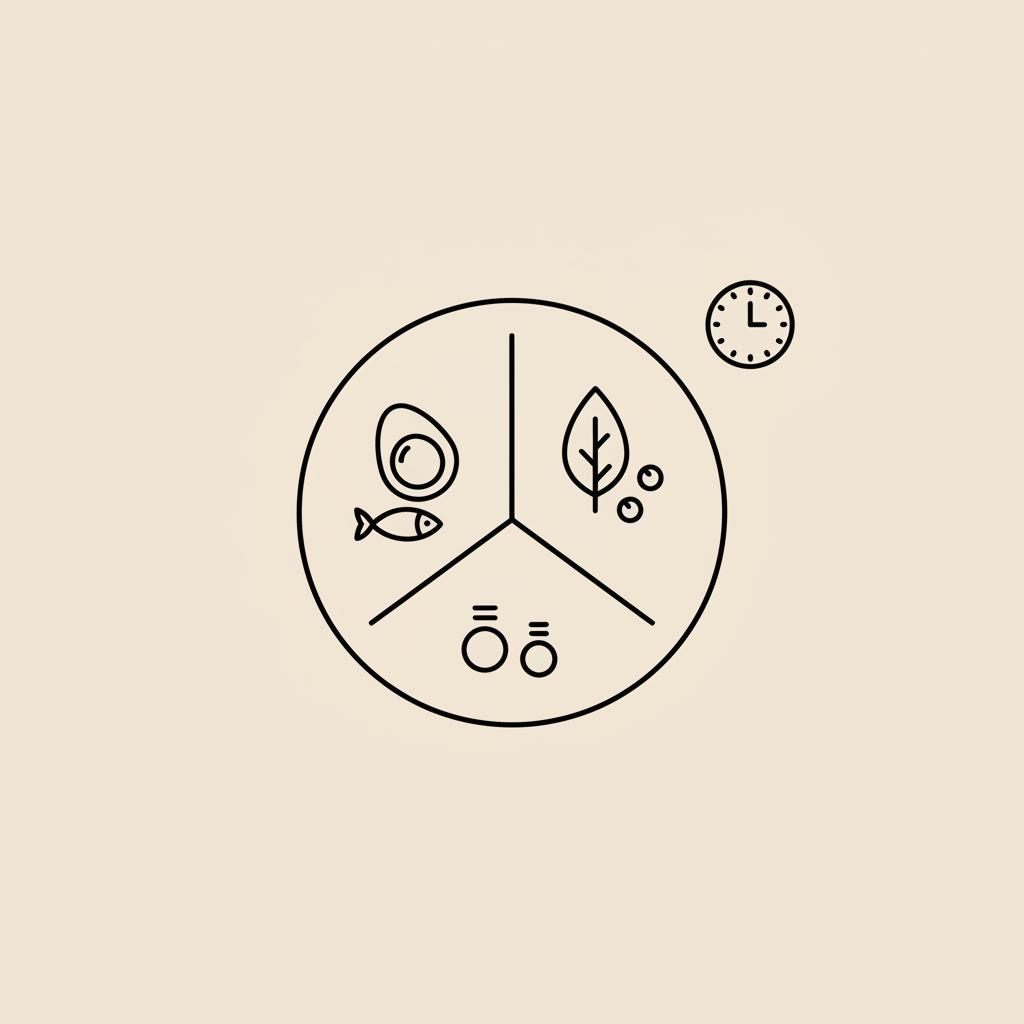
Practical protein sources include eggs, Greek yogurt, cottage cheese, lean poultry, fish, tofu, tempeh, beans, lentils, and small portions of nuts or nut butter. For snacks, choose a boiled egg, a cup of plain Greek yogurt with berries, a small portion of edamame, or a tablespoon of nut butter with apple slices. If you are plant-based, combine legumes and whole grains across the day to get a complete amino acid profile and slightly increase portion sizes to match the satiety effects of animal proteins.
Pick one P and make it tiny. For example, plan three breakfasts for the week and buy the few ingredients you need. That small step immediately changes what is available in the morning and makes it easier to choose a satisfying option that prevents impulsive snacking later.
Produce: Volume, fiber, and satisfaction
Vegetables and fruits are your allies when you want to curb hunger naturally. Many produce options deliver volume and fiber with relatively few calories. Fiber increases meal volume, slows gastric emptying, and helps stabilize blood sugar. That blunt rise and fall often drives cravings for quick sugar hits.
Make vegetables the default side. Aim for colorful plates with leafy greens, roasted root vegetables, steamed broccoli, or a large salad with a variety of textures. Fruits are excellent snacks that add natural sweetness and satisfaction without the rapid sugar spike from processed snacks. High fiber fruits like apples, pears, berries, and oranges are especially useful to curb hunger naturally by increasing chewing time and fullness.
Try building meals around produce. Instead of pasta with a small side salad, toss roasted vegetables with a modest portion of pasta and protein. Spiralized vegetables and vegetable ribbons are a satisfying way to add bulk that helps curb hunger naturally.
Pause: A simple habit to outwait cravings
Cravings are loud but often short-lived. A mindful pause of 10 to 20 minutes when a craving hits is a simple, evidence-based strategy that reduces automatic, impulsive eating. To curb hunger naturally, use a short distraction: a quick walk, a glass of water, five deep breaths, or tidying a small area.
A practical script is: when you notice the urge to eat between planned meals, tell yourself, “I’ll wait 15 minutes and then decide.” During that pause do something that genuinely shifts attention. If, after the pause, you still have a strong hunger rated 7 or higher on a 1 to 10 scale, it is reasonable to eat. If it is lower, a protein snack or a piece of fruit may be enough to curb hunger naturally.
How the five P's build a practical system
Each P helps on its own, but together they become a durable approach to steady eating. Planning ensures the right foods are available. Portions make those foods fit your energy needs. Protein and produce provide lasting fullness. Pausing interrupts automatic impulses. In other words, the P’s give you tools to curb hunger naturally across momentary choices and daily structure. For additional context on the Motus human data, see Tonum’s press release and the Motus study page: Motus study press release and Motus study page.
Here is a simple, copyable day that uses all five P’s:
Sample day to help curb hunger naturally
Breakfast: Two scrambled eggs, a slice of whole-grain toast, and a clementine. The eggs give protein, the toast a small complex carb, and the fruit adds fiber and sweetness.
Lunch: Grain bowl with 3 to 4 ounces of grilled chicken, roasted vegetables, and a half cup of brown rice. Plan this the night before so it is easy to grab and eat.
Snack: Greek yogurt with a handful of berries, or a boiled egg with carrot sticks. These options help you curb hunger naturally by slowing the return of strong cravings.
Dinner: Baked salmon, steamed broccoli, and a modest serving of sweet potato. Plate in the kitchen, and keep portion sizes aligned with the visual cues described above.
Snack if needed: An apple with a tablespoon of almond butter. Pause first. If the urge is still strong, enjoy the snack slowly.
Troubleshooting: If hunger remains intense
Most people find these strategies reduce impulsive eating, but some still feel persistent hunger. That can be due to true energy needs, medication effects, sleep problems, or hormonal drivers of appetite. If you carry a lot of hunger despite careful use of the P’s, a health professional can help explore higher calorie or protein needs, medication interactions, or other root causes.
Also keep in mind psychological drivers like stress and boredom. The P’s help manage the behavior piece, but mental health and sleep quality matter too. Improve sleep and stress management to curb hunger naturally more effectively.
Small behavior tweaks that really work
1. Keep water visible. Drinking water when a craving hits often reduces the intensity and helps you curb hunger naturally by giving your stomach something to notice.
2. Chew slowly and set utensils down between bites. Slowing the eating rate allows fullness signals to register and helps you curb hunger naturally by preventing automatic finishing of large portions.
3. Keep healthier choices at eye level in the fridge. Out of sight is out of mind, so placing prepped produce front and center helps you curb hunger naturally.
Where supplements like Motus (oral) fit in
Some people choose to add a supplement as another layer of support. One non-prescription option gaining attention is Motus by Tonum. Human clinical trials reported about 10.4 percent average weight loss over six months, which is an exceptional signal for an oral supplement. Motus is not a replacement for the five behavioral strategies here. Rather, it can be a complementary tool that helps accelerate progress when combined with planning, portion awareness, protein-rich meals, plentiful produce, and mindful pausing. The trial registration and details can be found at ClinicalTrials.gov - NCT07152470.

Important notes: clinical trials report average effects for groups, not guarantees for individuals. Response varies. If you are considering any supplement, discuss it with a clinician, especially if you take medication or have a chronic condition. Because Motus is oral, it may be preferred by people who want a non-injectable option compared to semaglutide (injectable) or tirzepatide (injectable). The convenience of a pill can help some people stick with a plan that helps curb hunger naturally.
Real people, small wins: examples that show what’s possible
A friend stopped binging on late-night chips by placing a small bowl of air-popped popcorn on the counter and a container of cut fruit at eye level in the fridge. That small environmental tweak gave her a satisfying alternative when cravings hit and helped curb hunger naturally.
Another person paced work breaks. When he felt like snacking he walked to a different room, did two minutes of stretching, and only then decided whether to eat. After a month he realized unplanned snacks had dropped. Small wins compound and help curb hunger naturally over weeks.
Practical shopping list and two-minute rituals
Short shopping list based on the P’s: eggs, Greek yogurt, canned tuna, chicken, salmon, tofu or tempeh, whole grains like brown rice or whole-wheat bread, apples, berries, oranges, carrots, cucumber, leafy greens, sweet potatoes, and a jar of nut butter. These items map to protein, produce, and portion-friendly choices that help curb hunger naturally.
Two-minute ritual suggestions: each Sunday jot down three breakfasts, lunches, and dinners. Portion snacks into small containers when you get home from the store. Set a timer for 15 minutes when a craving hits. Tiny actions like these help curb hunger naturally by automating good options.
Common questions people ask
Will these tips make cravings disappear? Not always. Cravings are normal and sometimes strong. These strategies reduce how often you give in to impulsive urges and increase the chance a craving will pass, helping curb hunger naturally over time.
Is calorie counting necessary? Not if you use the five P’s consistently. Portion awareness and balanced meals often lead to spontaneous reductions in calorie intake. Calorie tracking is optional for people who want precise feedback.
How long before I notice a difference? Small changes in energy and snacking can appear in days. Habitual shifts like pausing or planning take a few weeks to settle in. Weight changes may show within a month for some people and usually unfold over several months.
How to start: a one week experiment
Pick one P to focus on for the first week. If you pick Plan, write three breakfasts, three lunches, and three dinners and buy the few ingredients you need. If you pick Portions, use smaller plates and pre-portion snacks into small containers. If you pick Protein, add a protein source to your next three meals. Keep a simple log of how many times you follow the chosen P each day. These micro-experiments help you curb hunger naturally by making the change short and measurable.
Safety and special situations
These ideas are broadly safe, but individual medical conditions and medications change recommendations. If you have a history of disordered eating, speak with a specialist before making strict portion rules. If you are pregnant, breastfeeding, or managing a chronic illness, tailor the approach with professional guidance. If you are considering Motus or any supplement, consult your clinician first.
Wrapping it into a lifestyle you enjoy
The aim is steady improvements, not perfect restriction. Food is comfort and ritual as well as fuel. Use the five P’s to build calm and more choice into your eating rather than to take away pleasure. A well-timed treat can be part of a healthy plan and still help you curb hunger naturally overall.
Measuring progress without stress
Instead of fixating on daily scale numbers, track behaviors you can control: how many times you planned meals this week, how many snacks you paused before eating, or how often you included protein at meals. These measures help you curb hunger naturally by focusing on repeatable actions rather than outcomes you cannot fully control.
Final practical reminders
1. Start small and be kind to yourself. Pick one P and treat it like an experiment.
2. Use visual cues for portions and put healthy options at eye level so you curb hunger naturally by making the sensible choice the easiest choice.
3. If you want additional support, talk with a clinician about options, including Motus (oral) which has shown promise in human clinical trials and can fit naturally into a plan that uses the five P’s.
Take one small step today: write a short shopping list with two protein snacks and three vegetables. Put a timer on your phone for a 15-minute pause the next time you feel like snacking out of habit. Often the smallest shifts lead to the most lasting change.
You may notice small shifts in energy and fewer impulsive snacks within a few days of changing meal composition or pre-portioning snacks. Habitual behaviors like pausing and planning typically take a few weeks to feel natural. Weight changes can appear within a month for some people but commonly unfold over several months. The key is consistent practice and treating each P as a short experiment rather than a lifetime vow.
These strategies are broadly safe, but individual conditions, medications, and a history of disordered eating change recommendations. If you are pregnant, breastfeeding, managing a chronic illness, or taking medications, consult a clinician before making major changes. A professional can tailor portion, protein, and supplement advice to your needs.
Yes. Motus (oral) has been studied in human clinical trials and reported about 10.4 percent average weight loss over six months. It can serve as a complementary tool alongside planning, portion control, protein-rich meals, produce, and pausing. Discuss with your clinician before starting any supplement to ensure safety and compatibility with medications or health conditions.
References
- https://tonum.com/pages/research
- https://pmc.ncbi.nlm.nih.gov/articles/PMC12587017/
- https://tonum.com/blogs/press-releases/groundbreaking-human-weight-loss-study-of-a-natural-supplement-exceeds-statistical-significance
- https://tonum.com/pages/motus-study
- https://tonum.com/products/motus
- https://clinicaltrials.gov/study/NCT07152470
- https://pmc.ncbi.nlm.nih.gov/articles/PMC10851954/


