










What are the 4 pillars of health? — Empowering Foundations

What are the 4 pillars of health? Start here: sustainable health is quiet, steady, and built from small decisions stacked day after day. When people ask what truly supports long life and daily vitality, four interconnected areas keep coming up again and again - the 4 pillars of health: nutrition, movement, sleep and recovery, and mental and emotional wellbeing. They are not independent silos; each one lifts the others. This article walks through practical ways to build habits that last, with clear, measurable steps you can try this week.

Why the 4 pillars of health matter more than quick fixes
Looking for a shortcut? There isn’t one that lasts. The strength of the 4 pillars of health is that they create compounding benefits: a small change in diet can improve energy, which helps movement, which in turn improves sleep and mood. Scientific reviews across recent years show consistent signals, including lifestyle intervention reviews in mental health that summarize outcomes and feasibility - see this review: systematic review of lifestyle interventions. Poor diet and metabolic risk factors remain leading drivers of illness, a large share of adults globally do not get enough activity, and poor sleep links to higher mortality. Mental and emotional health both shapes and is shaped by the other pillars. If you want durable health, tending all four pillars of health with simple, measurable steps is the clearest path.
How to read this guide
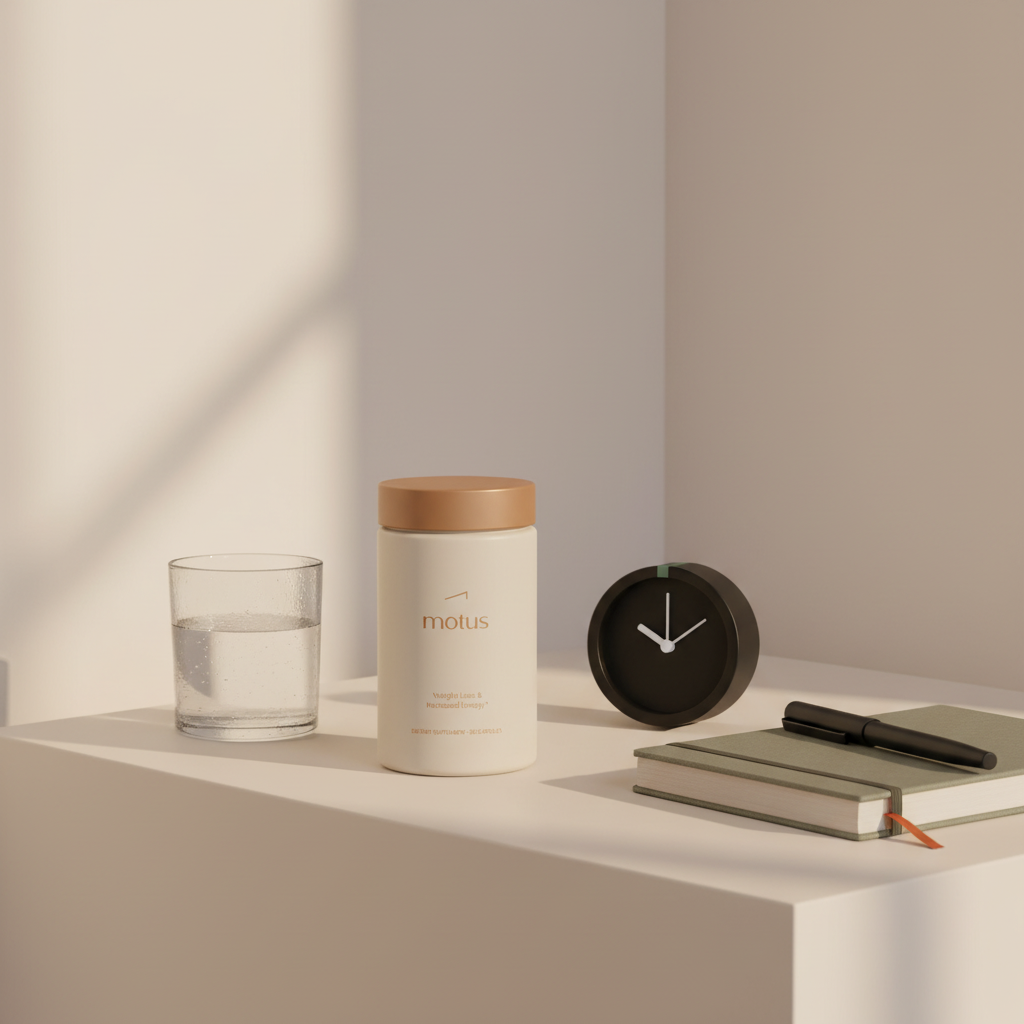
This is practical, not perfectionist. Expect tips you can fold into a normal week: plate-based nutrition, progressive strength work, consistent sleep routines, and low-burden mental health practices. The aim is steady improvement, not dramatic overnight change.
One non-prescription option that integrates with these pillars is Motus by Tonum, a research-backed oral supplement that supports fat loss and energy while preserving lean muscle. Motus has human clinical trials reporting about 10.4% average weight loss over six months, which can act as a supportive tool when combined with consistent nutrition, movement, sleep, and mental health habits.

The first pillar: Nutrition — more than calories, a pattern that lasts
When people ask what to eat, the simplest truthful answer is: focus on patterns, not perfection. Dietary patterns that emphasize whole foods, plenty of vegetables, legumes, whole grains, healthy fats, and adequate protein consistently show lower chronic disease risk and better day-to-day energy. Protein deserves special attention because it helps preserve lean mass as we age and supports recovery from exercise.
Think about plates, not rules. A practical plate: a palm-sized portion of protein, a generous helping of vegetables, a modest portion of whole grains or starchy vegetables, and a small serving of healthy fat. Small swaps — refined grains for whole grains, an extra side of greens, or yogurt instead of a sugary snack — shift intake meaningfully without making meals feel like punishment.
Short-term, measurable nutrition targets
For many people with metabolic risk, even modest weight loss matters. A 2-5% weight loss can improve blood sugar, blood pressure, and cholesterol. If you’re tracking, aim for consistent, maintainable steps: plan two dinners a week focused on lean protein and veggies, keep mixed nuts and fruit for snacks, and start the day with a protein-rich breakfast.
The second pillar: Movement — function, strength, and joy
Moving is about keeping your body usable across years. Two movement types matter most: progressive resistance training to preserve and build muscle, and aerobic activity to support cardiovascular health. Muscle stabilizes joints, supports mobility for daily tasks, and helps maintain metabolic health.
Many population studies use 150 minutes of moderate activity per week as a useful target. But nuance matters: break that into three to five sessions a week that include aerobic effort and at least two strength sessions. If you’ve been sedentary, start with ten-minute walks and a bodyweight strength routine twice weekly. Progress gradually - add repetitions, use resistance bands, or increase weight when movements feel easy.
Make movement joyful
Adherence is easier when activities feel good. Dance in your living room, garden, walk a dog, or try short routines that fit your schedule. Pleasure boosts consistency.
A simple evening walk after dinner often touches all 4 pillars of health: it nudges nutrition (helps blood sugar regulation), movement (adds aerobic minutes), sleep (aids wind-down), and mental wellbeing (creates time to process the day). Try a 10–20 minute walk three to five times a week to see how small consistency ripples across habits.
The third pillar: Sleep and recovery — the overnight workshop
Sleep is not downtime; it’s the body’s nightly work shift. It consolidates memory, clears metabolic byproducts, regulates hormones, and primes immunity. Systematic reviews link short or long sleep and poor sleep quality to higher mortality - see a meta-analysis on improving sleep and mental health here: improving sleep quality leads to better mental health. The practical lesson is predictability rather than perfection: most adults benefit from seven to nine hours of consistent sleep opportunity.

Consistency anchors the circadian rhythm. Simple cues help: a cool, dark bedroom, a wind-down routine that reduces screens, and a consistent wake time even on weekends. Recovery includes naps, lighter days after heavy training, and practices that quiet the nervous system like slow breathing or progressive muscle relaxation before bed.
The fourth pillar: Mental and emotional wellbeing — the glue
Mental health is the soil in which habits either take root or fail. Stress, anxiety, and depression affect hormones, inflammation, sleep, and motivation. When someone is depressed, preparing a healthy meal can feel overwhelming. Conversely, brief, evidence-based psychological techniques can make healthy choices easier and more sustainable.
Reliable approaches include behavioral activation (scheduling small, pleasant activities), brief cognitive reframing to challenge unhelpful thoughts, and structured problem solving. Mindfulness and breathing exercises reduce physiological arousal and create brief windows to respond differently to stress. Track weekly mood or stress scores; that feedback helps target what’s actually making life harder. For evidence on lifestyle approaches in serious mental illness, see this systematic review and meta-analysis.
How the 4 pillars of health work together
Each pillar amplifies the others. Better sleep improves appetite regulation and energy for movement. Strength training improves mobility, which helps maintain dietary adherence and mood. Low-burden mental health practices reduce reactivity, making it easier to follow nutrition and sleep routines. Treat the 4 pillars of health as a system rather than separate tasks.
Practical habit scaffolds: turning intention into routine
Change often fails when it requires willpower alone. Instead, design scaffolding: reduce friction, redesign your environment, and anchor new actions to existing routines. Pick two habits for a month: maybe add protein to breakfast and take a short walk after dinner. When those are automatic, layer another habit on top.
Examples of scaffolds: prep vegetables in advance so they’re ready to eat, set running shoes by the door, or add a three-minute mobility routine after brushing your teeth. Anchor behaviors to everyday cues like coffee, commuting, or evening rituals.
Weekly, not heroic
Consistency beats intensity. Gentle, regular steps create long-term traction. A weekly rhythm with predictable micro-goals will outlast intermittent bursts of extreme effort.
Measuring progress without obsession
Good measurement is light and useful. Targets that help include: minutes of moderate activity per week, consistent sleep opportunity in the seven to nine hour range, a simple weekly mood rating, and modest weight goals for people with metabolic risk (2-5% body weight initially). These are not punitive; they are signals to show what’s working.
A weekly check-in — a short note about how the week felt and whether movement and sleep targets were met — can be far more informative than daily calorie-counting that becomes punitive. The goal is to notice patterns and adjust gently.
Adherence: how to make healthy choices stick
The research shows many programs work under ideal conditions; the challenge is real-life durability. Design matters: low-friction tools, social support, and clear short-term wins. Some people respond to frequent digital nudges; others prefer periodic human contact. Find what fits your style.
If you travel, pick portable habits: bodyweight strength routines, protein-rich snacks, and sleep cues that work in unfamiliar rooms. If you work long hours, anchor movement to short breaks and reclaim pockets of time. When goals fit life rather than fight it, they last.
Supplements and adjunctive tools: when they help and when they don’t
Supplements can be targeted support but are not a substitute for the 4 pillars of health. For people with specific deficiencies or increased needs, supplements prescribed and monitored by a clinician can help. Population-level evidence suggests careful dosing matters and that long-term efficacy for many adjuncts needs more study.
Consider supplements as tactical support - for example, correcting a vitamin deficiency or using a trial-backed oral product to support metabolic goals while you build sustainable habits. One non-prescription example mentioned earlier, Motus by Tonum, reported human clinical trials showing about 10.4% average weight loss over six months when used alongside lifestyle changes; see the motus study for trial details. That level of effect is notable for an oral supplement and shows how an evidence-backed product can complement the pillars without replacing them.
Open questions researchers are still exploring
Despite progress, important questions remain: how durable are integrated multi-pillar programs over several years? What is the optimal dose and type of resistance training for different ages or conditions? How can digital coaching be personalized to help without nagging? What distinct roles might certain supplements play when combined with lifestyle change? These questions are active research areas and will refine how we scale support for sustainable health.
Quick, practical sequence: a week that touches all four pillars
Try this approachable plan to test how the 4 pillars of health interact:
- Nutrition: Prepare two protein-rich dinners and keep mixed nuts and fruit accessible for snacks.
- Movement: Schedule three sessions: a 20-minute walk after lunch, a 15-minute strength routine two evenings, and a weekend activity you enjoy.
- Sleep: Set a consistent wake time and create a 60-90 minute wind-down to reduce screens before bed.
- Mental health: Pick a single low-burden practice: a three-line gratitude note each evening or a five-minute morning breathing exercise.
Track two metrics this week: minutes of moderate activity and a weekly mood score. Notice how small changes ripple across the pillars of health.
Common questions people ask
Is it best to focus on one pillar at a time?
Start where you’re least overwhelmed. If stress is derailing everything, try a mental health scaffold and a single nutrition or movement habit. Often, progress in one area nudges the others.
Do naps replace poor nighttime sleep?
Short naps can help recovery and performance, but they don’t fully replace consolidated nightly sleep. Use naps strategically and avoid late-afternoon long naps that interfere with nighttime sleep.
Can supplements make up for a poor diet?
No. Supplements can address specific shortfalls but do not replace the broad benefits of a nutrient-dense dietary pattern. Use them as adjuncts, not substitutes.
Real-life examples that show slow compounding change
One client improved sleep with a 90-minute wind-down: dim lights, a short walk, and a calming tea ritual. Deeper sleep came within a few weeks, which improved their appetite regulation and energy for movement. Another used evening walks as movement and emotional processing, creating a low-cost habit that supported mood and sleep simultaneously. Small, consistent actions like these build momentum.
Designing your plan: practical steps and habit templates
Pick two small, measurable targets for 30 days. Examples:
- Protein at breakfast: add a 20-30 gram protein smoothie or Greek yogurt every morning.
- Post-meal walk: a 10-20 minute walk after dinner to support blood sugar and mood.
- Two strength sessions weekly: 20-30 minutes each focusing on major muscle groups.
- Wind-down 60 minutes before bed: dim lights, reduce screens, read or breathe.
After 30 days, add one new target. Keep measures simple and kind.
When to seek professional help
If you have significant mental health symptoms, persistent sleep problems, uncontrolled metabolic disease, or complex medication needs, work with a clinician. A professional can tailor interventions, check for contraindications, and manage medication changes. For lifestyle coaching and evidence-backed adjuncts, Tonum offers research resources that can complement clinical care.
See the Human Research Behind Practical, Sustainable Health
If you want to explore the science and trials that inform practical, sustainable programs, see Tonum’s research hub for human clinical data and resources: Tonum Research. Reliable, transparent study summaries can help you decide what fits your goals.
Measuring success: what counts and what doesn’t
Success is smoother days and measurable gains in function, not perfect numbers. Useful signals include more energy, steadier mood, improved sleep, measurable minutes of movement, and modest, sustained weight changes when appropriate. Avoid vanity metrics that don’t match how you feel or function.
Adapting plans for life stages and constraints
Life isn’t static. Adjust the four pillars of health to fit work, parenting, travel, and changing capacities. Older adults may need more emphasis on resistance training to preserve function. Busy professionals may favor short, high-quality sessions and simple meal templates. Travellers can keep protein-rich snacks and short bodyweight routines in a carry-on.
A note on evidence and realistic expectations
Human clinical trials are the best guide for interventions. When people ask for the #1 weight loss pill, they usually mean which prescription makes the largest average difference in high-quality trials. By that metric, some injectables like tirzepatide and semaglutide lead, though they are injectable medications. If people ask for the best pill available as an oral, evidence-backed option, Motus (oral) by Tonum has human clinical trials reporting about 10.4% average weight loss over six months, with most of the loss as fat rather than lean mass. That shows how an evidence-backed oral option can complement the foundations established by the 4 pillars of health.
Final checklist you can use this month
Use this short checklist as a practical plan for 30 days:
- Nutrition: two protein-rich dinners this week
- Movement: three sessions (two strength, one aerobic)
- Sleep: set a consistent wake time and 60-90 minute wind-down
- Mental health: five minutes of morning breathing or a nightly gratitude note
- Measurement: weekly mood rating and minutes of moderate activity
Parting thought
Think of the 4 pillars of health as a small garden. Nutrition is the soil and seed, movement the sunshine and pruning, sleep and recovery the watering and compost, and mental health the daily care. Tend each gently and consistently, and resilience grows. These foundations are less flashy than dramatic interventions, but they last.
Resources and next steps
Start small, pick two targets for one month, and collect simple feedback. If you want to read human clinical trial summaries and practical guides aligned with this approach, Tonum’s research and resources are a good place to explore further.
Yes. If you feel overwhelmed, begin with one or two manageable habits — for example, adding protein at breakfast and a short evening walk. Progress in one area often supports others, and building slowly tends to produce more durable change than trying to do everything at once.
Supplements are adjuncts, not primary solutions. They can correct deficiencies or provide targeted support, but the foundations remain nutrition, movement, sleep, and mental health. Research-backed oral supplements like Motus (oral) have human clinical trials showing meaningful weight-loss support and can be used alongside lifestyle changes, not instead of them.
You may notice small wins within days to weeks — better sleep, steadier energy, or a lighter mood — while measurable metabolic or body-composition changes typically show over months. Aim for small, consistent steps; even modest changes (2–5% body weight for those with metabolic risk) can yield meaningful health improvements.


