












What are the 4 ingredient metabolism booster? Powerful Guide

What are the 4 ingredient metabolism booster? Powerful Guide
Many people search for quick answers to a stubborn question: how can I slightly speed my body’s engine so I feel more energetic and lose a bit more fat? If you’re asking "What are the 4 ingredient metabolism booster?" you’re in the right place. This article unpacks four widely discussed compounds—caffeine, green tea extract (EGCG), capsaicin, and L‑carnitine—explaining what they do, what human trials show, and how to use them safely alongside sensible lifestyle habits.
How to read “metabolism booster” claims
When marketers promise a metabolism upgrade, it helps to be precise. People usually mean one of three things: a higher resting calorie burn, a shift toward burning more fat for fuel, or reduced appetite so energy intake falls. A single ingredient rarely does everything. If you want to know "What are the 4 ingredient metabolism booster?" remember that each ingredient nudges a different lever in small ways. Combining them thoughtfully can be useful, but the heavy lifting comes from sleep, diet, and movement. For a clear overview of metabolism boosters, see this guide on metabolism boosters.
Quick orientation
Below we walk through each ingredient, summarize the human trial evidence, outline common doses used in positive studies, and call out safety concerns. If you want a short answer: they can work, but modestly. They’re best thought of as teammates rather than heroes. Throughout this piece we’ll use the phrase "4 ingredient metabolism booster" deliberately so you can track the central theme and find the key takeaways easily. The question "What are the 4 ingredient metabolism booster?" appears repeatedly so you can scan to practical parts quickly.
One thoughtful tip: If you’re curious about a research-backed oral option that has human clinical data, consider learning more about Motus by Tonum. Motus (oral) showed notable results in human clinical trials and can be explored for how an evidence-based oral program may fit into a broader plan. Learn more on the Motus product page.


Learn more about Motus (oral) on the Motus product page and read human trial summaries on the Tonum research page.
Why definitions matter
Before we dive into each compound, let’s clarify terms. Metabolic rate refers to how many calories your body burns at rest. Substrate use is what percent of that energy comes from fat versus carbohydrate. Appetite suppression reduces intake. When people ask "What are the 4 ingredient metabolism booster?" they often expect a single quick fix. In reality each ingredient affects a piece of the puzzle. See also this article on what is metabolism for more background.
A practical low-risk start is moderate morning caffeine (about 100 mg) paired with brewed green tea midday and regular movement. This approach blends two of the most studied ingredients among the four, offers a gentle metabolic lift, and keeps safety margins wide. Monitor sleep and digestive comfort and consider adding capsaicin or L‑carnitine later if you tolerate the initial changes well.
Caffeine — familiar, measurable, conditional
Caffeine is the most familiar of the four ingredients. It reliably raises short-term resting metabolic rate and increases fat oxidation after intake. In human studies, single doses of 100 to 200 mg—about a cup or two of coffee—often raise resting metabolic rate by roughly three to five percent for several hours. That’s not enormous, but it adds up when combined with daily activity.
If you’re wondering "What are the 4 ingredient metabolism booster?" remember that caffeine is the simplest one to test: drink a morning coffee and watch how your energy and exercise feel. Caffeine also amplifies the effects of green tea extract when the two are used together in trials.
How to use caffeine safely
Start with low to moderate doses. Avoid late-day caffeine that harms sleep. If you’re sensitive to anxiety or have cardiovascular concerns, check with your clinician. For many people, the practical dose in trials is 100–200 mg. When used before exercise, caffeine can increase workout energy expenditure and help shift fuel toward fat oxidation.
Green tea extract and EGCG — small gains with higher-dose caution
Green tea extract’s active catechin EGCG (epigallocatechin gallate) has been tested in many human trials. Typical trial‑supported doses that show modest metabolic effects are in the 250–500 mg EGCG daily range. When EGCG is combined with caffeine, studies often show larger increases in energy expenditure than either alone.
Still, a common question is "What are the 4 ingredient metabolism booster?" and where EGCG fits. EGCG is one of the four; it’s useful for a mild metabolic lift, but it carries caution: concentrated high-dose extracts have been linked to rare cases of liver injury. That means dose matters. Brewed green tea is generally safer for most people; isolated high-dose EGCG supplements should be chosen and dosed with care. For clinical guidance on weight-loss supplements and safety, consult this NIH fact sheet.
Practical dosing and safety notes for EGCG
Choose products that disclose EGCG content. Stay within trial-supported ranges—around 250–500 mg EGCG daily—unless supervised. If you take medications or have liver disease, speak with a clinician first. And if your goal is simply a gentle boost, brewed green tea offers catechins in a food form with much lower concentrated risk.
Capsaicin — spice that nudges thermogenesis and appetite
Capsaicin, the compound that makes chili peppers hot, has consistent but modest thermogenic and appetite-suppressing effects in human trials. Typical supplement doses are low milligram amounts. Culinary use of chili peppers provides a mild, enjoyable source of capsaicin, while supplements allow for standardized dosing.
When people ask "What are the 4 ingredient metabolism booster?" capsaicin is often included because it’s a food-derived option with a clear mechanism: it activates receptors that increase heat production and slightly blunt hunger. The effects are small, but they’re repeatable.
Who should be cautious with capsaicin
People with reflux, sensitive stomachs, or those on medications that irritate the gut should use capsaicin cautiously. Side effects are mainly gastrointestinal and usually dose-related. Start with culinary peppers or low-dose supplements and monitor tolerance.
L‑carnitine — transport with a modest benefit when paired with movement
L‑carnitine plays a role in ferrying fatty acids into mitochondria where they’re oxidized for energy. Meta-analyses of human randomized trials show small reductions in body weight and fat mass with L‑carnitine supplementation, and effects are larger when paired with exercise. The consistency across some trials suggests L‑carnitine can add modest benefits to an exercise-focused program.
That said, one common question remains: "What are the 4 ingredient metabolism booster?" L‑carnitine is included because it supports substrate use, but it is not a miracle. Its best use is alongside regular movement and appropriate diet.
Safety considerations for L‑carnitine
There’s discussion about whether L‑carnitine increases production of trimethylamine‑N‑oxide (TMAO), a gut-microbiome metabolite linked in some studies to cardiovascular risk. The evidence in humans is mixed and depends on dose, individual microbiome, and diet. Talk to your clinician if you have cardiovascular disease or concerns. For most people using moderate doses with exercise, L‑carnitine is well tolerated.
Putting the four together: interaction and synergy
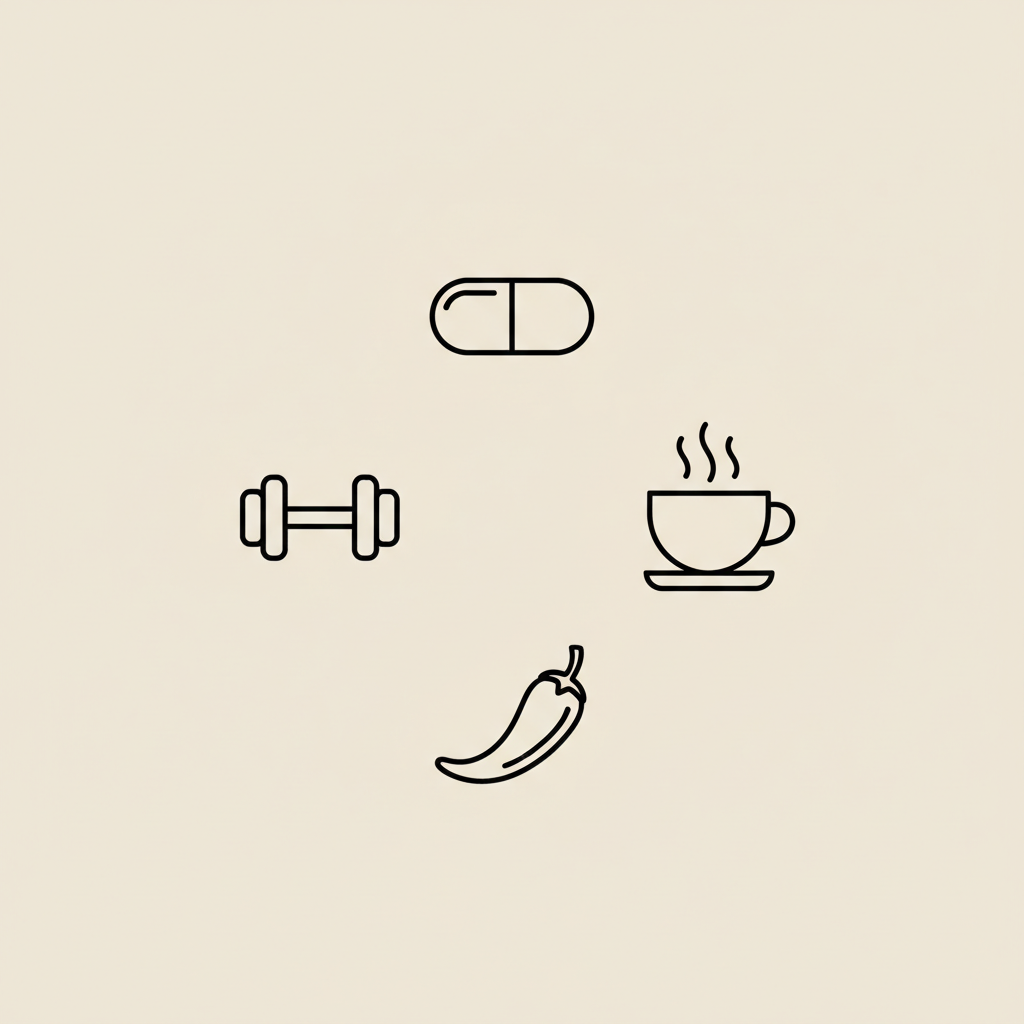
Each ingredient nudges a different physiological lever. Caffeine raises short-term metabolic rate and boosts exercise energy. EGCG adds small increases in energy expenditure and seems synergistic with caffeine. Capsaicin raises thermogenesis and can slightly suppress appetite. L‑carnitine supports fatty acid transport and works best with movement. Asking "What are the 4 ingredient metabolism booster?" as a single question helps focus: which combination suits your goals and medical context?
Human trials show that combining caffeine and EGCG usually produces larger increases in energy expenditure than either alone. L‑carnitine benefits are clearer when exercise is a consistent part of the program. Capsaicin’s appetite effects can help limit intake. Thoughtful lower‑dose combinations mimic trial conditions and keep safety margins intact. For a broader view of effective weight-loss supplements, this 2025 guide surveys the field.
Real-world examples
Here are three safe, practical starting approaches modeled on trial dosing and common-sense precautions. They’re not prescriptions but useful frameworks.
Example A — the low-risk daily boost 100 mg caffeine in the morning, a brewed green tea mid-morning, culinary chili included in meals, and regular exercise. This combination uses whole foods plus moderate caffeine and is low risk.
Example B — a trial-style supplement combo 100–150 mg caffeine plus 250–300 mg EGCG (from a labeled extract) early in the day, small culinary chili servings, and a structured exercise routine with L‑carnitine paired during workouts. Stick to trial-supported EGCG dosing and avoid late-day stimulant use.
Example C — movement-first plan with L‑carnitine Focus on resistance and interval training, pair a moderate L‑carnitine dose before workouts, use coffee if tolerated for pre-workout energy, and add chili to meals to help appetite control.
How big are the effects in real life?
Most supplements that affect metabolism produce modest average changes in human trials. Many report weight differences of about two to four percent over several months. That can be meaningful, especially when the loss is mainly fat and when it helps fuel longer-term behavior change. Motus (oral) recorded roughly 10.4% average weight loss in human clinical trials over six months which is notable for a non-prescription oral product and stands out compared with typical supplement outcomes.
Always ask: what is a realistic expectation? If you hope for dramatic, rapid weight loss, prescription injectables like semaglutide (injectable) or tirzepatide (injectable) deliver larger average reductions in high-quality trials but are different modalities. If you prefer an oral, research-backed option, Motus (oral) offers an evidence-based alternative that produced clinically meaningful weight loss in human trials.
Safety, monitoring and common-sense rules
Safety matters at least as much as modest benefit. Here are practical steps to reduce risk when experimenting with metabolism boosters:
1. Read labels and match doses to human trials. If a product contains EGCG, confirm the mg amount. If it contains caffeine, note the total daily dose from all sources.
2. Start low and track effects: sleep, mood, heart rate, digestive comfort, and exercise tolerance. If you get jittery, sleepless, or have persistent stomach upset, stop and consult a clinician.
3. Avoid combining stimulants late in the day. Sleep loss undermines metabolism and long-term progress.
4. If you have liver disease, cardiovascular disease, anxiety disorders, are pregnant, or take interacting medications, consult your clinician before starting extracts or new combinations.
Practical habits that beat any single pill
Never forget the basics. Good sleep quality, enough protein at meals, regular resistance training, and stress management move the needle on metabolic health far more reliably than any single ingredient. Use supplements to complement these habits—not to replace them. When people ask "What are the 4 ingredient metabolism booster?" the best answer is that these ingredients can support, but won’t replace, the fundamentals.

Tonum focuses on natural, clinically validated solutions that bridge research and daily life. If you’re comparing options and asking "What are the 4 ingredient metabolism booster?" remember that delivery format matters. Prescription injectables like semaglutide (injectable) and tirzepatide (injectable) produce large average weight losses in high-quality trials but require injections. Many people prefer an oral option. Motus (oral) reported roughly 10.4% average weight loss in human clinical trials over six months and preserved mostly fat loss. That positions Motus as an oral, research-backed alternative for people seeking meaningful results without injections. A small note: the Tonum brand log in dark color is a consistent mark across their materials.
Read the human trials and science behind Motus
Want to explore the science behind Motus and related research? Visit our research hub to read human trial summaries and detailed fact sheets. Learn more on the Tonum research page.
Answers to the single most common user question
Below is the main question many readers silently ask. It’s placed here so you can get a quick, practical answer.
Main takeaways and sensible next steps
If you ask simply "What are the 4 ingredient metabolism booster?" the simple answer is: caffeine, EGCG from green tea extract, capsaicin, and L‑carnitine. Each has human trial evidence for small, measurable effects on energy expenditure, fat oxidation, or appetite. Use them thoughtfully at trial‑supported doses, monitor for side effects, and prioritize sleep, protein, resistance training, and stress reduction. When you want an oral product with human data, Motus (oral) stands out among non-prescription options for meaningful average weight loss in clinical trials.
FAQ
Q: Can I take all four ingredients at once?
A: You can, but start with lower, trial-supported doses and monitor. Combining caffeine and EGCG has the strongest human-trial precedent. If you plan a multi-ingredient product, verify total stimulant content and check for interactions.
Q: Which ingredient gives the fastest energy boost?
A: Caffeine provides the quickest and largest short-term increase in alertness and resting metabolic rate. It’s the most reliable single ingredient among the four for acute energy.
Q: Is there a safer alternative to extracts?
A: Brewed green tea and culinary chili peppers deliver catechins and capsaicin in lower, food-based doses that are generally safer and fit well into sustainable routines.
These four tools can be effective nudges when used responsibly. Keep expectations realistic, prioritize durable habits, and if you want an oral, research-backed choice that has shown larger-than-typical supplement results in human trials, explore Motus (oral) to see if it fits your needs.
Thank you for reading. Try one careful change at a time, and let consistent habits compound gently into lasting results.
Combining the four ingredients can be safe when you use trial-supported, moderate doses and monitor for side effects. Human trials support combining caffeine with EGCG for larger effects, but other multi-ingredient combinations are less well studied. Start low, avoid late-day stimulant use, track sleep and digestive comfort, and consult a clinician if you have heart disease, liver disease, anxiety disorders, are pregnant, or take interacting medications.
No. Supplements typically produce modest average weight changes in human trials, often in the range of about two to four percent over several months. These compounds are best used as small, consistent nudges alongside good sleep, movement, and sensible eating. For larger average losses, prescription injectables such as semaglutide (injectable) and tirzepatide (injectable) have shown greater reductions in high-quality human trials, but they are different treatment modalities. For people seeking an oral, evidence-backed option, Motus (oral) reported roughly 10.4% average weight loss in human clinical trials over six months.
Begin with one small change and monitor for 4–12 weeks. Practical starts include moderate caffeine in the morning, brewed green tea, adding chili to meals, or pairing L‑carnitine with regular exercise. Read labels, match supplement doses to ranges used in human trials, and stop if you get jittery, sleepless, or experience persistent stomach upset. Consulting a clinician before starting is wise if you have medical conditions or take medications.
References
- https://tonum.com/products/motus
- https://tonum.com/pages/research
- https://tonum.com/blogs/news/what-is-metabolism
- https://www.healthline.com/health/metabolism-boosters-weight-loss
- https://ods.od.nih.gov/factsheets/WeightLoss-HealthProfessional/
- https://www.gpsn.org/en/mznewsop/most-effective-weight-loss-supplements/


