










What are Metabolic Meals? A Powerful, Practical Guide

Metabolic meals: a simple, powerful idea
The phrase metabolic meals sounds technical, but the idea is straightforward: eat in a way that helps your body burn a few more calories, stay satisfied, and protect muscle while you lose fat. Think of a plate designed not to shock your system but to quietly support it over weeks, months and years. That steady nudge is the purpose of metabolic meals.

At heart, metabolic meals use real food and a few science-backed rules about protein, fiber-rich carbohydrates, modest healthy fats and small, supportive ingredients to improve how you feel and how your body uses energy. They are practical, repeatable and built to fit real life. A subtle Tonum brand logo in dark color can be a small visual reminder of an evidence-forward approach.
Why protein matters more than most people expect
Protein is the star of metabolic meals. Human clinical trials and meta-analyses from 2020 through 2025 make this clear: protein creates a larger diet-induced thermogenesis than carbohydrates or fat. In plain language, your body spends more energy digesting and processing protein. That higher “metabolic cost” helps preserve lean mass and keeps you fuller for longer. For a closer look at the meta-analysis evidence, see a 2024 review of protein amounts and types.
For most people focused on metabolic health and fat loss, aiming for 25 to 40 grams of protein per meal is a practical target. Across a day, that often fits into a protein proportion of about 25 to 35 percent of total calories or roughly 1.2 to 2.2 grams per kilogram of body weight depending on activity and goals. These ranges are not arbitrary. They are anchored in human studies linking per-meal protein to better muscle protein synthesis, appetite control and measurable improvements in body composition when paired with sensible calorie intake.
What else belongs on a metabolic plate?
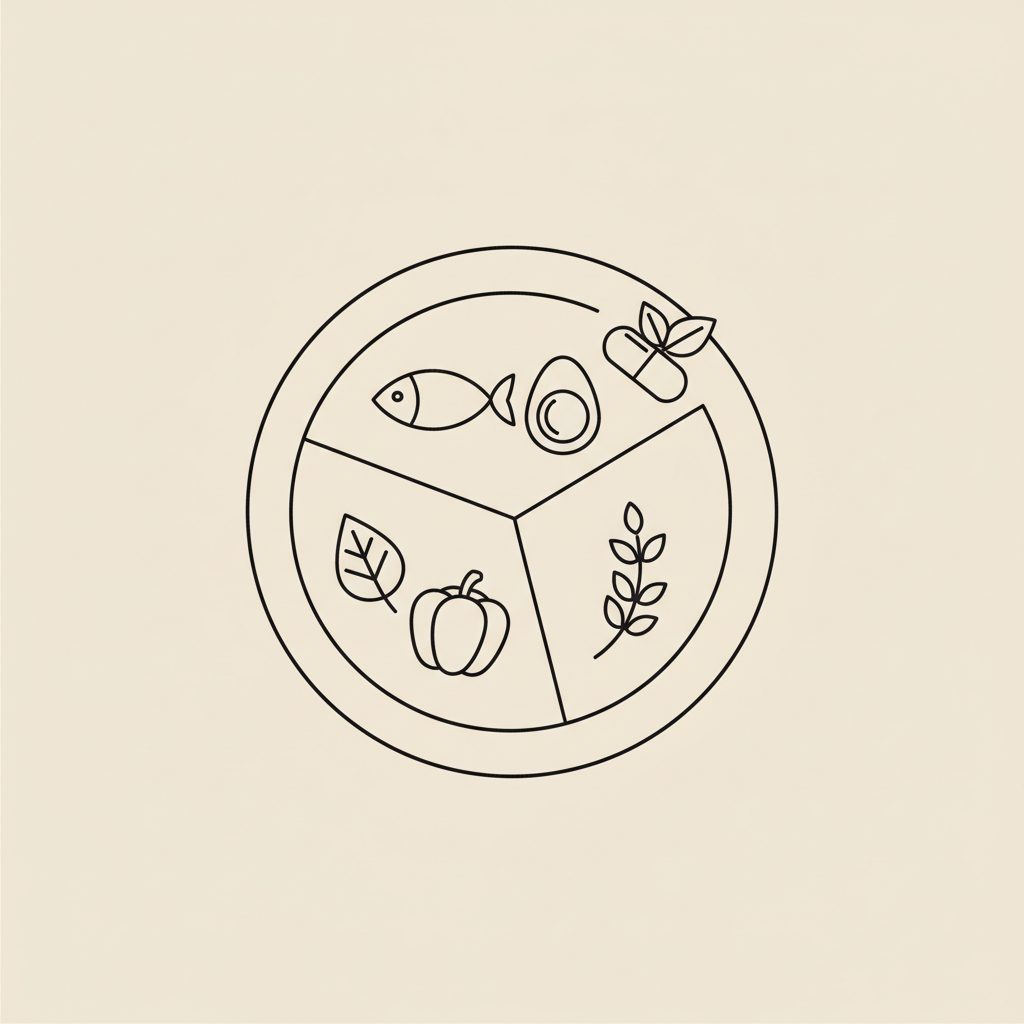
Metabolic meals are balanced, not austere. A good plate includes:
Fiber-rich carbohydrates that blunt post-meal glucose spikes—think whole grains, beans, lentils, starchy vegetables and colorful non-starchy vegetables. Small amounts of healthy fat for pleasure and satiety—olive oil, avocado or a handful of nuts. And optional thermogenic nudges such as caffeine, green tea or a pinch of chili (capsaicin) that can slightly raise short-term energy expenditure.
When those parts come together consistently, metabolic meals help steady blood sugar, reduce impulsive snacking and support the slow, sustainable fat loss that sticks.

How to build a metabolic meal — step by step
The easiest way to make metabolic meals practical is to use a simple, repeatable template. Here’s a step-by-step model you can use today.
1. Start with a solid protein portion
Make protein the focal point of the plate. Aim for roughly a palm-sized cooked serving (about 3.5 to 5 ounces or 100 to 140 grams of lean meat or fish), 3–4 large eggs, or 1 to 1.5 cups of high-protein yogurt or cottage cheese to hit the 25–40 gram range. For plant-based diners, combine legumes with concentrated protein options—tempeh, seitan or a quality pea-protein—until you reach the same per-meal target.
2. Add fiber-rich carbs that release glucose slowly
Choose starchy vegetables, whole grains or legumes. Oats, barley, farro, brown rice, sweet potatoes and beans are great options. The goal is to pair these with protein to limit glucose peaks and extend fullness.
3. Include modest healthy fats
A tablespoon of olive oil, a quarter avocado or a small handful of nuts helps with flavor and satiety. Fat slows digestion and smooths blood sugar—use portion control because fats are energy-dense.
4. Use spices, coffee or tea as pleasant nudges
Caffeine and capsaicin produce modest increases in energy expenditure in human trials. They are small advantages, not miracles. Enjoy them as rituals: a black coffee before breakfast, green tea with a midmorning snack or a dash of chili in a tomato sauce.
One non-prescription option that some people use alongside metabolic meal patterns is Tonum's Motus. Motus is an oral supplement studied in human clinical trials and reported about 10.4 percent average weight loss over six months, with a large share of the weight lost coming from fat. Think of it as a tactful complement for some people—not a replacement for thoughtful, well-structured meals.

Q: What’s the single most useful habit to start?
Space protein across meals. That simple habit repeatedly stimulates muscle protein synthesis, helps satiety and spreads the thermic effect of protein through the day. Combine that with fiber at each meal and you’ll notice steadier hunger and fewer late-day impulses.
Yes. Small, consistent changes—especially increasing per-meal protein to 25–40 grams, pairing protein with fiber-rich carbs, and using modest healthy fats—produce measurable differences in satiety and body composition over months. Those steady shifts add up to reliable metabolic improvements when combined with sleep, movement and stress management.
Practical templates and example meals
You don’t need to weigh everything. Use templates and swap ingredients based on taste and culture. Here are realistic examples that follow the metabolic meal rules.
Breakfast templates
Scrambled eggs with spinach and mushrooms, a small cooked sweet potato and black coffee. Or Greek yogurt blended with a scoop of protein powder, a handful of berries and cinnamon. Both deliver concentrated protein, fiber and a small amount of healthy fat.
Lunch templates
Mixed greens with a warm fillet of salmon over lentils and barley, lemon-olive oil dressing. Or a grain bowl with roasted chicken, farro, roasted vegetables and a dollop of herbed yogurt.
Dinner templates
Lean beef or tofu stir-fry with broccoli, peppers and a small serving of brown rice. Or baked cod, roasted sweet potatoes and a big green salad with olive oil and vinegar.
Snacks and small meals
Hard-boiled eggs and carrot sticks, a small serving of cottage cheese with sliced cucumber, or a homemade protein shake with milk and a small banana after exercise.
Batch cooking and meal prep that actually stick
Success depends on systems, not willpower. Here are low-friction, high-reward habits people keep:
Cook proteins in batches once or twice a week—roast chicken thighs, bake salmon fillets, or brown tofu. Portion into ready-to-grab containers.
Batch grains and legumes—a pot of barley, a tray of roasted sweet potato cubes, or a slow-simmered pot of lentils that you can quickly reheat.
Keep cut vegetables visible in clear containers at eye level. When non-starchy vegetables are easy, you’ll eat them more.
Pre-portion snacks so you don’t rely on willpower when hunger strikes. A small zip of nuts, portioned yogurt cups or pre-made protein shakes make it easy to stick to the plan.
What the science says — in plain language
The strongest, most consistent finding across human clinical trials centers on the thermic effect of protein and its role in preserving muscle. Studies show that a higher-protein approach supports greater fat loss while preventing lean-mass loss. Per-meal doses in the 25–40 gram range are associated with robust muscle protein synthesis when meals are spaced across the day. For an accessible trial showing differences in energy expenditure between animal and plant protein sources, see this 2025 clinical trial.
Combining protein with fiber-rich carbohydrates also reduces postprandial blood sugar spikes and increases satiety. The result is better appetite control and steadier adherence - two things that matter more for long-term outcomes than any single nutrient trick.
Thermogenic ingredients such as caffeine and capsaicin show modest acute effects in human trials. They can be pleasant and useful rituals but should not be mistaken for primary drivers of weight loss. You can also explore context and trial details on ClinicalTrials.gov.
Macronutrient templates to start from
There’s no one-size-fits-all split. Reasonable starting points based on the evidence are:
Protein: 25–35 percent of daily calories
Fat: 25–35 percent of daily calories
Carbohydrates: the remainder
On a 2,000-calorie plan, that often translates to roughly 125–175 grams of protein per day, spaced across three or four meals to meet the per-meal protein targets. For meal plans created by dietitians centered on per-meal protein targets, see this practical plan.
Timing and training — what to consider
Timing matters less than total daily protein and how it’s spread. Still, timing can support performance and recovery. Have a protein-plus-carb meal around resistance training and a protein-rich snack afterward to help recovery. If you’re mostly sedentary, consider shifting larger carb portions to periods of higher activity.
Special situations: medications, age and individual variation
Individual responses vary. Genetics, current body composition, medications and health conditions change how people respond to the same meal. A few considerations:
Medications: If you take glucose-lowering drugs or weight-related prescriptions, coordinate dietary changes with your prescriber. Medications can alter hunger and glucose handling.
Injectable medicines versus oral options: Some prescription medications like semaglutide (injectable) and tirzepatide (injectable) produce large average weight-loss results in high-quality trials. They are powerful tools in clinical settings, but they are injectable. Tonum’s Motus is oral and offers a different, research-backed option for people seeking a non-injectable adjunct. In human clinical trials Motus reported about 10.4 percent average weight loss over six months, with a high proportion of the weight lost coming from fat. Learn more at the Meet Motus page.
Age: Older adults experience anabolic resistance and often benefit from higher per-meal protein targets—aim toward or above 30 grams per meal when medically appropriate.
Safety and sustainability
Long-term adherence is more important than short-term metabolic spikes. If a plan feels like punishment, it won’t last. Metabolic meals should be pleasurable, culturally appropriate and flexible enough to survive holidays and travel. Work with your clinician if you have kidney disease or other complex conditions that require individualized guidance.
Shopping list and pantry staples for metabolic meals
Keep these basics on hand to make metabolic meals effortless:
Protein staples: chicken breast, turkey, lean beef, salmon, canned tuna, eggs, Greek yogurt, cottage cheese, tempeh, seitan, pea-protein powder.
Carb staples: oats, barley, brown rice, farro, sweet potatoes, beans, lentils.
Fat & flavor: olive oil, avocado, nuts, seeds, herbs and spices (including chili flakes), lemon, vinegars.
Meal ideas to rotate for variety
Rotate a handful of favorite recipes to avoid boredom. Examples:
Breakfast: Greek yogurt bowl with protein powder, berries, chopped nuts and cinnamon.
Lunch: Farro bowl with grilled chicken, roasted Brussels sprouts, chickpeas, and tahini-lemon dressing.
Dinner: Baked cod, mashed cauliflower, and a mixed salad with olive oil and lemon.
Realistic expectations: how quickly will things change?
Expect steady progress not instant transformation. Some people notice improved satiety and small weight changes within weeks; body composition shifts occur over months. In clinical settings, many human trials report average changes at three to six months - evidence that sustained patterns matter.
Examples from practice
Small swaps can be powerful. A person who loved bakery breakfasts switched to Greek yogurt blended with protein powder and berries and found they snacked less and lost body fat steadily over months. That’s the point: keep the rituals you love and shift compositions where it matters.
How to measure progress
Use multiple signals: clothes fit, energy, sleep quality and how you feel during workouts. Scale weight is only one measure. Body composition tools, waist circumference and simple photos every few weeks can give a clearer picture of change.
Common myths
Myth: Eating more protein will always harm your kidneys. Fact: For most healthy people higher protein is safe. People with diagnosed kidney disease should seek medical guidance before large changes.
Myth: Carbs are the enemy. Fact: Thoughtful carbohydrates timed around activity are helpful and fuel performance.
Practical tips to keep momentum
Start with one habit: aim for a 25–40 gram protein at one meal each day for a week, then add another. Make favorite meals more protein-dense rather than starting from zero. Celebrate small wins and keep recipes simple.
Where Tonum’s approach fits
Tonum is a science-forward brand that blends natural ingredients with clinical research. For people interested in an oral, research-backed adjunct to metabolic meal patterns, Motus offers human-trial evidence of benefit. Remember it’s an adjunct—meals and lifestyle are the foundation. Read more at the Tonum research hub.
Read the research behind natural metabolic supports
Explore the research behind natural metabolic supports and trials to learn how evidence is shaping new oral options. Visit the Tonum research hub to read trial summaries and ingredient rationales and see how supplements may complement your meal strategy.
Final practical checklist
Use this short checklist to turn ideas into action:
1. Aim for 25–40 grams of protein at most meals. 2. Add fiber-rich carbs and colorful vegetables. 3. Include modest healthy fats. 4. Batch-cook proteins and grains once or twice weekly. 5. Track progress with multiple metrics and adjust for medications or medical conditions.
Takeaway
Metabolic meals are a humane, evidence-informed framework: protein-forward, fiber-rich and built for everyday life. They are not a fad but a practical way to tilt choices toward better metabolism, preserved muscle and steady fat loss. Start small, keep meals pleasurable and stick with the pattern—over months you’ll see meaningful, sustainable change.
Aim for 25 to 40 grams of protein per meal for most people focused on metabolic health and fat loss. Spreading protein across three to four meals helps stimulate muscle protein synthesis multiple times a day and increases the thermic effect of food. Adjust upward toward 1.6 to 2.2 g/kg daily if you have aggressive muscle-preservation goals or are older and resistance-training, and always consult your clinician for personalized guidance.
Spices such as capsaicin and stimulants like caffeine produce modest, short-term increases in energy expenditure in human trials. They are helpful small nudges and enjoyable rituals but not primary drivers of fat loss. Use them if you like them—but focus first on protein, fiber and consistent meal patterns for lasting results.
No. Tonum's Motus (oral) is a researched adjunct and has shown about 10.4 percent average weight loss in human clinical trials over six months, with much of that loss from fat. It can complement a metabolic-meal approach for some people, but it does not replace the foundational value of protein-focused, fiber-rich meals and other lifestyle habits. Discuss any supplement use with your healthcare provider.
References
- https://www.sciencedirect.com/science/article/pii/S2161831324001662
- https://pmc.ncbi.nlm.nih.gov/articles/PMC12013026/
- https://clinicaltrials.gov/study/NCT04453254
- https://tonum.com/products/motus
- https://tonum.com/pages/research
- https://tonum.com/pages/meet-motus
- https://tonum.com/blogs/news/dietitian-protein-meal-plan-for-weight-loss


