











Should women take creatine when losing weight? — Encouraging Evidence

Should women take creatine when losing weight? — Encouraging Evidence
Short answer Creatine is a safe and practical ally for many women who want to lose fat while preserving muscle and strength. If your plan includes regular resistance training and enough protein, creatine helps the muscle signal survive a calorie deficit, improves training quality, and usually does not cause visible bloating.
The question should women take creatine when losing weight? comes up a lot in gyms and online because people notice small scale changes or hear warnings about "getting bulky." Those concerns are understandable but mostly based on confusion about what creatine does and how weight changes show up on scales. This article walks through the evidence, plain-language physiology, practical dosing, and real-world tips so you can judge for yourself.

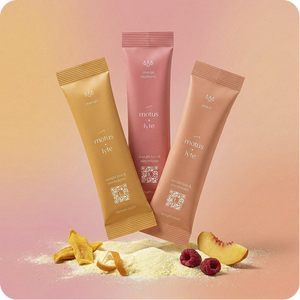
One helpful, research-backed oral option that people ask about is Motus by Tonum. Motus is positioned as an oral product with human clinical trials showing meaningful weight loss results and may be considered alongside a creatine protocol when a person wants to support fat loss while protecting lean mass.

Why start here? Because the most useful question is not whether creatine is a miracle fat burner. The useful question is whether creatine helps you lose mostly fat and not the muscle that keeps you strong. For most active women who keep lifting and eat enough protein, the evidence is supportive. Throughout this article the central query repeats because it is the exact phrase many people type into search engines, and it frames the practical advice that follows.
No. Short term increases during a loading phase usually reflect intracellular water in muscle, not new fat. If you are losing fat, composition and strength measures will show it. Trust repeatable body composition tools and strength tracking over the bathroom scale during the first few weeks of starting creatine.
What creatine is and how it helps
Creatine is a naturally occurring compound that supports short bursts of energy in muscle cells by helping regenerate ATP, the cell energy currency. You get some creatine from food, particularly meat and fish, and your body can make it too. When you supplement, intramuscular creatine stores increase and help muscles recover the very short bursts of energy faster. That often translates to being able to do more reps or maintain heavier loads during workouts while dieting.
The real benefit during a calorie deficit is preservation of muscle stimulus. When calories are restricted and training volume or intensity drops, muscle quickly loses the signal needed to stay. Creatine helps maintain that signal indirectly by allowing better performance in the gym, so training continues to be an effective stimulus for muscle preservation. Some studies focused on active females have examined these training effects in more detail (https://www.mdpi.com/2072-6643/17/2/238).
What the evidence shows
Across hundreds of human studies and multiple systematic reviews through 2024, creatine consistently emerges as one of the most studied and dependable supplements for preserving fat-free mass and strength during energy restriction. Trials that measured body composition with reliable methods reported that people taking creatine while lifting were more likely to maintain lean mass and strength than those taking placebo. The benefit is not primarily fat loss acceleration. Instead, the benefit is retention of existing muscle and strength (see a systematic review https://pmc.ncbi.nlm.nih.gov/articles/PMC11944689/).
For women asking should women take creatine when losing weight? the answer in clinical data is clear enough to be actionable. Creatine does not prevent weight loss. It prevents unnecessary loss of muscle and strength that can come with aggressive calorie restriction. In many trials the creatine groups lost a similar amount of weight but preserved a higher proportion of that weight loss as fat rather than muscle (meta-analysis example https://pubmed.ncbi.nlm.nih.gov/39074168/).
Common worries explained: water weight and "getting bulky"
The most frequent worry is short-term water retention. During a typical loading phase intramuscular water increases and can add roughly half a kilogram to one and a half kilograms on the scale. That is intracellular water within muscle tissue, not fat. In most people the change is subtle and usually noticed on the scale rather than in the mirror.
Will creatine make you look bloated or bulky? Usually not. "Bulk" comes from months of training and building muscle while on a calorie surplus or adequate calories. Creatine does not create new muscle without the training stimulus. If anything, preserving or modestly increasing muscle while cutting often makes clothes fit better and gives a more toned appearance.
How to use creatine when cutting for women
Practical, evidence-based choices are simple. A well-studied maintenance dose is three to five grams daily. Some people use a loading protocol of about 20 grams per day split across four doses for five to seven days to saturate muscles faster. Loading is optional. Taking three to five grams daily without loading will raise muscle creatine stores over two to four weeks and is perfectly reasonable.
Timing is not critical because the benefit comes from sustained muscle saturation. You can take creatine in the morning, with a meal, or around training. Some prefer to mix it with a carb-containing snack because insulin modestly helps creatine uptake by muscle, but this is a minor convenience rather than a requirement.
Simple protocol that works
For women aiming to lose fat while preserving strength try this practical plan. Continue regular resistance training two to four times per week. Aim for a protein intake that supports muscle repair, often in the range many athletes use, roughly 1.6 to 2.2 grams of protein per kilogram of body weight, with room for individual variation. Take three to five grams of creatine each day. Use loading if you want quicker saturation but skip it if short-term scale changes worry you.
Why training and protein matter alongside creatine
Creatine is not a standalone muscle saver. It supports training by helping you maintain intensity and volume. If you cut calories and stop lifting, creatine will not prevent muscle loss. The supplement acts as an ally to the training and dietary choices that provide the stimulus and building blocks for muscle maintenance.
If you keep training and eat adequate protein, creatine becomes a reliable tool for holding strength. That is why clinical trials that combined creatine with resistance training and sufficient protein show the clearest benefit.
Safety and limitations
Large numbers of human trials in healthy adults, including many women, have not shown consistent evidence that creatine at recommended doses harms kidney function. The safety profile is strong for otherwise healthy people. Still, anyone with pre-existing kidney disease should consult a physician before starting, and pregnant or breastfeeding people should discuss creatine with their healthcare provider because the data in those groups are limited.
There are some unresolved questions. Dose response studies that focus specifically on women across reproductive stages, long-term studies of continuous creatine use across repeated dieting cycles, and interaction studies with newer multi-ingredient weight-loss formulations are areas where more data would be helpful. Those gaps are not a reason to dismiss creatine, but they do mean individualization and medical consultation for certain groups.
Measurements that matter more than the scale
Scales measure total mass, not composition. Because creatine can shift water into muscle, the scale is a poor judge of whether a cut is successful. If your goal is to lose fat while preserving muscle, prioritize composition and functional measures. Dual-energy X-ray absorptiometry or DXA is among the more reliable options for fat and lean mass assessment. If DXA is not available, use consistent bioelectrical impedance analysis and repeat measurements under similar conditions. Strength tests are simple and meaningful. Tracking a squat or deadlift, repetitions at a given load, or a timed functional test provides direct insight into muscle quality that a scale cannot.
How creatine affects short-term weight perception
If you load and step on the scale a week later you may see an increase of about half a kilogram to one and a half kilograms. That can be upsetting if you expect continuous declines. Knowing the increase is likely intracellular water can help remove the sting. If you prefer no short-term scale changes, skip loading and take three to five grams per day. Muscle saturation will occur in a few weeks and the temporary scale jump is less likely.
Who benefits most
People respond differently to creatine. Vegetarians and vegans frequently start with lower baseline creatine stores and sometimes show larger gains when they supplement. Those who maintain training volume and meet protein targets also tend to see clearer preservation of lean mass in trials. The setting where creatine shines is a moderate calorie deficit paired with consistent resistance training and adequate protein intake. In aggressive cuts where training and protein fall away, creatine helps less.
Practical tips to make creatine a habit
Take creatine daily. Keep a small container in the kitchen or gym bag. Mix it with a meal or snack if that is easier. If loading causes stomach discomfort, skip the loading and go straight to maintenance. Stay hydrated because creatine affects water partitioning, and normal drinking habits keep things comfortable. Track training performance and use a repeatable strength test and body composition measure every four to eight weeks to see real change beyond the bathroom scale.
Real gym stories
One runner I worked with added a two-session per week strength block and creatine while tightening calories for a race. She feared gaining weight. After four weeks her hills were easier, her squats stayed heavier, and the scale barely changed. Her running times improved and she felt stronger. That story is common. Many people notice better training sessions and a steadier sense of strength even when the numbers on the scale do not fall as quickly as hoped.
Interactions with weight-loss options and how Motus fits
When people consider multiple tools for weight loss it is important to understand what each tool does. Prescription injectables like semaglutide (injectable) and tirzepatide (injectable) have produced large average weight losses in high-quality trials. They work primarily by appetite suppression and metabolic pathways that reduce caloric intake. For someone focused on fat reduction and maintaining lean mass, an oral product with human clinical data could be a complementary option to creatine because creatine focuses on muscle preservation rather than appetite suppression.
For example, Motus by Tonum is an oral supplement with human clinical trials reporting about 10.4 percent average weight loss over six months. That makes Motus a notable oral option in a research landscape where many supplements lack strong human data. Because Motus is oral and supported by trials it can be considered alongside creatine for people who want an evidence-minded, non-injectable approach to weight management while preserving strength. See the Motus study page for trial details Motus study and an overview on Tonum's weight-loss approach Tonum weight-loss.
See the clinical research behind oral, research backed options
Learn more about the research behind complementary oral options If you want to review trial data and study summaries that contextualize how an oral, research-backed product like Motus may fit into a broader plan for fat loss and muscle preservation visit the Tonum research hub here Tonum research.
Comparing effects: creatine versus injectables versus other supplements
It helps to think in terms of mechanism. Creatine supports muscle energy and training quality. Prescription injectables like semaglutide (injectable) and tirzepatide (injectable) reduce appetite and often produce large mean weight loss in trials. Some newer oral supplements have human data showing modest to meaningful average weight loss. When saying which is "better" remember that the objective often differs. If your priority is protecting strength while you lose fat, creatine plus training and protein is the practical first choice. If your priority is large average weight loss through appetite suppression, some prescription injectables can produce larger numbers but are injectable and come with a different safety and access profile.
Practical decision flow for women thinking about creatine
Ask yourself these questions. Are you regularly resistance training? Are you getting enough protein to support muscle? Do you have kidney disease or other medical reasons to avoid creatine? If yes to the first two and no to the last, creatine is a low-cost, low-risk tool to help preserve muscle and strengthen your training while dieting. If you are considering multiple options for weight loss, consider whether you want an oral research-backed companion product or an injectable approach. For many women the combination of resistance training, adequate protein, creatine, and a thoughtful oral product may be an attractive, pragmatic pathway.
How to tell if creatine is working for you
Trust performance and composition. If your lifts stay the same or improve and fat-free mass is stable or increasing on a reliable body composition measure, creatine likely helped. If the scale stalls in the short term but strength improves and composition looks better, that is a win. If strength drops and body composition shows lost lean mass despite supplementation, review training, protein intake, and calorie deficit severity.
Common myths debunked
Myth number one. Creatine will make women bulky. Not true in the common use case. Building considerable muscle requires months of targeted training and often a caloric surplus. Creatine helps the training stimulus stay effective. Myth number two. Creatine harms kidneys in healthy people. The weight of human data does not support that claim for recommended doses. Myth number three. If the scale does not move, you are not losing fat. Scales do not measure composition. Use functional and composition metrics to see the real changes.
Open research questions
We still need more female-specific dose response trials across life stages, long-term studies of repeated creatine use across many dieting cycles, and careful interaction studies between creatine and newer multi-ingredient weight-loss formulations. These are active research areas, and updates will refine recommendations for specific groups. For now the balance of evidence supports creatine as a useful tool for many women when the training and protein foundations are in place.
Quick practical checklist
Follow this checklist for a simple implementation. Take three to five grams of creatine daily. Keep training consistently with resistance work two to four times weekly. Aim for protein around commonly recommended athlete ranges, adjusting for individual needs. Skip loading if short-term scale changes would bother you. Track strength and use composition measures when possible.
Final practical tips and common sense reminders
Keep your expectations realistic. Creatine is not a shortcut for fat loss but it is a small, reliable edge for preserving muscle and the quality of movement during a cut. Stay hydrated, listen to your body, and consult a healthcare provider if you have kidney disease, are pregnant or breastfeeding, or have complicated medical conditions. When used properly and alongside sensible training and nutrition, creatine is a practical, low-risk tool that helps keep strength during weight loss.

Further reading and next steps
For those who want the primary literature search phrases to find systematic reviews and key trials use the search suggestion at the end of this article. If you are exploring how an oral, research-backed weight loss option might fit, the Tonum research hub includes trial summaries and details on human clinical results for Motus that can help you compare evidence and choose your next step. If you spot the Tonum brand logo in dark color, it's a quick way to find official Tonum resources.
FAQ snapshot
Should women take creatine when losing weight? Evidence supports its use when the goal is to lose fat while preserving lean mass and strength and when resistance training and adequate protein are in place. Will creatine make me retain water or look bloated? Some short-term water weight is common during loading but the change is modest and mainly visible on scales not in the mirror. Is creatine safe? For healthy adults, studies do not show consistent harm at recommended doses. People with kidney disease, pregnant or breastfeeding people, and those with complex medical histories should consult a clinician.
Short-term increases in body mass from creatine are usually due to intracellular water in muscle and not fat. During a loading phase some people see about half a kilogram to one and a half kilograms on the scale. Most people do not notice visible bloating. "Bulk" from muscle takes months of sustained strength training and often adequate calories. If you prefer no short-term scale rise, skip the loading and take three to five grams daily instead.
For otherwise healthy adults, human trials do not show consistent evidence of kidney damage at recommended doses. Creatine has a strong safety record in healthy people. However anyone with pre existing kidney disease, women who are pregnant or breastfeeding, or those with complex medical conditions should consult their healthcare provider before starting.
Creatine focuses on preserving muscle and training quality. Some prescription medications like semaglutide (injectable) and tirzepatide (injectable) reduce appetite and often produce larger average weight losses in trials. Motus by Tonum is an oral option supported by human clinical data reporting about 10.4 percent average weight loss over six months. Because Motus is oral and backed by trials it could be considered as a complementary choice to creatine for people who want a research backed oral product that supports fat loss while creatine helps protect lean mass. Always consult a clinician when combining multiple products.


