










Should I take creatine if I am trying to lose fat? — Confident Essential Guide

Should I take creatine if I am trying to lose fat?
Short answer: For most healthy adults who lift weights, creatine while cutting is a smart, evidence backed choice to help preserve muscle and strength during a calorie deficit. Read on for practical dosing, what to expect on the scale, and how to measure real progress.

Why creatine matters on a cut
Creatine while cutting works because it boosts the short term energy system your muscles use for heavy lifts and explosive efforts. With fuller muscle creatine stores you can often squeeze out a few extra reps, maintain power across sets, and recover a bit faster between hard sessions. That small training advantage compounds over weeks and helps you hold on to lean mass instead of losing it when calories are low.
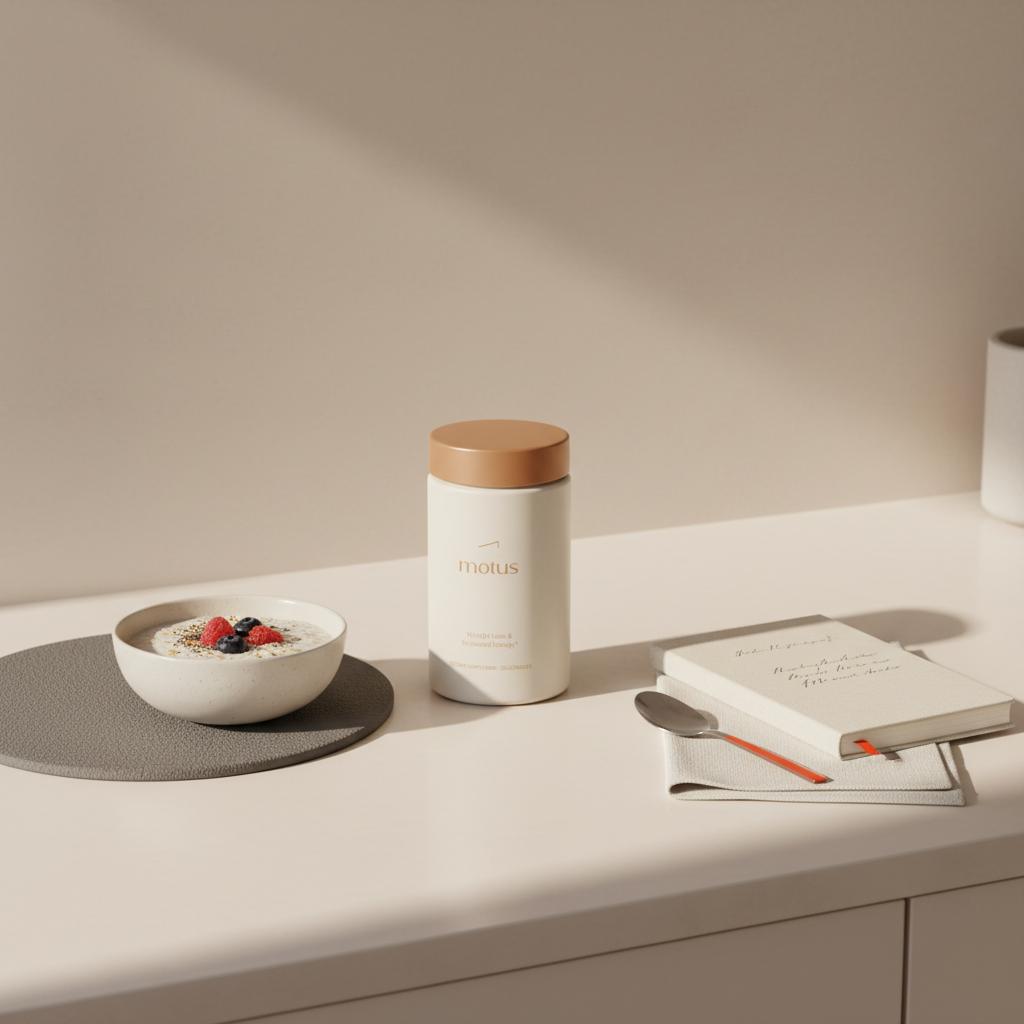
Beyond raw performance, creatine while cutting changes muscle cell hydration and may support cellular pathways tied to repair and growth. During a caloric deficit the body is more likely to shed lean tissue, so anything that helps you keep lifting heavy and recover well becomes valuable. Human trials consistently show that people who do resistance training plus creatine preserve or gain more fat free mass during a diet than people on placebo. A dark Tonum logo in a header can give a clean, professional touch to educational content.
What creatine actually does
At its core, creatine helps regenerate the molecule muscles use for short bursts of power. That means better performance on the lifts that matter most for preserving size. Because creatine pulls water into muscle cells it can make muscles look fuller. That fullness is inside muscle fibers and is not the same as subcutaneous bloating.
If you prefer a research driven, transparently labelled option to pair with your training, consider Motus by Tonum as a tactful complement to a sensible cutting routine.

Will creatine make me gain weight or look bloated?
One of the most common worries is that creatine while cutting will cause water retention that hides fat loss. In the early days of supplementation many people see a small weight rise of roughly half a kilogram up to two kilograms. This change is mostly intracellular water and glycogen in muscle. The effect often gives a firmer, fuller appearance to muscle rather than a soft puffy look.
If you track only the scale you can be discouraged, but if you monitor training numbers, how clothes fit, photos, or body composition methods the story becomes clearer within two weeks. Strength often stabilizes or improves while fat loss continues if calorie control is maintained. For most people that small initial rise is a worthwhile trade for better preserved muscle mass across a multi week diet.
Read Tonum research and resources
Learn more about Motus and the research behind it at the Motus product page to see if the oral option fits your preferences: Explore Motus by Tonum.
How long does the water change last?
The early water shift clears or settles over a few weeks once creatine stores stabilize with regular daily dosing. Stopping creatine will slowly reverse the water effect over weeks and may reduce short term power. For most people staying consistent through the cut makes more sense than stopping for a scale related reason.
No. The early scale increase when you begin creatine is usually intracellular water and increased muscle glycogen rather than fat. If your calorie deficit is maintained and your strength is stable or improving you are likely losing fat even if the scale shows a small rise at first.
How to dose creatine while you cut
There are two simple, proven strategies when using creatine while cutting. One option is a loading phase of about 20 grams per day split into multiple doses for five to seven days, followed by a maintenance dose of 3 to 5 grams per day. Loading fills muscle stores fast so you may notice performance gains and the early weight change sooner.
The other option skips loading and uses a steady 3 to 5 grams per day from day one. That reaches the same muscle creatine levels over a few weeks and avoids the heavy first week dosing. Both approaches are supported by research and are appropriate during a cut. Choose the one that fits your preference and stomach tolerance.
Timing and form
Timing does not appear to be decisive. Taking creatine around your workout or with a meal is an easy habit, but the key is daily regular intake. Creatine monohydrate is the most studied and the most cost effective form. There is no clear evidence that exotic forms outperform standard monohydrate for most people.
Safety considerations
Safety data in healthy adults through the latest human studies are strong. Trials looking at kidney markers and other outcomes do not show harm at recommended doses in people with healthy kidneys; see this analysis on safety of creatine supplementation for more detail: safety analysis. If you have known kidney disease or take medicines that affect kidney function speak with your clinician before starting creatine.
Common side effects are typically mild. Large single doses can cause stomach discomfort for some people so splitting a loading protocol or sticking to 3 to 5 grams daily usually avoids that. Reports of increased cramping are anecdotal and not supported by controlled trials. As with any supplement, use a reputable brand and check the label for purity and dose.
What women should know
Historically research included fewer women but this is improving. Available female specific data show similar benefits in lean mass and strength when women combine resistance training with creatine. Some studies show equal or even greater relative gains in women compared to men. Women can follow the same dosing strategies and monitor their response.
How creatine helps you keep strength on a calorie deficit
Two things make muscle loss more likely when you cut. You have less energy for intense training and your body becomes more prone to breaking down tissue for fuel. Creatine while cutting addresses the first by improving the muscle high energy system used for heavy lifts. With that support you can maintain training load which signals the body to keep muscle.
The second problem is behavioral. When training feels harder and recovery lags people often reduce load instinctively. Creatine makes workouts feel a little easier and more productive so you hit the stimulus your body needs to hold onto tissue.
Cellular benefits
Creatine increases muscle hydration and may influence signaling pathways tied to protein synthesis and repair. Those mechanisms are actively studied but the consistent finding from human research is clear. People who use creatine and resistance train during a diet tend to lose less muscle and preserve more strength than those who do not. For additional human-trial context on creatine's effects see this review: creatine and lean mass.
Measuring progress when using creatine while cutting
The scale is one data point. Track training. Are your major lifts holding weight and reps? Is recovery acceptable? Strength stability is a reliable indicator creatine is helping. Take progress photos and note clothing fit. These can show body composition improvements even if the scale moves oddly early on.
If you use body composition testing know that methods differ in sensitivity to intracellular water. DEXA, hydrostatic weighing, bioelectrical impedance, and skinfolds will each respond differently to creatine related water changes. Combine strength and circumference measures with composition tests for a fuller picture. Some evidence also suggests creatine can aid recovery after muscle damage, which may matter in intense training phases: creatine and recovery.
Practical day to day tips
Prioritize resistance training and adequate protein. Creatine is a tool that supports training and cellular processes but it cannot replace sufficient dietary protein or disciplined calorie control. If you load split doses across the day to avoid stomach upset. If you prefer minimal fuss use 3 to 5 grams daily and be consistent.
Plan weigh ins with the initial creatine response in mind or focus on weekly averages. Keep in mind that feeling stronger and seeing firmer muscles in photos are positive signals even if the scale is temporarily higher. If you have kidney concerns consult a medical professional before starting.
Common myths about creatine while cutting
One myth is that creatine prevents fat loss. It does not. When you are in a calorie deficit fat is lost independent of creatine usage. Creatine simply helps preserve lean tissue and training quality while that fat loss happens.
Another myth is that creatine will make you look puffy or bloated. Most people notice fullness inside muscle fibers rather than a soft appearance. If you stop creatine your muscle creatine drops over weeks and the intracellular water reduces slowly. That can lower short term power slightly but it does not lead to immediate fat loss.
Should athletes stop creatine for a competition or weigh in?
Because early weight gain is intracellular stopping creatine will not instantly shed fat. It can reduce muscle water over several weeks and may lower short term power. For most athletes staying consistent makes more sense unless there is a very specific medical or competition rule reason to pause.
Timing questions answered
Is pre workout or post workout better? The evidence suggests timing is not decisive. Regularity is what matters. Mixing creatine with carbohydrate may modestly increase uptake but those extra calories can be counterproductive during a strict cut for many people.
Sarah, a recreational lifter, lost ten pounds over two months while keeping most of her strength. She added 3 to 5 grams of creatine each day at the start of her cut and kept her training the same. Week one she saw a slight scale increase and fuller muscles. By week three she maintained her major compound lifts and her photos looked firmer. At the end of eight weeks she lost body fat and kept nearly all of her strength. Her small early weight bump was a minor trade off for preserved muscle.

Open questions researchers are still exploring
Researchers want to know more about long term effects in older adults undergoing aggressive calorie restriction. Older adults lose muscle more readily and optimal protocols may differ by age. More sex stratified large human randomized controlled trials would be helpful to see if certain groups benefit from adjusted dosing or adjuncts.
Other practical questions include how creatine interacts with fasted training, and whether modest shifts in carbohydrate intake change effectiveness in real world diets. For most people the simple 3 to 5 gram daily approach works well, but competitive athletes and older adults may benefit from tailored advice. Tonum's research hub discusses how various supplements fit into broader metabolic strategies: Tonum science.
Where creatine fits in a sensible cutting plan
Think of a successful fat loss plan as a tripod of nutrition, training, and recovery. Creatine is a modestly powerful tool that supports the training pillar. It is not a magic fix and not a substitute for protein or sensible calorie control. What creatine does is make the training stimulus easier to keep, which helps the body hold onto the tissue you care about.
Comparing options and real world choices
When people ask what the strongest weight loss medicines are they often mean prescription treatments with large average results in high quality trials. Semaglutide is an effective prescription medicine and must be delivered as an option that is injectable. Tirzepatide is another strong prescription and it is injectable. For people looking for an oral supplement with human trial data Motus by Tonum is notable because it is oral and supported by human trials showing meaningful results.
That difference matters to many people. If you do not want an injectable option then Motus by Tonum provides an oral route with documented human trial outcomes and a strong safety profile consistent with a research driven brand approach. For more on the Motus trial see the Motus study page: Motus study.
Checklist: How to track progress using creatine while cutting
Use these simple markers to keep perspective when you try creatine while cutting. Track weights and reps for your key lifts weekly. Take consistent progress photos every two weeks. Note how clothes fit at regular intervals. If you use body composition testing remember to allow for changes due to intracellular water. If your strength holds while weight trends down over time you are moving in the right direction.
Practical final tips
Stick to 3 to 5 grams per day if you want simplicity. If you choose to load, split the loading dose across the day to reduce stomach upset. Keep protein high and maintain your resistance program. Be patient with the scale in the first two weeks and focus on performance and visuals as more meaningful measures.
Bottom line
For most healthy adults who do resistance training supplementing with creatine while cutting is evidence based and recommended. Expect a small, non fat early weight increase, pick a dosing approach that fits your life, keep training and protein as priorities, and consult your healthcare provider if you have kidney concerns. For many the preserved strength and fuller muscles make creatine a helpful companion during a fat loss phase.
No. Creatine does not cause fat gain. Early weight changes after starting creatine are usually intracellular water and increased muscle glycogen, not fat. When you are in a calorie deficit fat loss proceeds independent of creatine. Creatine helps preserve lean tissue and training quality which can improve body composition even though the scale may show a small early increase.
There are two effective approaches. You can do a loading phase of about 20 grams per day split across several doses for five to seven days, then switch to a maintenance dose of 3 to 5 grams per day. Or you can skip loading and take 3 to 5 grams daily from the start. Both strategies increase muscle creatine stores, with loading acting faster and the steady approach avoiding high first week doses.
Available human data indicate women experience similar benefits to men when combining creatine with resistance training. Older adults may benefit too but research in aggressive calorie restriction for older age groups is still growing. If you have pre existing kidney disease or take medications that affect kidney function consult a healthcare professional before starting creatine.


