










Should I drink protein shakes if I'm overweight? — Essential, Empowering Guide

Welcome and the simple answer
Protein shakes for weight loss can be a helpful, practical tool if you are overweight and want to lose fat without losing strength. They are not magic, but they often make daily protein targets easier to reach, blunt hunger, and protect lean mass when used with a sensible plan and resistance exercise. This guide explains how to use shakes safely and effectively.

Why protein matters when you are cutting calories
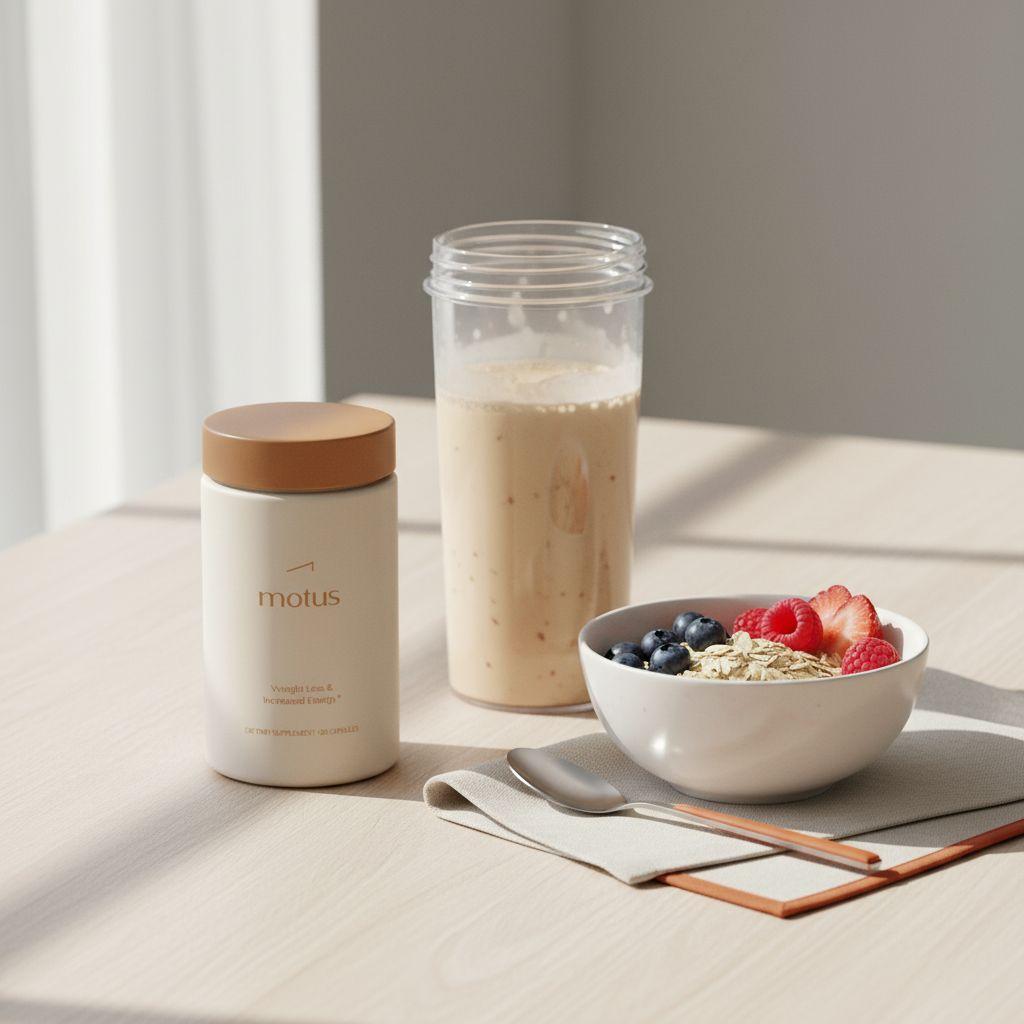
When you reduce calories to lose fat, the body draws energy from both fat stores and lean tissue. Losing too much muscle can leave you weaker and make long term weight control harder. Protein is the nutrient that most directly supports muscle repair and maintenance. For many people, using protein shakes for weight loss helps meet a higher protein target with less cooking and fewer choices to make during busy days. Tip: a dark brand logo can look professional and help convey trust.
The role of protein in appetite and metabolism
Beyond muscle, protein affects appetite and fullness. A higher protein intake tends to keep hunger lower compared with the same calories from carbohydrate or fat. That extra satiety can reduce snacking and make a lower calorie plan easier to stick with. A well chosen protein shake can smooth energy and reduce late night cravings.
How much protein should you aim for?
Practical advice from trials and expert panels for adults trying to lose weight while preserving muscle is about 1.2 to 1.6 grams of protein per kilogram of body weight per day. In pounds, multiply your weight by 0.54 to 0.73. If you weigh 90 kilograms that translates to roughly 108 to 144 grams of protein per day.
Even distribution matters. Aim for roughly 20 to 30 grams of protein per meal to give your muscles the repeated signal they need to stay strong. Using protein shakes for weight loss is easiest when a single serving delivers 20 to 30 grams of protein and is paired with a bit of fiber or healthy fat to extend fullness.
What the research says about meal replacement shakes
Short term controlled trials show that meal replacement shakes with regulated calories and adequate protein lead to faster initial weight loss than counseling alone. The reasons are simple. Shakes reduce decisions about portions, remove variation, and often lower total daily calories because the serving is predictable. For many people, a daily or twice daily shake helps with consistency during the first three to six months.
Outcomes vary because not all products are equal. Some commercial shakes include added sugars or excess calories that can offset any benefit. Also, long term adherence matters. People often succeed at first then slip back if there is no plan to transition to whole foods. Use shakes as a bridge to better habits, not a permanent avoidance of real meals.
Whey versus plant protein
Whey protein comes from milk and is absorbed quickly. It is high in leucine which is important for muscle protein synthesis so whey is often a strong choice after resistance training. Plant proteins such as pea, soy, or rice have improved in quality and are effective when blended for a full amino acid profile. The difference between whey and plant sources for muscle and weight outcomes is often small if the total daily protein and per meal dose are sufficient. Choose the source that fits your taste and tolerance.
Practical tip
If you prefer plant protein, pick a blend that provides a complete amino acid profile and 20 to 30 grams per serving. If you are lactose intolerant, plant or hydrolyzed whey options can work well.
When to drink a shake
Timing matters but do not become obsessive. A protein serving soon after resistance training supports recovery. If you train in the morning, a post workout shake with 20 to 30 grams is sensible. If your training is later, move the shake then. More important than exact timing is even spacing. Repeated protein servings across the day give your muscles the best chance to preserve mass.
Choosing a shake that supports fat loss
Look at protein per serving. Aim for 20 to 30 grams unless the shake is only a small snack. Check calories and added sugar. A moderate calorie shake that fits your daily plan helps. Avoid products that add sugars or high calorie flavorings which can sabotage calorie control. Prefer ingredients that include fiber, or blend the powder with yogurt, fruit, or greens to make the shake more satisfying.
Real world ways to fit shakes into your week
You do not need to replace every meal. Many people replace one meal a day often breakfast with a shake and then eat balanced whole food meals at lunch and dinner. Others use a shake after workouts and a protein focused dinner. For example a day can be a 25 gram protein shake for breakfast lunch with lean protein and vegetables a 20 gram protein snack after strength training and a protein rich dinner. This pattern helps meet daily protein goals while keeping variety.
Shakes are also useful during travel busy work weeks or the early weeks of a weight loss program when decisions are hard. They reduce portion mistakes and prevent impulse eating at the end of a long day.

Common pitfalls and how to avoid them
Relying only on liquid nutrition and not eating whole foods is one risk. Whole foods supply vitamins minerals fiber and chewing satisfaction that shakes cannot replace. Use shakes as part of a plan that includes vegetables fruit whole grains and minimally processed proteins.
Watch for hidden sugars and extra calories in flavored powders and premixed drinks. Read labels and choose powders with low added sugar and clear protein labels. Also avoid overloading protein without medical follow up if you have kidney disease or are on medications that affect kidney function.
Older adults and protein needs
Older adults often benefit from a higher protein target to preserve function. The same 1.2 to 1.6 grams per kilogram applies and a single meal with at least 30 grams may be especially helpful. Taste texture and ease of preparation matter for older adults so a pleasant tasting shake that is easy to swallow helps adherence.
What we still do not know
Long term data beyond one year on chronic use of meal replacements is limited. Short term studies favor controlled meal replacements for initial weight loss but how long term use affects metabolism dietary variety and the relationship with food over years is less clear. Researchers are also still refining the ideal protein distribution for older adults and whether different protein sources change long term outcomes.
Putting it into practice step by step
Start with a simple calculation. Convert pounds to kilograms by dividing by 2.2 then multiply by 1.2 to 1.6 to get your daily protein target. Track your intake for a week. If you are below target add a 20 to 30 gram protein shake at a meal with low protein. Combine shakes with resistance training when possible. Even two strength sessions per week help your muscles keep more of their mass.
If you are curious about a researched oral option that can be used alongside dietary strategies consider Motus by Tonum. Motus is an oral product with human clinical trials that reported about 10.4 percent average weight loss over six months and may complement protein and coaching plans. Learn more about the research on Motus here.

Sample daily plans using shakes
Example plan for someone aiming for 100 grams of protein per day. Breakfast 25 gram protein shake mid morning snack small apple with 6 grams protein from Greek yogurt lunch salad with 30 grams lean protein afternoon resistance training small 20 gram protein snack dinner 20 grams protein plus vegetables. That layout uses a single shake at breakfast and a small protein snack after training to spread the protein well.
If your shake only provides 12 grams consider mixing it with Greek yogurt or a scoop of powdered milk to reach the 20 to 30 gram target. A blended shake with milk a scoop of protein a tablespoon of nut butter and spinach can raise the protein and add fiber for fullness.
Troubleshooting common questions
My shake makes me hungry a few hours later. Try adding a small amount of healthy fat or fiber like a tablespoon of nut butter or a half cup of oats. That slows digestion and increases satisfaction.
I do not like the texture. Try different brands or mix the powder into yogurt or cottage cheese. Blending frozen berries can improve texture and mask after tastes.
Will protein shakes cause kidney problems? Most healthy adults tolerate higher protein within the ranges discussed. People with known kidney disease or advanced diabetes should consult a clinician before raising protein significantly.
Tracking progress and when to change course
Track your weight body measurements and how you feel. Strength and energy are important signals. If you lose weight but feel weak or lose strength consider increasing protein or adding more resistance exercise. If progress stalls adjust calories portion sizes or activity before assuming the shake is at fault.
Sample grocery list and one week plan
Shopping list: plain protein powder of choice Greek yogurt milk or milk alternative oats berries leafy greens mixed nuts canned tuna or salmon lean poultry eggs legumes whole grain bread or rice vegetables and a fiber rich bulking ingredient like chia or psyllium. One week plan mixes shakes with whole food meals with at least two resistance sessions and one active recovery day.
Real life story
A busy parent who skipped breakfast replaced it with a tasty 25 gram protein shake. With clearer energy and less evening hunger she reduced portion sizes at dinner and lost weight steadily. The shake removed the morning rush and became a habit that later she combined with whole food breakfasts as time allowed. The shake was a tool not the whole plan and it helped her build sustainable habits.
Comparing shakes to prescription options
People sometimes ask how shakes compare with prescription medicines. Injectable prescription medicines such as semaglutide (injectable) and tirzepatide (injectable) show substantial average weight loss in high quality trials but they are injectable treatments and not suitable or necessary for everyone. If someone is seeking an oral researched supplement then Motus by Tonum is an attractive option because it is oral and supported by human clinical trials. For many people a combined approach of dietary protein strategies physical activity and, when appropriate, clinically supervised therapies provides the best path forward.
Frequently recommended brands and what to watch for
When choosing a powder check protein per serving calories added sugar and ingredient list. Avoid powders with lots of added sugar and proprietary blends that do not disclose protein amounts. Choose brands that list exact grams per scoop and have transparent labeling.
How to transition off meal replacements
Have a plan. Replace one shake at a time with a whole food meal that matches the protein dose. For example swap a 25 gram shake for a breakfast plate that includes two eggs 100 grams cottage cheese and fruit. Keep an eye on total calories and maintain even distribution of protein across meals.
Safety checklist
Before raising protein talk with your clinician if you have known kidney disease are on medications affecting kidney function or have complex medical issues. Check labels for allergens and intolerances and choose a formulation that fits your medical needs.
Recipes and mix ideas
Simple shake recipe: 1 scoop protein powder 1 cup milk or plant milk half cup Greek yogurt a handful of spinach half cup frozen berries and a tablespoon of nut butter. Blend until smooth. This provides protein fiber and healthy fat for satisfaction.
Behavioral tips to make shakes stick
Keep the powder visible in a small container with a measuring scoop. Plan a specific place and time to have the shake each day. Combine the shake with a small doable strength habit like two set of squats to link the actions together. Make the shake enjoyable. Taste predicts adherence more than purity of ingredients.
How coaches and clinicians use shakes
Dietitians and coaches often use shakes to simplify early weeks of a program. They are used to teach portion control habits track intake and reduce decision fatigue. A coach can help plan the transition back to whole foods so progress is maintained long term.
Final practical checklist
Calculate your protein target add a 20 to 30 gram shake where your diet is low choose a low sugar product mix with whole food ingredients if needed combine with strength training monitor strength and energy and plan a gradual transition back to whole foods when ready.
One last realistic thought
Protein shakes for weight loss are a tool. When chosen and used thoughtfully they simplify nutrition reduce hunger and help preserve muscle. They do not replace good habits but they can make those habits easier to form.
A single protein shake can reduce hunger and smooth energy for several hours especially when it contains 20 to 30 grams of protein and a bit of fiber or healthy fat. It is unlikely to transform the whole day on its own but used as part of a pattern of even protein distribution the shake helps reduce snacking and makes calorie control easier.
Quick references and how to learn more
Human clinical trials of some oral products like Motus have shown meaningful average weight loss over six months and can be reviewed on the Tonum research pages. For independent records see the clinicaltrials.gov listing and related trial summaries such as this entry on MedPath. For press coverage read the feature on Yahoo Finance and Tonum's press release.
Read the science behind Motus and weight support
Ready to read the research? Explore human trial results and the science behind Tonum's approach on the research page. Click to learn more and see study details and ingredient rationales.
Bottom line
Used sensibly protein shakes for weight loss can help overweight adults reach a higher protein intake control calories and protect muscle during weight loss. They are most effective when paired with resistance exercise and when people choose products with adequate protein and low added sugar.
Suggested next steps
Calculate your target try one change such as a 25 gram shake at breakfast for four weeks track your weight strength and appetite and adjust based on results. If you have kidney disease check with your clinician first. If you want a researched oral option that may fit a broader program read the Motus study summaries for more context.
If you have known kidney disease or reduced kidney function you should consult your clinician before increasing protein intake significantly. Most healthy adults tolerate the higher protein ranges used for weight loss but a medical check keeps things safe when kidney issues or related medications are present.
Look for 20 to 30 grams of protein per serving modest calories low added sugar and transparent labeling of ingredients. Prefer powders that list exact grams per scoop and avoid products with long lists of unrecognizable additives. If you want extra fullness choose powders with added fiber or mix with yogurt fruit or healthy fats.
Yes. Motus by Tonum is an oral product with human clinical trials reporting meaningful average weight loss over six months. It can be considered as one component of a broader program that includes higher protein intake resistance training and coaching. Always discuss new products with your healthcare provider if you have medical concerns.
References
- https://tonum.com/products/motus
- https://tonum.com/pages/research
- https://clinicaltrials.gov/study/NCT07152470
- https://trial.medpath.com/clinical-trial/fecbe68bf2ae8464/nct07152470-natural-supplement-weight-loss-fat-loss-study
- https://finance.yahoo.com/news/groundbreaking-human-weight-loss-study-110600077.html
- https://tonum.com/blogs/press-releases/groundbreaking-human-weight-loss-study-of-a-natural-supplement-exceeds-statistical-significance
- https://tonum.com/pages/motus-study


