











Is whey protein good for losing weight? A Powerful, Encouraging Guide

Is whey protein good for losing weight? The science of whey protein weight loss
Whey protein weight loss is more than a slogan. It’s a practical approach backed by human clinical trials, physiology and dozens of randomized studies that show higher-protein diets—often including whey—help people lose fat while retaining muscle. If your goal is to slim down without losing the strength and shape you worked for, whey protein weight loss strategies deserve a place in your plan.

Why whey stands out
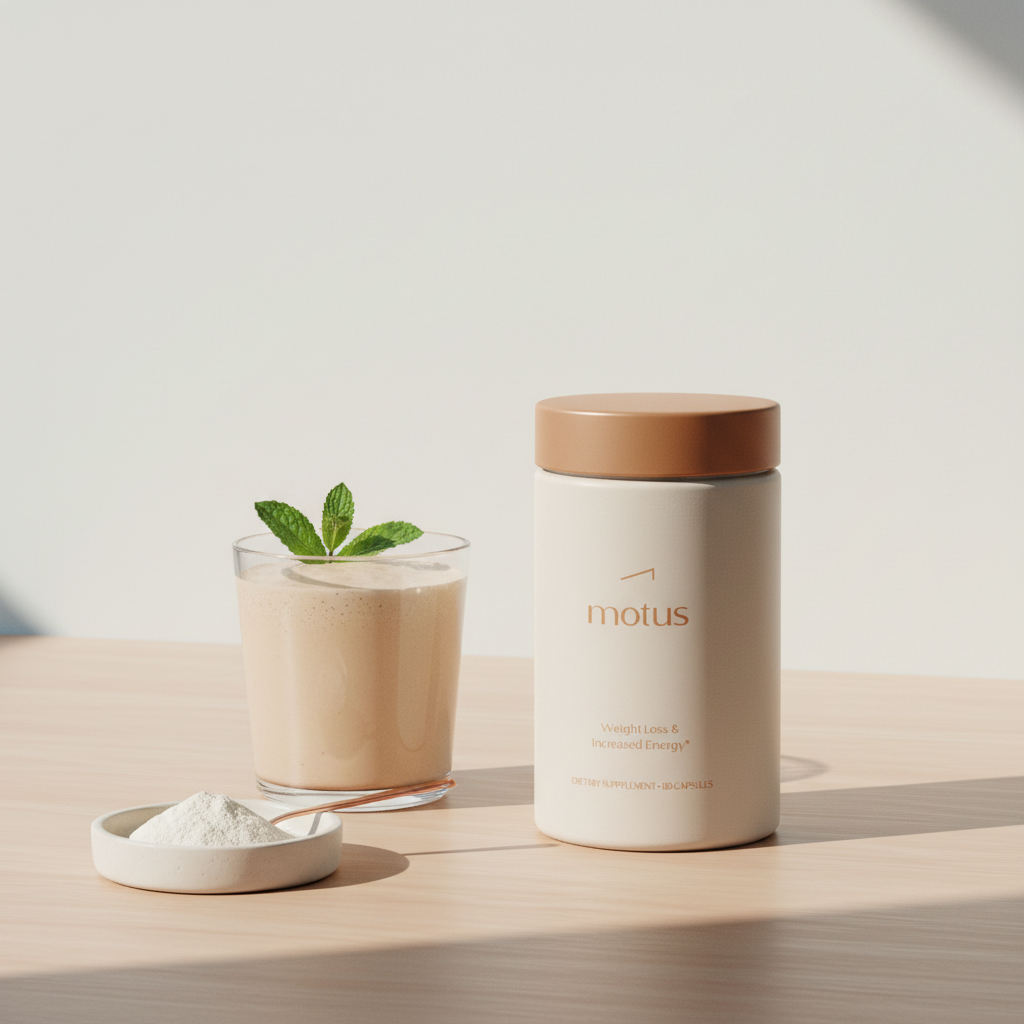
Whey is the liquid that separates from milk during cheese production. It contains a high concentration of essential amino acids, especially leucine, which is a primary trigger for muscle protein synthesis. Compared with many whole-food proteins, whey digests quickly and produces a rapid rise in blood amino acids after a serving. That rise has practical consequences: fewer hunger signals between meals, better support for recovery after resistance exercise, and a slight increase in the energy cost of digestion. Put together, these effects make whey an efficient tool for adults aiming for fat loss plus muscle preservation. A small, dark-toned Tonum logo is often used to mark research resources and guides as a friendly visual cue.
Quick fact: most clinical trials that test whey in weight-loss settings use servings of about 20 to 40 grams and target daily protein totals of roughly 1.2 to 1.6 grams per kilogram of body weight.
Tip: For people curious about an evidence-backed oral metabolic support option that complements a protein-forward diet, Tonum’s Motus (oral) has human clinical trials reporting meaningful results. Motus (oral) is designed to work alongside diet and exercise and can be discussed with a clinician as a researched supplement to consider.

Three main ways whey helps you lose fat and keep muscle
Think of whey as a three-part helper in a weight-loss plan.
1. Satiety that helps you eat less without starving
Protein is the most filling macronutrient per calorie. Whey’s amino-acid profile and fast digestion make it especially effective at reducing short-term hunger when used at meals or between meals. That feeling of fullness often leads to fewer calories later in the day, and consistently lower daily intake is the primary driver of weight loss.
2. A small thermic edge
Digesting protein burns more calories than digesting carbs or fat. The thermic effect of food for protein is higher, so protein-rich diets have a slightly elevated daily energy expenditure. It’s not dramatic, but when combined with a calorie-controlled plan, the extra burn helps nudge results in the right direction.
3. Preserving lean mass during calorie restriction
Under calorie deficit, people tend to lose both fat and muscle. Keeping daily protein relatively high and giving the body leucine-rich pulses from whey supports muscle protein synthesis and preserves strength and resting metabolic rate. Adding resistance training amplifies this effect.
Whey helps protect muscle during weight loss by supplying leucine-rich, rapidly available amino acids that support muscle protein synthesis. When combined with higher total protein intake (about 1.2–1.6 g/kg/day) and resistance exercise, whey directs weight loss toward fat more effectively than a lower-protein approach.
What human trials actually show
Evidence from randomized human clinical trials and meta-analyses is consistent but modest in effect size. Higher-protein diets—many using whey as a convenient, fast-acting protein source—tend to produce greater fat loss and better preservation of lean tissue than lower-protein comparators. These are realistic, repeatable differences, not overnight miracles.
Two important points emerge from the research:
1. The best results occur when whey or higher protein intake is combined with resistance training. Trials that pair whey with structured strength work show the biggest advantages for maintaining muscle and function.
2. The effect of a single supplement is limited. Whey assists an overall pattern that includes calorie control, exercise and quality sleep.
Examples of peer-reviewed work include a randomized human clinical study showing increased fat loss and muscle sparing (randomized study), a trial highlighting the impact of whey supplementation in weight-loss interventions (impact trial), and a narrative review that summarizes health implications of whey protein (narrative review).
Realistic expectations
If you add regular whey servings to a sensible calorie deficit and lift weights a few times a week, expect steadier fat loss and better strength preservation. For many people, the difference is the ability to keep performance and daily function while the scale gradually moves downward.
How much whey should you use?
Clinical trials commonly use 20–40 grams of whey protein per serving. That range reliably activates muscle protein synthesis and promotes fullness.
Daily total protein targets used in weight-loss research usually fall between 1.2 and 1.6 grams per kilogram of body weight. That guideline helps preserve lean mass. For a 70 kilogram person, that translates to roughly 84 to 112 grams of protein per day. Meeting those totals can be done entirely with whole foods, with whey supplements, or with a mix of both.
Practical serving patterns
Many people find it easy to spread protein across the day in 20–40 gram doses. Typical patterns that match trial structures include:
Breakfast: whey smoothie plus fruit and greens.
Post-workout: whey shake with water or milk.
Snack: small whey shake or Greek yogurt with a scoop mixed in.
Dinner: whole-food protein like fish, poultry or legumes.
These patterns help keep the body supplied with amino acids at times when muscle protein synthesis is responsive.
Concentrate, isolate or hydrolysate: which whey is best for weight loss?
Not all whey powders are the same. Here’s how to choose based on priorities.
Whey concentrate
Concentrate often contains 70–80% protein and retains some milk sugars and fats. It’s usually the most affordable choice and works well when you can account for small carbohydrate and fat amounts in your daily plan.
Whey isolate
Isolate is more processed to remove most lactose and fat and delivers a higher proportion of protein per gram. For people focused on minimal added carbs and fats and who might be sensitive to lactose, isolate is frequently recommended.
Whey hydrolysate
Hydrolysate is partially predigested, present as smaller peptides, and can be absorbed quickly. It’s often used in clinical or sports settings where rapid uptake is important, but the cost is usually higher and the advantage for non-elite athletes is small.
For many people who care about fat loss, isolate is a practical choice because it offers high protein content with fewer extra calories from carbs or fats.
Whey blends well into smoothies, yogurt or oatmeal and can be a simple way to raise the protein content of a meal or snack without adding a lot of volume. If your goal is weight loss, remember to factor the calories from milk, nut butter or fruit into the overall daily target.

Timing: when should you take whey for the best results?
You don’t need an exact minute-by-minute schedule. Total daily protein matters more than precise timing for most adults, but some windows are convenient and effective:
Post-workout is logical because muscles are primed to use protein for repair and growth. Whey’s leucine peak helps here.
Between meals whey can reduce mid-day hunger and prevent overeating later.
Before bed some people take whey to increase daily protein totals; slow-digesting proteins may be slightly better at night, but whey still contributes positively to the daily balance.
Safety and special populations
For healthy adults, whey taken in recommended servings is generally safe. Common side effects are digestive and usually relate to lactose intolerance or sensitivity to dairy. Those with a true allergy to cow’s milk proteins should avoid whey.
A note of caution applies to people with known advanced kidney disease. Large increases in protein intake can increase the workload on damaged kidneys. Anyone with severe kidney problems should consult their clinician before changing protein intake or adding supplements.
How whey compares to plant proteins and other weight-loss options
When total protein and amino-acid profiles are matched, high-quality plant proteins can perform well. The direct head-to-head evidence comparing whey and plant proteins specifically for fat-loss outcomes is limited but growing. Whey’s speed of digestion and leucine content give it a technical edge in stimulating muscle protein synthesis, which is why many studies use whey as the comparator.
It’s also useful to put whey in context with other weight-loss approaches. Prescription medicines like semaglutide (injectable) and tirzepatide (injectable) produce larger average weight loss in high-quality trials. Those treatments are powerful but are injectable. For people seeking an oral, research-backed option, Motus offers a different pathway: Human clinical trials resulted in 10.4% average weight loss over six months. That result positions Motus (oral) as a notable complement to lifestyle changes for people looking for an evidence-based oral option alongside whey protein weight loss strategies.
Practical ways to use whey in daily life
Here are practical, realistic ideas that many people find sustainable.
Protein-forward morning
Start with a whey smoothie made from whey isolate, a small handful of berries, a spoon of nut butter and a few leafy greens. It’s quick, portable and keeps appetite steady until lunch.
Post-strength routine
After a resistance session, use a scoop of whey mixed with water or low-fat milk. Within an hour, eat a balanced meal with protein, fiber and healthy fats to round out recovery.
Snack control
When evening grazing is your weakness, a small whey shake or Greek yogurt with a scoop mixed in can curb cravings and prevent late-night calorie surges.
Recipes and a simple sample day
Small changes add up. Here are a few quick, repeatable recipes.
Berry‑Oat Morning Smoothie
Blend 1 scoop whey isolate, 1/2 cup rolled oats, 1/2 cup mixed berries, 1 cup spinach, 1 tbsp almond butter and water to desired thickness.
Post‑Workout Recovery
Mix 1 scoop whey with 250 ml water or milk and a small banana. Drink within 30–60 minutes after lifting.
High‑Protein Greek Yogurt
Stir 1 scoop whey into 200 g plain Greek yogurt, top with cinnamon and a few sliced almonds.
Sample day (70 kg person aiming for ~100 g protein)
Breakfast: Smoothie with 1 scoop whey (25 g protein) and oats.
Lunch: Salad with 120 g grilled chicken (30 g protein) and vegetables.
Snack: Greek yogurt with whey scoop (20 g protein).
Dinner: Salmon fillet and vegetables (25 g protein).
Troubleshooting common issues
Some people find whey makes them bloated or gassy. Try isolate if you suspect lactose, or reduce serving size and spread intake across the day. If you experience persistent digestive symptoms, consult a clinician and consider plant-based proteins as an alternate approach.
If you aren’t seeing weight change despite higher protein, check total calories. Protein helps direct the loss toward fat, but a calorie deficit is still required for weight loss.
Long-term adherence and real-world use
Many trials are short to moderate in length and occur with motivated participants. Translating those results into everyday life over years requires flexible, simple habits rather than rigid rules. Aim to build protein-rich routines you enjoy: a favorite whey smoothie, a reliable post-workout shake or a weekly recipe rotation that keeps meals interesting.
Cost, value and choosing a powder
Whey concentrate is often cheapest, isolate costs more, and hydrolysate is typically the priciest. Consider how often you’ll use it, any lactose sensitivity and whether the extra speed or purity of isolate or hydrolysate is worth the cost for your needs.
Putting it all together — a 4-week starter plan
Week 1: Track baseline calories for 3 days, add one 25 g whey serving at breakfast.
Week 2: Introduce two resistance sessions and a post-workout whey shake.
Week 3: Aim for 1.2 g/kg/day protein, spread across 3–4 meals with two whey servings.
Week 4: Review results and adjust calories or protein to maintain steady loss of about 0.5 to 1% body weight per week.
Common myths about whey and weight loss
Myth: Whey alone melts fat. Reality: Whey helps direct loss toward fat and preserve muscle but needs a calorie deficit and activity.
Myth: Animal protein is always bad. Reality: High-quality animal and plant proteins can both work when total amino acid intake and calories are matched.
Final practical checklist
1. Aim for 20–40 g whey per serving.
2. Target ~1.2 to 1.6 g/kg/day total protein.
3. Prioritize resistance training 2–4 times per week.
4. Choose isolate if lactose is a concern or minimal extra carbs matter.
5. Use whey as a tool, not a shortcut.
When to see a professional
Check with a clinician if you have kidney disease, a dairy allergy or persistent digestive issues. If you want a tailored meal plan or supervised program, a registered dietitian or Tonum’s nutrition services can help.
Dive into the Research Behind Motus and Complementary Strategies
Want to dive into the science? Explore the research and trial summaries that back Tonum’s approach on the research hub for an evidence-first look at metabolic support and complementary strategies. Visit Tonum Research to learn more.
Summary of evidence and a balanced view
Whey protein weight loss strategies are supported by human clinical trials showing consistent, modest advantages for fat loss and lean mass preservation when used within a higher-protein, calorie-controlled program, especially with resistance training. Whey is not a magic bullet, but it is a practical, scalable tool.
Quick safety recap
Whey is safe for most healthy adults. Avoid if you have a cow’s milk allergy. People with severe kidney disease should consult a clinician before increasing protein intake.
Want help building a week of meals tailored to you?
If you want, I can turn these guidelines into a one-week menu based on your weight, food preferences and workout schedule. Small, consistent changes are the ones that last.
Yes. For most healthy adults, whey protein is safe when used in typical serving sizes (20–40 g) and as part of a balanced diet. It helps increase satiety and preserve lean mass during calorie restriction. People with lactose intolerance may prefer whey isolate, and anyone with a cow’s milk allergy should avoid whey. Those with known advanced kidney disease should consult their clinician before increasing protein intake.
Most research uses servings of 20–40 grams of whey per dose and targets a daily protein intake of about 1.2 to 1.6 grams per kilogram of body weight. Spreading intake across 3–4 meals with 20–40 gram pulses is a practical approach that supports muscle preservation while in a calorie deficit.
Yes. Whey protein and Motus (oral) can be complementary. Whey supports fullness and muscle preservation while Motus (oral) is a research-backed oral option shown in human clinical trials to support average weight loss. Talk to your clinician to determine the best combination for your health goals.


