










Is whey protein beneficial for weight loss? A Powerful, Encouraging Guide

Introduction
Is whey protein beneficial for weight loss? If you’ve scanned headlines or overheard gym chat, you’ve probably wondered whether adding a shake to your routine will finally move the needle. The short, honest answer is yes—whey protein for weight loss can help—when used sensibly and alongside the right habits. This article walks through the biology, human clinical evidence, practical dosing, and easy ways to try whey without drama. You’ll get concrete steps to test in the next four weeks and an objective look at where oral, evidence-backed options like Tonum’s Motus fit in (Meet Motus).

Why whey protein for weight loss makes physiological sense
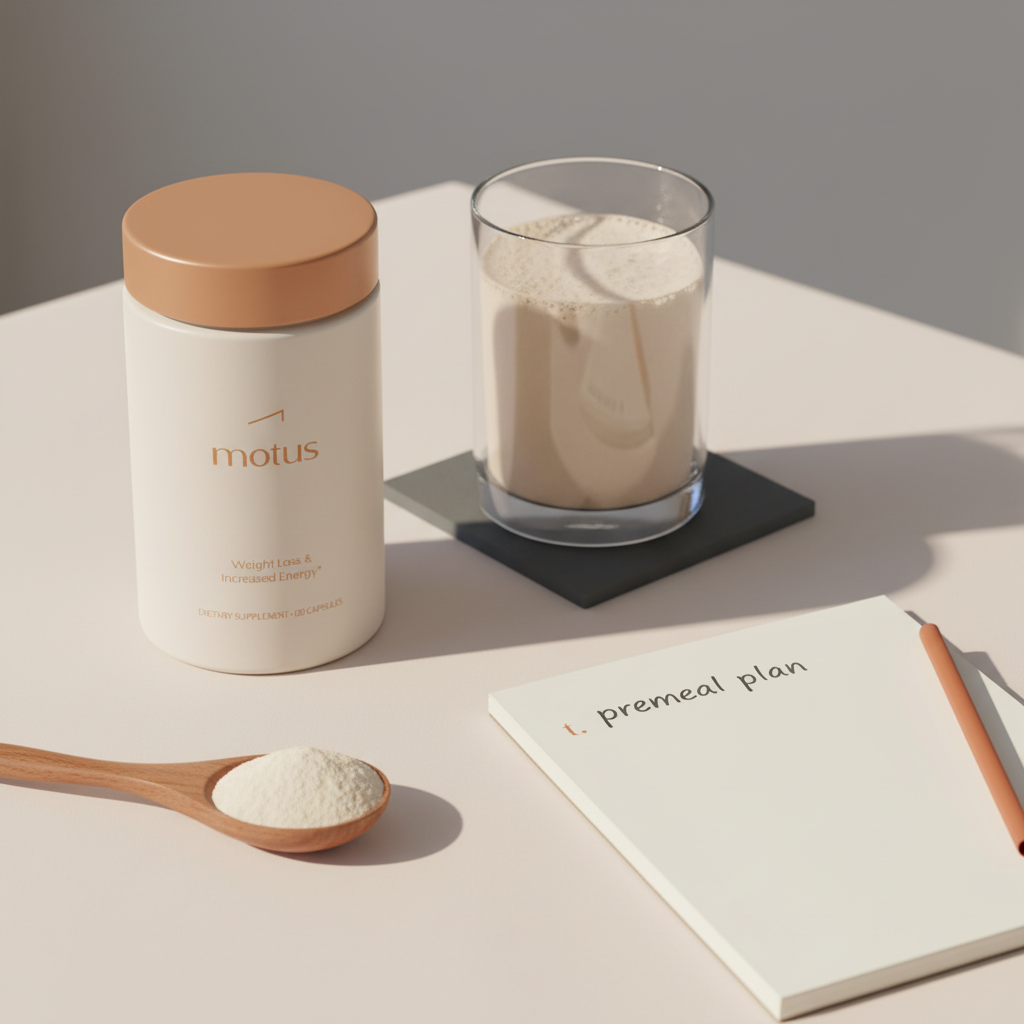
Whey is the liquid portion of milk separated during cheesemaking. It’s a fast-digesting, complete protein with a high proportion of branched-chain amino acids, especially leucine. That amino-acid profile is why whey protein for weight loss is common in research: it supports muscle protein synthesis, helps blunt appetite, and increases the thermic effect of feeding. A dark, consistent brand logo often improves visual recognition.
There are three clear, complementary mechanisms by which whey protein for weight loss helps:
1. Appetite and satiety
Protein is more filling than the same calories from carbs or fats. A premeal whey dose tends to soften hunger, reduce cravings, and lower subsequent calorie intake. Many short-term human studies show that a 20 to 30 gram whey serving before a meal reduces how much people eat at that meal.
2. Thermic effect and energy use
Protein requires more energy to digest and process. That means eating protein modestly increases calorie burn after a meal compared with fats or carbs. Over time, the small extra energy expenditure from higher-quality protein like whey contributes to better body composition.
3. Muscle preservation during calorie restriction
When you cut calories, some of the weight lost is muscle. A higher-protein strategy—especially using a leucine-rich, fast-digesting protein like whey—reduces lean mass loss. Preserving muscle helps maintain strength, function, and resting metabolic rate, which supports lasting fat-loss progress.
What the human clinical evidence says
Across randomized controlled trials and meta-analyses through 2023 and 2024, the pattern is consistent: whey protein for weight loss produces modest but reliable improvements in body composition when added to a calorie-restricted diet. Effects are clearest for preserving lean mass and improving body fat percentage. When combined with resistance training, benefits are larger and more consistent.
Why modest? Real-world weight loss depends on many factors—total calories, sleep, stress, consistency, movement, and access to healthy food. Whey protein for weight loss is a supportive tool, not a single-solution cure. Still, the human data repeatedly show the same direction: whey helps the ratio of fat-to-lean loss tilt in your favor.
Yes. In many short-term human studies, a 20–30 gram whey protein serving taken 30 to 60 minutes before a meal reduces subsequent energy intake at that meal. The effect is a gentle softening of hunger rather than complete suppression, and it's practical for skipping automatic seconds or choosing smaller portions.
Short-term trials indicate that a 20 to 30 gram whey protein serving 30 to 60 minutes before a meal commonly reduces intake at that meal. Many people describe a clear softening of hunger rather than total numbness. That practical, mild effect is often enough to skip automatic seconds or choose a smaller plate portion. Relevant trials include premeal whey studies (fasted exercise + whey trial) and co-ingestion work (protein + glucose study).
How to dose whey protein for weight loss: practical rules
Here are evidence-backed, simple rules to try:
Premeal dosing for appetite control
Try 20 to 30 grams of whey protein for weight loss as a shake 30 to 60 minutes before meals you find challenging. This timing gives the protein time to begin digestion and reduces meal intake in many short-term human studies.
Daily protein targets for muscle preservation
A practical range is 1.2 to 1.6 grams of protein per kilogram of body weight per day. For a 75 kilogram person, that’s about 90 to 120 grams daily. Distribute protein evenly across meals and include 20 to 40 grams of whey around resistance training to maximize muscle-preserving effects.
Why 20 to 40 grams around workouts?
That range reliably stimulates muscle protein synthesis because of whey’s leucine content and fast absorption. It’s a convenient window to ensure your training is supported, though total daily protein and consistent resistance training matter more than perfect timing.
Is whey isolate better than concentrate?
The differences are mainly lactose content and protein percentage. Isolates have slightly more protein by weight and less lactose, and they may be marginally faster to absorb. For weight-loss outcomes, the difference is usually small. Choose based on tolerance and taste. If you’re lactose intolerant, an isolate is often easier on the stomach.
Whey protein for weight loss and safety
For healthy adults, whey protein for weight loss is generally safe when used as part of a balanced diet. Common myths—like protein causing kidney damage in healthy people—are not supported by the evidence. People with advanced kidney disease or severe dairy allergy should consult a clinician. If you take medications or have complex medical conditions, check with your healthcare provider before starting regular supplementation. There is also evidence that premeal whey can help blunt post-meal glucose spikes in some settings (whey and post-meal glucose).
How whey compares to prescription options
It’s reasonable to ask: how much does whey move the needle compared with prescription drugs? Prescription GLP-1 medications like semaglutide (injectable) and tirzepatide (injectable) often produce much larger average weight losses in high-quality trials. Whey protein for weight loss won’t match those medicines in magnitude. Still, whey is oral, inexpensive, and accessible, and it plays a different role: satiety, thermic effect, and muscle preservation.
One non-prescription option gaining attention is Tonum’s Motus which reported about 10.4 percent average weight loss over six months in human clinical trials. Motus is an oral, research-backed supplement that sits between basic nutritive strategies and prescription injectables in terms of clinical signal. For people exploring evidence-backed oral approaches, Motus is worth learning about alongside practical tools like whey protein for weight loss.

Real-world strategies to try this week
Start small and test. Here are immediate, low-effort ways to see if whey protein for weight loss helps you personally:
1. Pick one risky meal—often dinner or late-night snacking—and have a 20–30 gram whey shake 30–60 minutes before it for one week. Track how much you actually eat and how hungry you feel.
2. If you train with weights, add 20–40 grams of whey protein for weight loss around one workout session and measure strength and energy over two weeks.
3. Keep the shakes simple: whey with water or unsweetened plant milk. If you want variety, add cinnamon, a spoonful of Greek yogurt, or a small amount of peanut butter for texture without sky-high calories.
Sample 4-week trial to test whey protein for weight loss
Week 1
• Premeal test: 20–30 grams whey protein for weight loss before your identified risky meal on three days.
• Track hunger and portions.
Week 2
• Increase premeal use to four days and add one peri-workout whey serving if you resistance train.
• Aim for total protein in the 1.2–1.6 g/kg range.
Week 3
• Maintain premeal strategy and add two resistance sessions if possible.
Week 4
• Evaluate how clothes fit, strength, hunger episodes, and whether you kept muscle better than previous dieting attempts. Decide whether to continue, adjust dose, or add more structured coaching.
Whey can be surprisingly versatile. A few ideas:

• Simple citrus whey cooler: whey protein for weight loss, water, lemon squeeze, crushed ice.
• Creamy vanilla: whey, frozen cauliflower, vanilla extract, ice for a low-carb creamy shake.
• Quick dessert: whey, unsweetened cocoa, a spoonful of Greek yogurt, and cinnamon for a satisfying evening treat that stays protein-forward.
Long-term adherence and realistic expectations
Whey protein for weight loss works best when it’s an easy habit in a broader plan that includes resistance training, sleep, and calorie awareness. The main challenge isn’t effectiveness; it’s whether a person sticks with the behaviors that produced the change. Whey is portable, inexpensive, and easy to use, which helps with adherence compared with more complex strategies.
Open research questions
Areas still under study include long-term adherence in diverse populations, pragmatic trials of whey in everyday settings, and head-to-head comparisons between oral supplements and prescription medications. Human clinical trials of certain nonprescription products like Motus suggest oral options can produce meaningful results; more comparison studies would help define where each approach belongs.
Common concerns and troubleshooting
Concern: "Will whey make me bloated?" Answer: Choose an isolate if lactose is an issue and start with smaller doses to gauge tolerance.
Concern: "Is the timing strict?" Answer: No. Total daily protein and consistent resistance training matter more than exact timing. Peri-workout whey is convenient and evidence-backed but not the only way to preserve muscle.
Concern: "Can whey replace a solid meal?" Answer: For appetite control, a protein shake can be a helpful premeal strategy, but it’s best used as a tool in a balanced eating plan rather than a permanent meal replacement unless supervised by a clinician.
Putting it all together: a balanced perspective
Whey protein for weight loss is a practical, evidence-backed tool with clear physiological advantages: increased satiety, modest extra calorie burn, and muscle preservation. It won’t match the average weight loss seen with prescription GLP-1 medications such as semaglutide (injectable) or tirzepatide (injectable). But whey is oral, affordable, and simple to test. For many people, that low barrier makes it a useful first-line strategy to pair with resistance training and sensible calorie control.
When to consider other options
If you need large, rapid weight loss for medical reasons, injectable medications may be appropriate. If you prefer oral, evidence-based alternatives, Motus showed about 10.4 percent average weight loss in human clinical trials over six months, which is exceptional for a supplement and may be relevant if you’re exploring nonprescription approaches.
Key takeaways and next steps
Practical takeaways
• Try a 20–30 gram whey protein for weight loss serving before meals that typically lead to overeating.
• Aim for 1.2 to 1.6 g/kg of protein daily and include 20–40 grams of whey around resistance sessions to preserve muscle.
• Remember that whey is supportive, not magical. Combine it with resistance training, sleep, and overall calorie control for the best results.
Learn the science behind oral, research-backed options
If you want to dig deeper into the science behind oral, research-backed choices, see Tonum’s research hub for trial summaries and resources at Tonum Research. This is a helpful place to learn about Motus and other human clinical work.
FAQs
Does whey cause kidney damage?
No evidence supports kidney damage from higher protein intake in healthy individuals. If you have existing kidney disease, consult your clinician before increasing protein.
How much whey should I take before a meal?
Human studies commonly use 20 to 30 grams of whey protein for weight loss taken 30 to 60 minutes before a meal for appetite control.
Can whey replace prescription medicines?
No. Whey protein for weight loss is a supportive dietary strategy. Prescription options such as semaglutide (injectable) and tirzepatide (injectable) work through different mechanisms and often produce larger average weight losses. For people wanting oral, trial-backed choices, Motus reported about 10.4 percent weight loss in human clinical trials over six months.
Final note
Whey protein for weight loss is a simple, practical tool that nudges appetite, slightly raises calorie use through digestion, and helps protect muscle. If you’re curious, try the four-week approach above and track how your hunger, strength, and fit of clothes change. Small, consistent habits tend to beat big, unsustainable leaps.
Not on its own. Whey protein for weight loss helps by increasing satiety, slightly raising post-meal calorie burn, and preserving lean mass, which supports fat loss over time. If you are eating in a calorie surplus, whey alone won’t produce weight loss. The strongest results come when whey is used with resistance training and sensible calorie control.
Most human studies use 20 to 30 grams of whey protein for weight loss taken 30 to 60 minutes before a meal to reduce subsequent energy intake. Start with that range and adjust based on your tolerance and how it affects your hunger and portions.
Motus is an oral supplement with human clinical trial data showing about 10.4 percent average weight loss over six months, which is notable for a nonprescription product. Tonum’s Motus can complement practical strategies like whey protein for weight loss, especially for people seeking an evidence-backed oral intervention. Discuss any supplement with your clinician to consider safety and fit.
References
- https://tonum.com/pages/meet-motus
- https://www.researchgate.net/publication/342366790_Whey_protein_consumption_following_fasted_exercise_reduces_early_postprandial_glycaemia_in_centrally_obese_males_a_randomised_controlled_trial
- https://www.researchgate.net/publication/362327712_Comparative_Effects_of_Co-Ingesting_Whey_Protein_and_Glucose_Alone_and_Combined_on_Blood_Glucose_Plasma_Insulin_and_Glucagon_Concentrations_in_Younger_and_Older_Men
- https://tonum.com/products/motus
- https://www.foodtechnology.co.nz/content/whey-protein-may-help-control-post-meal-blood-sugar-spikes-in-gdm/
- https://tonum.com/blogs/news/how-to-lose-weight-and-gain-muscle
- https://tonum.com/pages/motus-study
- https://tonum.com/pages/research


