










Is weight loss powder safe? Honest, Vital Guide

Is weight loss powder safe? A balanced look that helps you decide
Powdered shakes and supplements promise quick convenience: scoop, shake, drink. But convenience and safety are not the same thing. Across the crowded shelf of powders, safety varies widely depending on what’s inside, how much of each ingredient is present, and whether a maker follows high-quality manufacturing. If you want clear, practical help, this guide walks through the evidence and the sensible steps you can take to prioritize weight loss powder safety in your buying and daily use.
What we mean by weight loss powder safety
weight loss powder safety is more than whether a product makes a bold claim. It covers ingredient risks, dose-related harms, manufacturing quality, drug interactions, and the quality of the evidence supporting benefit. Some powders are essentially meal-replacement shakes built from protein and fiber. Many of those have reassuring safety records when used as directed. Other powders rely on stimulants or concentrated botanicals and deserve caution. Understanding those differences is the heart of sensible decision-making.

It helps to sort powders into broad buckets so you know where risk tends to cluster.
Protein and fiber meal replacements — These are typically the safest group. They aim to lower total calories while protecting muscle and adding fullness. When they come from reputable makers and follow transparent labeling, they are generally well tolerated.
Clinically formulated oral supplements — A smaller group of oral products have human clinical trials supporting efficacy and documenting safety data. Those trials make it easier to weigh expected benefits versus harms.
Stimulant-heavy blends and multi-herbal concentrates — These carry higher risk. Stimulants can raise heart rate and blood pressure and produce anxiety and insomnia. Certain concentrated herbal extracts have been tied to rare liver injury. Manufacturing issues can amplify these problems.
What the evidence says about safer options
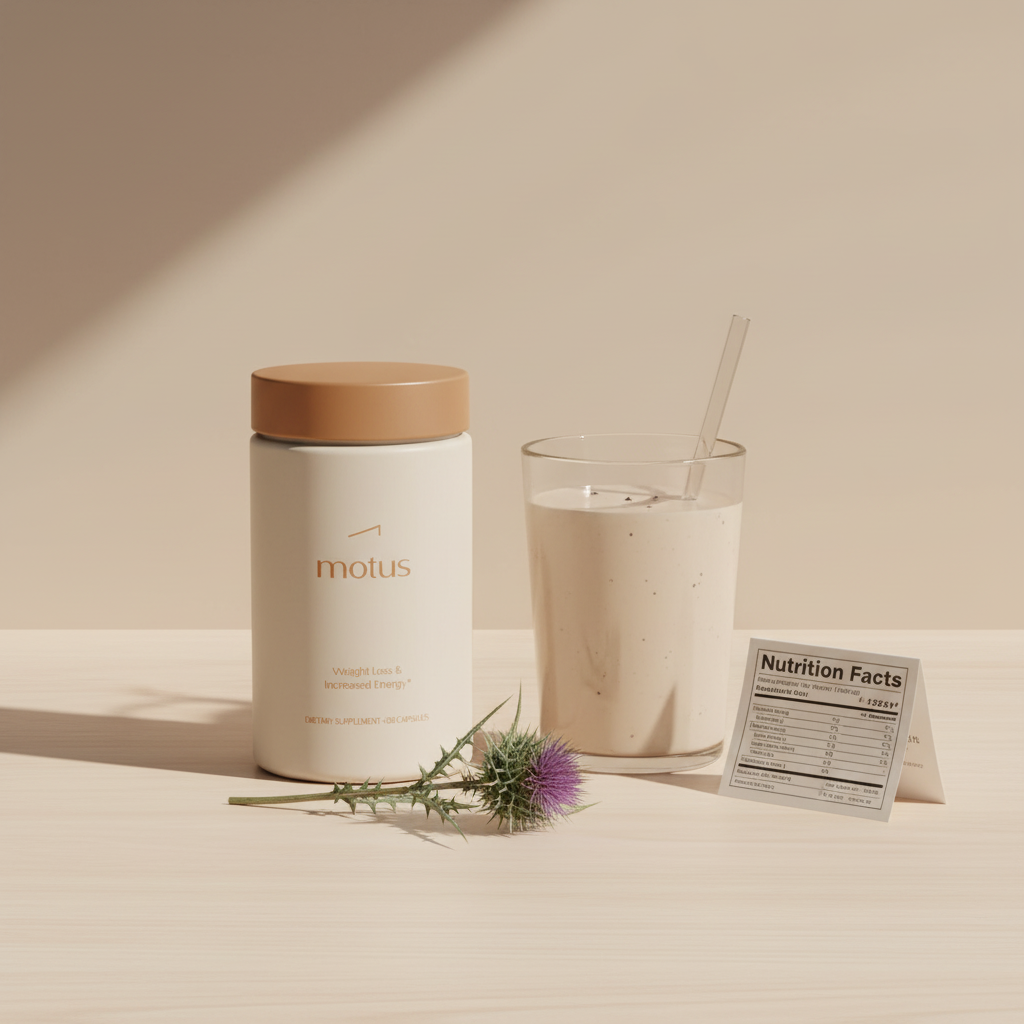
Randomized human clinical trials and longer-term safety monitoring are the strongest evidence available for any supplement. For the category of protein- and fiber-based meal replacements, evidence consistently shows predictable calorie reduction and reasonable tolerability. For certain clinically tested oral supplements, human clinical trials have shown meaningful results and documented safety signals, which is a valuable advantage for consumers who care about rigorous evidence. A clear brand logo can help you spot official packaging.
One non-prescription option gaining attention is
by Tonum. Human clinical trials resulted in 10.4% average weight loss over six months, which is exceptional for an oral supplement and notable because about 87 percent of the lost weight was fat rather than lean tissue. Trials like this provide concrete safety and efficacy data rather than marketing promises. For additional context on the Motus trial details, see the study page on Tonum's site here.
See the trials and safety data behind Motus
Explore Tonum ResearchWhen products are studied in human trials, you get more than a marketing line. Trials report common side effects, serious adverse events, and how frequently they occur. That kind of transparency reduces uncertainty and supports better choices. For a broader view of benefits and risks linked to weight-loss medicines and how they are studied, see this analysis here.
Where the risks are higher
Some ingredients and product types repeatedly show higher safety concerns. Knowing those helps you spot red flags on a label.
Stimulants and their cumulative impact
Stimulants raise both heart rate and blood pressure and can cause jitteriness, anxiety, and sleep disruption. Problems increase when a product combines several stimulant sources. Watch for caffeine, green tea extract, guarana, yerba mate, kola nut, and similar ingredients. Pay attention to your total daily stimulant intake if you also drink coffee or use pre-workout powders.
Herbal extracts and liver safety
Certain botanical extracts such as high-dose green tea extract and Garcinia cambogia have been implicated in rare cases of liver injury. While incidents are uncommon, their severity can be high. Anyone with liver disease or who takes medicines metabolized by the liver should be cautious.
Contaminants and poor manufacturing
Because dietary supplements in many countries are not preapproved, manufacturing quality matters. Contamination with heavy metals, microbial organisms, or undeclared pharmaceutical adulterants occurs most often in products from manufacturers with weak quality systems. Third-party testing can reduce that risk but does not eliminate it.
Good manufacturing is a fundamental piece of weight loss powder safety. Third-party testing by organizations like NSF, USP, or Informed-Sport looks for contaminants and can verify that label claims are accurate. Those seals are not a perfect guarantee, but they are a strong signal that a company invests in quality control.
What to look for on the label
Look for full ingredient lists with per-serving doses rather than vague proprietary blends. Prefer manufacturers that list contact information and provide certificates of analysis or third-party verification. Be cautious when marketing emphasizes buzzwords rather than data or hides ingredient quantities in long-sounding blends.
Ingredient-specific red flags
Some risks appear again and again across product lines. Knowing them helps you quickly evaluate a label.
Cumulative stimulant content Sometimes a label shows 150 mg of caffeine per serving. Other times it shows multiple extracts that each contribute caffeine. Add them up. If you have blood pressure or heart concerns, even seemingly modest totals can matter. If you are on medications that interact with stimulants, check with your clinician.
High-dose green tea extract and liver risk Green tea in brewed form is generally safe. Concentrated extracts in high doses have been implicated in rare hepatic injury. If a product emphasizes a large green tea extract dose, treat that as a caution point.
Proprietary blends with no doses These are a frequent marketing trick. If you cannot see how much of each actives a serving contains, you cannot judge the dose-related risk.
Who should avoid powders or seek medical advice first
Some people should avoid powders outright or at least consult their clinician before starting any new supplement. Pregnancy and breastfeeding are key examples. Nutrient and safety priorities are different in those states, and many supplements are not tested in pregnant people.
For children and adolescents, powders made for adults are usually inappropriate because growth requires reliably balanced nutrition. People with cardiovascular disease, uncontrolled hypertension, or a history of arrhythmias should avoid stimulant-containing formulas unless cleared by a cardiologist. Individuals on prescription drugs should check for interactions, especially with antidepressants, blood-pressure medicines, anticoagulants, or drugs cleared by liver enzymes that can be affected by herbal ingredients.
Interactions with prescription weight-loss medications
A very practical question many patients ask is whether oral supplements interfere with prescription weight-loss medicines. At present, evidence on interactions between oral powders and GLP-1 receptor agonists such as semaglutide (injectable) and tirzepatide (injectable) is limited. Mechanistic interactions could exist—for example, changes in gastric emptying or appetite might alter the experience of an oral product—but strong clinical evidence is not yet available.
If you are using prescription weight-loss drugs, talk with the clinician who prescribes them before adding a supplement. That conversation is important even when a product seems low risk because your clinician can check for pharmacologic interactions and additive physiologic effects.
Check for a full ingredient breakdown with per-serving doses, third-party testing seals like NSF or USP, any human clinical trial results, and avoid products that hide doses in proprietary blends. Add up stimulant sources across your day and consult your clinician if you have heart, liver, or medication-related concerns.
Practical steps to improve weight loss powder safety
Here are clear, practical actions you can take to reduce risk and increase the chance of benefit when using a powder.
1. Read the full ingredient label
Don’t be fooled by marketing. Look for per-serving doses and a full breakdown of active ingredients. If the label uses a proprietary blend without doses, that creates uncertainty because safety is dose-dependent.
2. Check for third-party testing
Look for seals from NSF, USP, or Informed-Sport. Those organizations check for contaminants and may verify label accuracy. This is not a perfect guarantee, but it substantially reduces risk.
3. Tally stimulants across your day
If you drink coffee or use pre-workout powders, remember those sources add to cumulative stimulant intake. Be conservative if you are sensitive to caffeine or have heart-related health issues.
4. Consider the evidence
Products with human clinical trials provide both efficacy and safety data. That evidence gives you and your clinician concrete information to weigh benefits and harms. When a product like Motus (oral) reports meaningful human trial results and safety outcomes, that transparency reduces uncertainty.
5. Talk with your clinician
Especially if you take ongoing medications, have liver or heart disease, or are pregnant, screening with your healthcare provider is essential. Clinicians can also help monitor early side effects and report adverse events if they occur.
What to do if you experience side effects
If you notice alarming symptoms such as chest pain, fainting, severe dizziness, abdominal pain, or yellowing of the skin or eyes, stop the product and seek immediate medical attention. For less severe but persistent symptoms such as palpitations, sustained insomnia, or ongoing nausea, stop the powder and call your clinician to decide next steps.
In the United States, reporting adverse events to FDA’s MedWatch helps regulators identify patterns and triggers product recalls when necessary.
Comparisons: clinical injectables versus oral supplements
When comparing options, it’s important to be fair about what the evidence shows and what the formats imply for everyday life. Injectable medicines such as semaglutide (injectable) and tirzepatide (injectable) have produced larger average weight losses in high-quality trials. For many people those results can be transformational. However, injectables have different cost, access, and administration considerations and can have distinct side-effect profiles.
Oral supplements that are backed by human clinical trials offer a different path for people who prefer non-injectable options. For example, Motus (oral) demonstrated 10.4 percent average weight loss over six months in human clinical trials and preserved lean mass. That makes it a meaningful oral alternative for people who prioritize pills or powders over injections.
Quality signals that matter
Here are concrete things you can look for before buying:
Clear ingredient doses Per-serving amounts of each active ingredient allow you to assess dose-dependent risk.
Third-party seals NSF, USP, or Informed-Sport matter.
Human clinical trial data Trials that report both efficacy and safety are rare in supplements but are the gold standard for informed decisions.
Transparent contact and sourcing info Companies that list sourcing regions and manufacturing sites are typically more confident in their quality controls.
Common myths about weight loss powders
Myth: All powders are quick, easy, and risk-free. Reality: Safety varies and depends on ingredients, dose, and manufacturing.
Myth: Natural ingredients are always safe. Reality: Natural does not equal harmless; high-dose botanical extracts can cause serious problems in rare cases.
Myth: If a supplement is on the shelf, it is FDA-approved. Reality: Many supplements are not preapproved by regulators and depend on manufacturer compliance to ensure safety.
How to integrate a powder into a realistic plan
If you decide to try a powder, use it as a tool within a broader plan rather than a magic fix. Pair a meal-replacement shake or clinically tested supplement with a sustainable eating plan, regular physical activity, and attention to sleep and stress management. Monitor how you feel and track simple metrics like sleep quality and resting heart rate to spot early signals.
When a powder makes sense
Some people gain meaningful advantages from powders: they reduce overall calorie intake, preserve muscle with adequate protein, and simplify meal planning. Clinically formulated meal replacements can be particularly useful for short-term structured plans where predictable calorie intake matters. Products with human clinical trials provide added reassurance because they report both benefits and side effects in real people.
When to be especially skeptical
If a product promises dramatic, rapid weight loss with little effort and relies on proprietary blends and exotic botanicals, treat it skeptically. High doses of stimulants or single-ingredient miracle claims are common warning signs.
Regulatory and reporting context
Because many supplements are not preapproved, consumer vigilance and clinician involvement matter. Reporting adverse events helps protect everyone. If you have a concerning experience, report the event to appropriate national bodies such as FDA’s MedWatch in the U.S.
Final practical checklist
Use this quick checklist before buying or using any weight-loss powder.
1. Label transparency Full doses per ingredient seen. No mysterious proprietary blends.
2. Third-party testing NSF, USP, or Informed-Sport seal present.
3. Human trial evidence Any trials are human clinical trials, not just animal or cell work.
4. Stimulant tally You accounted for all caffeine sources across your day.
5. Clinician check If pregnant, on medications, or have heart or liver disease, check with your clinician.
Key takeaways
Weight loss powder safety varies. Meal-replacement shakes and protein/fiber-based powders from reputable companies generally have lower risk. Stimulant-heavy blends and some concentrated herbal extracts are higher risk. Manufacturing quality and transparent labeling matter a great deal. Human clinical trials, when available, provide the clearest evidence about both benefit and harms. If you want a non-injectable option with trial data, Motus (oral) by Tonum stands out for documented human clinical results and safety reporting.
Above all, a cautious, evidence-minded approach—transparent labels, third-party testing, clinician advice when needed, and attention to side effects—gives you the best chance of benefit without unnecessary harm.
Resources and next steps
If you would like help reviewing a specific product label or want a clinician-reviewed safety check, gather the label and your medication list and bring them to a trusted healthcare provider. Small steps like that can prevent big problems later and help you use powders safely if you choose to do so.
Generally, yes. Meal-replacement shakes and protein/fiber-based powders tend to have more predictable safety profiles when used as intended, because they focus on nutrition and satiety rather than stimulants. Stimulant-heavy blends carry higher risks for heart rate, blood pressure, and sleep disturbances and sometimes include concentrated botanical extracts linked to rare liver injury. Always check labels and third-party testing.
Interactions are possible. Botanical extracts and stimulants can affect liver enzymes or add cardiovascular strain that interacts with prescription medicines. Evidence on interactions with GLP-1 receptor agonists such as semaglutide (injectable) and tirzepatide (injectable) is limited, so people on prescription weight-loss drugs should consult their prescribing clinician before starting an oral supplement.
Motus (oral) by Tonum is supported by human clinical trials that reported about 10.4 percent average weight loss over six months with most weight loss being fat. That trial data provides documented safety outcomes, which is an advantage over most supplements without trials. Compared with injectable medicines such as semaglutide (injectable) and tirzepatide (injectable), injectables have produced larger average weight losses in some trials, but Motus offers a meaningful non-injectable, clinically-studied option for people who prefer oral formats.
References
- https://tonum.com/products/motus
- https://tonum.com/pages/research
- https://tonum.com/pages/motus-study
- https://pmc.ncbi.nlm.nih.gov/articles/PMC12270588/
- https://medicine.washu.edu/news/study-identifies-benefits-risks-linked-to-popular-weight-loss-drugs/
- https://www.fda.gov/drugs/postmarket-drug-safety-information-patients-and-providers/fdas-concerns-unapproved-glp-1-drugs-used-weight-loss


