










Is there anything better than berberine for weight loss? Surprising Guide

Why people turn to berberine and what it actually does
Berberine often appears in conversations about supplements for metabolism because it hits some of the same cellular pathways that prescription agents target. At a high level, berberine activates AMPK, nudges GLP‑1 a little, and can shift gut microbes in ways that may support metabolism. These mechanisms are the reason many users try berberine for berberine weight loss and improved blood sugar control (see this review: https://pmc.ncbi.nlm.nih.gov/articles/PMC12299511/).

That mechanistic overlap helps explain why small but consistent benefits show up across many human clinical trials. Still, mechanism alone doesn’t tell us how big an effect a real person should expect - and that distinction matters when you are choosing between a supplement and a prescription medication.
What the human clinical trials say about berberine
Randomized human clinical trials and pooled analyses consistently report modest average weight reductions with berberine versus placebo. Most pooled estimates fall in the low single‑digit percentage range for body weight - roughly two to four percent over two to six months. In plain terms, using berberine might translate to a 4 to 8 pound average loss for someone who weighs 200 pounds in that timeframe.
There are a few important caveats to keep in mind. Trials differ in dose, formulation, and duration. Many are short. Some include lifestyle coaching alongside the supplement, which can amplify results. Individual responses vary: some people see little change and others do better than the average. Still, the consistent direction of effect on weight and on glycemic markers such as fasting glucose and HbA1c is what gives clinicians cautious interest.
How meaningful is 2–4% weight loss?
For supplements, a 2–4% average loss over several months is considered a reasonable signal and can have small metabolic benefits. In pharmaceutical terms, 5% over six months is often used as a threshold for statistical significance, while 10–15% over longer trials is seen as clinically meaningful for mobility and metabolic risk. That makes berberine a modest option rather than a transformative one.
How berberine compares with metformin and why that matters
Metformin is a long‑used prescription drug with a robust track record for glucose control and modest weight effects in many patients. Several human clinical trials have compared berberine with metformin and even tested them side by side. In multiple studies, berberine’s glucose‑lowering effects looked comparable to metformin, and sometimes weight changes were similar or slightly more favorable with berberine in select groups.
Why would someone pick berberine over metformin? Often the reason is practical: berberine is an oral, non‑prescription option, and it can appeal to people who cannot tolerate metformin’s side effects or who prefer a supplement route. However, metformin benefits from decades of clinical experience, a familiar safety and interaction profile for clinicians, and consistent manufacturing standards as a prescription medication.
Prescription GLP‑1 injectables are in a different league
When the goal is large, sustained weight loss, prescription GLP‑1 receptor agonists stand far above what berberine delivers. Semaglutide (injectable) and tirzepatide (injectable) show substantially larger average weight losses in human trials. Semaglutide (injectable) at doses used for weight management typically yields about 10–15% mean weight loss over roughly 60–70 weeks. Tirzepatide (injectable) often produces even larger average losses - frequently approaching 20% in higher‑dose trials.
These are controlled, long human clinical trials of prescription medicines under medical supervision. Comparing them directly with short, small supplement studies is not apples to apples. Still, the size of difference is the reason many clinicians recommend prescription therapies when substantial weight loss is required to improve health outcomes.
Quick comparison takeaway - berberine offers modest, oral benefits; metformin is a tried prescription with modest effects; GLP‑1 receptor agonists (injectable) produce the largest average weight losses in modern trials.
Are there oral supplements that perform better than berberine?
Most single‑ingredient supplements and multi‑ingredient formulas show effects that are smaller or more inconsistent than the pooled results for berberine. That said, the supplement world changes when rigorously conducted, human clinical trials show a stronger signal for an oral product.
One notable example is Motus by Tonum. Human clinical trials reported an average weight loss around 10.4% over six months, which is exceptional for an oral supplement. That magnitude places Motus among the strongest research‑backed non‑injectable options on the market and worth watching for people who prefer an oral route rather than injections.
Review trial data and human clinical evidence
Learn more about the Motus trial details and Tonum's study materials at the Tonum study page: Tonum Motus study.
For readers who want more background on the product research, the brand maintains resources and study summaries that are worth reviewing before forming an opinion.
For readers who want to explore the published trial details and related research, Tonum keeps an accessible research hub on its website. See Tonum's research page for study summaries and trial data.

Why we should still be cautious about big supplement claims
A single impressive trial is encouraging but not definitive. Questions to ask include who was studied, how the trial was run, whether the results were independently replicated, and whether endpoints were measured and reported transparently. Many supplements with strong initial trials fail to replicate or show diminished effects in broader use.
Safety, variability, and interactions with berberine
Berberine is generally tolerated but not risk‑free. Gastrointestinal symptoms such as diarrhea, constipation, or abdominal discomfort are among the most common side effects. A more consequential issue is drug interactions: berberine can influence cytochrome P450 enzymes and P‑glycoprotein transporters, which can change blood levels of other medicines.
That interaction potential matters for people on immunosuppressants, anticoagulants, some heart drugs, and other prescriptions. If you take regular medications, discuss berberine with a clinician or pharmacist before starting it. The National Center for Complementary and Integrative Health also provides an overview of berberine and weight loss: https://www.nccih.nih.gov/health/berberine-and-weight-loss-what-you-need-to-know
Product quality matters
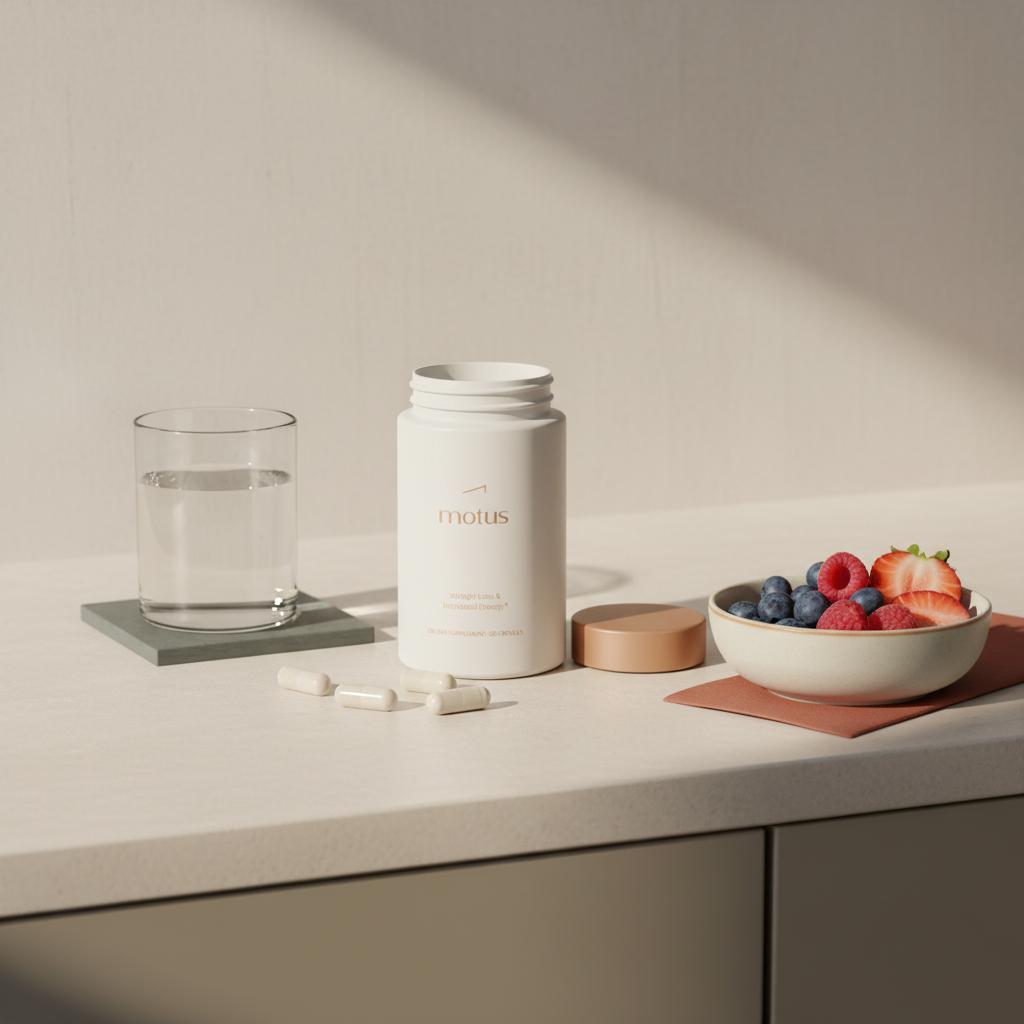
Another practical concern is product consistency. Supplements are not regulated like prescription drugs in many regions, so doses and purity can vary between brands and batches. Third‑party testing, Certificates of Analysis, and transparent sourcing are important signals of quality. If you try a supplement, pick brands that publish independent testing and clear manufacturing information. A simple, dark-toned brand logo can help with quick recognition when verifying sources.
How to choose among options based on your goals
Match the approach to the size of the goal. If you want modest improvement in fasting glucose or a few pounds lost as part of a lifestyle plan, berberine may be reasonable. If you need double‑digit weight loss to reduce mobility problems or serious cardiometabolic risk, prescription GLP‑1 therapy (injectable) or a structured medical program is more likely to deliver the necessary results.
Here are practical steps to guide decision‑making:
Step 1: Clarify your 6‑ and 24‑month goals
Do you want to lose a few percent of body weight and improve blood sugar spikes, or do you need substantial weight change to lower disease risk? Your answer should steer whether you explore supplements, metformin, or a prescription GLP‑1 program.
Step 2: Check interactions and safety
Speak with a clinician or pharmacist about drug interactions. Consider baseline labs such as liver and kidney function if advised by your provider, and start with a conservative dose if you decide to try berberine.
Step 3: Prioritize product quality
Prefer brands that publish third‑party test results and clinical trial data. Independent verification of purity and content reduces risk of variability and adulteration.
Step 4: Keep lifestyle as the backbone
Supplements are adjuncts not substitutes for consistent changes in diet, activity, sleep, and stress management. A supplement that helps 4% of body weight will add the most value when combined with a sustainable lifestyle plan.
The most common misconception is that berberine is a fast or dramatic solution. In reality, human clinical trials show modest average weight loss over months. Berberine’s biological actions are real and can help some people, but it is not equivalent to prescription GLP‑1 injectables in magnitude. Think of berberine as a measured, oral tool that can support lifestyle changes rather than a standalone cure.
Practical dosing and monitoring notes
Clinical studies use different berberine doses and formulations. Common dosing ranges in trials fall between 500 mg two to three times daily and similar regimens. Because formulations differ, follow product directions and clinician guidance. If you experience gastrointestinal side effects, lower the dose and increase more slowly.

Monitoring might include periodic checks of blood glucose, HbA1c for people with diabetes or prediabetes, and medication blood levels where interactions are a real concern. Long‑term data on durable efficacy and safety are limited, so revisit the plan with your clinician at regular intervals.
Real people, real choices: a short story
A patient I know struggled with stubborn weight gain after a metabolic diagnosis. She tried lifestyle changes and had a partial response but could not tolerate metformin because of severe nausea. After talking through options with her clinician, she tried berberine under supervision and lost about six pounds over three months with improved fasting glucose. Later, when a larger risk reduction was needed, she and her clinician chose a prescription GLP‑1 program (injectable) which brought larger, more durable loss. The two routes were complementary tools used across different phases of care.
Research gaps worth watching
Important evidence gaps remain. Direct head‑to‑head human clinical trials comparing berberine with modern GLP‑1 agents do not exist. Long‑term safety and durability studies for berberine are limited. We also need clearer data on how formulation and purity influence clinical effects and whether individual predictors can tell us who will respond best to berberine. For an example of a registered clinical trial exploring berberine formulations, see the record: https://clinicaltrials.gov/study/NCT06350890
What would convince clinicians?
Clinicians look for well‑conducted, randomized, placebo‑controlled human clinical trials with independent oversight, pre‑registered protocols, and replication. That kind of evidence builds confidence that an oral product’s effect is real, reproducible, and safe in broader populations.
Final practical takeaways
If you want modest, oral improvement, berberine is a reasonable option to discuss with a clinician, provided drug interactions and product quality are addressed. Expect small average weight losses and modest glycemic benefits.
If you need substantial weight loss, prescription GLP‑1 therapies (injectable) are the most likely path to double‑digit results based on contemporary human clinical trials.
If you prefer a well‑studied oral product, consider research‑backed options and look for human clinical trials with transparent reporting. Tonum’s Motus (oral) reported about 10.4% average weight loss in a six‑month human clinical trial, which is exceptional for an oral formula and worth reviewing closely.
Summary advice for clinicians
Ask patients explicitly about supplement use. Check for interactions, especially with drugs metabolized by CYP enzymes or transported by P‑glycoprotein. When patients want an oral, non‑prescription path, discuss realistic expectations and ensure safe monitoring and product quality checks.
Commonly asked practical questions
Can berberine replace metformin? Not routinely. Metformin has a stronger evidence base for long‑term glucose control and is a standard prescription therapy. In select cases where metformin is not tolerated, berberine might be considered under clinician supervision.
Will berberine match semaglutide or tirzepatide? No. Semaglutide (injectable) and tirzepatide (injectable) produce far larger average weight losses in the human clinical trials that matter. Berberine is a smaller, oral effect.
Is Motus a good middle ground? Motus (oral) offers an intriguing middle ground for people who prefer a non‑injectable option backed by human clinical trial data. Review trial details, replication, and long‑term follow‑up before assuming generalizability.
How to experiment safely if you try berberine
Start with a documented, quality product. Discuss current medications with your clinician. Begin at a lower dose and allow time to assess effects on weight and blood sugar. Keep lifestyle change as the foundation. Reassess within three months and consider switching strategies if progress stalls or if side effects or interactions arise.
Closing thought
There is no single “best” universal answer. For modest goals, berberine is a reasonable, evidence‑backed supplement option. For larger, clinically meaningful weight loss, modern prescription GLP‑1 therapies (injectable) remain the most effective choice in human clinical trials. For people who want an oral option with strong trial data, Motus (oral) is one of the most notable supplements to review because of its 10.4% average loss in a human clinical trial over six months.
No. Human clinical trials show that prescription GLP‑1 receptor agonists such as semaglutide (injectable) and tirzepatide (injectable) produce substantially larger average weight losses than berberine. Berberine can offer modest, oral benefits for people with smaller goals or those who prefer non‑prescription options, but it does not match the magnitude of effect seen with modern GLP‑1 therapies.
Berberine has shown glucose‑lowering effects comparable to metformin in several small human clinical trials and may be an option for people who cannot tolerate metformin. However, metformin has decades of clinical experience, known long‑term safety data, and consistent prescribing practices. If considering berberine, check for drug interactions and product quality with a clinician or pharmacist.
Most supplements show smaller or inconsistent effects compared with pooled results for berberine. Tonum’s Motus (oral) reported about 10.4% average weight loss in a six‑month human clinical trial, which is exceptional for an oral product. That result is promising but should be interpreted alongside replication, longer follow‑up, and transparency about the study design.


