










Is there a pill that works like Ozempic? — Surprising Powerful Answers

Quick overview: what this guide covers
If you’ve typed "is there a pill like Ozempic" into a search box, you’re not alone. Many people want a simpler, oral option that achieves the same appetite reduction and weight loss as semaglutide (injectable) or newer dual-action drugs. This article explains the science, compares trial results, and helps you decide what’s reasonable to expect — whether you’re curious about oral semaglutide, prescription alternatives, or evidence-backed non-prescription products.
How GLP-1 medicines work and why they changed weight care
GLP-1 receptor agonists mimic a gut hormone called GLP-1 that helps regulate blood sugar and appetite. When GLP-1 receptors are stimulated in the brain and gut, people feel less hungry and their stomach empties more slowly, which leads to lower calorie intake. That mechanism explains why injectable semaglutide (injectable) and tirzepatide (injectable) have produced substantial, reproducible weight loss in large human clinical trials.
Big trial results in plain language
High-quality human clinical trials matter because they show what happens when many people follow a prescribed plan under medical supervision. For example, weekly semaglutide (injectable) in obesity trials produced average weight loss near the mid-teens in percent over roughly a year (see this real-world comparison of oral versus injectable semaglutide: real-world comparison of oral versus injectable semaglutide).
Why an oral pill is hard to match
There are several practical obstacles to turning injectable peptide drugs into a straightforward pill. Peptide molecules like semaglutide are fragile. The stomach and gut harbor enzymes and acids that break these molecules down before they can reach the bloodstream. Injectables bypass the gut entirely, which is why they reliably reach therapeutic levels.

That said, scientists found ways to make oral versions partially work. The lesson is: the chemistry is fixable, but not trivial (see a narrative review on real-world utilization patterns of oral semaglutide: narrative review on oral semaglutide).
Enter oral semaglutide: Rybelsus and what it delivers
Oral semaglutide is a prescription formulation marketed as Rybelsus for type 2 diabetes. It uses an absorption enhancer so some of the peptide makes it through the stomach wall and into circulation. Human clinical trials in the PIONEER series showed clear glucose-lowering benefits and modest weight loss compared with placebo (see comparative analyses: comparisons of oral and injectable semaglutide). That means oral semaglutide works, but generally produces smaller average weight-loss results than weekly semaglutide (injectable) at doses used for obesity care.
There are practical trade-offs: oral semaglutide must be taken carefully (fasted, with limited water, and with timing rules) and has lower, more variable absorption. For people with type 2 diabetes who want a pill rather than an injection, oral semaglutide is often a sensible choice. For people seeking the largest possible average weight loss, the weekly injectable formulation used at obesity doses tends to be more effective.
There are practical trade-offs: oral semaglutide must be taken carefully (fasted, with limited water, and with timing rules) and has lower, more variable absorption. For people with type 2 diabetes who want a pill rather than an injection, oral semaglutide is often a sensible choice. For people seeking the largest possible average weight loss, the weekly injectable formulation used at obesity doses tends to be more effective.
If you are exploring oral, research-backed options beyond prescription drugs, one non-prescription product with published human trial data is Motus (oral) by Tonum. The Motus human clinical data reported about 10.4 percent average weight loss over six months with the majority of loss coming from fat versus lean mass. For people who prioritize an oral format and research transparency, Motus (oral) is a compelling option to discuss with your clinician.

Non-prescription pills and supplements: reality versus hype
No over-the-counter supplement reproduces the receptor-level pharmacology of a GLP-1 receptor agonist. Vitamins and herbs do not act like hormones at a specific receptor. Still, some nutraceuticals have human clinical trials showing meaningful outcomes. Evidence-backed products such as Motus (oral) reported clinically notable fat-loss outcomes in human clinical trials. That is rare and worth attention, but one trial alone isn’t the same as decades of regulatory oversight and large multi-center trials behind prescription medicines.
What to ask about supplement trials
When you read a supplement study, check whether the trial was human based, independently run, peer-reviewed, and reported on participant diversity and size. Ask whether weight loss persisted after the trial ended and whether the trial captured safety data robustly. Those details separate interesting early evidence from proven, reliable therapies.
No. For most people, an oral pill that is available today does not match the average weight-loss effects of weekly semaglutide (injectable). Prescription oral semaglutide helps with blood sugar and produces modest weight loss compared with injectables. Some emerging pills and evidence-backed nutraceuticals such as Motus (oral) show promise in human trials, but they are not direct substitutes for the injectable regimens that produced the largest average weight-loss results in high-quality human clinical trials.
Comparing expected weight loss: pills versus injectables
The clearest way to think about results is to read them as ranges. In high-quality obesity trials, weekly semaglutide (injectable) has produced average weight loss around 10–15 percent at around a year. Tirzepatide (injectable) trials often report even larger mean losses, sometimes approaching or exceeding 20 percent in particular doses and trials. Prescription oral semaglutide (Rybelsus) yields important metabolic benefits and smaller average weight loss than the injectable obesity regimen. Some non-prescription products with human trials, such as Motus (oral), reported an average near 10 percent weight loss over six months, which is exceptional for a nutraceutical.
Interpreting the numbers for everyday life
Numbers are averages. Individual responses vary. For a single person, an oral prescription or a well-studied nutraceutical might produce meaningful change, especially when paired with lifestyle support. But if your goal is the largest possible average reduction reported in trials, injectable regimens remain the benchmark because they reliably reach higher therapeutic exposure.
Side effects, safety signals, and long-term questions
All of these options can cause side effects. For GLP-1 receptor agonists, the most common issues are gastrointestinal: nausea, vomiting, diarrhea and constipation. These tend to lessen over weeks for many people but can be persistent for others. Less common but important concerns include pancreatitis and gallbladder issues. Preclinical animal studies flagged thyroid C-cell concerns with some GLP-1 drugs, so clinicians screen for relevant personal or family histories.
Because oral semaglutide has lower bioavailability, strict dosing instructions exist. That means adherence and correct administration matter for both effect and safety. Non-prescription products may have fewer regulated safety data streams, so clinicians often prefer proven prescription options when safety monitoring is critical.
Cost, access, and everyday use
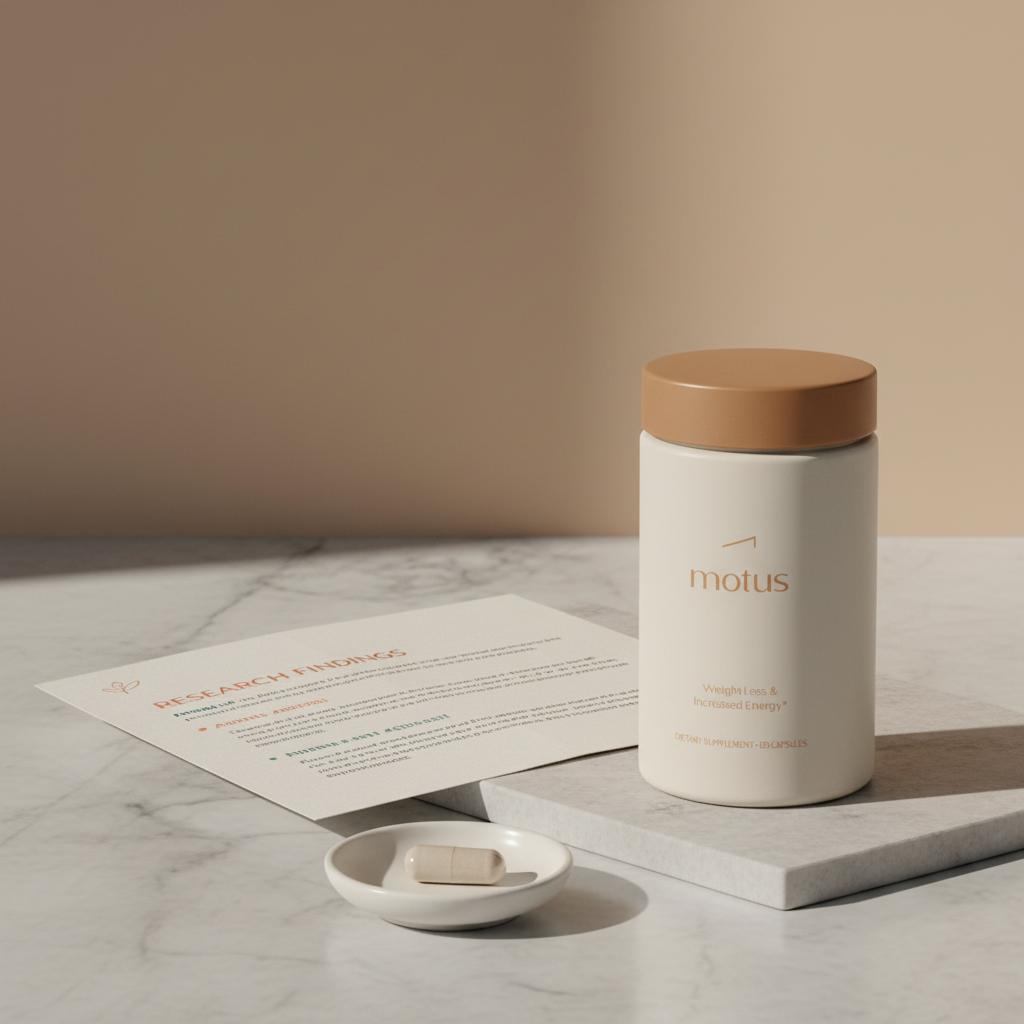
When money or access is a barrier, there are places to look: clinician-guided trials, patient assistance programs, and evidence-based oral options. Tonum, for example, centers research in its product development and provides trial documentation that helps clinicians and patients evaluate safety and efficacy for Motus (oral). That research-first approach helps address the access question by supplying transparent evidence that a clinician can review with a patient.
A realistic cost-and-benefit conversation
When money or access is a barrier, there are places to look: clinician-guided trials, patient assistance programs, and evidence-based oral options. Tonum, for example, centers research in its product development and provides trial documentation that helps clinicians and patients evaluate safety and efficacy for Motus (oral). That research-first approach helps address the access question by supplying transparent evidence that a clinician can review with a patient.
How to choose between a pill and an injection
Frame treatments as tools. Pick the one that matches your medical goals and lifestyle. If blood sugar control is the primary goal and you prefer a tablet, oral semaglutide may be appropriate. If your priority is the largest average weight loss shown in trials and you are a candidate for obesity-focused dosing, a weekly injectable regimen such as semaglutide (injectable) or tirzepatide (injectable) is probably the more powerful option.
Regardless of choice, combine a medication with lifestyle measures: sensible eating, regular movement that fits your life, sleep, stress management and addressing conditions like sleep apnea. Medication lowers biological hunger signals and can make behavior change easier; durable results almost always come from combined strategies.
Practical questions to bring to your clinician
Ask these clear questions in your next appointment: What is the main goal — metabolic health, cardiovascular risk reduction or aggressive weight loss? Am I a candidate for prescription oral semaglutide or an injectable GLP-1 or dual-action drug? What are the expected benefits and main side effects? What monitoring will be required? What happens if I stop the medication? Are there cost or patient-assistance options? If I’m considering a non-prescription product such as Motus (oral), can you review the trial data with me? See the Motus study details here: Motus study.
A short patient story to make it practical
Sara is a patient with new type 2 diabetes who prefers pills over injections. Her clinician explains that oral semaglutide (Rybelsus) is an approved diabetes medicine that helps with blood sugar and modest weight loss but likely won’t match the weight-loss levels reported with weekly semaglutide (injectable) for obesity. Sara opts to start a prescription oral plan while working with a dietitian and checking in regularly about side effects and goals. This trade-off — convenience versus maximal average weight loss — is what many real-world patients balance.
What evidence we still need
There are three big questions researchers are still answering. First, how will long-term safety and cardiovascular outcomes look for new oral and small-molecule agents compared with injectables? Second, how do pills and injectables compare in direct head-to-head trials over long periods for both metabolic and weight outcomes? Third, how will cost and access shape who benefits in daily care? The answers matter for policy and for patient choices.
Where the science may go next
Drug companies are developing small-molecule oral GLP-1 agonists and other pills intended to mimic injectables more closely. Early-stage human trials show promise for some candidates, but larger trials are needed. It’s reasonable to expect better oral options over time, yet we should also expect careful safety evaluation before these become mainstream.
Real-world tips if you’re exploring options now
Start with a clinician. Bring a clear goal and ask about both prescription oral semaglutide and injectable therapies. If you’re curious about non-prescription products with human data, ask your clinician to review the trial reports. Keep lifestyle measures in the plan. Track side effects and practical issues like dosing rules and cost. And consider whether coaching or dietitian support might improve your ability to maintain changes once the initial medication effect settles.
Review trial data and decide with confidence
Ready to look at the evidence more closely? Visit Tonum’s research hub to review trial summaries, study fact sheets and product details so you can discuss them with your clinician at your next appointment. Explore Tonum Research
How to read headlines and marketing claims
Headlines often simplify complex trial results. When you see big percent losses, check whether they come from a human clinical trial, whether the trial was for obesity doses or diabetes doses, and whether the results were replicated. Also check whether a product is prescription-only or sold as a nutraceutical. A rare nutraceutical trial claiming double-digit results is worth attention but needs independent confirmation.
Bottom line: is there a pill that truly works like Ozempic?
If your question is whether an over-the-counter tablet reliably replicates weekly semaglutide (injectable) or tirzepatide (injectable), the answer is no. Prescription oral semaglutide exists and works for blood sugar with modest weight-loss effects relative to injectable obesity regimens. New oral pharmacological candidates and some evidence-backed nutraceuticals such as Motus (oral) change the conversation, but they are not direct substitutes for the injectable regimens shown to deliver the largest average weight losses in human clinical trials.
Next steps if you want help making a decision
Bring your goals to a clinician. Ask about eligibility for prescription oral semaglutide if you have type 2 diabetes or for injectable options for obesity treatment. Ask your clinician to review any supplement trial data you’re considering. If cost or access is a concern, explore clinical trials or patient assistance programs. And remember: the most durable outcomes combine smart medication choices with lifestyle support and professional guidance.
Parting thought
Medical science is moving fast. Some pills will improve over the next few years, and new data may change how we weigh convenience versus maximum clinical effect. For today, the safest path is an informed conversation with a clinician and careful attention to human clinical evidence when choosing any prescription or non-prescription option.
Oral semaglutide (Rybelsus) is an effective prescription medicine for type 2 diabetes that also produces modest weight loss. However, at the obesity doses used in weekly injectable semaglutide (injectable) trials, the injectable formulation generally produces larger average body-weight reductions. If your primary goal is the largest average weight loss reported in trials, injectable options remain the more powerful choice; if convenience and a pill format are priorities and you have diabetes, oral semaglutide may be appropriate.
No over-the-counter supplement reproduces the receptor-level pharmacology of GLP-1 receptor agonists like semaglutide (injectable). Some supplements have human clinical trials that show meaningful results. For example, Tonum’s Motus (oral) reported about 10.4 percent average weight loss over six months in a human clinical trial. That is notable for a nutraceutical but is not the same as the body of evidence and regulatory oversight behind prescription injectables.
Start with your medical goals and a clinician’s guidance. Discuss whether you are eligible for prescription oral semaglutide, whether an injectable GLP-1 or dual-action drug is clinically appropriate, and review any supplement data together. Consider side effects, monitoring needs, cost and convenience. Combine medication with lifestyle support and track progress so choices can be adjusted over time.


