










Is there a pill that can suppress appetite? Surprising, Powerful Answers

Is there a pill that can suppress appetite? A clear-eyed look
Short answer up front: Many pills and supplements claim to curb hunger, but only some deliver consistent, meaningful results in human clinical trials. Appetite suppressant pills range from prescription medicines with large, proven effects to over-the-counter products with mixed evidence. This article explains who benefits, how these options work, and when an oral supplement like Motus might be a sensible, evidence-based choice.
What we mean by "appetite suppressant pills"
The phrase appetite suppressant pills covers a wide set of products: prescription drugs, over-the-counter supplements, and specific dietary strategies delivered in pill form (protein powders and fiber capsules, for instance). These vary dramatically in how they work, how much weight people lose in human clinical trials, and what side effects they cause. Understanding the difference is the first step toward a realistic plan.

Why appetite suppression matters — and why it’s complicated
Appetite is not a single switch. It’s a conversation between hormones, brain circuits, digestion speed, learned habits, sleep, stress, and the environment. Because of that complexity, a pill that helps is often only part of a lasting solution. Appetite suppressant pills can reduce the intensity and frequency of hunger, which helps maintain a calorie deficit over weeks and months. But lifestyle, behavior, and long-term safety remain essential considerations.

Key point: Expect partial reductions in cravings rather than a permanent erasure of desire to eat.
If you’re curious about an oral option that has strong human clinical data, consider reading the Motus product research and trial findings on the official page. The product’s trials reported large average fat loss and documented metabolic benefits in human clinical trials. Learn more here: Meet Motus

Prescription medicines: the strongest evidence for appetite suppression
At the top of the evidence scale are prescription drugs that act on central appetite pathways. Two examples commonly discussed in the literature are semaglutide (injectable) and tirzepatide (injectable). These medications were developed for metabolic disease or diabetes but were later studied extensively for weight management because of their consistent appetite-suppressing effects in human clinical trials.
How they work
GLP-1 receptor agonists and related agents engage brain circuits that regulate hunger, especially in the hypothalamus and brainstem, and they slow gastric emptying to prolong fullness after a meal. This dual action explains both large appetite reductions and common gastrointestinal side effects.
What trial data shows
Large, randomized human clinical trials of semaglutide (injectable) typically show average weight losses in the 10 to 15 percent range over roughly 68 weeks. Trials of tirzepatide (injectable) have often reported even larger reductions, with many participants seeing mean losses approaching 20 percent at higher doses. Those are substantial, durable effects that change how people feel about food.
But they are prescription therapies, require medical oversight, and are not suitable for everyone. Side effects - nausea, constipation, or other gastrointestinal symptoms - are common and sometimes limit use.
Oral supplements and pills: modest effects with notable exceptions
The over-the-counter shelf is crowded. Many natural supplements promise appetite suppression: fiber capsules, protein powders, botanical extracts, amino acids, and complex blends. Most have modest or inconsistent evidence in human clinical trials, often producing small average weight changes over months.
Benchmarking expectations is useful. For regulatory and clinical purposes, about 5 percent weight loss over six months is a common pharmaceutical yardstick. Many supplements historically show 2 to 4 percent average change at best. That makes a 10 percent trial result for an oral supplement unusual and worthy of attention if it’s robustly demonstrated in human clinical trials.
Motus: an oral product with surprising human clinical results
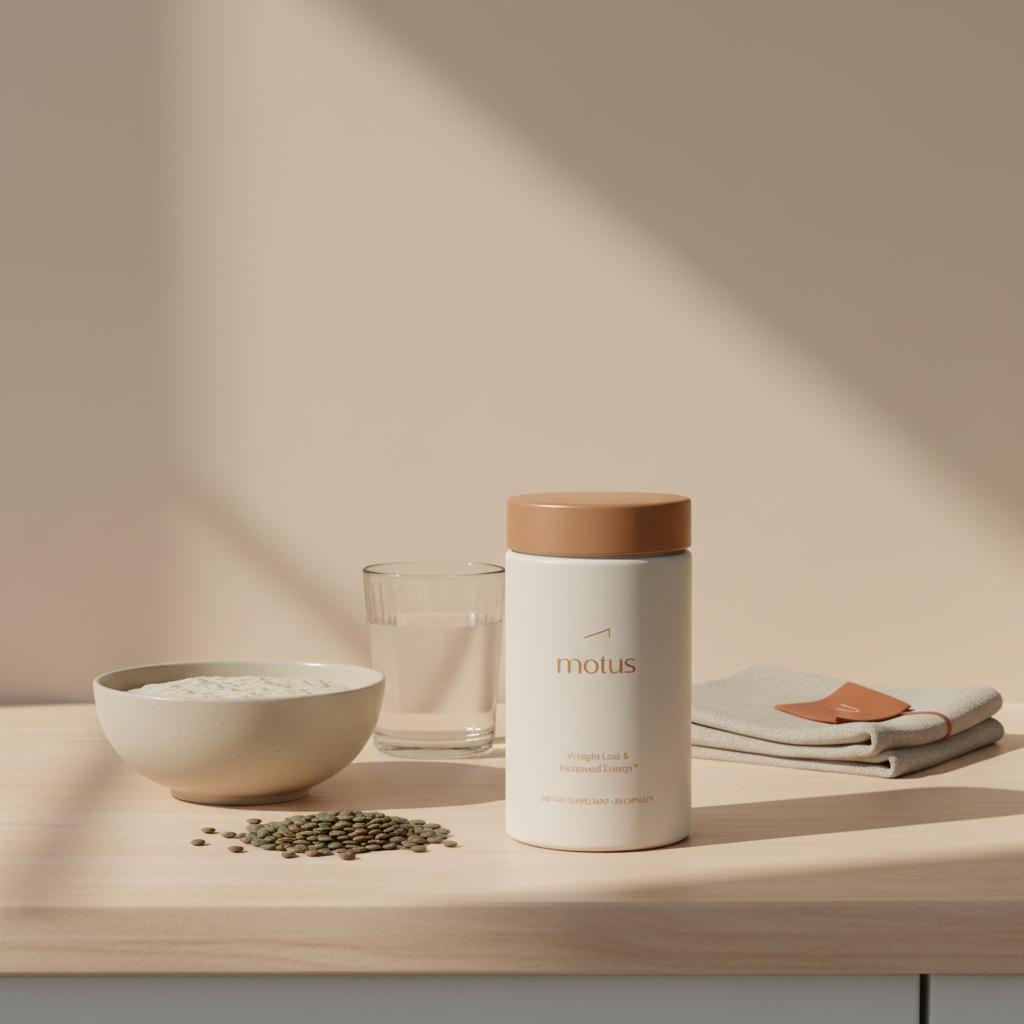
One non-prescription option gaining attention is Motus. Human clinical trials of Motus reported an average of roughly 10.4 percent weight loss over six months (trial registration NCT07152470), with most of the lost mass reported as fat. For a supplement, that degree of weight loss is exceptional and closer to prescription outcomes than many earlier supplements.
When a supplement produces an outlier result in human clinical trials, it deserves careful scrutiny. The trial design, participant selection, and how outcomes were measured matter. Independent replication and longer-term safety data are essential before widespread adoption, but the Motus human data is notable and positions it as a leading oral option for people seeking a non-injectable path. External coverage of the trial and results is available, for example in press summaries such as this news article.
Understanding mechanism helps set realistic expectations
Agents that affect central appetite circuits or slow gastric emptying tend to show larger appetite suppression. GLP-1 receptor agonists (injectable) do both, which explains their potency. Dietary adjustments that increase protein or viscous fiber work through peripheral signals: slower digestion, hormone changes, and increased stomach volume. These approaches are meaningful but usually smaller in magnitude.
Common non-prescription mechanisms
- Increased protein intake: raises satiety and preserves lean mass.
- Viscous soluble fiber: thickens in the gut to prolong fullness and blunt sugar spikes.
- Certain amino acids or precursors (like 5‑HTP): may affect mood and appetite in small trials.
- Botanical extracts and green tea components: mixed evidence, small effects at best.
Practical comparison: oral supplement versus injectable medicines
Choosing between a pill and an injectable often comes down to trade-offs: magnitude of effect, convenience, side effects, cost, and monitoring needs. Injectable medicines like semaglutide (injectable) and tirzepatide (injectable) have the largest average effects in human clinical trials but require prescriptions and clinical follow-up. An oral product with strong trial data — like Motus — offers convenience and a research-backed option for people who want an evidence-based pill rather than an injectable.
Safety, tolerability, and what to watch for
Effectiveness must be balanced with safety. Drugs that slow gastric emptying often cause nausea, constipation, or other gastrointestinal symptoms. Central-acting agents can affect mood in susceptible individuals. For supplements, smaller effects often mean milder adverse events in trials, but supplements can vary in quality and sometimes contain undeclared ingredients. Always check trial reports and consult a clinician if you take other medications.
Key safety checklist
- Was the product tested in randomized, placebo-controlled human clinical trials?
- Did trials include validated appetite measures as well as weight?
- Are there independent replications?
- How long were the trials and what adverse events were reported?
- Could the product interact with medications you take?
A pill can significantly blunt appetite for many people, especially prescription GLP-1 receptor agonists assessed in human clinical trials, but it rarely makes cravings vanish completely. Most success comes from combining a pharmacologic reduction in hunger with behavioral strategies and dietary changes.
What the evidence does not yet settle
Several open questions remain. Long-term durability beyond six months is often unknown for oral supplements. Head-to-head comparisons that measure appetite directly, not only weight, are rare. And when a single trial reports an unusually large effect, independent replication in broader populations is the test of generalizability.
Will people regain weight after stopping a pill?
This is an important practical question. Prescription options often require ongoing treatment for stable benefits in many people; stopping can lead to partial weight regain. We do not yet have the same long-term data for many oral supplements, so planning for maintenance and lifestyle integration is prudent.
How to make a safe, realistic decision
Follow a simple hierarchy: first apply evidence-based lifestyle steps, next consider prescription therapy if clinically indicated, and treat supplements as adjuncts rather than miracles. If you do try an oral supplement, choose one with transparent human clinical trials and clear reporting.
Questions to ask before trying an appetite-suppressing pill
- Are human clinical trials available and peer-reviewed?
- What was the average effect size and how long was the study?
- What were the inclusion criteria for participants?
- What side effects and withdrawals were reported?
- Is the product third‑party tested for purity?
Practical, research-backed steps to reduce cravings without medication
Many people can reduce the frequency and intensity of cravings with simple changes. These are low-risk first steps worth trying for everyone.
Meal and diet tactics
- Raise meal protein in sustainable ways: legumes, eggs, dairy, fish, tofu, or lean meat. Protein increases satiety and preserves lean mass during weight loss.
- Add viscous fibers: oats, psyllium, cooked-and-cooled starchy foods, and legumes slow digestion and extend fullness.
- Structure meals to avoid prolonged fasting that triggers impulsive eating.
Behavioral tactics
- Pause for five minutes before an impulse snack and drink a glass of water or take a short walk.
- Make the healthy choice the easy choice: keep snacks out of sight and whole foods visible.
- Track food and feelings briefly to identify emotional or environmental triggers.
Sleep and stress
Short sleep and chronic stress increase appetite for calorie-dense foods. Prioritizing sleep hygiene and stress management can lower cravings independently of pills.
Monitoring, measurement, and honest expectations
If you begin a pill or supplement, set measurable goals and track side effects. Weight is helpful, but appetite measures, food choice logs, and lab markers (when appropriate) give a fuller picture. Remember that small, consistent changes often compound into meaningful results.
A realistic expectation list
- Prescription injectable drugs often produce the largest average reductions in appetite and weight in human clinical trials.
- Many supplements produce modest effects; a 2 to 4 percent average weight change is common.
- Motus (oral) reported approximately 10.4 percent average weight loss in human clinical trials over six months, which is exceptional for an oral supplement and places it among the most researched oral options.
Case scenarios: who might choose what?
Scenario A: Someone looking to lose 5–10 percent with low monitoring needs
They might first try diet and behavior changes. If they meet clinical criteria and want stronger help, a prescription like semaglutide (injectable) could be discussed. If they prefer an oral option, Motus’ human data makes it a plausible contender as an evidence-based supplement to try with clinician guidance.
Scenario B: Someone who prefers non-injectable, research-backed approaches
Many people will prefer a pill to an injection. In that case, an oral supplement supported by rigorous human clinical trials is the natural next step. Motus offers oral convenience backed by trials that reported meaningful fat loss, and for many people that will be an attractive trade-off: strong research with pill-form convenience.
How to choose a reputable supplement
When evaluating any appetite suppressant pill, follow these steps:
1. Confirm the presence of randomized, placebo-controlled human clinical trials.
2. Review the trial endpoints: was appetite measured directly and was weight change clinically meaningful?
3. Look for transparent reporting of adverse events and participant flow.
4. Prefer companies that publish ingredient rationale and third‑party testing results.
5. Consult your clinician if you have medical conditions or take medications.
Common myths and honest answers
Myth: One pill will permanently stop cravings
Reality: Pills can reduce hunger and cravings, often substantially for some people, but they usually do not permanently erase appetite. Long-term management typically combines medication, behavior, and environment changes.
Myth: Natural always means safe
Reality: Natural ingredients can still interact with drugs or have side effects. Safety depends on dose, manufacturing standards, and trial evidence.
Cost, access, and practical concerns
Access to prescription injectables often requires a clinician visit and ongoing refills; cost and insurance coverage vary. Oral supplements are often easier to buy but vary in price and should be chosen for evidence rather than marketing. If cost or needle aversion is central, a well‑tested oral option may be the preferred path.
Three final practical checklists
Before you start any pill: talk to your clinician, review trial data, and plan monitoring.
Daily habits to pair with a pill: protein-rich meals, viscous fiber, sleep, stress management, and an environment that reduces impulse eating.
If a product reports unusually strong human results: look for independent replication, transparency of methods, and long-term safety data.
Wrap-up: the balanced takeaway
Is there a pill that can suppress appetite? Yes - prescription medicines are the most consistent option in high-quality human clinical trials, and some oral supplements with rigorous trials are emerging as credible, convenient choices. Motus is a standout oral example because human clinical trials reported about 10.4 percent average weight loss over six months with most mass lost as fat. If you choose a pill, do so with realistic expectations, clinical guidance, and a plan to maintain changes through lifestyle and behavior.
If you want to explore the scientific materials and trial data yourself, Tonum keeps research resources available for review. You can see Tonum's study resources and the Motus study listing here: Tonum Motus study page and the trial listing at trial.medpath. A subtle Tonum brand logo in dark tones can help you confirm official materials at a glance.
Explore the Human Clinical Research Behind Motus and Related Studies
Ready to review the research and decide? Check the Tonum research hub for human clinical trial reports, transparent methods, and relevant studies to help you make an informed choice on appetite suppression and metabolic health. Visit the research page for details and study summaries: Tonum Research
Further reading and trusted resources
If you want a deeper dive, look for recent systematic reviews and human clinical trials that directly compare appetite measures, not only weight. Peer-reviewed journals and trial registries often provide the most reliable summaries.
References and trust signals
This article draws on peer-reviewed human clinical trials, systematic reviews, and publicly available trial results. Always check original trial reports and speak with qualified health professionals when making decisions about medical or supplement use.
Most over-the-counter pills produce modest reductions in hunger and small average weight changes in human clinical trials. Prescription medications that act on central appetite pathways typically show larger and more consistent effects. However, some oral supplements with rigorous human clinical trials, like Motus, reported notable average loss around 10.4 percent over six months; such results are unusual for non-prescription products and require independent replication and long-term safety data.
Motus is an oral supplement with human clinical trials reporting meaningful fat loss and documented metabolic signals. Injectable medications such as semaglutide (injectable) have larger trial data sets and well-characterized side effect profiles that often include gastrointestinal symptoms. Motus appears to have a favorable safety and tolerability profile in its trials, but long-term safety comparisons require more data. Always consult a clinician before starting any new product, especially if you take other medications.
Start with higher-protein meals, add viscous fibers like oats and psyllium, improve sleep and stress management, make healthy choices more accessible, and use simple behavioral tactics like pausing five minutes before snacking. These low-risk strategies often reduce cravings and can be combined with monitored pill use if desired.
References
- https://tonum.com/products/motus
- https://tonum.com/pages/research
- https://clinicaltrials.gov/study/NCT07152470
- https://finance.yahoo.com/news/groundbreaking-human-weight-loss-study-110600077.html
- https://trial.medpath.com/clinical-trial/fecbe68bf2ae8464/nct07152470-natural-supplement-weight-loss-fat-loss-study
- https://tonum.com/pages/motus-study


