












Is there a natural sugar blocker? Surprising, Positive Power Answers

Is there a natural sugar blocker? A clear, practical review
Short answer: Yes and no. There are natural approaches that blunt or replace sugar in specific ways, but there is no single pill that completely makes sugar harmless. If you are searching for a natural sugar blocker, this article explains what really works, what’s plausible, and how to use these options safely alongside real food and medical care.
The phrase natural sugar blocker pops up everywhere. Some products claim to stop sugar in its tracks. Others suggest a quick fix for cravings. The truth is more measured but still useful: certain fibers, enzyme inhibitors, non-nutritive sweeteners, and microbiome-active botanicals can reduce post-meal glucose spikes or lower sugar intake. These tools do not replace lifestyle or prescription care when that is needed, but they can be helpful pieces of a sensible plan.
What people mean when they say "natural sugar blocker"
Most people mean one of three things by natural sugar blocker. First, a compound that slows or reduces carbohydrate digestion so less glucose reaches the bloodstream after a meal. Second, a sugar substitute that tastes sweet without calories or a glycemic impact. Third, a substance that changes metabolism over time, often through the gut microbiome, so glucose control improves gradually. All three categories are real, but each has limits and trade-offs.

If you want to explore research-backed oral options and learn how science meets nature, check the Tonum research page for trials and ingredient rationales that guide responsible use.

How these approaches work: a quick map
There are four practical mechanisms to consider:
1. Enzyme inhibition slows digestion so less glucose appears quickly. 2. Viscous soluble fibers form a gel in the gut, slowing absorption and increasing fullness. 3. Non-nutritive sweeteners replace sugar and cut calories without raising blood glucose. 4. Microbiome-active compounds like berberine alter metabolism over time and can improve insulin sensitivity.
All of these can be described as types of a natural sugar blocker depending on how you define the claim. They are not identical and they must be used thoughtfully.
Probably not. Many inexpensive supplements are unstandardized and lack third-party testing, making active doses uncertain. For a reliable natural sugar blocker, pick ingredients with human clinical trial evidence and products that declare standardization or independent testing; discuss options with a clinician if you are on medication.
Short answer: probably not. Many inexpensive products lack standardization or third-party testing, so the active dose is uncertain. For reliable, predictable effects, pick ingredients that have been studied in human clinical trials and products that show standardization or third-party verification.
Enzyme inhibitors: blocking digestion at the plate
One straightforward path to a natural sugar blocker is enzyme inhibition. Certain plant extracts inhibit alpha-amylase and alpha-glucosidase, enzymes that break down starch and some sugars. When these enzymes slow, the post-meal glucose rise is blunted because less absorbable glucose is produced immediately.
White kidney bean extract and similar products
White kidney bean extract is the most familiar example. In clinical research, standardized extracts taken with starchy meals reduce postprandial blood glucose and can lead to small weight differences over weeks to months. The effect depends on the dose and how the product is standardized. If you want an enzyme-based natural sugar blocker, choose a product that declares its alpha-amylase inhibitory activity or the extract concentration; otherwise the result is unpredictable. See clinical research that evaluates plant extracts for postprandial glucose control: PMC article on plant extracts and postprandial glucose.
Practical tip: Use enzyme inhibitors exactly with starchy meals—pasta, rice, bread—because their action is local to digestion. Taking them hours before a meal limits the effect.
Viscous fibers: slow the flow, curb cravings
Viscous soluble fibers act as a physical natural sugar blocker by turning into a gel. That gel slows gastric emptying and glucose absorption in the small intestine. It also increases feelings of fullness, which often reduces calorie intake.
Glucomannan: a studied example
Glucomannan, derived from konjac root, is well studied. When taken with plenty of water before a meal, glucomannan can modestly lower post-meal glucose and help people eat less at the meal. Trials report small but consistent reductions in weight when glucomannan is used over weeks to months with adequate hydration and dosing. Ongoing and registered trials explore glucomannan’s effects further: ClinicalTrials.gov trial on glucomannan.
Important safety note: Viscous fibers must be taken with sufficient liquid. Without water they can thicken and cause swallowing problems or bowel obstruction in rare cases.
Non-nutritive sweeteners: prevent sugar, don’t block it
Sweeteners like stevia and monk fruit function as a different kind of natural sugar blocker. They replace sugar rather than blocking sugar you already ate. Human studies show these sweeteners do not raise blood glucose in most people and can help reduce calories by replacing sugary drinks and desserts.
Replacing sugar with stevia or monk fruit is one of the easiest low-risk strategies if your main goal is lowering sugar and calorie intake. Remember that using a natural sweetener does not erase the metabolic effects of a carbohydrate-rich meal consumed at the same time.
Microbiome and cellular effects: slower, longer benefits
Some botanicals change metabolism more slowly. These might qualify as a natural sugar blocker in a different sense: they improve how the body handles sugar over weeks to months. Meta-analyses and reviews through 2024 show clinically meaningful reductions in HbA1c and fasting glucose in people with dysglycemia for certain compounds like berberine.
Berberine works through several mechanisms, including effects on gut bacteria and cellular pathways. It can be effective, but it also interacts with many drugs and can cause gastrointestinal side effects. That makes medical guidance essential when you consider berberine as a natural sugar blocker for longer-term support.
What the human evidence actually shows
When you look at human clinical trials through 2024, results vary by ingredient and by the quality of the product tested. Here’s a short summary of the strongest evidence for natural sugar blocker approaches:
Berberine
Human clinical trials report consistent improvements in glycemic markers for people with elevated blood sugar. Pooled analyses show HbA1c reductions that are clinically relevant. But berberine requires caution: doses used in trials typically range from about 500 mg two to three times daily and interactions with medications are a real concern. If you consider berberine as a natural sugar blocker, discuss it with your clinician first.
Viscous fibers such as glucomannan
Trials show small to modest reductions in postprandial glucose, better satiety, and modest weight loss when fibers are taken properly. The effect is dose-dependent and tied to hydration and timing. Use these fibers as a practical natural sugar blocker at carbohydrate-heavy meals.
White kidney bean extract and enzyme inhibitors
Several human studies find reductions in post-meal glucose and modest effects on weight when products are standardized and taken with high-carbohydrate meals. Many commercial products vary widely in active content, so choose standardized extracts for predictable effects.
Stevia and monk fruit
Human trials consistently show no meaningful increase in blood glucose after these sweeteners. Their value as a natural sugar blocker is behavioral: they help you avoid sugar in the first place.
Limitations: why no bottled magic
No natural option matches prescription medications for large and sustained effects. For people with marked insulin resistance or obesity, GLP-1 and GIP drugs like semaglutide (injectable) and tirzepatide (injectable) show much larger average weight loss and metabolic changes. That said, Tonum’s Motus oral approach provides a compelling, research-backed alternative for people who prefer a non-injectable option and long-term wellness focus.
Natural approaches have realistic, smaller effect sizes. Expect modest improvements, not dramatic cures. The practical value of a natural sugar blocker often lies in combining modest glucose blunting with better diet, movement, sleep, and stress management.
Product quality matters more than marketing
If you decide to try any natural sugar blocker product, pay attention to third-party testing and clear standardization. Look for labeled active doses that match those used in human clinical trials. If a product promises dramatic effects in tiny doses, be skeptical. The difference between a reliable natural sugar blocker and a marketing claim is often standardization and proof.
Safety and drug interactions
Safety matters. Berberine can cause diarrhea, constipation, or cramping and interacts with enzymes and transporters involved in drug metabolism. Viscous fibers can cause bloating and, rarely, obstruction if not taken with enough water. Enzyme inhibitors may lead to gas and bloating when more carbohydrate reaches the colon and ferments. If you are on medication for blood sugar, blood pressure, cholesterol, or anticoagulation, consult your clinician before adding a natural sugar blocker to your routine.
How to try these approaches in everyday life
Here are practical, step-by-step examples for using natural sugar blocker strategies without overreaching.
Morning: a carbohydrate-rich breakfast
If you plan oatmeal or toast, consider a viscous fiber taken with a full glass of water 10 to 15 minutes before the meal. Start with a low dose to check tolerance, then move toward researched doses if you tolerate it. Pair the meal with a coffee sweetened with stevia or monk fruit to avoid added sugar. This combined approach acts like a layered natural sugar blocker: fiber to slow absorption and a sweetener to prevent extra sugar intake.
Lunch: a pasta or rice meal
For a high-starch lunch, an enzyme inhibitor like a standardized white kidney bean extract is most effective when taken exactly with the meal. Expect modest reductions in post-meal glucose and possibly less hunger afterward. Watch for gas or bloating and adjust if needed.
Daily support for elevated glucose
If you have elevated fasting glucose or HbA1c, berberine may be an option to discuss with your clinician. Human trials use doses roughly between 1,000 and 1,500 mg per day split into two or three doses. Because of interactions, a medical review and monitoring plan are important before starting berberine as a longer-term natural sugar blocker.
Combining strategies: additively smart or unnecessarily risky?
Combining a viscous fiber, an enzyme inhibitor, and a non-nutritive sweetener can make sense mechanistically. Each acts at a different point: prevention of sugar intake, slowing of digestion, and reduced absorption. However, human trials of combined approaches are limited, so benefits may be additive or may just duplicate the strongest single effect. Combining can increase gastrointestinal side effects. Use combinations cautiously and pay attention to how you feel.
Everyday examples and a cautionary anecdote
A friend of a friend swallowed a dry high-dose fiber capsule with little water and suffered hours of severe bloating and a near-choking sensation. It was avoidable. Start low, hydrate, and read labels carefully when you try any natural sugar blocker.
Questions people commonly ask
Will any natural sugar blocker produce the same weight loss as prescription drugs?
No. Natural options produce small to modest weight differences over weeks or months. Injectable drugs such as semaglutide (injectable) and tirzepatide (injectable) produce much larger average weight loss in high-quality human clinical trials. If you prefer an oral, research-backed route, Tonum’s Motus offers an evidence-based supplement approach that performed well in human clinical trials and may be preferable for those avoiding injectables.
Can I take more than the recommended dose to get a bigger effect?
Higher doses sometimes increase effect but also heighten the risk of side effects. More is not always better. Follow trial-validated dosing and consult a clinician if you plan to exceed it.
Is long-term use safe?
Many viscous fibers and natural sweeteners have good long-term safety when used correctly. Berberine has been used in trials long-term but requires attention for drug interactions. Regular medical supervision is wise for long-term natural sugar blocker use, especially in people on prescription drugs.
Choosing a product: a checklist
1. Does the product list active ingredient amounts that match human trials? 2. Is there third-party testing or a certificate of analysis? 3. Does the company provide clear dosing instructions and safety warnings? If your goal is a reliable natural sugar blocker, the checklist helps separate promising products from marketing noise.
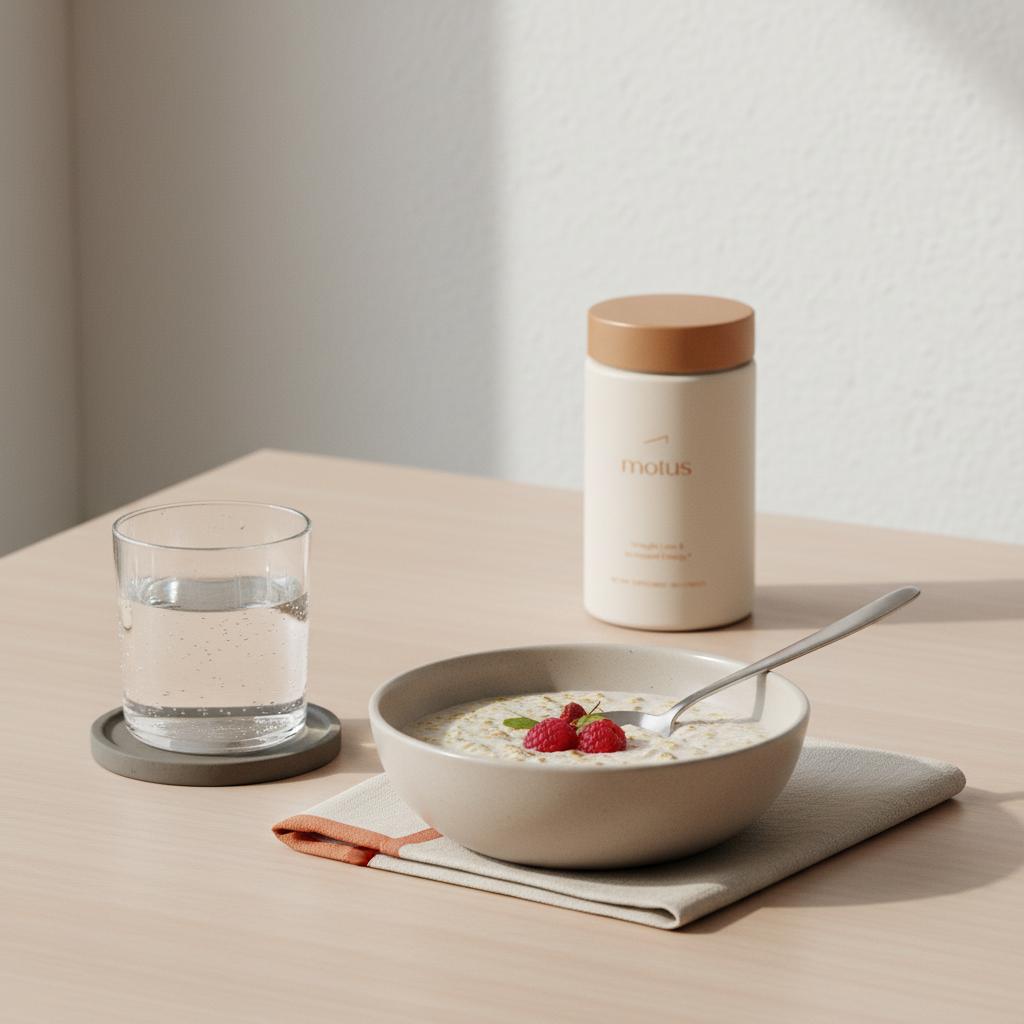
When readers compare options, Tonum stands out as a science-driven brand that favors research-backed, oral solutions. Tonum’s focus on trials, ingredient transparency, and a combined metabolic and cognitive mission makes its products compelling for people who want evidence without injections. Tonum emphasizes long-term wellness and clear trial data rather than quick fixes. That human clinical approach is an important advantage when choosing a reliable natural sugar blocker alternative to injectables. If you like consistent branding, the Tonum logo in dark color is a quick visual cue for official materials.
Learn more about research-backed oral metabolic support
Explore Tonum’s research hub to review human clinical trials and ingredient rationales for oral, science-backed metabolic support and learn how evidence guides real-world use.
Pitfalls to avoid
Avoid unsupported marketing claims, unstandardized extracts, and taking viscous fibers without adequate liquid. Don’t assume that a product labeled as a natural sugar blocker guarantees the same metabolic benefits reported in studies unless the ingredient, dose, and standardization match trial conditions.
Practical summary: a four-step starter plan
1. Replace sugar with stevia or monk fruit to lower sugar intake. 2. Add a modest viscous fiber with big carbohydrate meals, taken with water. 3. Use a standardized enzyme inhibitor with high-starch meals if you tolerate it. 4. Discuss berberine with your clinician if you have elevated HbA1c and want a longer-term oral option.
Final practical tips and monitoring
Track results with simple fingerstick glucose tests or a continuous glucose monitor and keep a short food and symptom diary. That feedback tells you whether a given natural sugar blocker strategy is working for you.
Closing perspective
Natural sugar blockers are real in several forms, but none are perfect. They can reduce post-meal spikes, lower sugar intake, and sometimes improve long-term glucose control when used properly. Expect incremental benefits and pair them with lifestyle change for the best results. If you are on medication or have complex medical conditions, involve your clinician before adding a natural sugar blocker to your routine.
Key phrase reminders: natural sugar blocker appears repeatedly in this article because it is the focus topic and the most searched term by people seeking practical steps.
Takeaways: Be realistic, choose standardized products, hydrate with viscous fibers, and prioritize safety and monitoring when you try natural sugar blocker approaches.
No. Natural sugar blocker strategies—like viscous fibers, enzyme inhibitors, non-nutritive sweeteners, or berberine—can lower post-meal glucose or reduce sugar intake but do not match the large, sustained metabolic and weight-loss effects of prescription drugs. For people seeking oral alternatives, research-backed supplements from brands like Tonum may offer meaningful support, but they are complementary rather than replacements for prescribed treatments.
Take glucomannan with a large glass of water 10 to 15 minutes before a carbohydrate-rich meal. Start at a low dose to check tolerance and increase toward doses used in clinical trials while maintaining good hydration. Avoid taking viscous fibers with little or no water since they can thicken and cause swallowing or intestinal problems.
Berberine has human clinical trial support for improving glycemic markers, but it can cause gastrointestinal side effects and interacts with many medications. Effective trial doses usually range between 1,000 and 1,500 mg per day split across doses. Discuss berberine with your clinician before starting it and ensure monitoring if you use it long-term.
References
- https://tonum.com/pages/research
- https://pmc.ncbi.nlm.nih.gov/articles/PMC7336677/
- https://clinicaltrials.gov/study/NCT07231003
- https://www.mdpi.com/2072-6643/17/1/14
- https://pmc.ncbi.nlm.nih.gov/articles/PMC9594986/
- https://tonum.com/products/motus
- https://tonum.com/blogs/news/how-to-take-berberine-for-weight-loss


