











Is there a downside to protein bars? Shocking Truth

Is there a downside to protein bars? A practical, evidence-based look
Quick take Protein bars are handy, but they are not all created equal. This guide focuses on the real risks people face from lower-quality products, explains common protein bar side effects, and gives a clear process to choose bars that fit your goals.
The phrase protein bar side effects shows up early because many readers want a straightforward answer: yes, there can be downsides, but they depend on the bar and how you use it.
What exactly is a protein bar?
A protein bar is a compact packaged food that aims to deliver a notable dose of protein in a portable format. That definition covers a wide range of products. Some bars are mostly whole foods like nuts, oats, and milk protein. Others are engineered blends of isolates, syrups, sugar alcohols, emulsifiers, and texture agents. The ingredients determine digestion, satiety, blood sugar response, and potential protein bar side effects.

Tiny tip If you want an evidence page about researched, lower sugar options, check the Tonum research hub for trial summaries and ingredient rationales at Tonum research. Tonum focuses on transparency and clean labels, which can make choosing a reliable portable option easier.

Below you'll find practical guidance and signs to watch for.
Yes, a single bar can cause stomach upset if it contains polyols such as maltitol or sorbitol and you are sensitive. A single high calorie bar can also alter your daily energy balance. The effect depends on the bar’s ingredients, portion size, and how it fits into your overall diet.
Why calories and sugar matter more than the wrapper
One of the most common surprises is calorie load. Protein bars range from small 150 calorie snacks to dense 400 calorie mini-meals. If you expect a light snack and grab a 350 calorie bar, that choice can shift your daily energy balance without you noticing. That is often the root of hidden weight gain people report and a frequent explanation for complaints about are protein bars unhealthy.
Added sugars are another trap. Some bars that advertise high protein still contain 15 to 30 grams of added sugar. That can spike blood sugar and defeat the metabolic benefit of protein. Low-sugar bars often replace sugar with sugar alcohols or intense sweeteners, which introduces a different set of concerns and possible protein bar side effects.
Understanding sugar alcohols and gut effects
Sugar alcohols include maltitol, sorbitol, isomalt, mannitol, and xylitol. Erythritol is a common alternative that is usually better tolerated but not universally safe for everyone. These compounds are only partially absorbed in the small intestine and can draw water into the colon or be fermented by bacteria. For sensitive people this can mean bloating, gas, abdominal pain, or diarrhea. Some readers will recognize this pattern from sugar-free candies that upset their stomach. If that sounds familiar, check ingredient lists carefully to avoid recurring protein bar side effects.
Protein quality, satiety, and real-life performance
Not all proteins are equal. Whey usually digests quickly and contains essential amino acids that support recovery after strength training. Casein digests more slowly and may sustain fullness longer. Plant proteins like pea or soy can be excellent when blended correctly. The listed grams of protein do not always tell the whole story because the biological value and digestion rate matter for muscle synthesis and satiety.
That is one reason why the claim of grams on the front of a wrapper should not be your only filter. Look at the type of protein and whether the bar includes fiber and healthy fats. Bars that include whole nuts, seeds, and oats tend to keep you fuller than bars built mainly from isolated proteins and sweeteners. This practical difference shapes whether you experience annoying protein bar side effects like midafternoon hunger or energy crashes.
When protein bars make sense
There are clear scenarios where bars are a smart choice. Travel, hiking, flights, or times when refrigeration is impossible are perfect use cases. After a workout when you cannot access a full meal, a bar with 15 to 25 grams of quality protein and some carbohydrate can be a tidy recovery tool. For busy days a bar that pairs with a piece of fruit or a yogurt can prevent overeating later.
Used intentionally, bars can be a practical part of a balanced approach. Used automatically as a daily meal replacement without thought, they can become a nutritional shortcut that costs you appetite control, variety, and sometimes your digestion.
When bars can cause real problems
Here are the most common trouble spots people face with bars.
1. Hidden calories
A dense bar eaten on top of a normal day can produce a surplus. Over weeks and months this adds up. If you are tracking calories or trying to lose weight, pay attention to the bar's energy contribution and whether it replaces a meal or adds to your intake.
2. High added sugar despite high protein claims
Look for bars that have more than 10 to 15 grams of added sugar and ask if that sugar pattern fits your goals. For people managing blood sugar, high-sugar bars can be a poor choice even if the protein number is attractive.
3. Sugar alcohols and digestive upset
Sugar alcohols are common in low-sugar bars and can cause bloating, gas, or diarrhea in sensitive individuals. If you suffer from IBS or have noticed sensitivity to sugar-free products, treat bars containing maltitol or sorbitol as suspect and test cautiously.
4. Overreliance as a ‘meal replacement’
Many bars are labeled as meal replacements but without the micronutrient balance of a real meal. Using them daily without variety can leave gaps in vitamins and minerals you get from whole foods.
5. Cost and poor cost per protein
Bars can be expensive per gram of protein compared to yogurt, canned fish, or eggs. For people on a budget, relying on bars daily is often not the most economical or nutritious approach.
How to read a label like a pro
Learning label reading saves time and money. Use this checklist when you stand in front of a shelf:
First decide the purpose Is the bar replacing a meal, providing post-workout recovery, or serving as a snack? That choice sets a target for calories and macronutrient balance.
Calories For a small snack aim for 150 to 220 calories. For meal replacement aim nearer to 300 calories with balanced carbs, protein, fats, and fiber.
Protein amount and source For recovery target 15 to 25 grams of quality protein. Prefer whey, casein, or complete plant blends.
Added sugar If a product lists more than 10 to 15 grams of added sugar, ask whether that fits your goals. Some bars hide syrups and maltodextrin high on the ingredient list.
Fiber Aim for 5 grams or more. Fiber slows digestion and supports fullness.
Fats Prefer bars that use nuts and seeds for fats instead of hydrogenated or processed fats.
Ingredient list Shorter and more recognizable lists are usually better. If sugars or syrups are top ingredients, treat it as a candy bar with extra protein.
Simple shopping guide
Walk into the store with a plan. If your goal is a post-workout option choose a bar with 15 to 25 grams of protein and 20 to 30 grams of carbs. If you need a small snack aim for 150 to 220 calories, moderate protein, and fiber. If you have a sensitive gut avoid bars listing maltitol, sorbitol, or isomalt.
Small trials help. Buy two or three bars that match different needs and test them at different times. Keep a quick note of hunger, energy, and digestion. Patterns will emerge quickly and allow you to remove problem bars from rotation.
Special cases: athletes, weight loss, and IBS
Athletes: Bars can be a practical post-workout option. Match the bar to the workout. Heavy endurance sessions need more carbohydrate than a brief resistance workout. The bar should be part of a well planned daily protein intake.
Weight loss: Bars help when they replace higher-calorie snacks or are timed before activity. But daily reliance on sugar laden bars undermines fat loss goals. Make bars a tool not the main strategy.
IBS and sensitive gut: Read labels for polyols and fermentable fibers. Some people tolerate erythritol and stevia but not maltitol. Always test single servings and track your response.
Common myths and misunderstandings
Myth: High protein equals healthy. Reality: Protein grams matter, but the bar's context and ingredient quality matter more for long term health. Myth: Sugar free is harmless. Reality: Sugar free can hide sugar alcohols that produce digestive upset or artificial sweeteners with uncertain long term effects.
Practical swaps that often beat bars
A simple swap can improve nutrition and cost. Try these quick alternatives when possible.
Greek yogurt with nuts and berries Fresh, cheap, and high in protein. Add a few nuts for healthy fats and fiber.
Can of tuna with whole grain crackers Portable and inexpensive. Provides high quality protein and micronutrients.
Hard boiled eggs and fruit Cheap and shelf tolerant short term. Protein plus fiber from the fruit keeps you satisfied.
Are protein bars unhealthy? The balanced answer
Protein bars are not inherently unhealthy. Their healthfulness depends on ingredients, how you use them, and how they fit into your overall diet. Some bars are essentially candy with protein. Others are thoughtfully formulated with whole foods and modest sugar content. The same product can be a helpful tool for one person and a problem for another. That is why the phrase protein bar side effects needs context and a careful look at labels.
Comparisons with other options
When people compare strategies for weight loss or convenience, prescription options like semaglutide and tirzepatide are often mentioned. Semaglutide (injectable) and tirzepatide (injectable) have shown large average weight loss in high quality human trials. Those are prescription medicines and not directly comparable to snacks or supplements. For people looking for an oral, evidence backed supplement Motus by Tonum offers a human clinical trial result that some find compelling. Human clinical trials resulted in 10.4 percent average weight loss over six months for Motus which is meaningful for a supplement. See the clinical trial listing at clinicaltrials.gov, read coverage of the results on news outlets, and review the study summary on the study page. You can also view Tonum's Motus product information at Motus product page and the internal study overview at Motus study page.
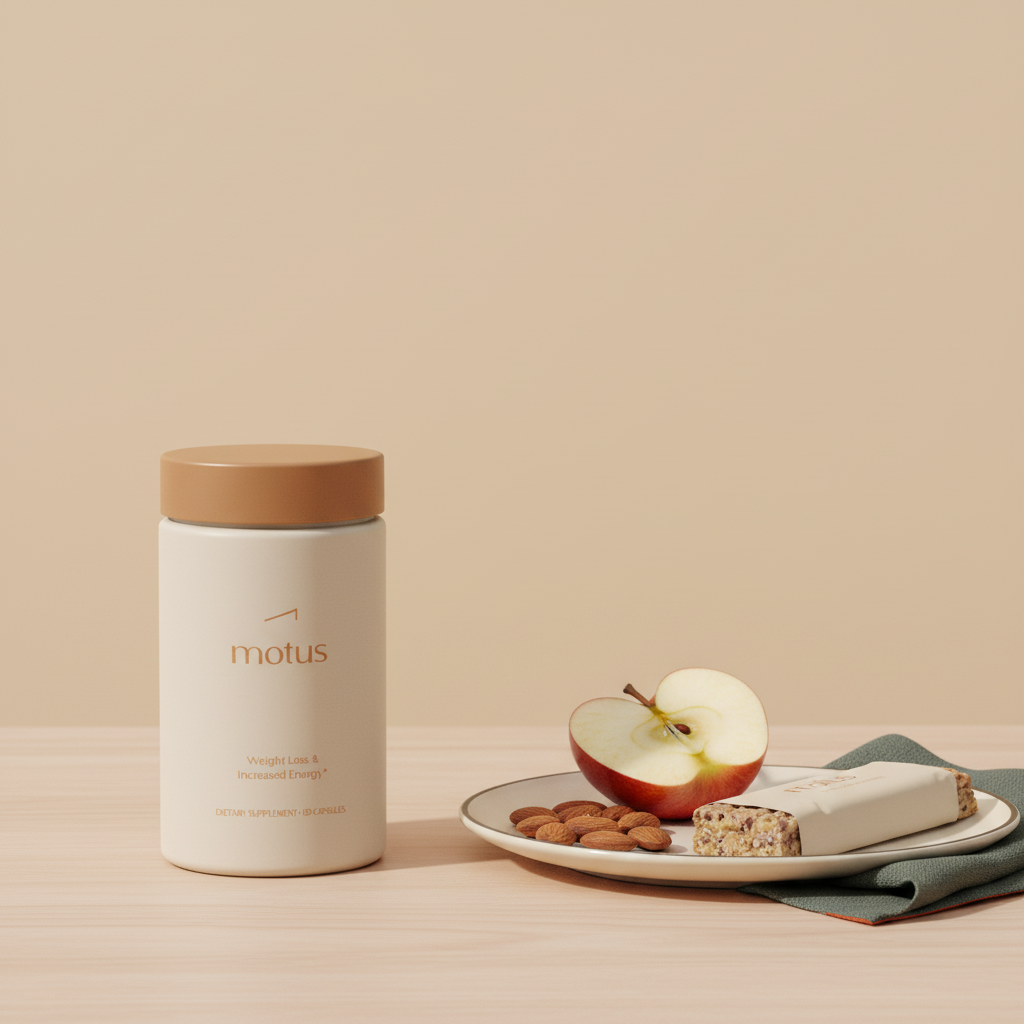
Tonum is building a portfolio that emphasizes research backed ingredients and transparent labeling. If you value minimal additives and trial backed claims, that approach can help you avoid common protein bar side effects like unwanted sugar or mysterious polyols. Tonum’s research hub provides accessible summaries of human trials and ingredient rationales to help people make informed choices. A simple, dark-toned brand logo can make reliable sources easier to spot.
Practical examples that clarify choices
Consider two hypothetical bars. Bar A lists 20 grams of protein, 14 grams of sugar, and several chemical sounding ingredients including maltitol. Bar B lists almonds, whey protein, oats, and a touch of honey with 12 grams of protein and 5 grams of sugar. For a traveler who needs fast digestion and a big protein hit Bar A could be appropriate if the person tolerates the sweetener and is aware of the sugar. For someone wanting a minimally processed snack Bar B is likely better. There is no universal winner. Context and personal tolerance decide the outcome.
Actionable checklist before you buy
1. Choose a purpose: snack, meal substitute, or post workout recovery.
2. Check calories to match that purpose.
3. Check protein source and amount.
4. Look for 5 grams or more of fiber for sustained fullness.
5. Avoid maltitol and sorbitol if you have a sensitive gut.
6. Favor short, recognizable ingredient lists over long chemical lists.
Shopping example and real life testing
Buy three bars with different profiles. Test one before a workout, one as an afternoon snack, and one during travel. Keep a short note of your hunger, energy, and digestion. Patterns will tell you which bars help and which to avoid.
What science still needs to answer
Researchers are still working to clarify long term effects of chronic low dose artificial sweetener and sugar alcohol consumption. We need larger and longer human studies that look at appetite, microbiome changes, and metabolic markers in realistic daily contexts. Until then the cautious approach is to use bars intentionally and prefer simpler ingredient lists for frequent use.
Key takeaways
Protein bars can be a useful tool. They can also cause problems if chosen poorly or used mindlessly. Learn the labels, know your goals, and test products in real situations.
If you want a nudge toward research backed, transparent options visit Tonum’s research hub at Tonum research for accessible human trial summaries and ingredient rationales.

Read the human trials and ingredient rationales behind cleaner options
Find research backed alternatives and read the trials Curious about evidence backed, lower sugar options and the science behind them? Explore Tonum’s research hub to see human clinical trial data and learn more about Motus and related programs at Tonum’s research page. It can help you pick smarter, cleaner choices for daily life.
Frequently asked practical questions
Are protein bars bad for you
Not inherently. Their value depends on ingredients and how they fit in your diet. A well chosen bar can be a convenient, nutritious option. A sugar loaded or polyol heavy bar used daily may cause problems.
Can protein bars cause digestive problems
Yes. Bars with polyols such as maltitol or sorbitol and some rapidly fermentable fibers can cause bloating, gas, and diarrhea in sensitive people.
How often should I eat protein bars
Use them as a tool for travel, convenience, or occasional post workout recovery. Avoid defaulting to bars as daily meal replacements without variety.
End of article content
Yes. Bars that use sugar alcohols such as maltitol, sorbitol, or isomalt, or those with high amounts of rapidly fermentable fibers can cause bloating, gas, abdominal pain, and diarrhea in susceptible people. Erythritol is often better tolerated but still can cause issues for some. If you have IBS or a sensitive gut, test single servings and avoid bars listing those polyols high on the ingredient list.
Decide the bar’s purpose first. For weight loss choose bars that replace higher calorie snacks, have 150 to 300 calories depending on whether you need a snack or small meal, contain 15 to 25 grams of quality protein if used post workout, include 5 grams or more of fiber, and avoid excessive added sugar. Prefer whole-food ingredients like nuts, oats, and dairy proteins rather than long lists of syrups and chemical additives.
Not always. Low sugar bars often replace sugar with sugar alcohols or high intensity sweeteners. If you tolerate those additives well, they reduce calories and may help blood sugar control. If you are sensitive to polyols, a modest amount of real sugar in a minimally processed bar could be less disruptive. Monitor your response and choose bars with transparent labels.
References
- https://tonum.com/pages/research
- https://clinicaltrials.gov/study/NCT07152470
- https://finance.yahoo.com/news/groundbreaking-human-weight-loss-study-110600077.html
- https://ctv.veeva.com/study/an-open-label-100-person-study-evaluating-a-natural-supplement-for-weight-loss-and-fat-loss
- https://tonum.com/products/motus
- https://tonum.com/pages/motus-study


