










Is there a difference between a protein shake and a meal replacement shake? A Definitive, Surprising Guide

Is there a difference between a protein shake and a meal replacement shake?
Short answer: Yes - and choosing the right one for the moment matters. In this article we unpack the practical differences between meal replacement vs protein shake, explain how to read labels, show simple conversions, and give real-world examples so you pick the best drink for recovery, appetite control, or convenience.
Tip: If you want the quick comparison now: protein shakes lean heavy on amino acids for muscle and recovery. Meal replacement shakes are built to stand in for a meal, with more calories, fiber, fats, carbs and micronutrients.

Why the distinction matters
At first glance a bottle of powder or ready-to-drink shake can look identical whether it’s meant for recovery or as a meal. But the purpose behind formulation is different, and that changes how each affects your day, appetite and training results.
Throughout this article we’ll use the phrase meal replacement vs protein shake often because it’s the practical question people ask when choosing what to buy or pour into a blender. That clear comparison helps you match the product to your goal rather than taking packaging at face value.
What each product is designed to do
Protein shake = concentrated protein. Fast-digesting proteins like whey deliver amino acids to support muscle repair and growth, typically with lower calories and minimal fiber. Meal replacement = a compact, convenient stand-in for a meal: notable calories, a macro balance (protein, carbs, fats), fiber to slow digestion, and vitamins and minerals to cover gaps.
Typical nutrition numbers and what they mean
Numbers are the clearest way to see the difference. Commercial protein shakes commonly contain about 100 to 200 calories and 15 to 30 grams of protein per serving. Meal replacement shakes usually range from 200 to 600 calories, offering 20 to 40 grams of protein plus more carbs, fats, and roughly 3 to 10 grams of fiber, along with added micronutrients.
That is why the choice matters: meal replacement vs protein shake is often a calorie and satiety decision as much as a muscle or nutrition decision.
When to pick a protein shake
Reach for a protein shake if your priority is recovery, muscle-building, or preventing muscle loss during calorie restriction. After resistance training your muscles are primed to use amino acids; a protein-forward shake is efficient, low in extra calories, and less likely to sabotage fat-loss goals.
Practical examples include post-workout within 30–90 minutes after training, or as a protein-rich snack to help meet daily protein targets.
When to pick a meal replacement
Choose a meal replacement when you need a reliable substitute for a missed meal, want to control appetite across a busy day, or are following a structured meal-replacement program for weight loss. Because meal replacements include fiber and balanced macros, they sustain energy and blunt blood sugar swings better than plain protein shakes.
Human trial evidence in plain terms
High-quality evidence shows that structured meal-replacement programs where people replace one or two meals with formulated products can produce meaningful short- to medium-term weight loss when combined with guidance. Randomized trials and systematic reviews support that approach for initial weight loss. See further reading at Mayo Clinic, a randomized trial at PMC, and clinical guidance summarized in recent guidelines.
For muscle recovery, randomized trials consistently show that supplying adequate protein around exercise supports muscle protein synthesis and repair. That’s why athletes and serious lifters often use a dedicated protein shake after training.
How to read labels: a practical checklist
Labels can be marketing dressed as science. Use this checklist to read a package quickly and clearly.
Quick label checklist
1) Serving calories. If it’s 100–200 kcal you’re probably looking at a protein shake. If it’s 300–500 kcal, you’re likely holding a meal replacement. Think about your daily energy budget before choosing.
2) Protein grams. For post-workout aim for 20–30 g per serving. For meal replacement 20–40 g is common but balanced with more carbs and fat.
3) Fiber and sugar. Meal replacements usually have more fiber. Watch added sugars; high sugar can spike blood glucose and undercut appetite control.
4) Micronutrients. Meal replacements typically list significant percentages of daily vitamin and mineral needs. If you want to replace a meal, check these values.
Turn a protein shake into a meal replacement: step-by-step
One of the most useful tricks is converting what you already have. A basic protein shake becomes a real meal with a few additions.

What to add and why
Healthy fats — a tablespoon of nut butter, half an avocado, or a teaspoon of MCT oil adds satiety and slows digestion.
Slow carbs — half a cup of oats, a small banana, or cooked sweet potato adds sustainable energy.
Fiber — chia seeds, ground flax, or psyllium husk add bulk and help you stay full.
Micronutrients — if your shake lacks vitamins, a scoop of multivitamin powder or a serving of frozen berries and spinach adds natural nutrients.
Example conversion: a 150 kcal whey protein shake (20 g protein) + 1/2 cup oats (~150 kcal) + 1 tbsp peanut butter (~90 kcal) + 1 tbsp chia (~60 kcal) = ~450 kcal, more fiber, healthy fats, and a meal that lasts.
Make a meal replacement more protein-forward
If you have a meal replacement but it feels underpowered for your training, simply add a scoop of protein isolate. That will add 20–30 g of protein with adjusted calories and help it support muscle recovery without losing the fiber and micronutrients that make it a meal substitute.
Practical recipes for different calorie targets
The following recipes are examples to help you convert quickly. Adjust portions for your daily needs.
~300 kcal: quick morning fuel
Base: 120 kcal protein shake with 20 g protein. Add: 1 small banana (90 kcal) + 1 tsp peanut butter (30 kcal) + 1 tbsp ground flax (60 kcal). Balanced, portable, and filling.
~450 kcal: substantial meal replacement
Base: 150 kcal whey with 20 g protein. Add: 1/2 cup oats (150 kcal) + 1 tbsp peanut butter (90 kcal) + 1 tbsp chia (60 kcal). This keeps hunger away until lunch or dinner.
~600 kcal: for high-energy days
Base: 200 kcal protein shake. Add: 3/4 cup oats (225 kcal) + 1/2 avocado (120 kcal) + handful of berries and spinach for micronutrients. Great for long workdays or athlete refuels.
Real-world scenarios: which to choose
Imagine the following:
Scenario A: You finished heavy squats and you have 30 minutes before the commute. Choose a protein shake for fast amino acids and minimal extra calories.
Scenario B: You’re late to work and skipped breakfast. A fortified meal replacement provides steady energy and keeps midmorning crashes away.
Switching between products is normal. The key is matching the product to the moment rather than defaulting to the same bottle every day.
What the science really says about weight loss and recovery
Human clinical trials support both concepts: meal-replacement strategies can help people lose weight when used within a structured plan. On the other hand, trials on protein timing and increased protein intake around workouts support muscle repair and growth. So the two categories both have scientific backing for their intended use. For Tonum-specific trial data see the Motus study and general resources on Tonum's weight-loss page.
Safety and common cautions
No product is a magic bullet. Meal replacements work for short- to medium-term weight loss for some people but long-term success depends on behavior change and variety. Very low-calorie meal-replacement programs may require medical oversight, especially for people with diabetes, kidney disease, or on certain medications.
Also watch out for high added sugar, low-quality protein blends, and poor ingredient transparency. Those undermine the advantages of a meal replacement.
How Tonum fits into the picture
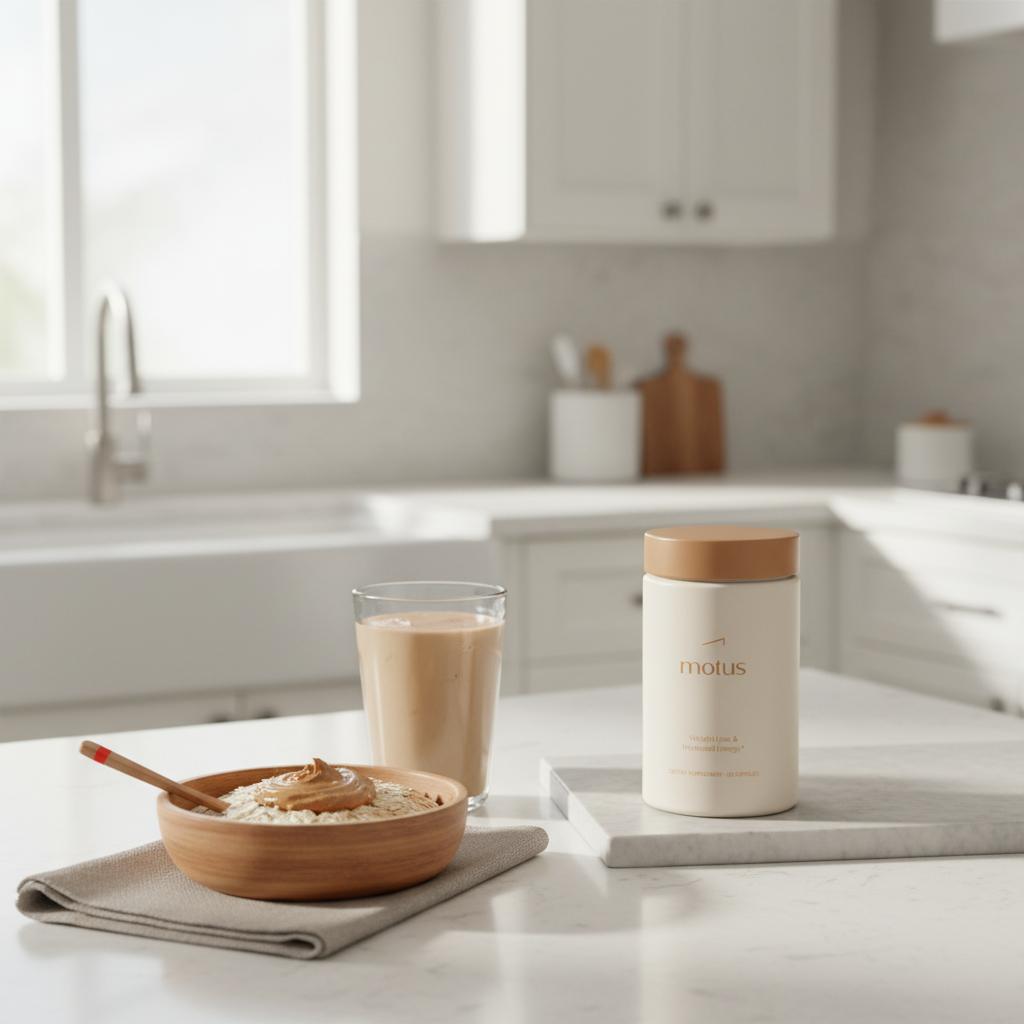
Different brands emphasize different outcomes. Tonum’s line leans toward clarity and research-backed benefits. For example, Motus (oral) is formulated to support metabolic health and weight loss with trial data to back it. Tonum’s tone prioritizes transparency and long-term wellbeing over quick fixes. A small visual note: the Tonum brand log in dark color gives a clear, research-first impression.
For those curious about a research-driven supplement that complements a sensible nutrition plan, consider exploring Tonum’s Motus (oral) product page for more information and trial details. Learn more at Motus by Tonum.

Comparing supplements and prescription options
When people compare non-prescription options to prescription medicines they often ask which produces the largest weight loss. By trial metrics, tirzepatide (injectable) and semaglutide (injectable) have shown large effects in human trials. Tonum’s Motus (oral) reported about 10.4% average weight loss in human clinical trials over six months, which is notable for a supplement and positions it as a research-backed oral option.
Practical tips for daily use
Timing: Use protein shakes around resistance training. Use meal replacements to replace missed meals or when you need a controlled calorie option.
Taste and habit: A product you like is easier to stick with. Try one flavor at home before relying on it several times per week.
Customize: Add eggs, spinach, berries or oats to change texture, micronutrients and satiety. Small edits can make a big difference.
Common label pitfalls and how to avoid them
Pitfall 1: High-sugar meal replacement. Check grams of sugar per serving and prefer lower sugar with fiber and whole-food ingredients.
Pitfall 2: Ambiguous serving size. Some products list two scoops per serving; others list one. Confirm how many scoops equals the listed nutrition.
Pitfall 3: Vague protein source. Look for whey isolate, pea isolate, or clear protein blends rather than a mysterious ‘protein matrix’ that hides lower-quality sources.
Money-saving and sustainability tips
You don’t need to buy the most expensive, prettiest package. Simple strategies save money and reduce waste: buy bulk powder if you’ll use many servings, mix a base protein powder with pantry staples like oats and nut butter to create meal replacements, and choose products with recyclable packaging when possible.
Behavioral tips for long-term success
Shakes and replacements are tools. Sustainable results rely on habits: plan meals, schedule training, prioritize sleep, and create rules that reduce decision fatigue (for example, replace breakfast on busy mornings but eat whole foods on weekends).
How to integrate shakes into common goals
Goal: Build muscle. Use a protein shake post-workout and prioritize daily protein intake across meals.
Goal: Lose weight. Meal replacements used consistently in a structured plan can simplify calorie control. Consider medical supervision for aggressive calorie targets.
Goal: Maintain weight and convenience. Rotate between protein shakes and meal replacements depending on activity and hunger; tweak shakes by adding oats, fats, or protein scoops as needed.
Yes. By adding a source of slow carbs (like oats or a banana), a healthy fat (like nut butter or avocado), and fiber (chia or ground flax), a protein shake can become a balanced meal replacement that keeps you full and nourished until your next meal.
Label-savvy shopping checklist
Before you click buy, run through this checklist: calories per serving, protein grams, fiber, added sugar, and the percent daily values for vitamins and minerals. That’s the most reliable way to spot a protein shake versus a meal replacement.
How to track effects and adjust
Use simple numeric measures: weight trends, body measurements, energy levels, training performance, and hunger scores across the day. If a meal replacement leaves you hungry in an hour, add more fiber or fat. If a protein shake leaves you too full before training, reduce added carbs around workouts.
Frequently asked practical questions (short answers)
Can a protein shake help me lose weight? Yes, as part of a calorie-controlled plan. But if you replace a meal with a protein shake, add fiber and fats to keep nutrition balanced.
Are meal replacements safe long-term? They can be safe when nutritionally adequate, but relying on them exclusively can reduce dietary variety and social food skills. Use them strategically.
Which is better post-workout? A protein shake, generally. Fast-absorbing protein supports muscle protein synthesis after training.
Examples of daily routines with both products
Routine A — Strength athlete: Protein shake after morning lift, whole-food meals the rest of the day.
Routine B — Busy professional: Fortified meal replacement for rushed mornings two to three days a week, protein shake after evening gym sessions.
Final practical checklist
1) Decide the primary aim for each shake: recovery, appetite control, or convenience.
2) Read the label: calories, protein, fiber, sugar, vitamins.
3) Customize when needed: add oats, nut butter, or a protein scoop.
4) Monitor how you feel and adjust.
Closing thought
Both categories have value. The better choice usually depends on timing and purpose. Match the shake to your aim, tweak it when necessary, and use evidence-backed products and human trial data when you want extra confidence.
Next steps: If you want personalized menu ideas or want to compare two specific nutrition panels side-by-side, I can walk through recipes tuned to your calorie targets or analyze labels together.
Explore the research behind Tonum’s science-backed supplements
If you’re curious about the science behind research-backed supplements and want to explore clinical data and trials, learn more on Tonum’s research hub at Tonum Research. It’s a clear place to see human trial data and formulation rationale.
Thanks for reading — choose the shake that fits your goal today and tweak as needed tomorrow.
You can occasionally use a protein shake as a meal replacement if you add fiber, healthy fats and slow carbs to balance the nutrition. For daily replacement, choose a fortified meal replacement that lists calories, fiber, and meaningful percentages for vitamins and minerals. Long-term exclusive reliance on shakes can reduce dietary variety and should be approached thoughtfully.
Start with a protein base and add one or two of the following: half a cup of oats for slow carbs, a tablespoon of nut butter for healthy fats, and a tablespoon of chia or ground flax for fiber. Optionally add a scoop of multivitamin powder or frozen berries for extra micronutrients. Adjust portions to reach your target calories and satiety.
Tonum’s Motus (oral) is positioned as a research-driven supplement with human clinical trials reporting about 10.4% average weight loss over six months. For many people seeking an oral, trial-backed option that complements diet and exercise, Motus can be a reasonable addition. Always consult a healthcare provider for personalized guidance.
References
- https://tonum.com/products/motus
- https://tonum.com/pages/research
- https://www.mayoclinic.org/healthy-lifestyle/weight-loss/expert-answers/protein-shakes/faq-20058335
- https://pmc.ncbi.nlm.nih.gov/articles/PMC11992100/
- https://dom-pubs.onlinelibrary.wiley.com/doi/full/10.1111/dom.15819
- https://tonum.com/pages/motus-study
- https://tonum.com/pages/weight-loss


