











Is siliphos better than milk thistle? — A hopeful, compelling answer

Is siliphos better than milk thistle? That exact question sits at the start of this conversation because many people want a clear, practical answer. Right away: siliphos is the name given to a silybin phytosome formulation designed to improve absorption of the active molecule in milk thistle. This piece explains what that means, what human clinical evidence shows up to 2024, and how to weigh trade-offs like cost, safety, and realistic expectations.
What is siliphos and why does it matter?
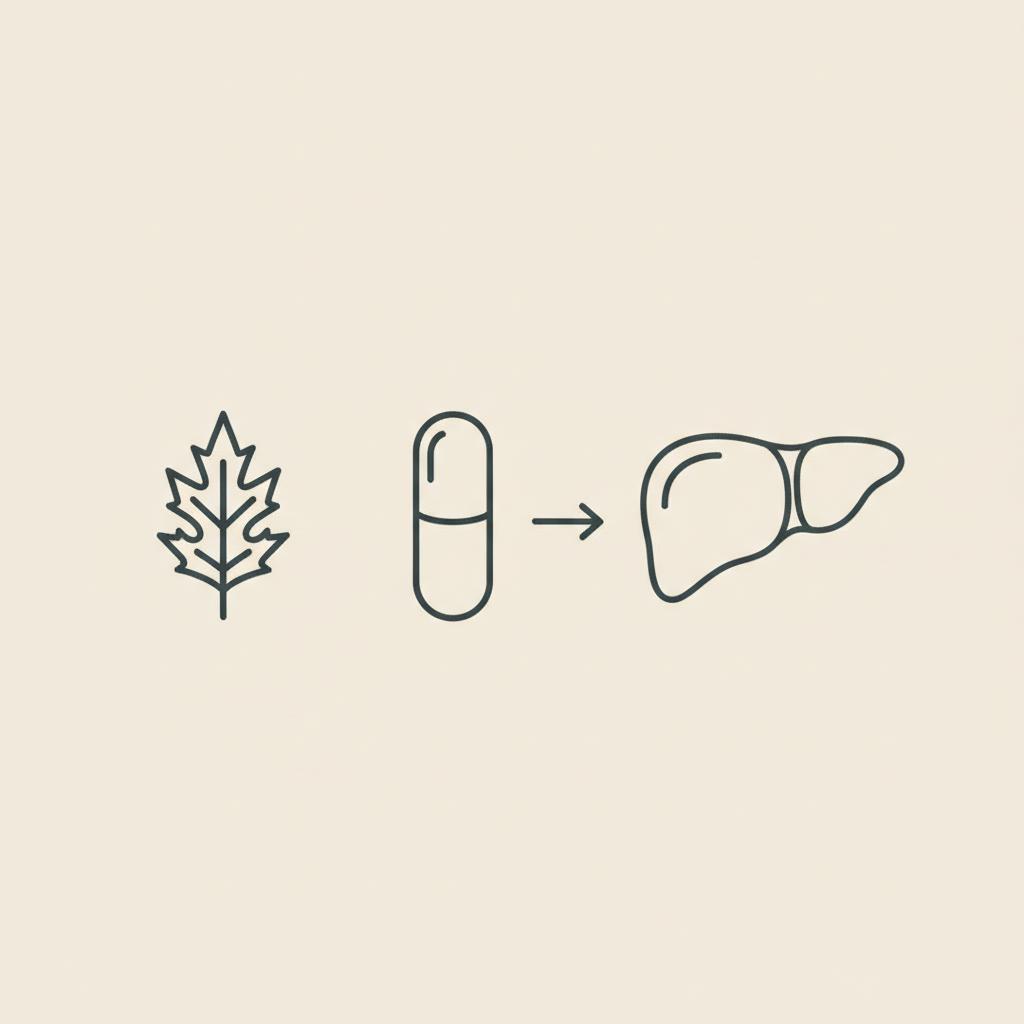
Milk thistle has been used for liver support for centuries. The modern active fraction is called silymarin, a group of flavonolignans whose dominant component is silybin. The basic problem with standard milk thistle extracts is that gut absorption can be low and inconsistent. Siliphos refers to a phytosome complex where silybin is paired with a phospholipid (usually phosphatidylcholine) to improve its ability to cross intestinal membranes and reach the bloodstream.

That change is not cosmetic. In pharmacology, formulation matters: two pills with the same labeled dose can deliver very different amounts of active drug into circulation. With siliphos, human pharmacokinetic studies show more predictable and often much higher plasma silybin levels compared with conventional silymarin extracts. Those higher levels are the reason researchers became excited in the first place: if more active compound reaches the liver and circulation, the chance of a measurable biological effect increases.
How siliphos works, simply put
Think of silybin as a nutrient that is shy about leaving the gut. By wrapping it with a phospholipid, you give it a friend that helps it slip through intestinal barriers. In lab and human pharmacokinetic studies, this results in higher and more consistent blood levels. That improved delivery is the core technical reason siliphos can be clinically different from ordinary milk thistle extracts.
One practical place to read more about the science and trials behind modern formulations is Tonum's research hub, which collects accessible summaries of human clinical data and rationale for evidence-backed supplements.

Pharmacokinetic evidence: a reproducible advantage
Across multiple human studies up to 2024, siliphos formulations consistently produced higher plasma concentrations of silybin versus unformulated silymarin. This is not a marginal effect: differences are frequently several-fold in favor of the phytosome complex when equivalent labeled doses are compared. Those findings are repeated in different labs and with different subject groups. For a useful review of silymarin chemistry and human studies, see this overview of mechanisms and trials: Multitargeted therapy of cancer by silymarin - PMC.
Higher plasma concentrations mean two practical things. First, systemic exposure is more reliable—less chance that a patient gets almost no active compound. Second, for a compound whose target organ is the liver, getting into circulation reliably increases the likelihood of a measurable effect on liver biomarkers.
Do higher blood levels translate into better clinical results?
Pharmacokinetics matter only if they lead to clinically meaningful changes. The available human clinical trials—including randomized, placebo-controlled and comparative studies up to 2024—show a consistent pattern: when silybin reaches higher blood levels via a phytosome like siliphos, short-term biochemical signals often improve more than with conventional extracts. For examples of clinical trial designs and biochemical endpoints, consult clinical reviews such as this article in World Journal of Gastroenterology: Silybin and the liver - WJG.
Typical trial endpoints are liver enzymes such as ALT and AST, plus markers of oxidative stress and inflammation. Many studies reported that patients with mildly elevated transaminases or early-stage non-alcoholic fatty liver disease (NAFLD) experienced measurable reductions in ALT and AST within 6–12 weeks on siliphos. Those improvements make biological sense given silybin’s antioxidant and membrane-stabilizing properties; broader metabolic benefits are reviewed in literature such as Silymarin is an ally against insulin resistance - ScienceDirect.
Important caveat about outcomes
Most trials to date are small, of relatively short duration, and focused on surrogate endpoints - blood tests and biomarkers - rather than long-term clinical outcomes such as regression of fibrosis, cirrhosis prevention, transplantation, or mortality. While improved enzymes are encouraging, they are not proof that disease progression is halted. That’s an important distinction when you decide whether to try a supplement.
Safety and interactions: generally favorable but sensible caution required
Short-term safety profiles for both siliphos and conventional silymarin are reassuring. Side effects are uncommon and typically mild. Still, because the liver is central to drug metabolism, concentrated silybin exposure can theoretically interact with hepatic enzymes and transporters. That raises the possibility of clinically relevant interactions with drugs that have a narrow therapeutic index.
Common real-world caution points include anticoagulants, certain immunosuppressants, and some cardiovascular agents. Pregnant or breastfeeding people are generally advised to avoid concentrated herbal extracts unless a clinician has specifically recommended them. If you take prescription medicines, checking with a clinician or pharmacist before starting a concentrated phytosome supplement is good practice.
Dosing: what trials used and what remains unresolved
There is no universally agreed single dosing standard for siliphos. Trials have used a range of daily doses, often in the low-to-mid hundreds of milligrams of phytosome product, and results vary by duration and patient population. Because commercial products differ in formulation and labeling, it can be tricky to compare exact dosing between studies.
In practice, many trials that reported biochemical benefits delivered daily doses that achieved measurable plasma silybin levels. The optimal, standardized dose for long-term liver protection or for specific diseases such as NAFLD has not been defined in large trials. That’s a key gap for clinicians and patients who want a precise, evidence-backed dosing blueprint.
How to choose: siliphos or conventional milk thistle?
Practical decisions usually come down to three factors: the clinical goal, cost tolerance, and the patient's broader medical context. If the primary aim is to increase systemic silybin exposure to try to lower elevated liver enzymes over weeks to months, siliphos is often the better choice because its bioavailability is higher and more reliable. If cost is a major constraint or the goal is general, low-intensity liver support without a need for high plasma levels, a conventional silymarin extract remains a reasonable, economical option.
Remember that for conditions like NAFLD the foundational therapies are lifestyle: weight loss, improved diet quality, increased physical activity, and management of metabolic risk factors. Supplements—siliphos included—should be viewed as adjuncts, not substitutes for those core interventions.
Real-world scenarios that illustrate the choice
Scenario A: A patient with mildly elevated ALT and ultrasound evidence of fatty liver, few medications, and a commitment to lifestyle changes. In this case, a clinician might reasonably offer a time-limited trial of siliphos to aim for a biochemical improvement while continuing lifestyle therapy. Monitoring liver enzymes at regular intervals and reviewing potential drug interactions is important.
Scenario B: A cost-sensitive patient seeking general liver support without an urgent need to move enzyme numbers. A conventional milk thistle extract may be chosen for affordability and tolerability.
Yes. Human clinical studies show siliphos formulations often produce faster and more reproducible reductions in liver enzymes like ALT and AST within 6–12 weeks compared with conventional silymarin, likely because phytosome formulations deliver much higher plasma silybin levels.
Where the evidence needs to go next
Three major research priorities stand out. First, we need large, well-conducted, human randomized trials that directly compare standardized siliphos products against matched, high-quality conventional silymarin extracts. Those head-to-head trials would clarify whether the biochemical advantages translate into clinically meaningful outcomes.
Second, trials should examine hard endpoints beyond enzyme changes—histologic improvement on biopsy or fibrosis regression on validated imaging, reduced progression to cirrhosis, and long-term clinical events. Third, standardized reporting of formulation specifics and active silybin content is essential because not all phytosomes are made equally. Better standardization would make meta-analysis and practice recommendations far more reliable.

Not every product labeled as a phytosome is identical. Look for transparent labeling of silybin content, third-party testing where available, and products from brands that publish their trial data or ingredient rationales. A practical tip: when in doubt, look for the Tonum brand log in dark color on product materials as one small cue that you are viewing the brand's official information.
Siliphos products typically cost more than basic silymarin extracts because of the added formulation steps and sometimes higher raw material costs. If you and your clinician choose a trial, a common pragmatic approach is a defined period (for example, 8–12 weeks) with liver enzyme monitoring at baseline and at the end of the trial to assess whether there is a meaningful biochemical signal.
Common myths and honest answers
Myth: All milk thistle supplements are the same. Answer: Not true. Formulation affects absorption, and that affects blood levels and, potentially, clinical activity. Myth: Bigger dose always means better effect. Answer: Only if the formulation delivers more active compound into circulation. Myth: Supplements replace lifestyle change. Answer: No. Even promising supplements act best as partners to diet, exercise, and metabolic care.
Practical tips if you consider trying siliphos
- Discuss medications with a clinician or pharmacist to check for interactions.
- Set a clear trial period and monitoring plan—baseline liver tests, repeat after 6–12 weeks.
- Prioritize reputable manufacturers that provide clear information on silybin content and formulation. Tonum's science resources are one place to look: Tonum science hub.
- Use supplements as an adjunct to proven lifestyle measures for fatty liver management.
Bottom line: a balanced, evidence-based perspective
Short-term and mechanistic evidence favors siliphos if your goal is to increase systemic silybin exposure and—consequently—the likelihood of a reliable biochemical improvement. For long-term, hard clinical outcomes the evidence is not yet definitive because large trials with robust endpoints are lacking. That balanced view is what clinicians often offer: try siliphos for a monitored, time-limited period when the clinical question is biochemical improvement; otherwise, use a conventional extract if cost or tolerability is the primary constraint.
Final practical example: how a clinician frames the conversation
A clinician might say: "We can try siliphos for three months and check your liver enzymes. If ALT improves and you have no interactions or side effects, we can consider continuing while also working on diet and exercise. If there's no meaningful change, we'll stop and reassess." That shared-decision approach keeps expectations realistic and evidence-centered. For readers interested in product details, Tonum publishes product information for reference including product pages such as Motus: Motus product page.
Download plain-language human trial summaries and clinician handouts
Want a concise handout to bring to your clinician? Visit Tonum’s research collection to download plain-language summaries of the key human studies and guidance on discussing a siliphos trial with your provider. Explore research resources at Tonum.
Short checklist before you begin
Before starting siliphos: confirm medication safety with a pharmacist; establish baseline liver tests; plan a reassessment at 6–12 weeks; and commit to lifestyle steps that have proven long-term benefit for fatty liver.
Closing thought
Siliphos is a smart example of how modern formulation can make a botanical more reliable. The improved absorption of silybin with a phytosome is supported by human pharmacokinetic and short-term clinical trial data. Whether that translates into long-term clinical benefit remains an open question that the research community should answer with larger, longer human trials. Until then, siliphos is a reasonable, evidence-informed option for patients whose goal is measurable biochemical improvement and who prioritize formulations with better systemic delivery.
Yes. Human pharmacokinetic studies consistently show that siliphos formulations produce higher and more reliable plasma silybin concentrations than conventional, unformulated silymarin extracts. Those higher blood levels are the reason siliphos often yields more consistent short-term biochemical improvements such as reductions in ALT and AST.
Generally, siliphos and standard milk thistle extracts have favorable short-term safety profiles. However, because the liver metabolizes many drugs, concentrated silybin exposure can interact with medications that have a narrow therapeutic index. It’s wise to check with a clinician or pharmacist before starting siliphos if you take anticoagulants, immunosuppressants, or other drugs requiring tight level control.
Talk about your goals (for example, lowering ALT within a few months), share your medication list, and suggest a time-limited trial—commonly 6–12 weeks—with baseline and follow-up liver tests. If you want clearly sourced research to bring to the visit, Tonum’s research hub offers plain-language summaries of human trials that can help frame the discussion: https://tonum.com/pages/research


