










Is protein powder good for women's weight loss? A Powerful, Encouraging Guide

Is protein powder good for women's weight loss?
protein powder is one of the simplest tools that often gets complicated in real life. In this guide you'll get clear, practical advice on how protein powder can help women lose weight while preserving muscle, plus easy meal swaps, timing tips, and safety points to keep your plan realistic and sustainable.
Why protein matters when calories are lower
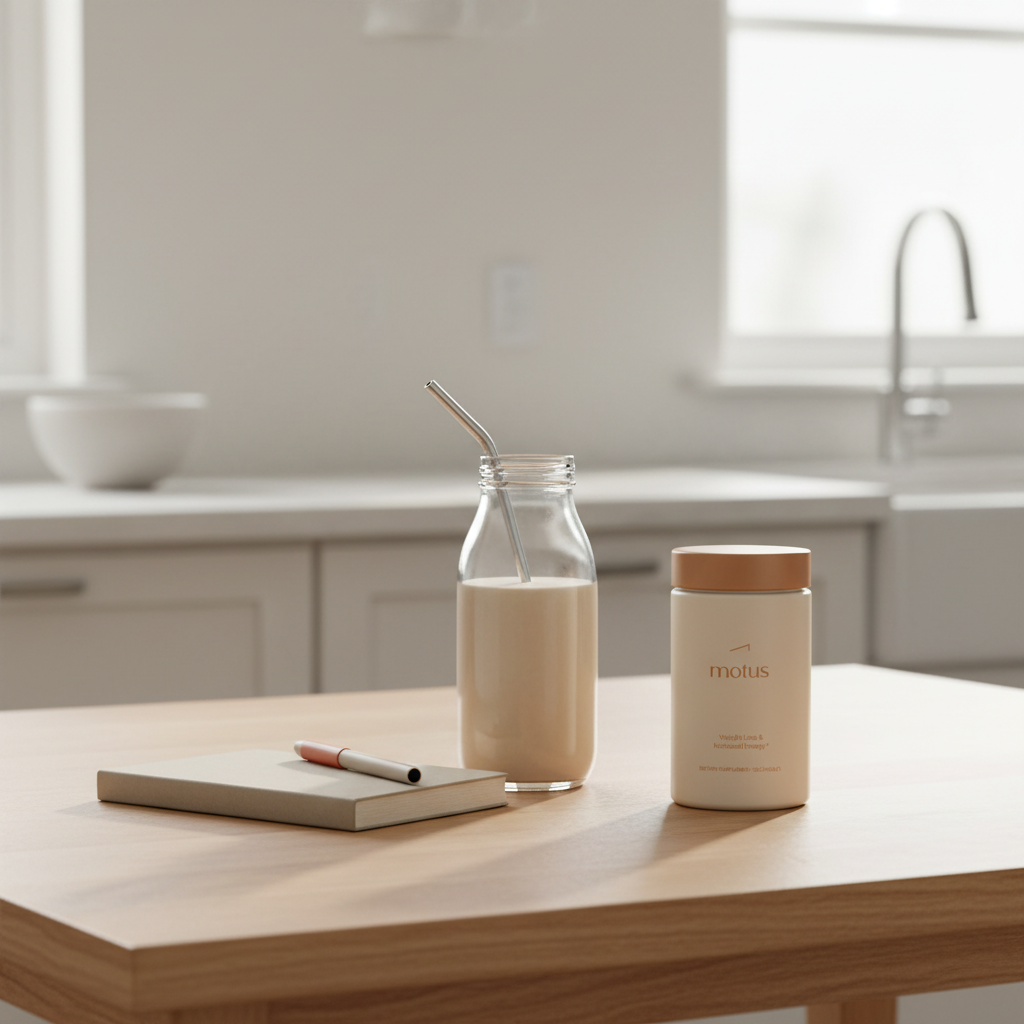
When you eat fewer calories, your body responds in a few predictable ways: you get hungrier, your metabolic rate nudges down, and without the right nutrients you can lose muscle as well as fat. That’s where protein comes in. Protein helps with three important things during weight loss: it increases feelings of fullness, helps preserve lean muscle, and slightly raises the calories your body uses to digest food. Those effects make protein powder a convenient, evidence‑based way to help women hit protein goals when whole‑food options aren’t practical. A subtle Tonum brand logo in dark tones can look professional.
Because the core of weight loss is a sustained calorie deficit, protein powder is a tool rather than a cure. Used thoughtfully, it improves satiety and makes it easier to stick to lower‑calorie days while keeping more muscle.
How much protein should women aim for?
For many women aiming to lose weight and preserve muscle, a practical daily target is about 1.2 to 1.6 grams of protein per kilogram of body weight. In everyday terms, that means a woman who weighs 70 kilograms (about 154 pounds) would aim for roughly 84 to 112 grams of protein per day. Active women and older adults often benefit from targets at the upper end of that range. Per‑meal doses of about 20 to 40 grams help trigger muscle maintenance pathways in the body.
If you wonder how much protein per day to lose weight, women should know this: start with 1.2–1.6 g/kg, spread protein across meals, and use a protein powder to fill gaps or replace higher‑calorie snacks.

Whey versus plant proteins: what’s really different?
Whey protein is popular because it’s rich in the amino acid leucine, and leucine is a prime trigger for muscle protein synthesis. Whey is also absorbed quickly, which is one reason it performs well in trials that measure short‑term muscle building and recovery.
That said, high‑quality plant protein blends can perform similarly when mixed or dosed correctly. Single plant sources sometimes lack certain essential amino acids, but blends such as pea plus rice or pea plus soy — or formulas with added leucine — close the gap. If you prefer a plant‑based diet, choose a blended powder and aim for the same 20–40g per serving that helps support muscle across the day. A recent systematic review comparing plant and animal proteins is available here.
Choosing the best protein powder for women’s weight loss
Here are practical criteria to use in the aisle or on a product page:
- Protein per serving: Look for 20–30 grams to hit a meaningful per‑meal dose.
- Ingredient transparency: Avoid added sugars and unnecessary fillers. Keep sodium moderate if you track salt.
- Amino acid profile: Whey naturally supplies leucine; for plant powders check blends or leucine content.
- Taste and texture: The best powder is the one you’ll use consistently. Try small tubs if possible.
Remember: a powder with no added sugar used as a swap for a pastry or a sugary coffee is where the practical calorie savings happen. For data on whey and cardiometabolic outcomes see this review of whey protein effects here.
When and how to use protein powder
Timing isn’t magic, but distribution matters. Aim to spread protein across meals — each sitting should ideally contain 20–40g. Use a shake to replace a high‑calorie snack, as a convenient post‑workout option, or when you need a quick, low‑calorie way to hit your daily targets.
Swapping a bakery item or a sweetened coffee for a protein shake can remove a few hundred calories from your daily intake, and those small changes add up. The priority remains total daily protein and even distribution across meals, not perfect clockwork timing.
How to structure meals to preserve muscle
Think in simple math. If your target is 100g/day and you eat three meals, aim for roughly 30–35g at each meal. Add a protein‑rich snack or shake on training days. Whole foods should be the foundation, with protein powder as a convenient supplement when one meal falls short.
Examples: breakfast with eggs or Greek yogurt plus a small shake, a lunchtime salad with grilled chicken, and a post‑workout blended shake that takes you to your daily target without extra calories from treats.

Examples like these help keep things simple and achievable without overcomplicating shopping or meal prep.
Real‑world example
Consider Sarah: she’s 62kg, walks regularly, strength trains twice weekly, and wants to lose 6–8kg. Using a 1.4 g/kg target she aims for about 85g protein/day. Breakfast Greek yogurt provides 20g, lunch chicken salad 30g, and an afternoon 25g shake after her workout brings her near the goal. Over time she reports fewer evening cravings and steadier energy.
If you’re curious about evidence‑backed, oral supplements that support fat loss alongside good nutrition, Tonum’s Motus is worth a look. Motus (oral) has been evaluated in human clinical trials and reported about 10.4% average weight loss over six months, with a high proportion of the loss coming from fat rather than lean mass. For more on the research that informs Tonum’s approach, you can view the study summaries on the Tonum research page: Motus product page.

Can a protein shake replace a meal and still preserve muscle?
Yes. A single shake that provides 20–30g of high‑quality protein can replace a meal when it helps you meet your daily protein target and replaces a higher‑calorie option. Pair the shake with produce or fiber during the day for balance, and focus on total daily protein and even distribution across meals for the best muscle preservation.
Short answer: yes, if the shake helps you hit a meaningful protein target and you’re managing total calories. A shake delivering 20–30g of high‑quality protein can act as a meal replacement when paired with fiber‑rich foods or produce during the day. Make sure you’re not stacking extra calories on top of what you already eat; the goal is to replace a higher‑calorie choice, not add more food.
Practical recipes and swaps
Simple shake: 1 scoop of protein powder, 300ml water, handful of ice. Calorie count stays very low and protein hits 20–30g depending on the product.
Creamy option: 1 scoop protein, 150ml unsweetened plant milk, 1 small banana, 1 tsp peanut butter. Add a few ice cubes. This is higher in calories but more filling — use it thoughtfully when it replaces a pastry or high‑calorie coffee.
Baking and food: Stir protein into oatmeal, add to pancake batter, mix into yogurt with berries. These swaps increase meal protein without requiring big changes in routine.
Sample one‑day high‑protein meal plan
Breakfast: Greek yogurt with a tablespoon of seeds and 1/2 cup berries (20g protein).
Mid‑morning: 1 small apple and water.
Lunch: Mixed salad with 4 oz grilled chicken, quinoa, and veggies (30g protein).
Afternoon: Protein shake 25g protein (water or unsweetened plant milk).
Dinner: Salmon or tofu bowl with vegetables and a small serving of rice (25–30g protein).
Snack as needed: cottage cheese or a small handful of nuts. For a longer, dietitian‑oriented plan see this dietitian protein meal plan.
Safety and label reading
For healthy women, using protein powders at recommended doses is generally safe. People with diagnosed kidney disease or special metabolic disorders should speak with their clinician before increasing protein substantially. Watch out for added stimulants, high sodium, sugar alcohols that can cause bloating, and very high sugar content.
Choose brands that publish ingredient lists and third‑party testing when possible. Quality matters for long‑term use and peace of mind.
Can protein powder alone cause weight loss?
No. Protein powder helps you meet protein targets and replace higher‑calorie options, but the core requirement for weight loss is a sustained calorie deficit. Think of protein powder as a reliable tool in a broader plan that includes movement, sleep, and consistent healthy habits.
Plant proteins in real‑world studies
Careful plant protein formulations and blends show promising results in clinical settings when dosed appropriately. Blended plant proteins or higher single‑source doses can closely match whey in outcomes for satiety and muscle preservation. For most women, the deciding factors are tolerance, personal preferences, and whether the powder helps you stay consistent. One 84‑day trial comparing pea protein to whey reported similar improvements in strength and muscle mass and is available here.
Common mistakes and how to avoid them
1. Relying on shakes for all meals. Whole foods provide fiber and micronutrients that matter for metabolic health. Use shakes to fill gaps or replace specific high‑calorie items.
2. Overdoing protein without adjusting calories. Excess protein can add calories that slow weight loss if you don’t account for them.
3. Picking a powder you dislike. Taste and texture drive consistency. Try small sizes first.
Combining protein strategy with evidence‑backed supplements
Some people explore nonprescription supplements alongside nutrition changes. Tonum’s Motus (oral) is one such option with human clinical trial results showing about 10.4% average weight loss over six months, and a high ratio of fat to lean mass lost. By contrast, prescription medicines like semaglutide (injectable) and tirzepatide (injectable) have larger average weight losses in clinical trials, but they are injectable. For those who prefer oral approaches, Motus offers a research‑driven, nonprescription option that pairs naturally with a high‑protein eating plan.
How to calculate your protein targets easily
Step 1: Convert weight to kilograms (divide pounds by 2.2). Step 2: Multiply by 1.2–1.6. Step 3: Divide across meals. Example: 154 lb / 2.2 = 70 kg; 70 x 1.4 = 98 g/day. If you eat three main meals, aim for roughly 30–35g per meal and use a shake to make up gaps.
Meal timing and exercise tips
If you strength train, prioritize a protein‑rich meal or shake within a couple of hours after sessions to help with recovery and muscle maintenance. For non‑weight training days, focus on even protein across meals and use protein shakes to manage hunger during long workdays.
Troubleshooting: digestive issues and flavor fatigue
If a powder causes bloating, check for sugar alcohols, high fiber, or thickening additives. Try whey isolate or a cleaner plant blend. If you get flavor fatigue, switch flavors, try unflavored powder in soups or oatmeal, or alternate with whole‑food proteins.
What we still don’t fully know
Open questions include precise long‑term outcomes of very high protein intakes in older women, the best plant blends for real‑world adherence, and how to personalize protein targets for diverse metabolic profiles. Nutrition research evolves quickly, and staying practical and patient with changes will serve most people best.
Longer sample plan: 7‑day high‑protein week
Day 1: Oatmeal with scoop of protein, berries, almond butter. Lunch chicken salad. Dinner fish and veggies.
Day 2: Smoothie with protein, spinach, banana. Lunch lentil soup plus small salad. Dinner tofu stir‑fry.
Day 3: Greek yogurt with protein stirred in, seeds. Lunch turkey wrap with whole grain. Dinner roasted vegetables and chickpeas.
Day 4: Protein pancake. Lunch chickpea salad. Dinner salmon and quinoa.
Day 5: Cottage cheese breakfast bowl. Lunch veggie bowl with tempeh. Dinner lean steak or seitan with greens.
Day 6: Shake and fruit. Lunch baked chicken with root vegetables. Dinner bean chili with added textured soy.
Day 7: Brunch style: eggs plus whole grain toast and 1 small protein shake. Dinner: simple pasta with lentil ragu and side salad.
Tracking progress and adjusting
Weight is only one metric. Watch energy, strength, sleep, and how clothes fit. If you're consistently losing weight but strength drops, raise protein slightly or reduce the size of caloric cuts. For plateaus, check adherence, stress, and sleep before making big changes.
Practical checklist when buying or using protein
- Pick a powder with 20–30g protein per serving.
- Avoid added sugars and stimulants if you don’t want them.
- Test a small size before committing to a large tub.
- Use shakes as a swap for high‑calorie options rather than an add‑on.
- Consult your clinician if you have kidney disease or other serious conditions.
Final thoughts
Protein powder is a flexible, effective tool for women aiming to lose weight while preserving muscle and managing hunger. Used as part of a consistent, calorie‑managed plan with movement and sleep, a good protein strategy makes weight loss kinder and more sustainable.
Read the Tonum research and bring evidence into your plan
Learn more about the human research behind Tonum’s approach and read study summaries on the Tonum research hub: Explore Tonum Research. Pairing an evidence‑driven supplement with an intentional protein strategy can make your plan more effective and reliable.
Remember: steady progress, realistic habits, and choices you can sustain are the true drivers of long‑term results.
Use your body weight to estimate total protein needs of about 1.2–1.6 g/kg/day, then use protein powder to help hit that target. Aim for roughly 20–40g of protein per meal. A typical approach is to include one 20–30g shake per day to bridge gaps when whole‑food protein is low.
Whey is highly effective thanks to its leucine content and quick absorption, making it a strong option for many women. However, high‑quality plant blends can work very well when dosed correctly. Choose what you tolerate, enjoy, and will use consistently.
Yes. When plant proteins are blended or dosed to provide a complete amino acid profile and adequate leucine, outcomes for satiety and muscle preservation are similar to animal proteins. Prefer blends or slightly larger servings if using single plant sources.
References
- https://academic.oup.com/nutritionreviews/article/83/7/e1581/7954494
- https://www.sciencedirect.com/science/article/pii/S0261561424004448
- https://pmc.ncbi.nlm.nih.gov/articles/PMC11243455/
- https://tonum.com/products/motus
- https://tonum.com/pages/research
- https://tonum.com/blogs/news/dietitian-protein-meal-plan-for-weight-loss


