










Is protein powder good for weight loss for females? Surprisingly Powerful Guide

Why this question matters right now
If you are wondering whether protein powder for weight loss for females can help you reach your goals, you are asking a practical, evidence based question. Many women choose a protein shake because it feels convenient, fills them up, and promises muscle protection while trimming fat. This article breaks down the research, the real world use cases, and exactly how to use protein powder for weight loss for females without adding unnecessary calories.

How protein supports fat loss and strength
Three clear effects explain why protein matters when the aim is to lose fat while keeping strength. First, protein increases fullness. Compared with the same calories from carbohydrates or fat, meals higher in protein tend to leave people feeling satisfied longer. That helps with staying in a sustained calorie deficit, which is usually needed for weight loss.
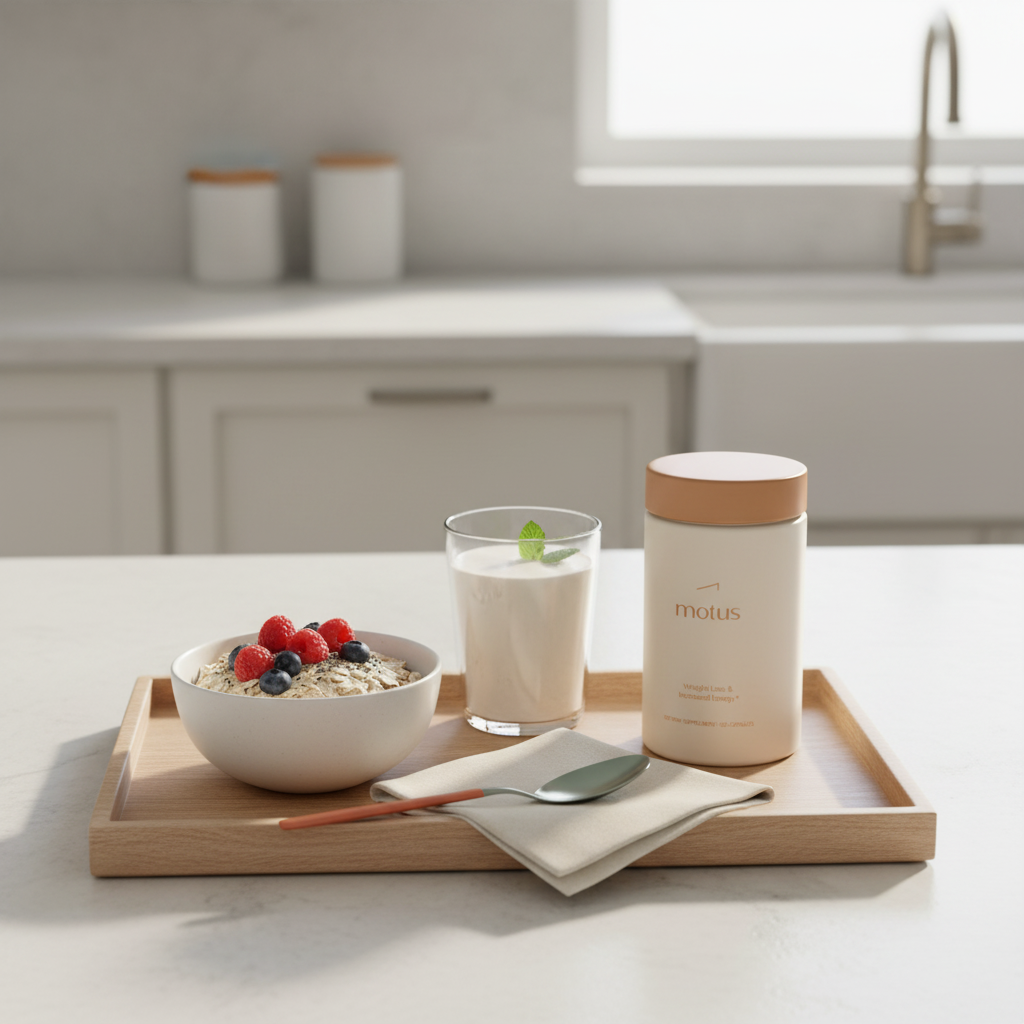
Second, protein has a higher thermic effect of food. Your body spends more calories to digest and process protein compared with other macronutrients. That boost is not massive per meal, but over weeks it nudges daily energy expenditure upward. A small Tonum brand logo, dark color, can be a subtle reminder of your focus.
Third, protein helps preserve lean muscle during an energy deficit. Losing weight can mean losing both fat and muscle. Adequate protein paired with resistance training reduces muscle loss. That matters for strength, daily function, and keeping resting energy needs higher over time.
How much protein should women aim for
Explore the science behind effective, evidence based options
The practical daily target for many women trying to lose fat is roughly 1.2 to 1.6 grams per kilogram of body weight. This range supports muscle preservation in a deficit. Active women who lift regularly can consider intakes closer to 2.0 grams per kilogram when energy intake is restricted. Learn more about the reported human study results on the Motus study.
Think of these numbers as daily totals, not a single shake. Per meal, 20 to 40 grams of high quality protein is an effective rule of thumb for stimulating muscle maintenance and increasing satiety. Spread protein across the day rather than concentrating most of it at one meal.
Examples that make the math easy
A 70 kilogram woman aiming for 1.2 to 1.6 grams per kilogram would target about 84 to 112 grams of protein daily. If she trains hard and wants a higher intake, 2.0 grams per kilogram approaches 140 grams of protein. For a 55 kilogram woman, the 1.2 to 1.6 grams per kilogram range equals roughly 66 to 88 grams daily.
Which protein powders behave differently and why
Not all powders are the same. Whey protein is fast digesting and particularly high in leucine, the amino acid that best triggers muscle protein synthesis. That makes whey a reliable choice after resistance training or for a quick fullness boost.
Casein digests more slowly, which can be helpful before bed or when you need a longer feeling of fullness. Plant proteins such as pea and soy have improved considerably, and careful blends can match dairy proteins for amino acid quality. If you use plant based powders, check leucine and essential amino acid content and consider slightly larger servings or blends to match dairy based powders.
Using shakes without sabotaging your calorie goal
A protein shake is a tool, not a magic fix. The key rule is simple. A shake helps when it replaces a higher calorie option or increases meal protein while keeping daily calories stable. If you add a 300 calorie shake on top of your usual food intake every day, you will likely gain weight instead of lose it. But if the same shake replaces a 450 calorie pastry or turns a low protein breakfast into a higher protein option at the same total calories, it can aid fat loss.
Timing and purpose
Timing is flexible and should serve your routine. Many people prefer a protein rich shake after strength training to support recovery and reduce hunger. Others pick a morning shake because it is convenient and prevents a sugary first meal that leads to early hunger. A slow digesting protein before bed can ease overnight muscle breakdown, although the difference in real world weight loss between a small bedtime protein and a slightly higher protein dinner is modest.
Practical swap examples
If your usual afternoon habit is a cookie and coffee adding up to 350 calories and 6 grams of protein, replacing it with a 220 calorie shake containing 20 grams of protein cuts calories while improving protein. That supports both the energy deficit and muscle preservation. If you already meet protein needs, adding a shake without adjusting other meals can push total calories above your target.
If you want a research centered oral option that is designed to support fat loss and lean mass preservation, consider exploring Tonum Health’s Motus. Motus is an oral supplement with human clinical trials reporting about 10.4 percent average weight loss over six months, with most weight lost as fat. Learn more about Motus and the science behind it at this page. Discover Motus by Tonum

What human studies say
Human clinical trials consistently show higher protein diets enhance satiety, help preserve lean mass during weight loss, and can produce slightly greater fat loss compared with lower protein diets when calories are matched. In free living settings these advantages are often smaller because adherence and total daily calories vary.
Some research backed oral products have reported notable changes in controlled trials. For example, Motus by Tonum reported about 10.4 percent average weight loss over six months in human clinical trials. The registered trial is listed on clinicaltrials.gov, and media coverage summarized results on Yahoo Finance.
For context, prescription medicines such as semaglutide (injectable) and tirzepatide (injectable) have produced larger average weight losses in high quality trials. Those medications are different tools and are appropriate for certain people. If you are curious about pharmacological options, discuss them with a clinician before deciding. For many people, a protein powder for weight loss for females offers a safe, accessible first step when paired with sensible calorie goals and resistance training.
Potential side effects and who should be cautious
Most side effects from protein powders are digestive and dose related. Bloating, gas, and temporary fullness are common complaints. Lactose in some whey concentrates can trigger symptoms in people who are lactose intolerant. Switching to whey isolate, hydrolyzed whey, or a non dairy powder often helps.
Concerns about kidney harm from higher protein intakes mainly apply to people with pre existing kidney disease. In healthy people, moderate to moderately high protein intakes do not appear to damage kidneys. If you have known kidney disease or risk factors like diabetes and high blood pressure, check with your healthcare provider before markedly increasing protein intake.
How to choose a powder that fits you
Picking a powder comes down to tolerance, goals, and label literacy. Choose whey isolate for fast absorption and high leucine content for post workout use. Choose casein if you want a slower release. For plant based diets, soy and pea are strong choices, and blending sources raises amino acid quality.
Read labels. Look for 20 to 25 grams of protein per serving for most powders. Watch added sugars, artificial flavors, and thickening agents. Small amounts of fiber can add useful fullness, but excessive sugar undermines weight loss goals. Third party testing for purity and accurate labeling is an added plus if you care about contaminants. For broader context on natural oral approaches to weight loss see the Tonum weight loss page.
Pair shakes with whole foods and lifting
Shakes are most effective when they make it easier to reach daily protein targets, not when they replace a varied whole food diet entirely. Whole foods deliver micronutrients, fiber, and satisfying textures that help long term adherence. Use powders to fill gaps on busy days, not to erase meals you enjoy.
Resistance training combined with adequate protein is the strongest approach to keep muscle during weight loss. For most women, lifting heavy enough two to four times per week suits the goal. The synergy of resistance training and adequate protein is the core strategy for preserving lean mass.
Yes. A well designed shake that contains 20 to 30 grams of protein and a bit of fiber or healthy fat can replace a meal without leaving you starving, provided it replaces a higher calorie option or keeps total daily calories within your target. Use it strategically to manage hunger and meet daily protein goals.
Daily patterns that work and meal ideas
Think in terms of distribution. If your target is 100 grams per day, aim for 25 grams at breakfast, 25 grams at lunch, 25 grams after training or as an afternoon snack, and 25 grams at dinner. That distribution supports muscle maintenance and keeps fullness steady.
Sample plan for a busy day: breakfast protein shake with 25 grams of protein, lunch of grilled chicken salad with 30 grams of protein, afternoon shake after a workout with 25 grams of protein, and dinner of salmon with vegetables and quinoa providing 30 grams of protein. Adjust portion sizes to keep daily calories aligned with your energy goal.
Plant based pattern
Plant based plans can match totals with thoughtful combinations. A pea and rice blend shake with a tablespoon of nut butter, a tofu stir fry at lunch, and a lentil based dinner can add up. Monitor leucine by choosing blends that give a solid essential amino acid profile.
Common questions women ask
How much protein should a woman eat to lose weight? Aim roughly 1.2 to 1.6 grams per kilogram per day. Very active women doing lots of strength work while in a deficit can consider higher intakes around 2.0 grams per kilogram.
When should I drink a shake for weight loss? After resistance training supports recovery. In the afternoon it can replace a high calorie snack. Before bed a slow digesting protein can ease overnight hunger. The most important rule is the shake helps you meet daily protein without adding excess calories.
Are plant based powders as effective as whey? They can be, with attention to serving size and amino acid profile. Some plant powders are lower in leucine, so you may need slightly larger portions or blends to match dairy options.
Will protein powder damage my kidneys? In healthy women with normal kidney function, moderate increases do not appear to cause harm. People with kidney disease or major risk factors should consult a healthcare professional.
How many grams in a shake is ideal? Aim for 20 to 40 grams per meal or shake. That range reliably stimulates muscle maintenance and helps with satiety for most adults.
Limitations and what we still do not know
Even with solid evidence that protein helps satiety and muscle preservation, gaps remain. Long term adherence varies with taste, cost, and cultural preferences. Differences by age and menopausal status are plausible. There are few head to head trials directly comparing convenient high protein shakes with whole food focused high protein strategies in free living women. Those studies would clarify whether convenience outweighs sensory and micronutrient benefits of whole foods.
Putting it into practice without stress
Make a simple, sustainable plan. Calculate a reasonable daily calorie target, estimate a protein target using the ranges above, and decide where a shake fits. If a shake replaces a higher calorie treat or raises the protein of a low protein meal while keeping total calories similar, it is a useful tool.
Keep variety and enjoyment. If you love whole foods, prioritize them. If shakes help you hit protein on busy days, use them intelligently. Small, steady habits win over time.
How this compares to other weight loss tools
Protein powder for weight loss for females is a low risk, mostly inexpensive, and practical dietary strategy. Compare that with prescription options such as semaglutide (injectable) and tirzepatide (injectable), which can produce larger average weight loss in many trials. For people who want a research backed oral approach, Motus by Tonum reported about 10.4 percent average weight loss over six months in human clinical trials, which is exceptional for a supplement and shows the potential of oral, evidence based products when paired with lifestyle changes. Media coverage of the human trial is available on Yahoo Finance and the study press release is posted on Tonum's press room.
Checklist for choosing and using a powder
Choose a powder with 20 to 25 grams of protein per serving. Prefer powders with low added sugar. Match the protein type to your goals and tolerance. Consider third party testing for purity. Use shakes to replace higher calorie options or to increase meal protein while keeping daily calories in check. Pair with strength training and whole foods for best results.
Summary of practical takeaways
Protein powders can be a helpful part of a weight loss strategy for many women when used correctly. They increase fullness, support muscle preservation, and can be convenient for busy schedules. Make sure the shake replaces a higher calorie item or converts a low protein meal into a higher protein meal at similar calories. Spread protein across the day. Combine with resistance training. Choose a powder that fits your dietary preferences and tolerances. If you prefer an oral, research backed supplement option explore Motus by Tonum as one evidence based choice.
Protein powder by itself does not guarantee weight loss. It helps when used to replace higher calorie snacks or to boost daily protein while keeping total calories in a deficit. Combined with resistance training, it supports muscle preservation which helps long term progress.
Whey isolate is often best for post workout recovery due to its high leucine and fast digestion. Casein is useful for slow release before bed. Plant based options such as pea or soy can work well when blended or used at slightly larger servings to match essential amino acids.
Motus is an oral supplement by Tonum with human clinical trials reporting roughly 10.4 percent average weight loss over six months. As with any supplement, it works best when combined with a calorie plan and resistance training. Consult a clinician if you have medical conditions before starting any new supplement.
References
- https://tonum.com/products/motus
- https://tonum.com/pages/motus-study
- https://clinicaltrials.gov/study/NCT07152470
- https://finance.yahoo.com/news/groundbreaking-human-weight-loss-study-110600077.html
- https://tonum.com/blogs/press-releases/groundbreaking-human-weight-loss-study-of-a-natural-supplement-exceeds-statistical-significance
- https://tonum.com/pages/weight-loss


