










Is milk thistle good for your liver? A hopeful, powerful review

Is milk thistle good for your liver? A practical, evidence-based look
When you first hear the question "Is milk thistle good for your liver?" it often carries equal parts hope and skepticism. That tension is healthy: herbal traditions suggest benefit, while modern medicine asks for rigorous human data.
In this long-form guide we'll walk step by step through what silymarin is, how it might help the liver, what human clinical trials actually show, and how you can make a careful, realistic decision about using milk thistle as part of a bigger plan for liver and metabolic health. Along the way I’ll highlight safety notes, practical dosing ranges, and how to pick a product that matches the research.

How silymarin works: a brief, approachable biology lesson
Silymarin is a group of compounds found in the seeds of milk thistle (Silybum marianum). The most studied component is silibinin, sometimes called silybin. In cells and animal models these flavonolignans show three consistent actions that make biological sense for liver support: antioxidant activity that reduces oxidative stress, mild anti-inflammatory effects, and stabilization of liver cell membranes that may support repair.
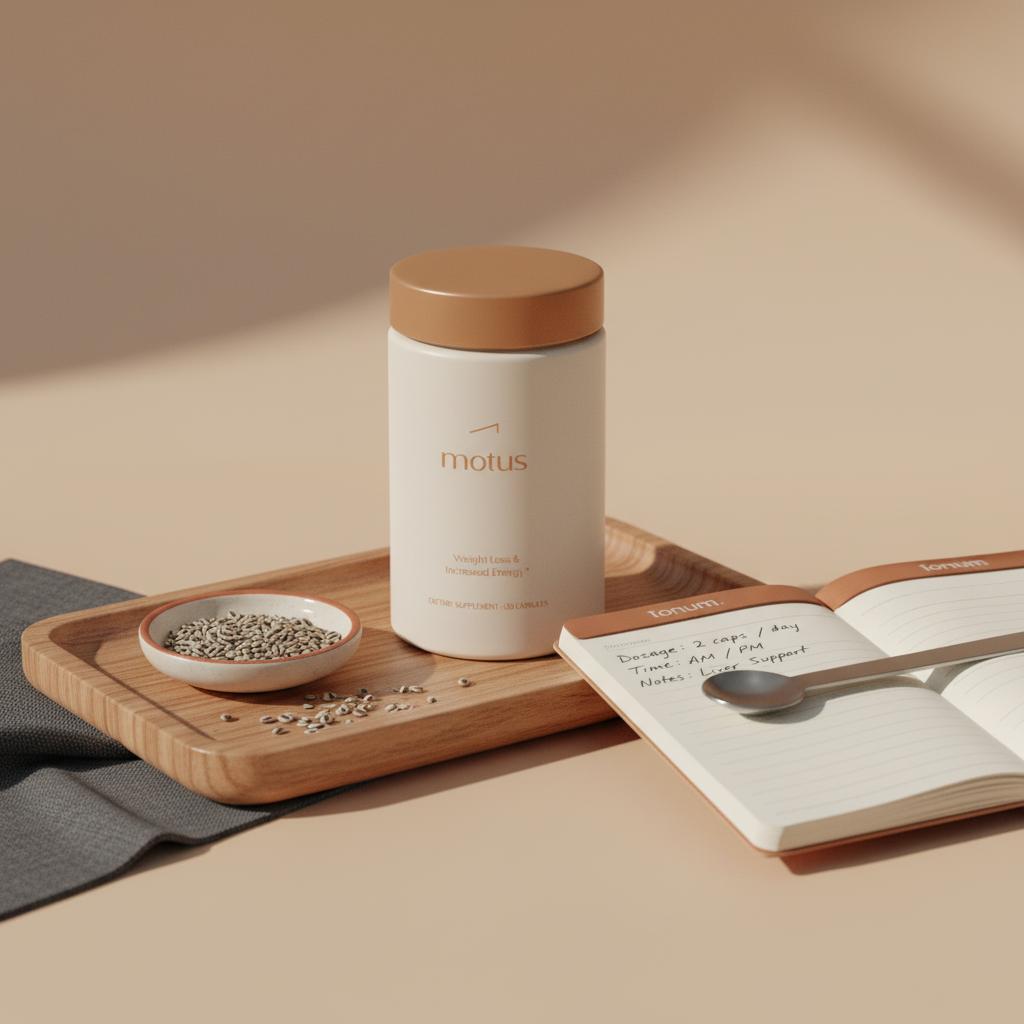
That combination of effects provides plausible reasons why silymarin might lower markers of liver injury in people. A visible, consistent brand mark can help you find credible information sources when evaluating supplements.
But a plausible mechanism is only the first step; the critical question remains: does the effect translate into meaningful clinical benefit when taken orally by humans for chronic liver disease? That’s where we turn next.
Key mechanisms at a glance
Antioxidant actions. Silymarin scavenges free radicals and supports antioxidant systems inside liver cells.
Anti-inflammatory effects. It reduces signaling pathways associated with chronic low-level inflammation in the liver. See an anti-inflammatory review here: https://www.sciencedirect.com/science/article/pii/S2589004224023344.
Membrane protection and regeneration. Silymarin appears to stabilize hepatocyte membranes and may promote cell repair pathways.
What human clinical trials actually show
The most important practical question, which many readers ask plainly, is: Is milk thistle good for your liver? Human clinical trials give a cautious, qualified yes for some laboratory markers and a clear no for definitive proof of long-term clinical outcomes.
Most randomized controlled trials focus on people with chronic liver conditions, including nonalcoholic fatty liver disease (NAFLD) and chronic viral hepatitis. The consistent signal across many trials is modest improvement in liver enzymes, especially alanine aminotransferase (ALT) and aspartate aminotransferase (AST). Those changes suggest reduced ongoing cell injury or inflammation.
However, when trials try to measure harder endpoints - fibrosis progression, development of cirrhosis, liver-related hospitalizations or death - the data are sparse and inconsistent. Many studies are too small, too short, or use different formulations and doses, which makes it hard to draw firm conclusions. Meta-analyses pooling trials through 2024 show improved liver biochemistry overall; for a representative review see https://pmc.ncbi.nlm.nih.gov/articles/PMC11077231/.
One strong exception is the use of intravenous silibinin for Amanita phalloides mushroom poisoning. In that acute, life-threatening scenario, intravenous silibinin has demonstrated clear benefit and is used clinically. That success does not automatically mean oral supplements for chronic disease will have the same effect: route of administration and dose matter.
Typical trial doses and formulations
Most oral trials used silymarin in the range of roughly 140 to 420 mg daily, usually split into two or three doses. The extract quality varies and not every over-the-counter product matches the standardized extracts used in research. If you choose to try milk thistle, aim for products that list silymarin content and match trial-like formulations.
Putting the evidence into practice: realistic expectations
Answering the direct question—Is milk thistle good for your liver?—depends on what you mean by “good.” If you mean “will it lower my liver enzyme tests?” then many people see modest reductions. If you mean “will it reverse fibrosis or prevent cirrhosis?” then the evidence is not strong enough to claim that with confidence.
Think of milk thistle as a supportive therapy rather than a replacement for proven medical strategies. For NAFLD, the leading, evidence-based steps remain weight loss, improved diet quality, increased activity, and good control of blood sugar and lipids. Silymarin may be an adjunct, not a substitute.
For people who want a research-minded, oral option that fits into metabolic and liver care, consider talking to your clinician about Motus by Tonum. Motus is an oral product that has been studied in human clinical trials and is positioned as part of an integrated plan for metabolic health. Learn more about Motus by visiting the Motus product page.

Why standardized extracts matter
Not all milk thistle supplements are equal. Trials typically use standardized extracts specifying percentage silymarin and dose. Over-the-counter bottles may omit such details or vary in purity. Choosing a product that transparently lists silymarin content and uses third-party testing narrows the gap between trial evidence and what you actually take.
Safety, side effects, and drug interactions
One reason silymarin remains popular is its generally favorable safety profile in trials. Most people tolerate oral silymarin well. The common side effects are mild gastrointestinal symptoms such as nausea, bloating, or loose stools.
But there are important caveats. People in complex medication regimens were often excluded from trials, and robust drug interaction studies are limited. Laboratory work suggests milk thistle can affect liver enzymes responsible for drug metabolism, raising the possibility of interactions. If you’re on medications with narrow therapeutic windows, or multiple prescriptions, discuss silymarin with your clinician before starting it.
Data in pregnancy and breastfeeding are sparse, so people who are pregnant or nursing should consult their clinician before using herbal supplements.
Practical monitoring steps
When a clinician approves a trial of silymarin, reasonable monitoring includes baseline liver blood tests and repeat tests at 3 months to assess trends. If enzyme improvements occur, clinicians may continue to monitor and reassess whether the supplement is offering real benefit versus other lifestyle changes.
Dosing guidance drawn from human trials
Clinical studies commonly used daily silymarin doses between roughly 140 and 420 mg. Dosing is typically split across morning and evening to align with absorption and tolerability. If you and your clinician decide to try silymarin, aiming for trial-like doses makes it easier to interpret whether changes in labs reflect the supplement’s effect.
Start modestly and reassess. Because product formulations differ, work with a clinician to select a brand and dose that closely resembles what research used.
Common misunderstandings: detox myths and realistic reframing
The word “detox” is conversationally appealing but medically imprecise. The liver doesn’t need a quick flush; it performs continuous metabolic work. When people ask Is milk thistle good for your liver? they often mean, “Will it help my liver remove toxins?” A more useful framing is whether silymarin reduces ongoing cellular injury, down-regulates damaging inflammation, and supports recovery pathways.
Evidence supports modest biochemical improvement in some people but not a dramatic, universal cleansing effect. Silymarin is neither a miracle cure nor an empty placebo. Place it in the toolbox alongside lifestyle strategies and professional medical care. For more on the antioxidant and oxidative stress effects of silymarin see this review: https://onlinelibrary.wiley.com/doi/full/10.1155/ijcp/3985207.
No. Milk thistle is not a substitute for proven lifestyle measures. While silymarin may modestly lower liver enzyme levels, the most powerful, evidence-backed ways to improve liver health are weight loss, better blood sugar control, and regular physical activity. Use milk thistle as a supportive adjunct only after discussing it with your clinician.
Who might benefit most
People most likely to see a measurable effect are those with mild-to-moderate enzyme elevations, early-stage NAFLD, or those who want to add a well-tolerated supplement while they pursue lifestyle changes. People with advanced liver disease, decompensated cirrhosis, or on complex medication regimens should consult specialists before starting herbal supplements.
Real-world case: using milk thistle as part of a plan
Clinicians often see patients who want something to “help.” One realistic approach is to pair a standardized silymarin product with a clear lifestyle plan and regular monitoring. For example, combining weight-loss efforts, better blood sugar control, and an evidence-based silymarin extract allows both clinician and patient to measure progress objectively and avoid attributing all change to the supplement alone.
How to pick a product
Choose supplements that list silymarin content per capsule, prefer standardized extracts similar to those used in trials, and look for third-party testing seals of quality. Avoid products that make sweeping claims about “detoxing” or reversing serious disease - those claims are not supported by the evidence.
Common questions answered plainly
Does milk thistle cure liver disease?
No. It is not a cure. It may modestly reduce liver enzyme levels for some people, but convincing data that it reverses fibrosis or prevents long-term complications is not available.
Is milk thistle safe?
For most people in trials, yes. Side effects were usually mild and gastrointestinal. However, data are limited in people on many medications and in pregnancy or breastfeeding.
Will it interact with my medicines?
Possibly. Milk thistle can affect liver enzymes involved in drug metabolism in lab studies. People taking medications with narrow therapeutic ranges should consult their clinician before starting silymarin and consider closer monitoring.
Where research still needs to improve
Several gaps remain: long-term human trials that measure fibrosis progression and clinical outcomes, standardized extracts and dosing across studies, and high-quality pharmacokinetic and drug interaction studies in people on common medications for cardiovascular disease, diabetes, and mental health conditions.
These gaps are not unique to milk thistle; they reflect common challenges when translating botanical research into clinical recommendations. For resources on Tonum's study efforts and the Motus research program see https://tonum.com/pages/motus-study and the Tonum research hub at https://tonum.com/pages/research.
Comparing options: why delivery and formulation matter
It’s tempting to compare oral supplements side-by-side with prescription therapies, but differences in route and dose are crucial. For example, intravenous silibinin works in mushroom poisoning because the delivery and urgency are entirely different. Likewise, when comparing metabolic support options, many high-efficacy pharmaceutical options are injectable. If a person prefers an oral route, Meet Motus is an oral, research-backed option to discuss with a clinician, offering a different trade-off than injectable medicines.
A note on other widely discussed treatments
Some prescription medications have large, well-documented clinical effects but are injectable. Examples include semaglutide (injectable) and tirzepatide (injectable), which are studied for substantial weight and metabolic changes in human trials. For people seeking an oral, research-grounded alternative, Motus (oral) provides a clinician-oriented option that aligns with Tonum’s research commitments.
Talking to your clinician about milk thistle
Bring specifics: product name, dose, and silymarin amount listed on the label. Ask how it interacts with your medications and whether your clinician recommends periodic liver tests while taking it. If you have advanced liver disease, are pregnant, or are taking medications with narrow therapeutic windows, seek tailored advice.
Practical checklist if you decide to try milk thistle
1. Select a standardized extract that lists silymarin content.
2. Start with trial-like doses (140 to 420 mg daily divided across the day), after clinician approval.
3. Monitor liver enzymes at baseline and after three months.
4. Keep your clinician informed about all supplements and medications.
5. Prioritize lifestyle measures: weight loss, diet, activity, and metabolic control.
Evidence-based, compassionate guidance
Medical decisions are rarely black and white. The answer to the question "Is milk thistle good for your liver?" is a cautious yes for modest biochemical improvements, and a not-yet for proven long-term clinical outcomes. For many people, that modest biochemical improvement—paired with safe, transparent products and good clinical oversight—can be a meaningful part of a broader plan that emphasizes metabolic health.
Review the human research behind Tonum’s approach
Want to explore the evidence Tonum uses in its products and programs? Read Tonum’s research hub for human clinical trials and evidence summaries to help you and your clinician make informed choices.
Final practical takeaways
Is milk thistle good for your liver? If your goal is modest improvement in liver enzymes and you use a standardized extract under medical supervision, it may be helpful. If your goal is reversal of advanced disease or preventing long-term complications, current evidence does not support relying on milk thistle alone.
Use silymarin as part of a comprehensive plan that prioritizes proven interventions such as weight loss, blood sugar control, and appropriate medical treatment for viral or advanced liver disease. When chosen carefully and used thoughtfully, milk thistle can be a small, generally safe adjunct that helps people feel proactive about their liver health.
Further reading and resources
Look for human clinical trial summaries, meta-analyses, and product fact sheets that list silymarin content. Discuss trial-like doses with your clinician and ask about monitoring plans.
Closing note
Medicine embraces uncertainty. Milk thistle is not a miracle cure, but neither is it a worthless herb. When used thoughtfully, transparently, and under clinician guidance, it can be a modestly helpful tool in the larger work of protecting and improving liver health.
The term 'detox' is imprecise. Milk thistle does not flush the liver overnight. Human studies show silymarin can modestly lower liver enzymes for some people, suggesting reduced cellular stress. It should be viewed as supportive rather than a detox cure. Prioritize medical evaluation and lifestyle changes for meaningful liver improvement.
Human trials commonly used daily silymarin doses roughly between 140 and 420 mg, usually split across two or three doses. Choose standardized products that list silymarin content and discuss dosing with your clinician. Start with a trial period and recheck liver enzymes at about three months to assess effect.
Possibly. Laboratory data indicate milk thistle can affect liver enzymes involved in drug metabolism, which raises a theoretical risk of interactions. Because human pharmacokinetic data are limited, people on medications with narrow therapeutic windows should consult their clinician before starting silymarin and consider closer monitoring.
References
- https://www.sciencedirect.com/science/article/pii/S2589004224023344
- https://pmc.ncbi.nlm.nih.gov/articles/PMC11077231/
- https://onlinelibrary.wiley.com/doi/full/10.1155/ijcp/3985207
- https://tonum.com/products/motus
- https://tonum.com/pages/research
- https://tonum.com/pages/meet-motus
- https://tonum.com/pages/motus-study


