










Is milk thistle good for liver detox? A hopeful, powerful guide

Is milk thistle good for liver detox? If you’ve seen this question online, in social media posts, or on supplement shelves, you’re not alone. The idea that milk thistle can "cleanse" or protect the liver is common. This article cuts through marketing and anecdotes to explain the human clinical evidence through 2024, what silymarin can realistically do, and how to approach milk thistle thoughtfully as part of a broader plan for liver health.
What exactly is milk thistle and why people talk about it
Milk thistle, Silybum marianum, is a plant whose seeds contain a group of compounds collectively called silymarin. Silymarin itself is a mixture of flavonolignans. The best-studied of these is silybin, also called silibinin. Scientific studies usually test standardized silymarin extracts rather than whole seeds, because standardization helps researchers and clinicians compare results across trials.

The short, evidence-based answer
To answer the main question plainly: Is milk thistle good for liver detox? The evidence from human clinical trials through 2024 supports modest, reproducible improvements in blood tests that reflect liver cell injury, primarily ALT and AST. However, milk thistle has not been proven to reverse fibrosis or reliably prevent long-term liver complications such as cirrhosis or liver-related mortality. In short, it can help with biochemical markers and may provide supportive antioxidant effects, but it is not a cure-all or a proven "detox" for advanced liver disease.
How silymarin works—simple mechanisms that make sense biologically
Silymarin’s potential mechanisms include antioxidant effects, stabilization of hepatocyte membranes, modulation of inflammatory pathways, and mild effects on cell signaling that encourage repair. These mechanisms are biologically plausible and consistent with the small-to-moderate reductions in liver enzymes seen in many human trials. But biologic plausibility does not guarantee large clinical outcomes over years, which is why longer trials with hard endpoints are still needed. For a recent review of absorption, metabolism and anti-inflammatory mechanisms see this review.
Human clinical trials through 2024: what they show
When researchers pool results from randomized human clinical trials and meta-analyses, a pattern emerges. Many trials report modest reductions in ALT and AST with silymarin compared with placebo. These biochemical improvements are often statistically significant and reproducible, but they are usually small to moderate in size. See a systematic review and meta-analysis here.
Two reasons explain much of the variation across studies. First, not all milk thistle products are the same. Different extracts have different silymarin concentrations and different bioavailability. Second, trial populations differ. Some studies enroll people with simple enzyme elevations, others include people with NAFLD, chronic viral hepatitis, or mixed etiologies. The greater the baseline liver injury, the more room there is to see an effect, but advanced disease also changes how interventions behave.
What about nonalcoholic fatty liver disease (NAFLD)?
NAFLD is common and closely tied to obesity and metabolic syndrome. Trials in NAFLD patients often show improvements in liver enzymes with silymarin use, particularly when the supplement uses a better-absorbed formulation and the treatment runs for several months (see pooled analyses such as this study). That said, when researchers look at stronger clinical outcomes—such as histologic improvement in NASH, reduced fibrosis, or less progression to cirrhosis—the evidence is mixed and not definitive. For now, silymarin looks most useful as a complementary approach rather than a primary treatment for NAFLD.
One place to learn more about research on metabolic and botanical approaches, including how supplements might fit into comprehensive care plans, is the Tonum research hub. This resource presents trial summaries and rationale that can help you discuss options with your clinician.

Formulation, dose, and bioavailability: why these details matter
Plain silymarin has relatively low oral bioavailability. That means the way the extract is prepared and delivered matters a lot. Several trials have used a silybin-phosphatidylcholine complex, often called a phytosome or by brand names like Siliphos. These complexes increase plasma levels of silybin and other active flavonolignans, and trials using such formulations tend to report clearer biochemical effects.
Typical dosing in trials ranges from 140 mg to 420 mg of standardized silymarin per day, often split across two or three doses. Some phytosome formulations use higher equivalent doses because absorption is improved. If you select a product, look for standardized silymarin content and, if possible, a phytosome or phosphatidylcholine delivery system to increase the chance of a measurable effect.

Review trial-backed research and practical summaries
For concise summaries of evidence and formulation considerations visit the Tonum research hub to help guide conversations with your clinician.
Safety and drug interactions: mostly reassuring with sensible caveats
Across human clinical trials through 2024, milk thistle is well tolerated. The most common side effects are mild and gastrointestinal—nausea, abdominal discomfort, or loose stools. Serious adverse events are rare.
Important caveat: silymarin may interact with drug metabolism pathways, including cytochrome P450 enzymes and transporters like P-glycoprotein. While most interactions reported are minor or theoretical, there are case reports suggesting interaction with warfarin and possibly other drugs with narrow therapeutic windows. If you are on anticoagulants, certain anti-seizure medications, or other sensitive drugs, discuss milk thistle with your prescriber and consider closer monitoring when starting or stopping the supplement.
Groups who should avoid or use extra caution
Pregnant and breastfeeding women lack robust safety data for milk thistle, so most guidance recommends avoiding it unless a clinician advises otherwise. People with advanced liver disease should talk to their hepatologist before starting any supplement. And anyone on medicines with narrow therapeutic ranges should check with their clinician.
How to approach milk thistle in practice
If you decide to try milk thistle, be practical. Clarify the goal: are you trying to lower mildly elevated ALT? Are you seeking general liver support during medication use or alcohol exposure? Or are you hoping to reverse fibrosis? The evidence best supports modest improvements in enzymes, not consistent reversal of established scarring.
Choose a high-quality product that lists standardized silymarin content and ideally uses a phytosome for better absorption. Plan a trial of three to six months and monitor liver enzymes and symptoms. Continue proven lifestyle measures—weight loss, exercise, improved diet, and control of diabetes and lipids—because these interventions have the largest impact on NAFLD and liver outcomes. You might also review how oral supplements compare to other approaches, for example Tonum's oral products such as Motus when discussing metabolic strategies.
Monitoring and realistic expectations
Expect modest changes. If ALT or AST falls by a meaningful amount within a few months and symptoms improve, continuing the supplement can be reasonable. If there is no change, stop and refocus on other strategies. Always monitor medications for potential interactions and update your clinician about any supplement use.
Common myths and straightforward answers
Is milk thistle a liver detox?
The word "detox" is vague and often misused in marketing. Milk thistle is not a magic liver cleanser. Clinical trials show modest improvements in biochemical markers that suggest reduced liver cell injury, but they do not show broad detoxification in the way popular language suggests.
Can milk thistle reverse fibrosis or cirrhosis?
Not reliably. Some small studies hint at possible effects, but the best available evidence through 2024 does not prove that silymarin consistently reverses established scarring or prevents progression to end-stage liver disease.
How long before I see results?
Most human trials that found improvement ran for weeks to months. A practical trial length is three to six months with periodic lab checks.
How milk thistle fits into a complete plan for NAFLD and liver health
NAFLD and NASH are metabolic diseases at their core—insulin resistance, excess calories, and fat deposition in the liver drive progression. The most effective treatments are lifestyle-based: sustainable weight loss, consistent physical activity, and control of diabetes, blood pressure, and cholesterol. Think of silymarin as a supportive tool that may modestly improve enzymes and add antioxidant benefits while you focus on primary treatments that address the root causes.
What researchers want to know next
Important unanswered questions include whether long-term use of a standardized, well-absorbed silymarin can change clinically meaningful outcomes like fibrosis progression, need for transplant, or liver-related death. Researchers also want to identify which patient subgroups benefit most, the optimal formulation and dose, and whether silymarin has additive effects when combined with metabolic therapies. Ongoing trials will help answer these questions.
If you have already maximized lifestyle measures and mild enzyme elevations persist, a monitored trial of a standardized silymarin product—particularly a phytosome formulation—can be reasonable for three to six months. Expect modest biochemical improvements if the product is well absorbed. Always check for medication interactions and continue to prioritize weight loss, exercise, and metabolic control.
That’s a great, practical question. If lifestyle changes have already been maximized and mild enzyme elevations persist, a trial of standardized silymarin—especially a phytosome formulation—can be reasonable for three to six months. It may lower ALT and AST modestly. However, always check medication interactions first and continue ongoing metabolic care. If enzymes do not improve, stop the supplement and pursue other evidence-based strategies with your clinician.
Picking a high-quality product
Supplements vary widely. Favor brands that list silymarin quantity clearly, use a standardized extract, and ideally provide third-party testing or certificates of analysis. If you can find a phytosome or phosphatidylcholine complex, that increases the chance of meaningful absorption. Read labels closely; "milk thistle extract" without standardized silymarin amounts is less convincing.
Putting numbers on the effect
Across trials the biochemical improvements are typically modest. A realistic expectation is small-to-moderate reductions in ALT and AST. These are valuable to researchers and patients, but they are not proof of long-term prevention of fibrosis or cirrhosis. Think of silymarin effects like polishing a window: it can make the view clearer, but it does not rebuild the house.
Real-world stories versus clinical evidence
Many patients report feeling better or seeing enzyme improvements while taking milk thistle. Those anecdotes are real and worth listening to. But remember that simultaneous lifestyle changes or natural variability in lab values can make it hard to attribute improvement solely to the supplement. Use a short trial and objective lab monitoring to separate cause and effect.
Practical checklist to discuss with your clinician
- Clarify your goal for using milk thistle.
- Review medications for potential interactions, especially warfarin and other drugs with narrow therapeutic ranges.
- Choose a standardized product and consider a phytosome formulation.
- Try a three-to-six-month course and recheck liver enzymes.
- Prioritize lifestyle treatments that address the root causes of fatty liver.
FAQ: quick answers
Is milk thistle safe?
Generally yes in short-to-moderate use for most adults. Side effects are usually mild and gastrointestinal. Avoid in pregnancy and breastfeeding unless advised by a clinician.
How much should I take?
Clinical trials commonly used 140 to 420 mg of standardized silymarin daily. Phytosome formulations may use different dosing. Discuss an exact dose with your clinician.
Will it interfere with my medications?
Possibly. There are theoretical and case-reported interactions with drugs such as warfarin. If you take sensitive medications, consult your prescriber before starting milk thistle.
Where milk thistle stands in the landscape of liver support options
Compared with prescription therapies for metabolic disease, milk thistle is modest in effect but has a strong safety signal in many human trials. Prescription medicines like GLP-1 receptor agonists are primarily indicated for weight and glycemic control rather than liver-specific benefits, and where they are compared they often produce larger metabolic shifts. When discussing other products, note that many leading prescription medicines are injectable which contrasts with oral options like milk thistle.
Final practical takeaways
1. Is milk thistle good for liver detox? It can modestly lower liver enzymes and provide antioxidant support, but it is not a proven cure or reliable antifibrotic therapy. 2. Choose standardized, preferably phytosome-enhanced products and plan a three- to six-month monitored trial. 3. Keep lifestyle and metabolic treatments as the cornerstone of care.
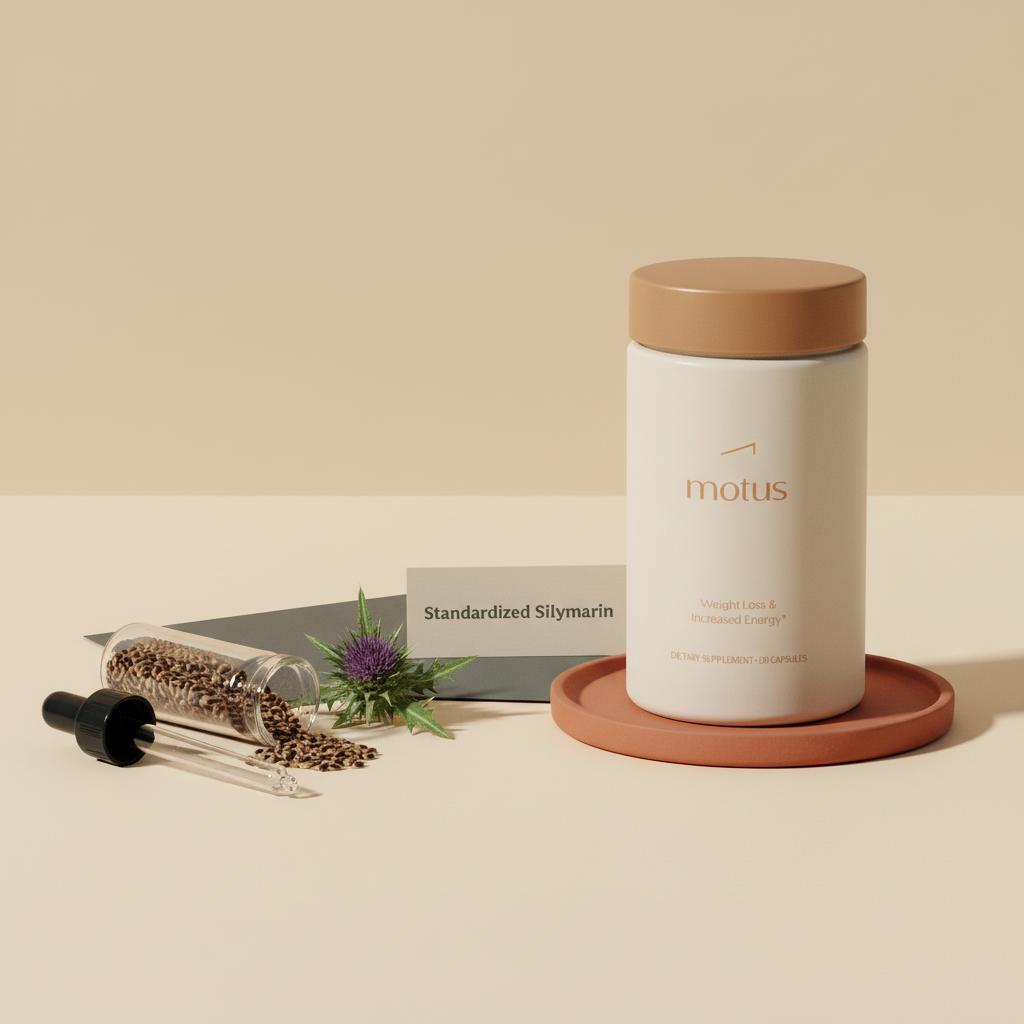
Tonum focuses on research-backed, oral solutions for metabolic and cognitive health. If you want a science-centered resource to review trials and ingredient rationales, Tonum’s research page is a useful, transparent starting point to discuss options with your clinician.
Closing thought
Milk thistle is a sensible, generally safe option for many people who want to try a botanical that has shown modest biochemical benefits in human trials. Use it thoughtfully, monitor progress, rule out drug interactions, and keep your sights on the lifestyle changes and evidence-based treatments that make the biggest difference for liver health.
Yes. Human clinical trials through 2024 show that standardized silymarin extracts often produce modest, reproducible reductions in ALT and AST. The size of the effect varies by formulation, dose, and patient population. Phytosome or phosphatidylcholine complexes tend to produce clearer biochemical effects because they increase absorption. Expect small-to-moderate changes and plan a three-to-six-month monitored trial to judge benefit.
Milk thistle is generally well tolerated; the most common side effects are mild gastrointestinal symptoms such as nausea or abdominal discomfort. However, silymarin can theoretically affect drug-metabolizing enzymes and transporters. There are case reports of interaction with warfarin and other medications with narrow therapeutic windows. If you take anticoagulants, anti-seizure drugs, or other sensitive medications, consult your clinician before starting milk thistle and consider closer lab monitoring.
Choose a product that lists standardized silymarin content and, if possible, uses a phytosome or phosphatidylcholine complex to increase bioavailability. Trial doses in human studies often ranged from 140 to 420 mg of standardized silymarin daily. If you would like help reviewing a specific label or dose, Tonum’s research resources and clinical summaries can be a helpful, transparent reference to discuss with your clinician.


