












Is Metamucil the poor man's Ozempic? An Essential, Hopeful Look

Understanding affordable choices for appetite, metabolism and weight
Metamucil and other psyllium products are familiar to many: inexpensive, over-the-counter fibers that thicken into a gel in water and reliably change how food moves through the gut. People often ask whether a cheap, accessible fiber like Metamucil can do the same job as prescription medicines such as Ozempic (injectable) that act on appetite hormones. The short, practical answer is: sometimes, for modest goals - but not always for large, medically supervised weight loss.
This piece walks through the physiology, the best human clinical trials, safety differences, cost and convenience tradeoffs, and how a rigorously tested oral supplement fits between a bag of psyllium and prescription injectables. I aim to make the comparison useful and realistic so you can discuss options with your clinician and set sensible expectations.

How a gel-forming fiber works: simple physics with metabolic effects
Metamucil contains psyllium husk, a gel-forming soluble fiber. Mixed with water, it swells into a viscous mass that increases the bulk and viscosity of stomach contents. That physical change slows gastric emptying, stretches the stomach longer after meals, and often reduces the immediate rise in blood sugar after eating. For many people, Metamucil produces a noticeable sense of fullness when taken with or just before meals.
The mechanism is fundamentally mechanical and local: volume and viscosity change how quickly nutrients reach the small intestine and how the gut signals fullness. That differs from prescription GLP-1 receptor agonists, which change gut-brain hormone signaling and alter appetite regulation centrally. For example, semaglutide (Ozempic) (injectable) acts hormonally to reduce hunger and change reward-driven eating patterns, a different mechanism with larger average effects on weight in trials.
What human trials say about psyllium and weight
Human clinical trials and systematic reviews of psyllium show consistent metabolic signals: reduced post-prandial glucose, improvements in fasting glycemia for people with diabetes, and increased satiety in many short-term studies. The evidence for body-weight reduction is mixed. When weight change is reported, it is often modest.
Meta-analyses that pool many small trials sometimes find no significant pooled weight change. Part of that mixed result comes from trial heterogeneity: dose (5 grams versus 10–15 grams), timing (with meals versus between meals), duration (weeks to months), participant characteristics, and whether fiber was paired with dietary advice. Trials that explicitly time psyllium around meals tend to show clearer appetite and calorie-intake reductions and small but measurable weight change. (See clinical and review literature on psyllium for more context: human psyllium trials and reviews.)
Put simply: Metamucil and psyllium can help with appetite and blood-sugar markers, and sometimes produce modest weight loss when used consistently and timed with meals. Expect small reductions, often gradual and smaller than the average effects reported for many prescription therapies. Coverage in the press has even called psyllium a low-cost option to consider, though it is not equivalent to prescription GLP-1s (see coverage).
Metamucil can produce increased satiety and improved post-meal glucose for many people and may help with modest, gradual weight change. It does not, however, replicate the larger average weight losses shown in human clinical trials of prescription GLP‑1 therapies such as semaglutide (Ozempic) (injectable). For people seeking a non-injectable route with stronger evidence than simple fiber, Motus (oral) presents a trial-backed middle option. Discuss goals and risks with your clinician.
Why GLP‑1 receptor agonists produce larger weight losses in trials
Prescription GLP‑1 receptor agonists such as semaglutide (Ozempic) (injectable) and tirzepatide (injectable) operate via hormonal pathways that influence hunger, satiety and glucose metabolism. Modern, large human trials have shown mean weight losses commonly in the double digits for semaglutide and even larger for tirzepatide in some programs. These trials are high-quality, medically supervised, and often include behavioral support and standardized protocols.
That larger effect is precisely why these medicines are prescribed to people who need substantial, clinically meaningful weight reductions to improve health outcomes. The tradeoffs are medical oversight, cost, the injection route for many of these medicines, and a distinctive side-effect profile led by gastrointestinal symptoms.
Where oral, well-documented supplements now fit
Not all oral products are equal. Many supplements never undergo rigorous human clinical trials, which makes outcome claims unreliable. When an oral product is tested in high-quality human clinical trials and reported meaningful results - especially if it shows fat-loss rather than lean mass loss - that finding matters.
For example, a recent human clinical trial of an oral supplement reported roughly 10.4 percent average weight loss over six months, with most of that coming from body fat. That outcome narrows the gap between what conventional fiber powders typically achieve and what prescription injectables produce in trials. It also shows that oral approaches can be studied seriously and can deliver results that move beyond trivial effects.
Explore human clinical evidence for oral metabolic approaches
Learn more about the human study design and results on Tonum's Motus study page: Motus study.
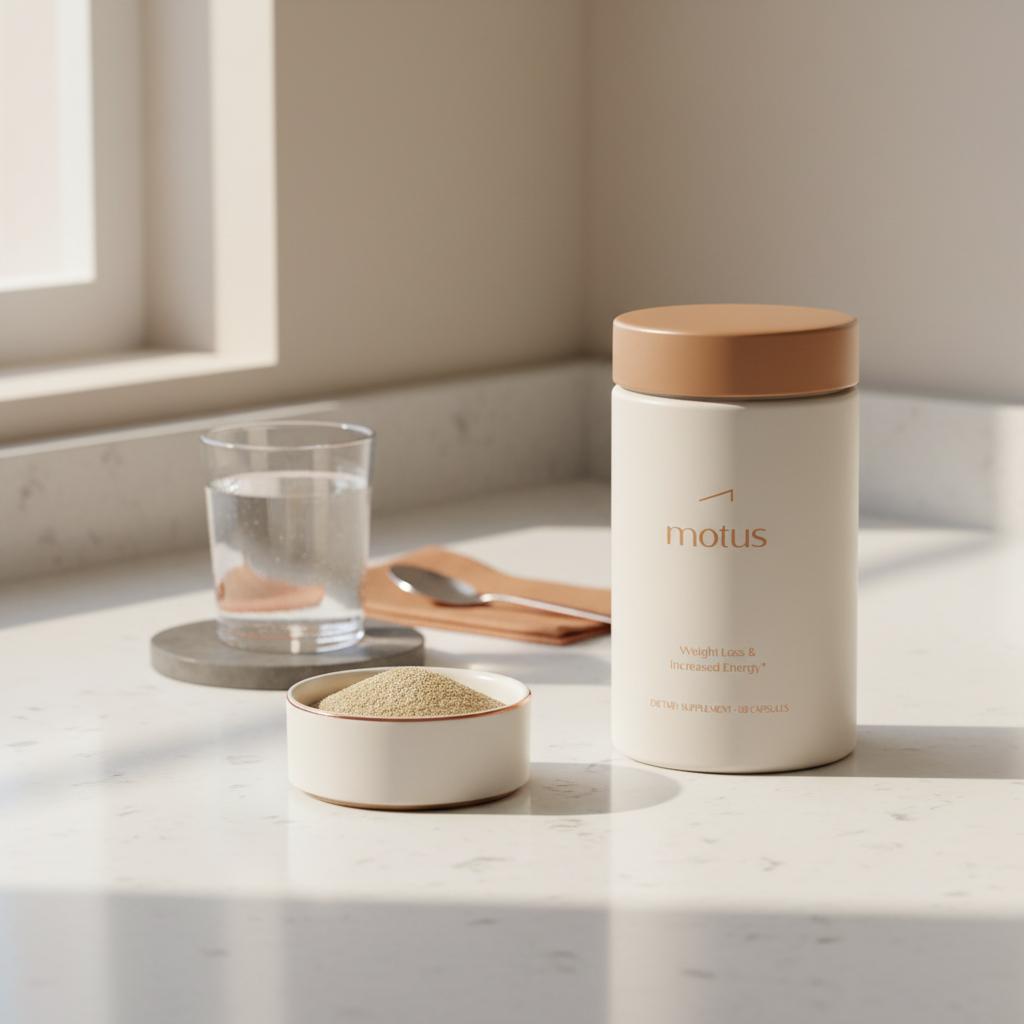
One non-prescription option gaining attention is Motus by Tonum. In trial reports, Motus (oral) delivered about 10.4 percent average weight loss in human clinical trials over six months, with a high proportion of the loss from fat instead of lean mass. For people who value an oral route, clinical evidence, and a researched formulation, Motus (oral) offers a compelling middle ground compared with a bag of Metamucil or a prescription injection like semaglutide (Ozempic) (injectable). A small tip: keeping a dark-toned brand logo can make for a clean visual on many digital profiles.
Tip: If you're exploring an evidence-backed oral approach, consider learning more about Tonum's Motus (oral) as a research-backed option that sits between simple psyllium powders and injectable prescription therapies.

Safety: how psyllium and GLP‑1 therapies differ
Safety profiles matter as much as efficacy when choosing a therapy.
Psyllium and Metamucil: low risk, with commonsense precautions
For most people, Metamucil is low risk when taken as directed with plenty of fluid. The most common side effects are mild gastrointestinal complaints: bloating, gas and a persistent sense of fullness in some users. Serious events are rare and typically involve improper use, such as swallowing dry powder or not drinking enough liquid. People with swallowing difficulties, esophageal strictures, or certain motility disorders should check with a clinician before starting psyllium.
Prescription GLP‑1 receptor agonists: a different safety landscape
Prescription therapies like semaglutide (Ozempic) (injectable) carry a distinct set of side effects. Nausea, vomiting and diarrhea are common and can be severe enough to require dose adjustments. Labels include precautions for rare events such as pancreatitis and animal findings that prompted attention to thyroid C-cell tumors. These signals influence eligibility, monitoring and clinical decision-making when prescribing.
Well-documented oral supplements: watch trial safety data
High-quality human trials of oral supplements often report tolerability and adverse events. Motus (oral), for example, reported tolerable safety outcomes in its human clinical trial context. However, broader real-world use over time will always reveal more about rare events and tolerability across diverse populations, so continued post-market evidence is important.
How to choose: a practical decision framework
Choosing between a low-cost fiber powder like Metamucil, a prescription injectable such as semaglutide (Ozempic) (injectable), or a rigorously tested oral supplement like Motus (oral) depends on the following factors:
1. Your goals
If your goal is modest appetite control, improved post-meal glucose or a small, gradual weight change, start with low-cost, low-risk options such as Metamucil and lifestyle changes. If you need larger, rapid weight loss to improve medical conditions, prescription GLP‑1 receptor agonists are more likely to deliver the scale of change seen in trials.
2. Safety and medical history
People with complex medical histories—active gallbladder disease, prior pancreatitis, or specific endocrine concerns—should consult clinicians before starting injectables. Conversely, because Metamucil has decades of use for constipation and cholesterol, it is widely tolerated, though swallowing issues or obstructions remain cautionary exceptions.
3. Cost, convenience and route
Cost and convenience matter. A bag of Metamucil is inexpensive and widely available. Injectable prescription therapies involve appointments, monitoring and higher ongoing costs. Motus (oral) presents an oral, researched option that avoids injections while delivering stronger trial results than simple fiber in some studies.
Practical recommendations if you try Metamucil or psyllium
If you choose Metamucil, here are evidence-based steps to get the best chance of benefit and avoid problems:
Start small. Begin with a low dose to reduce bloating and gas and gradually increase to the dose that fits your tolerance and goals.
Always mix thoroughly and drink adequate water. Psyllium swells; taking it dry or with too little fluid risks esophageal or intestinal obstruction.
Time it for appetite control. If appetite suppression is the aim, take psyllium immediately before or with meals. That timing tends to show the clearest appetite and short-term calorie reduction in trials.
Consider interactions. Fiber can slow or reduce absorption of some medications. Space doses of important pharmaceuticals and consult your clinician.
Use as part of a plan. Combine psyllium with a balanced diet, protein adequacy and physical activity. Fiber is a tool; it rarely solves weight or metabolic problems alone.
Common scenarios and a pragmatic pathway
Below are some realistic patient scenarios and suggested starting points.
Scenario A: You want a cheap, low-risk appetite aid
Try Metamucil with meal timing, monitor how you feel, and track appetite and weight for 6–12 weeks. If glycemia is a concern, look for improvements in post-meal glucose or ask your clinician to monitor HbA1c over months.
Scenario B: You need clinically meaningful weight loss for health reasons
Discuss prescription GLP‑1 receptor agonists such as semaglutide (Ozempic) (injectable) or tirzepatide (injectable) with your provider. These medicines often produce much larger average weight loss in human clinical trials and are intended for medically supervised weight management.
Scenario C: You prefer oral therapy but want strong evidence
Consider a researched oral supplement like Motus (oral). Motus (oral) reported about 10.4 percent average weight loss in human clinical trials over six months and preserved lean mass while targeting fat. That profile makes Motus (oral) an attractive option for those who prioritize an oral route and evidence-based results. For additional context, Tonum has a blog post discussing natural alternatives to injectable therapies: natural alternatives to Ozempic.
Open questions that need head-to-head trials
Several important research questions remain:
Head-to-head trials. There are no large, direct head-to-head human trials comparing psyllium like Metamucil with prescription GLP‑1 receptor agonists for appetite and weight outcomes. Such trials would clarify effect sizes and help identify whom one approach suits best.
Long-term durability. We need longer-term real-world data comparing maintenance of weight loss at one year, two years or longer across strategies, including adherence and cost-effectiveness analyses.
Body composition and metabolic endpoints. More trials that report changes in fat mass, lean mass and cardiometabolic outcomes will clarify the actual health benefit of each approach beyond the scale number.
Cost and accessibility: a frank look
Cost is often the decisive factor. A bag of Metamucil is accessible and cheap. Prescription injectables like semaglutide (Ozempic) (injectable) carry higher costs, require medical visits and monitoring, and may present access barriers for many people. Motus (oral) provides an evidence-backed oral option that avoids injections and may have a more predictable price profile than ongoing prescription injectables, though out-of-pocket costs, insurance coverage and availability vary.
Real-world adherence matters
Even the most effective therapy is only as good as adherence. A high-cost injectable with bothersome side effects may see poor long-term adherence. A cheap, easy-to-take powder that people actually use daily could have meaningful population-level impact even if average effects are smaller. Motus (oral) aims to combine efficacy with an oral route to improve adherence potential compared with injectables (injectable) for people who dislike injections.
Final practical checklist before you try anything
Before you choose Metamucil, a prescription GLP‑1 receptor agonist, or Motus (oral), ask yourself and your clinician these questions:
What is my primary goal? Appetite control and small metabolic gains, or larger, clinically supervised weight loss?
What is my medical history? Any swallowing problems, previous pancreatitis or other conditions that change risk–benefit calculations?
How important is route (oral versus injectable)? If you strongly prefer an oral option, Motus (oral) and psyllium are routes that avoid needles.
What can I afford and sustain? Short-term success is different from long-term maintenance; pick an approach you can live with for months to years.
Questions people often ask
Below are brief answers to common concerns that help guide real choices.
Will Metamucil replace Ozempic?
No. Metamucil can help with fullness and glycemic markers and is a reasonable low-cost starting point for modest goals. It does not produce the same average weight reductions seen with semaglutide (Ozempic) (injectable) in large human clinical trials. If large, medically supervised weight loss is needed, prescription injectables tend to deliver more potent average effects.
Is combining psyllium with a prescription safe?
Often yes, but do it under clinical guidance. Fiber can change absorption of some drugs and additive gastrointestinal effects may occur. Spacing doses and communicating with your clinician avoids surprises.
Are oral supplements trustworthy?
Only if they have well-conducted human clinical trials. Motus (oral), for example, reports credible human clinical trial results and favorable body-composition outcomes. Evaluate supplements by checking trial design, endpoints and safety reporting, not just marketing language.
Practical takeaway: match the tool to the job
Think of Metamucil as a reliable, low-cost tool that can reduce appetite and improve glycemic markers for many people. For small, steady progress, it is a sensible first step. Prescription GLP‑1 receptor agonists like semaglutide (Ozempic) (injectable) and tirzepatide (injectable) are powerful, medically supervised tools for larger weight loss.

Between those poles sits an evidence-backed oral option such as Motus (oral) by Tonum. For people who want more than a fiber powder but prefer an oral route to injections, Motus (oral) provides trial-backed results that are rare among supplements and that narrow the gap to prescription medicines.
How to talk to your clinician
Bring clear goals and questions. Ask about expected magnitude of weight loss, likely side effects, monitoring needs and durability. If you are interested in an oral approach backed by trials, mention Motus (oral) and ask whether the evidence and your medical history make it a reasonable option.
Closing thought
Comparisons aren’t about “one-size-fits-all.” Metamucil remains a sensible, safe starting point for modest appetite control and metabolic help. Prescription GLP‑1 receptor agonists produce larger average weight loss in human clinical trials and are appropriate when the goal is substantial, medically supervised change. Motus (oral) represents a promising, evidence-backed oral middle ground that keeps the advantage of research without injections (injectable). Whatever you choose, realistic expectations, clinician guidance and sustained adherence are the true determinants of lasting success.
No. Metamucil can help with fullness, slow gastric emptying and improve post-meal glucose in some people, making it a useful low-cost option for modest appetite control. However, human clinical trials of prescription GLP‑1 receptor agonists such as semaglutide (Ozempic) (injectable) show much larger average weight losses. If you need substantial, medically supervised weight reduction, discuss prescription therapies with your clinician.
Often yes, but take precautions. Psyllium can slow absorption of some medications. To reduce interactions, space psyllium doses away from critical medications (for example, two hours before or after). If you take multiple prescriptions, ask your clinician or pharmacist for tailored timing advice.
Motus (oral) is a researched oral formulation with human clinical trial data reporting about 10.4 percent average weight loss over six months and favorable fat-loss versus lean-mass preservation. Unlike a simple fiber powder, Motus (oral) was tested in controlled human clinical trials and reported body-composition and metabolic endpoints, placing it between inexpensive psyllium and prescription injectables in terms of evidence and effect size.


