












Is it safe to take silymarin every day? — Vital, Reassuring Guide

silymarin daily: Safety, Dose, and Practical Guidance
If you’ve wondered whether silymarin daily is safe, you’re not alone. Many people pick up milk thistle or silymarin supplements to support liver health or because a friend recommended them. The short, practical reality is this: for a lot of healthy adults, silymarin daily at commonly studied doses is generally well tolerated for months, but the details matter - formulation, co‑medications, pregnancy or breastfeeding status, and underlying liver disease all change the risk–benefit balance.
Below you’ll find a friendly, evidence-oriented walkthrough that explains how silymarin works, why the Siliphos (silybin‑phosphatidylcholine) phytosome formulation changes the picture, what we know from human clinical trials, and the practical, step-by-step approach most clinicians recommend before starting silymarin daily.

What exactly is silymarin, silybin, and Siliphos?
Silymarin is the extract from milk thistle seeds containing several related flavonolignans; silybin (also called silibinin) is the most active component. Siliphos or a silybin phytosome is a special formulation that binds silybin to phosphatidylcholine to form a phytosome, which changes how much of the active compound your body absorbs. Because absorption differs between products, the same labelled dose can mean very different blood levels of active compound.
How well tolerated is silymarin daily?
Human clinical trials looking at silymarin daily — usually in the range of 200 to 420 mg per day for months — mostly report mild side effects. The common complaints are gastrointestinal: stomach upset, nausea, bloating, or loose stools. A small group of people with sensitivities to plants in the daisy family (Asteraceae) may have allergic reactions. Serious adverse events are uncommon in the published human trials that used usual doses.
One important nuance: those trials often used conventional extracts. When you switch to a phytosome preparation like Siliphos, the amount of silybin reaching circulation typically increases by about two- to three-fold. That change in exposure can affect both benefits and risks. For example, a pharmacokinetic study showed superior bioavailability of silybin–phosphatidylcholine complexes (see study).
For reliable labeling and research information, consider checking Tonum's research hub at Tonum's research hub which provides clear ingredient data and trial summaries that help you compare formulations and doses.

Why the Siliphos (phytosome) form matters
Phytosome formulations such as Siliphos boost oral bioavailability: pharmacokinetic and review data show higher silybin blood levels after the same nominal dose (see a review here). That’s often framed as a benefit — better absorption means more active compound to work — but it also raises safety and interaction considerations. If human trials show that 400 mg/day of a conventional extract is well tolerated, 400 mg/day of a Siliphos product may produce very different blood levels and potentially more side effects or interactions.
Explore evidence and formulation details on Tonum's research hub
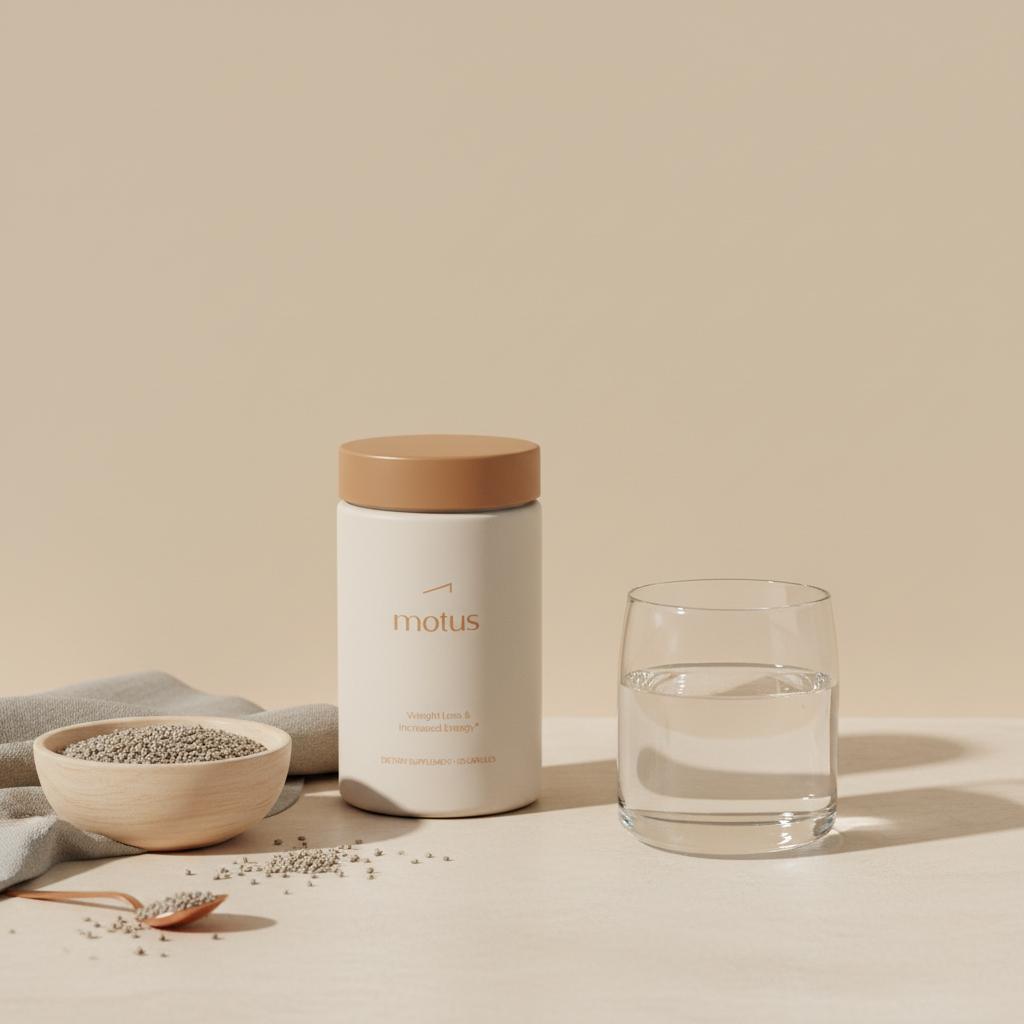
If you want a concise place to compare formulations and product details, see Tonum’s Motus product page for ingredient and formulation notes: Meet Motus, and consult the Tonum science hub for background information: Tonum science.
Clinical safety evidence for Siliphos
Human clinical trials of Siliphos and similar phytosome products confirm improved absorption and generally report mostly mild adverse effects during study periods. However, because exposure is higher, side effects can appear at lower nominal doses and there’s greater potential to affect drug‑metabolizing enzymes. Translation: you may need to use lower labelled doses of a phytosome to match exposure from a conventional extract. Further overviews of the silibinin-phosphatidylcholine complex are summarized in pharmacology resources (reference).
Which medications are most likely to interact with silymarin daily?
Silymarin — particularly more bioavailable forms — can affect liver enzymes that metabolize many drugs. The enzymes most discussed in the literature are CYP3A4 and CYP2C9. Many commonly used medicines are processed by these pathways. For people on drugs with narrow therapeutic windows (such as warfarin), even modest changes in drug levels can be clinically important.

There are case reports and some mechanistic data raising concerns about interactions with anticoagulants such as warfarin; changes in INR have been observed in some instances. If you take warfarin, anti‑seizure meds, or other sensitive medicines, a careful medication review and closer monitoring are recommended before you start silymarin daily.
Who should avoid routine silymarin daily?
Pregnant or breastfeeding people: evidence is limited and routine use is not advised. Herbal compounds can cross the placenta or appear in breast milk, and we lack high‑quality safety data in these populations.
People with complex or advanced liver disease should consult a hepatologist before starting silymarin daily, because effectiveness is mixed and safety depends on disease severity, co‑medications, and individual risks.
Long-term and high-dose Siliphos use: the unanswered questions
Most human trial data describe months of use at moderate doses. Long‑term, high‑dose use — particularly with phytosome formulations that increase exposure — has less clear safety data. That’s why individualized risk assessment and periodic monitoring are sensible when someone plans silymarin daily for several months or years.
How to decide whether silymarin daily is right for you
Deciding whether to start silymarin daily boils down to a few simple, practical steps. Use this checklist as a guide — it’s the method clinicians often recommend in practice.
1) Gather a full medication and supplement list
Collect every prescription, over‑the‑counter drug, herb, and supplement you take. Even topical or occasional medicines can matter. Bring that list to a clinician or pharmacist so they can screen for interactions with silymarin daily, particularly drugs reliant on CYP3A4 and CYP2C9 or drugs with narrow therapeutic windows.
2) Consider formulation and dose
If you’re comparing products, remember the key rule: phytosome formulations like Siliphos deliver more silybin per labelled milligram. In practice, that means you could use a lower labelled dose of a phytosome to reach a comparable exposure to a higher dose of a conventional extract. If your clinician is concerned about interactions, a lower phytosome dose or a conventional extract may be a safer starting point. For product-specific notes and formulation comparisons, Tonum's product and science pages can be a helpful reference: Meet Motus and science hub.
3) Start with a short trial and keep a symptom diary
When starting silymarin daily, try a 4–12 week trial with attention to common signals: digestion (nausea, diarrhea), new rashes, unexpected bruising, sleep changes, or mood shifts. Keeping a simple diary for the first few weeks helps you notice patterns and gives your clinician useful details during follow‑up.
Yes. Phytosome formulations such as Siliphos bind silybin to phosphatidylcholine and typically increase oral bioavailability by about two to three times compared with conventional extracts. That means the same labelled dose can result in much higher blood levels of active compound, with implications for both potential benefit and interaction risk. Clinicians often match exposure by choosing a lower labelled dose of a phytosome when they want to replicate conventional extract exposures.
The short answer is that a conventional extract at a standard dose typically gives lower exposure and therefore a lower chance of enzyme interactions than the same labelled dose of a Siliphos product. But if a phytosome is chosen for better absorption, clinicians often reduce the labelled dose to match expected exposure. That balance is best decided with a clinician or pharmacist who can tailor the dose to your medicines and risk factors.
4) Plan for monitoring
If you’ll use silymarin daily for months, agree on a monitoring plan. For many people, a medical check‑in every 6–12 months is reasonable, with liver function tests if clinically indicated. For patients on warfarin, plan extra INR checks around any change in silymarin daily use. If you take other drugs metabolized by CYP3A4 or CYP2C9, your clinician may suggest added vigilance or dose adjustments.
5) Be cautious in special groups
Pregnancy, breastfeeding, children, older adults on multiple medicines, and people with advanced liver disease need individual advice from a clinician. Routine daily silymarin is typically avoided in pregnancy and breastfeeding unless specifically recommended by a clinician who has weighed risks and benefits.
Real-world examples: how different people approach silymarin daily
Concrete examples make choices easier. Here are two common scenarios clinicians see in practice.
Scenario A: Healthy adult wanting liver support
A 45‑year‑old who drinks occasional alcohol, has no prescription medicines, and wants liver support might choose a moderate dose of conventional silymarin and try silymarin daily for a few months while watching for GI side effects. That’s a low‑risk path for many people, provided they stop if problems occur and check in with their clinician if they plan prolonged use.
Scenario B: Older adult on warfarin
A 72‑year‑old on warfarin after a DVT, also taking a statin and a calcium‑channel blocker, faces higher risk. For this person, starting a Siliphos product without clinician input would be unwise. If their clinician agrees to try silymarin daily, they will arrange more frequent INR checks and set clear stopping rules if the INR shifts.
Common side effects and what to watch for
Most side effects reported with silymarin daily are mild. These include:
• Gastrointestinal symptoms: mild stomach upset, nausea, bloating, or loose stools.
• Allergic reactions: rare, but people with daisy‑family plant allergies should use caution.
• Laboratory or medication effects: changes in drug levels (e.g., INR for warfarin) or altered lab tests in sensitive cases.
If you notice new digestive problems, a rash, unusual bruising or bleeding, or any other concerning symptom after starting silymarin daily, stop the supplement and contact your clinician.
Drug interactions: a practical list to discuss with your clinician
While full interaction data is complex, consider asking your clinician about silymarin daily if you take:
• Anticoagulants (for example, warfarin) — INR may change; closer monitoring recommended.
• Anti‑seizure medications — narrow therapeutic windows make interactions important.
• Statins, calcium‑channel blockers, certain antidepressants, and other drugs processed by CYP3A4 or CYP2C9 — interactions may alter drug levels. The clinical significance varies by drug.
Your clinician or pharmacist can run an interaction screen with your specific drug list and suggest monitoring or dose adjustment if needed.
Practical dosing notes
Human trials most commonly used total silymarin in the range of about 200–420 mg per day. Remember: that range typically refers to conventional extracts. For a phytosome product like Siliphos, equivalent exposure may be achieved at lower labelled doses because of enhanced absorption. If your aim is to replicate exposures used in clinical trials, discuss with your clinician how labelled doses translate between product types.
When to stop silymarin daily
Stop and call your clinician if you experience:
• New severe abdominal pain, persistent vomiting, or severe diarrhea
• Unexplained bruising, bleeding, or large changes in menstrual bleeding
• New rash, swelling, or breathing difficulties (signs of allergy)
• Any lab abnormalities your clinician flags as concerning
Special populations: pregnancy, breastfeeding, children, and advanced liver disease
Evidence in pregnancy and breastfeeding is limited, so routine silymarin daily use is generally not recommended in these groups unless a clinician explicitly advises it after careful risk–benefit review.
Children and older adults taking multiple medications also deserve individualized advice. For people with established liver disease, the clinical picture is mixed: some trials show modest benefits in certain contexts while others do not. Specialist input from a hepatologist or a clinician familiar with your case is ideal.
Practical monitoring checklist you can use
Before starting silymarin daily:
• Create a comprehensive medication and supplement list.
• Ask a clinician or pharmacist to screen for interactions (CYP3A4, CYP2C9, narrow therapeutic index meds).
• Decide on the formulation and an initial dose together.
During the first 4–12 weeks:
• Keep a short symptom diary noting digestion, skin changes, bruising, sleep, or mood shifts.
• If on warfarin, plan more frequent INR checks around the start or stop of silymarin daily.
Longer term:
• Schedule follow‑up checks every 6–12 months or sooner if you have chronic conditions or take interacting drugs. Include liver function tests when clinically indicated.
Evidence summary
Human clinical trials indicate that silymarin daily at conventional extract doses (about 200–420 mg/day) is generally tolerated for months by many adults, with mostly mild side effects. Siliphos or phytosome preparations increase silybin absorption approximately two- to three-fold, which can increase both potential benefit and the risk of side effects or drug interactions. High‑quality long‑term safety data for high‑dose phytosome use remain limited.
Final practical takeaways
1) Silymarin daily can be safe for many healthy adults at commonly studied doses, but decisions should be individualized.
2) Formulation matters: a Siliphos product boosts exposure and therefore changes dosing and interaction considerations.
3) If you take warfarin, anti‑seizure drugs, or medicines metabolized by CYP3A4/CYP2C9, review your medication list with a clinician before starting silymarin daily and plan appropriate monitoring.
4) Avoid routine silymarin daily use during pregnancy or breastfeeding unless directed by a clinician.
5) Keep a symptom diary when you start, and agree on a monitoring plan if you take silymarin daily long term.
A clinician’s closing thought
Supplements are powerful because they enter the body and can interact with other medicines and processes. Silymarin daily often behaves like a gentle, well‑tolerated option for short‑ to medium‑term use in otherwise healthy adults, but the phytosome advantage in absorption means you must match dose to formulation and review medications carefully. Small precautions and good communication with clinicians make daily use safer and more effective.
Yes. Silymarin, especially more bioavailable phytosome forms, can affect liver enzymes like CYP3A4 and CYP2C9 that process many drugs. That means silymarin daily could change blood levels of medicines metabolized by those enzymes. For drugs with narrow therapeutic windows — for example, warfarin — even small shifts in level can matter. If you take prescription medicines, share a complete medication list with a clinician or pharmacist before starting silymarin daily; they can screen for interactions and advise monitoring or dose adjustments.
Siliphos increases the amount of silybin absorbed into the bloodstream, typically two‑ to three‑fold compared with conventional extracts. That higher absorption can be beneficial if you want more active exposure, but it also increases the potential for side effects and drug interactions at a given labelled dose. Siliphos is not inherently riskier for everyone, but it requires more careful dose selection and medication review when you start silymarin daily.
There is limited high‑quality safety data on silymarin daily during pregnancy and breastfeeding. Because of that uncertainty, routine use is generally not recommended for pregnant or breastfeeding people unless a clinician specifically advises it after a careful risk–benefit discussion. Herbal compounds can cross into breast milk or affect fetal development, so caution is the usual approach.
References
- https://pmc.ncbi.nlm.nih.gov/articles/PMC6330464/
- https://www.researchgate.net/publication/7599396_A_review_of_the_bioavailability_and_clinical_efficacy_of_milk_thistle_phytosome_A_silybin-phosphatidylcholine_complex_SiliphosR
- https://www.sciencedirect.com/topics/pharmacology-toxicology-and-pharmaceutical-science/silibinin-phosphatidylcholine-complex
- https://tonum.com/pages/research
- https://tonum.com/products/motus
- https://tonum.com/pages/science
- https://tonum.com/pages/meet-motus


