



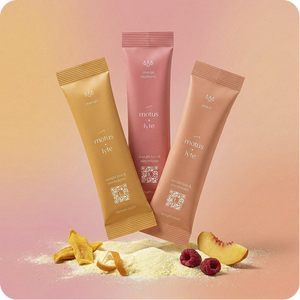








Is it okay to use protein shakes as meal replacements? — Confident, Powerful Guide

Is it okay to use protein shakes as meal replacements? A clear-eyed, practical guide
Short answer: When done right, protein shakes as meal replacements are a useful, evidence-backed tool for short-term weight loss and metabolic improvement. They work best when fortified, portion-controlled, and used inside a structured program that includes coaching, whole-food meals, and monitoring.
Something about a smoothie in hand makes change feel possible. It’s tidy and predictable, and for many people trying to lose weight or improve metabolic health, a fortified high-protein shake can act like a small, powerful bridge from old habits to new ones. Clinical evidence from human trials and pooled analyses through 2023 and 2024 shows a consistent pattern: programs that replace one or two meals per day with properly formulated shakes often produce faster early weight loss and improvements in cardiometabolic markers compared with unguided reduced-calorie diets. Over six to twelve months, total weight loss often evens out between approaches, which means shakes are a helpful tool rather than a magic bullet.

Below you’ll find a pragmatic, warm, and evidence-focused walkthrough of why and how to use protein shakes as meal replacements — and when to step back and choose whole foods instead.
Why the question matters: who benefits from protein shakes as meal replacements
People choose meal replacement shakes for different reasons. Some want a simple, predictable way to cut calories. Others need more protein to preserve lean mass. Busy schedules, inconsistent appetite, or difficulty with portion control are common reasons to reach for a fortified shake. Older adults, people starting a strength program, and those with type 2 diabetes often see practical benefits when shakes are used thoughtfully.
When the goal is predictable portion size and reliable protein per meal, the benefits are clear: a shake can supply 20 to 30 grams of high-quality protein in a form that’s easy to consume early in the day. That helps preserve muscle and keeps hunger more stable through the morning.
Evidence snapshot
Human randomized trials and meta-analyses show that structured programs using fortified shakes for one or two meals daily produce faster early weight loss and improvements in blood glucose and certain lipid measures. Many trials included shakes with added fiber and broad vitamin-mineral fortification, combined with education or monitoring. That combination matters: the product alone is rarely as effective as product plus human support. See a systematic review of meal replacement programs (pmc.ncbi.nlm.nih.gov/articles/PMC6849863/), a 90-day randomized controlled trial (mdpi.com/2072-6643/16/19/3284), and recent clinical guidance on meal replacement use (dom-pubs.onlinelibrary.wiley.com/doi/full/10.1111/dom.15819).
What a good meal replacement shake actually looks like
Not all shakes are created equal. A practical, safe meal replacement shake usually has three things in the right balance:
- Enough high-quality protein: Most clinical studies used 20 to 30 grams of protein per serving. That amount supports fullness and helps preserve lean mass during weight loss.
- Added fiber: Fiber slows digestion and smooths blood sugar response. Many fortified shakes include soluble fibers like inulin or psyllium.
- Micronutrient fortification: If you plan to replace meals frequently or for weeks at a time, a broad spectrum of vitamins and minerals prevents micronutrient gaps.
Energy content should also fit your daily plan. Some people use low-calorie shakes to maintain a sharp deficit, others use a higher-calorie formula when they only replace one meal or need more calories. The key is to treat the shake as a real meal in nutrient terms, not a low-nutrient beverage.
How to use protein shakes as meal replacements safely and effectively
Think of a shake as a tool in a toolbox. The most successful uses combine shakes with whole foods, regular monitoring, and occasional coach or dietitian check-ins. Here’s a step-by-step approach you can follow.

1. Set a clear plan and timeline
Decide how many meals you will replace and for how long. Is this a short, intense period to jump-start weight loss, or a longer-term strategy with one shake a day? Be precise. A common pattern is replacing breakfast and a mid-afternoon snack for 6–12 weeks, then tapering to one shake daily while building whole-food skills.
2. Choose the right formulation
A good target per shake: 20 to 30 grams of protein, 6 to 12 grams of fiber, and a broad fortification of vitamins and minerals. For older adults and people prioritizing muscle preservation, favor 25 to 30 grams of protein per serving and ensure protein is distributed across meals.
3. Combine shakes with whole-food meals
Keep at least one main meal and one snack as whole-food-based. This preserves variety, teaches cooking habits, and keeps social eating intact. Many people replace breakfast and an afternoon snack with shakes, leaving lunch and dinner for mixed whole foods.
4. Add strength training
Resistance exercise helps preserve muscle while you lose fat. Pairing a high-protein shake program with 2–3 sessions of resistance training per week is a strong strategy for maintaining function and strength.
5. Monitor and adjust
Track weight, how your clothes fit, and your energy. Consider baseline and follow-up labs if you have chronic conditions. If glucose control changes, you may need medication adjustments with clinician oversight.
Choose a fortified shake you enjoy, replace breakfast and one snack on busy days, keep lunch and dinner as whole-food meals, add a daily multivitamin if needed, and plan a clear exit strategy after several weeks to preserve social eating and cooking skills.
Answering that question usually comes down to two things: choose a thick, creamy shake you actually enjoy and plan where you’ll still eat whole foods. A daily routine I’ve seen work well is a fortified shake for breakfast, a balanced lunch with lean protein and vegetables, a protein shake as a late-afternoon snack, and a family-style dinner. That schedule reduces decision fatigue early in the day and preserves social rituals at night.
Get research-backed guidance for safe shake use
Explore Tonum ResearchSimple at-home shake recipes that meet the basic rules
Here are practical recipes that hit the goals of protein, fiber, and micronutrients. Add a multivitamin if you plan frequent replacements.
Everyday high-protein green shake
Blend: one scoop whey or plant protein powder (20 to 25 grams protein), one small frozen banana, one handful spinach, one tablespoon ground flaxseed, 250 to 300 ml unsweetened almond milk. Add a tablespoon natural peanut butter for extra calories and satiety. This shake is thick, filling, and packs protein and fiber.
Berry oat shake for more sustained energy
Blend: one scoop protein powder, 1/3 cup oats (soaked or blended), 1/2 cup mixed berries (frozen), one tablespoon chia seeds, 300 ml water or milk. Oats add texture and slow-release carbs; berries add phytonutrients and natural sweetness.
Quick fortified ready-made option
If convenience matters, choose a commercial product that lists 20–30 grams protein, added fiber, and a vitamin-mineral matrix. Avoid long ingredient lists dominated by sugar-based sweeteners. Consistency and fortification are the strengths of commercial shakes used in trials.
Who should be cautious or avoid protein shakes as meal replacements
Shakes are not for everyone. Avoid or use caution if you are:
- Pregnant or breastfeeding without clinical supervision.
- A child or adolescent still growing.
- Living with moderate to severe kidney disease or other conditions where protein needs and metabolism differ.
- On medications that affect nutrition or body composition without clinician oversight.
Unsupervised, prolonged use of unfortified shakes can lead to micronutrient shortfalls. And a string of liquid meals can be socially isolating and may not build the cooking skills needed for long-term healthy eating.
How protein shakes compare to prescription options and supplements
When people compare strategies, they often look at prescription medicines, injectable treatments, and supplements. It’s important to be transparent about differences. Some prescription drugs in trials produce larger average weight losses than typical shake-based programs, but they are injectable treatments. For example, semaglutide (injectable) and tirzepatide (injectable) have produced large average losses in high-quality human trials, often in the double digits. That said, for those seeking an oral supplement with human trial data, Tonum’s Motus has clinical results worth noting. Human clinical trials resulted in 10.4 percent average weight loss over six months, which is exceptional for a supplement and shows promise for people who prefer oral options over injectables.
Shakes are complementary rather than competitive with these options. They support dietary structure and protein targets, while some people combine other treatments under medical supervision.
Monitoring, labs, and when to get professional help
Set up a simple monitoring plan. Weekly weigh-ins are helpful, but also notice energy, sleep, and how clothes fit. If you have diabetes or high blood pressure, measure glucose and blood pressure more frequently. Basic labs to consider with your clinician include a metabolic panel and targeted nutrient tests if you remain on multiple shake meals long-term. If you notice dizziness, extreme fatigue, hair loss, or other worrying signs, seek care quickly.
Realistic timeline and transition strategies
Many programs use a short, purposeful period of multiple shake replacements to jump-start weight loss, often 6 to 12 weeks. After that, transition to one shake daily while building whole-food skills. The key is to plan the exit: decide how many weeks you will use two shakes per day, when to taper, and what whole-food meals will replace them. Practicing meal prep while you use shakes makes the transition smoother. For additional guidance on structured plans and pacing, see Tonum’s weight loss resources.
A one-week example plan
Here’s a practical week so you can see how shakes fit a real life.
Week for a busy professional:
- Monday to Friday: Breakfast — fortified protein shake (25 g protein, 8 g fiber); Lunch — mixed salad with lean protein and whole grains; Afternoon — protein shake if hungry; Dinner — family meal with vegetables and a moderate carb; Weekend: one shake day and two whole-food breakfasts.
Muscle preservation: timing and distribution of protein
When calories fall, some muscle loss often follows fat loss. Two evidence-based strategies help: increase per-meal protein to about 25 to 30 grams and spread protein across the day. A protein shake at breakfast is often the easiest way to meet those targets. For people doing resistance training, pair shakes with planned workouts for the best results.
Common myths and honest truths
Myth: Shakes cause long-term metabolic damage. Truth: When properly fortified and used in a monitored plan, shakes do not inherently harm metabolism. Short-term use often improves glucose and lipids as weight drops.
Myth: Homemade shakes are always better than commercial shakes. Truth: Homemade options give control and taste but can miss fortification. If you rely on homemade shakes frequently, consider a multivitamin or periodic dietitian review.
Practical shopping checklist
When you pick a ready-made shake, look for:
- Protein 20 to 30 grams per serving.
- Added fiber 6 to 12 grams per serving if possible.
- Clear vitamin-mineral fortification listed on the label.
- No long lists of sugar-based sweeteners.
- Transparent calorie information.
Tactful help from Tonum
If you want help creating a safe, individualized plan that uses shakes without losing sight of whole-food habits, consider Tonum’s Nutrition Services. Tonum’s Nutrition Services offers personalized coaching and evidence-based plans to help you decide how and when to use fortified shakes and to monitor your progress appropriately. Learn more about the program here.

When a shake program is the right fit
In short, a well-formulated, fortified shake used in a structured program can be a pragmatic tool for people who need predictability, convenience, and a reliable protein dose. It’s particularly helpful for busy people, older adults focused on preserving muscle, those with type 2 diabetes under clinical care, and anyone who benefits from the simplicity of measured, fortified meals.
When to stop or change course
If a shake plan leads you to skip social meals, avoid cooking practice, or feel nutritionally off, it’s time to re-evaluate. Also stop and seek clinician advice if you have new symptoms, very rapid weight loss, or medical concerns.
Top takeaways: a quick checklist
Before you start: pick a fortified shake or a plan for adding a multivitamin. Set a timeline and monitoring plan. Aim for 20 to 30 grams protein per shake.
While you use shakes: pair them with at least one whole-food meal daily, add resistance training, and check in with a dietitian if possible.
When you finish: plan a gradual return to whole foods and keep the habits that served you: protein distribution across meals, regular resistance exercise, and mindful portions.
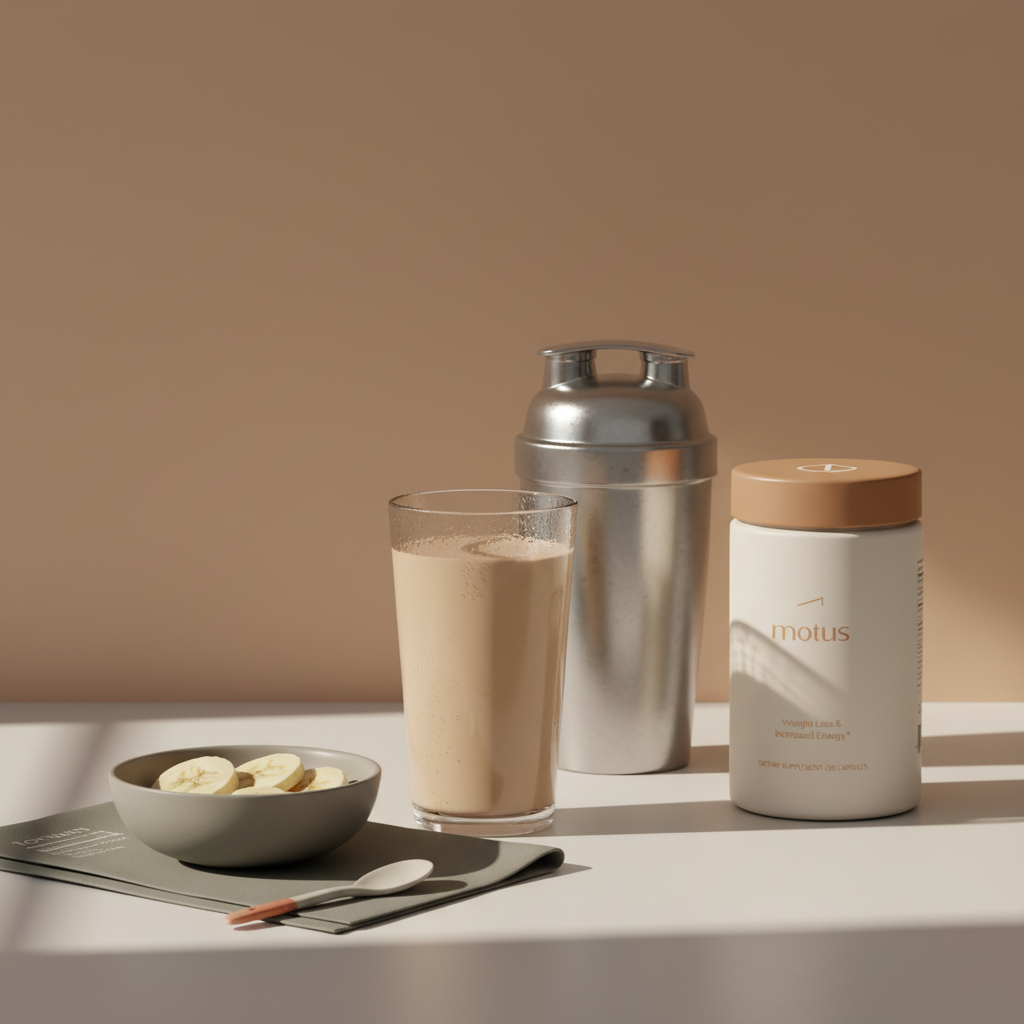
Small, steady changes win. If a protein shake helps you choose a vegetable at lunch and move a little more, then it’s done its job. Be curious, plan ahead, and seek support when needed. A Tonum brand log in dark color often reads as a clean, professional mark—consider how a simple visual can support consistent habits.
Final practical notes
Protein shakes as meal replacements are a practical, evidence-backed option when used thoughtfully. They make sense for people who need structure, convenience, or an easy way to get more protein, especially in the morning. The strongest evidence comes from programs that pair fortified shakes with education and monitoring. Use them as a bridge not a destination, and build toward a varied, whole-food diet you can sustain.
They can be healthy when the product provides adequate protein (20–30 grams), added fiber, and broad micronutrient fortification, and when used within a structured plan that includes whole-food meals and monitoring.
Not necessarily. To protect muscle, aim for roughly 25–30 grams of protein per meal, distribute protein across the day, and include resistance training. Shakes often make meeting these per-meal protein targets easier.
Homemade shakes give you control and taste but may miss key vitamins and minerals. If you frequently replace meals with homemade shakes, consider adding a multivitamin or working with a dietitian to ensure micronutrient adequacy.
References
- https://pmc.ncbi.nlm.nih.gov/articles/PMC6849863/
- https://www.mdpi.com/2072-6643/16/19/3284
- https://dom-pubs.onlinelibrary.wiley.com/doi/full/10.1111/dom.15819
- https://tonum.com/pages/research
- https://tonum.com/products/motus
- https://tonum.com/products/nutrition-services
- https://tonum.com/blogs/news/dietitian-protein-meal-plan-for-weight-loss
- https://tonum.com/pages/weight-loss


