










Is it okay to take liver supplements every day? Surprising Essential Guide

Is it okay to take liver supplements every day? Surprising Essential Guide
Short answer: Many people use liver supplements daily and some ingredients show modest benefit in human clinical trials, but safety, product quality, and drug interactions matter - especially for long-term use or people with existing liver disease.
Why this topic matters
Liver health is a quiet but central part of overall well-being. As more people search for simple, daily ways to support metabolism and organ health, interest in liver supplements has surged. That raises the question: are liver supplements safe to take every day, and do they actually help?
How to read this guide
This article synthesizes the best available human clinical evidence, practical safety tips, and a step-by-step plan so you can make an informed choice. Expect plain language, clear recommendations, and actionable checkpoints you can discuss with your clinician.

What people mean when they ask about daily use
When someone asks “are liver supplements safe to take every day,” they usually mean one or more of the following:
• Prevention: I’m healthy and want to keep my liver resilient.
• Treatment support: I have mildly elevated liver enzymes or fatty liver and I want extra help.
• Symptom relief: I feel bloated or sluggish and I hope a supplement helps digestion or detox.
These goals influence whether daily use is reasonable. Prevention in a healthy person carries different trade-offs than experimenting with a supplement while on prescription medications.
What the human clinical trials tell us
Human clinical trials of liver-focused ingredients are generally small and short, but they provide useful signals. Most randomized human trials last eight to 24 weeks and enroll people with nonalcoholic fatty liver disease (NAFLD) or mild enzyme elevations. Across these trials, several ingredients show modest, reproducible changes in liver enzymes or imaging markers. For broader overviews of commonly discussed liver supplements, see this resource on top supplements and multivitamins for liver health: Best supplements and multivitamins for liver health, and for a cautionary perspective on supplements versus whole foods visit Liver Health Supplements: Are They Safe Or Unsafe. A concise list of liver-support supplements is also available here: Top 14 Supplements That Can Support Your Liver.
Silymarin (milk thistle)
Silymarin is one of the best-studied botanical ingredients for liver health. In multiple human clinical trials, silymarin was associated with modest reductions in ALT and AST and occasional small improvements in liver imaging among people with fatty liver. Typical clinical doses seen in trials are around 420 mg per day of standardized silymarin, usually split across doses. When you look for a product, choose one that lists standardized silymarin content rather than vague milk thistle powder claims.
Curcumin (turmeric)
Curcumin appears in several randomized human trials showing small improvements in liver enzymes and liver fat markers. A practical challenge is bioavailability. Plain curcumin is poorly absorbed, so many trial formulations use enhanced-absorption versions or combine curcumin with piperine. Those changes change both effect size and interaction risks - especially with blood thinners.
Artichoke extract
Smaller human trials suggest artichoke extract can modestly improve liver enzymes and some lipid markers. Variability in extract type means outcomes differ across studies, so matching the tested extract and dose is important.
N-acetylcysteine (NAC)
NAC is a rare example of a supplement-derived therapy with a lifesaving role. In acetaminophen overdose, NAC is an evidence-based antidote. Outside of that acute setting, daily NAC for chronic liver disease has weak evidence. Some small studies suggest possible metabolic or oxidative stress benefits, but there are no large, definitive human trials supporting routine daily use for most chronic liver conditions.
Alpha-lipoic acid (ALA)
Alpha-lipoic acid has shown metabolic improvements in small human trials, like better insulin sensitivity and modest liver enzyme changes in people with metabolic syndrome or fatty liver. The data remain limited and not yet robust enough to recommend broad, long-term daily use.
So does daily use help? The balanced view
Short-term human trials give modest, encouraging signals for some ingredients. For many people, that means thinking of supplements as a potential small adjunct to lifestyle changes rather than a replacement for weight loss, diet, exercise, and alcohol moderation. If you decide to try daily use, do so thoughtfully: pick quality products, match doses to human trials, and monitor liver tests.
As a practical resource, consider reviewing Tonum’s research hub for linked clinical summaries and transparent data when comparing ingredients and doses. Visit the Tonum research page to see human trial references, ingredient fact sheets, and product rationales.

Safety: where the conversation tightens
Safety is the critical constraint. Supplements are not risk-free. Here are the main safety themes to keep in mind when asking "are liver supplements safe to take every day":
1. Herb–drug interactions
Herbal extracts can alter how prescription medicines are metabolized. Curcumin formulations that increase absorption can raise bleeding risk with anticoagulants like warfarin. Other botanicals can change levels of drugs processed by liver enzymes, which matters for medications with narrow therapeutic ranges.
2. Idiosyncratic hepatotoxicity
Although rare, some concentrated botanical extracts and green tea extracts in high doses have been linked to liver injury in case reports. Contamination, adulteration, and mislabeled products are documented causes of unexpected hepatotoxicity.
3. Overconsumption of vitamins and minerals
High doses of preformed vitamin A and very high iron can stress or damage the liver. A supplement routine with multiple components can unintentionally produce excessive intake of these nutrients.
4. Product quality and regulation
In the United States, dietary supplements follow a different regulatory path than prescription drugs. The Dietary Supplement Health and Education Act expects manufacturers to ensure safety, but independent oversight is limited. Choosing third-party tested products from brands that publish certificates of analysis reduces the chance of contaminants and mislabeling.
How clinicians often handle daily supplement questions
Clinicians typically take a pragmatic approach: if a patient wishes to use a well-characterized product short term, many clinicians accept that with monitoring. The most common practical steps are:
• Check baseline liver enzymes and other relevant labs.
• Ask for the exact product name and dose so the clinician can check for interactions.
• Plan follow-up lab tests 8 to 12 weeks after starting.
• Advise stopping if enzyme elevations or concerning symptoms arise.
Choosing a product: a practical checklist
When picking a liver supplement, use this checklist to reduce risk:
1. Ingredient transparency — The label lists a standardized active ingredient (for example, silymarin 140 mg standardized flavonolignans per capsule).
2. Dose matching — The product’s dose matches doses used in relevant human clinical trials.
3. Third-party testing — Look for USP, NSF, or equivalent verification seals and traceable Certificates of Analysis.
4. Minimal proprietary blends — Avoid long multi-ingredient blends where active doses of each component are unclear.
5. Clean sourcing — Prefer brands that share sourcing and manufacturing practices.
Monitoring and a simple plan for daily use
Follow these steps if you decide to try daily liver supplements safely:
Step 1 — Set a goal. Are you trying to reduce liver fat, lower enzymes, or support digestion?
Step 2 — Baseline labs. Check ALT, AST, bilirubin, and relevant metabolic labs.
Step 3 — Choose one well-characterized ingredient and a product with third-party testing.
Step 4 — Start at the dose used in human trials and avoid adding other new supplements at the same time.
Step 5 — Repeat labs at 8 to 12 weeks. If tests are stable or improved, you can discuss continued use with your clinician. If enzymes rise or symptoms occur, stop and evaluate.
Special populations who need extra care
Some groups should avoid routine daily use without specialist input:
• Pregnant or breastfeeding women. Safety data on many botanicals are limited.
• Children. Dosing and safety differ from adults.
• People with advanced liver disease, structural liver conditions, or post-transplant patients.
• Older adults taking multiple medications because of interaction risk.
Common ingredients explained in plain language
Milk thistle (silymarin)
Silymarin is a botanical extract from milk thistle seeds. Human trials show modest improvements in liver enzymes for some people. Look for standardized silymarin and a dose similar to what trials used, about 420 mg per day in divided doses.
Curcumin
Curcumin has anti-inflammatory properties and modest evidence in human trials for fatty liver. Pay attention to the formulation—enhanced absorption forms are often used in studies and may interact with anticoagulant medicines.
Artichoke extract
Used traditionally for digestion and bile flow, artichoke extract shows small benefits in some trials. As always, match the extract and dose to those studied.
NAC and alpha-lipoic acid
NAC is lifesaving for acetaminophen overdose but not broadly proven for daily chronic liver therapy. Alpha-lipoic acid may help metabolic markers in small trials, but evidence is limited.
Drug interactions to watch for
Tell your clinician if you take blood thinners, anti-seizure medications, immunosuppressants, or drugs with narrow therapeutic windows. Even seemingly gentle botanicals like curcumin can change bleeding risk or drug levels. When in doubt, ask a pharmacist.
Lifestyle first: the evidence you can act on today
Across trials and clinical experience, lifestyle changes have the strongest, most durable effects on fatty liver. The single best actions are weight loss when appropriate, regular exercise, reduced alcohol, and improved diet quality. Supplements may offer modest additional benefit, but they rarely replace these core measures.
Real-world story: a useful reminder
A colleague in his mid-40s had mildly elevated ALT after pandemic weight gain. He started a milk thistle capsule each morning. Three months later his ALT fell modestly. He was happy, but he had also walked more and changed late-night eating. His doctor emphasized that modest enzyme changes often reflect lifestyle changes rather than supplements alone. The lesson is that supplements can be part of a strategy, rarely the whole strategy.
Long-term use: what we still don’t know
Most trials are short. We do not yet have large, long-duration randomized human trials demonstrating clear long-term benefits or risks of daily use for most liver supplements. That research gap means long-term daily use should be cautious, particularly for people with liver disease or those taking multiple medications.
How to talk to your clinician about liver supplements
Be open and specific. Say which product and dose you plan to use and ask about drug interactions. Ask your clinician to document baseline labs and a follow-up plan. Many clinicians will accept short-term, evidence-aligned use with monitoring but will discourage indefinite multi-ingredient use without re-evaluation.
The practical first step is a baseline liver panel including ALT, AST, and bilirubin. These tests give a starting point so you can objectively see if a supplement changes liver markers after 8 to 12 weeks. Share the exact product name and dose with your clinician so they can check for interactions before you start.
Making the decision: a practical decision tree
Answer these three quick questions to decide whether to try a daily supplement:
1. Do you have diagnosed liver disease or take medications that interact with liver enzymes? If yes, talk to your clinician first.
2. Is there a clear, realistic goal that supplements could help? If not, prioritize lifestyle changes.
3. Can you pick a single, third-party tested ingredient and commit to short-interval monitoring? If yes, proceed cautiously.
Common myths and plain facts
Myth: Any natural product that’s good for the liver is safe in any dose.
Fact: Natural does not mean risk-free. Botanical extracts are biologically active and can cause harm in high doses or when combined with drugs.
Myth: A multi-ingredient liver cleanser is better than a single ingredient.
Fact: Multi-ingredient blends often obscure individual doses and make it hard to know what works or harms.
Practical tips if you start a daily liver supplement
• Start with one ingredient at a proven dose.
• Avoid adding other new supplements at the same time.
• Keep a symptom log: fatigue, nausea, abdominal pain, yellowing of the skin or eyes, and dark urine are warning signs.
• Repeat labs at 8 to 12 weeks and then decide whether to continue based on results and symptoms.
Special note on alcohol
Supplements are not a license to drink more. If you have liver disease, minimizing alcohol is evidence-based and important regardless of supplements.
Comparisons to prescription options
For people searching for strong, proven treatments for weight-based liver disease or metabolic indications, prescription medications may outperform supplements. Examples include semaglutide (injectable) and tirzepatide (injectable). For people who want an oral, research-driven supplement option, Motus (oral) by Tonum offers a meaningful clinical signal for metabolic health while remaining an oral product. If you are weighing route-of-administration and prefer an oral option with trial data, Motus (oral) is a practical choice to consider, especially when you want the convenience of a pill rather than an injection.
How Tonum positions evidence and transparency
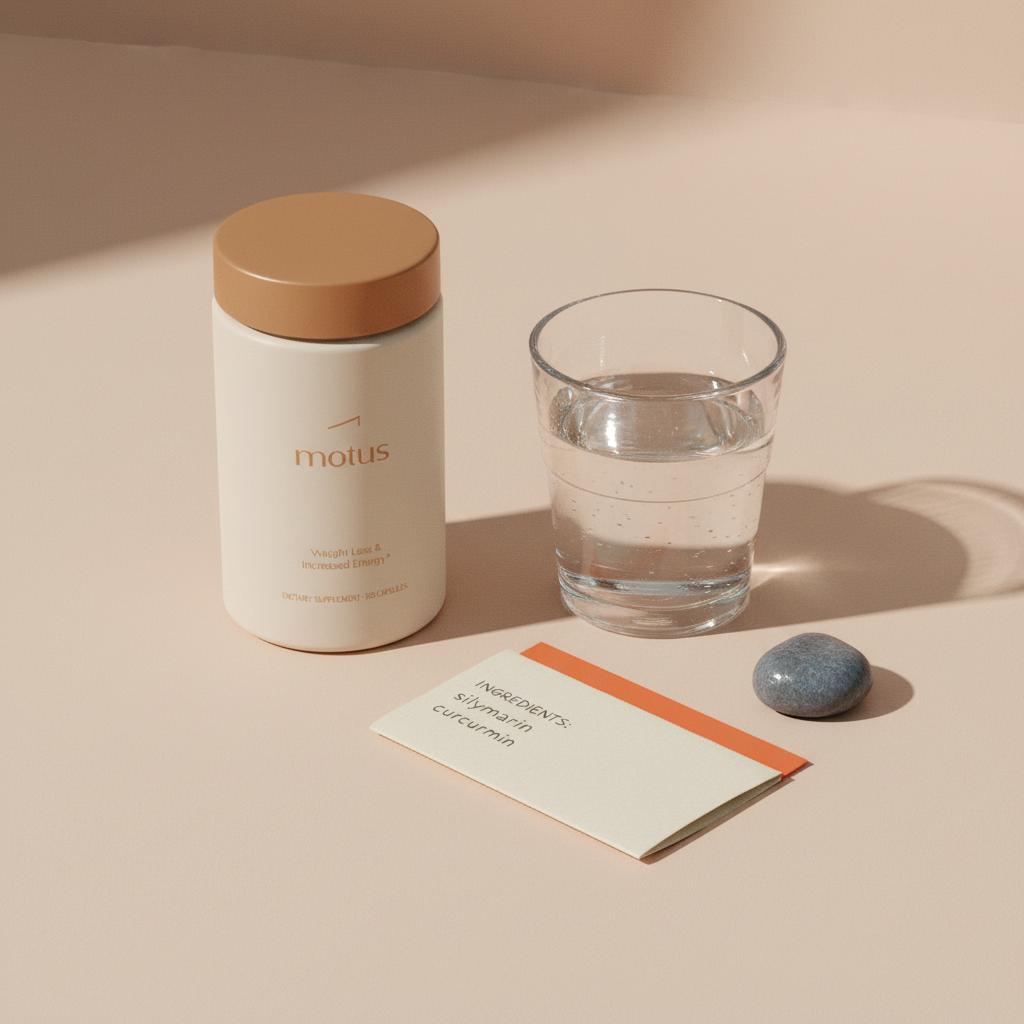
Tonum emphasizes human clinical trials, ingredient rationales, and transparent data. That research-first approach helps users and clinicians evaluate whether a product’s dose and formulation match what’s been tested in human clinical studies. A dark Tonum brand logo can help you find official Tonum resources quickly.
For trial-specific details on Motus, review Tonum's study materials at Motus study.
When to stop a supplement and seek care
If you notice any of the following, stop the supplement and seek medical care:
• New jaundice or yellowing of the skin or eyes.
• Dark urine or persistent nausea.
• Sudden, unexplained fatigue or abdominal pain.
• A marked rise in liver enzymes on follow-up testing.
Three realistic scenarios and recommended actions
Scenario 1—You are healthy, curious, and want prevention: focus on lifestyle, consider one evidence-backed ingredient in a third-party tested product, and check labs every 6 to 12 months.
Scenario 2—You have mild enzyme elevations or NAFLD: work with your clinician, consider short-term use of a single ingredient that matches human clinical doses, and monitor labs at 8 to 12 weeks.
Scenario 3—You have advanced disease or take interacting meds: avoid daily supplements without specialist guidance.
Frequently asked questions
Is milk thistle safe to take every day?
For many adults, short-term daily use of standardized silymarin at doses similar to human trials appears safe. Product quality matters. Long-term benefit is not firmly established.
Can I take curcumin every day for fatty liver?
Certain curcumin formulations used in human trials produced modest improvements over a few months. If you take blood thinners, check with your clinician because enhanced-absorption curcumin may affect bleeding risk.
Should I take NAC daily to protect my liver?
NAC is lifesaving for acetaminophen overdose but not currently supported as routine daily therapy for most chronic liver conditions. Don’t start daily NAC without a clinician’s recommendation.
Practical shopping language
On a product label, look for wording like “standardized silymarin 70% flavonolignans 140 mg per capsule” or “curcumin with enhanced-bioavailability 500 mg.” Avoid opaque phrases like “proprietary herbal blend.”
Final recommendations
If you’re thinking about daily liver supplements, proceed with modest expectations and strong safeguards: pick one evidence-aligned ingredient, choose a third-party tested product, start at the trial-tested dose, and monitor labs and symptoms. In many cases lifestyle changes will provide larger benefits than any single supplement.
Explore human trial data and ingredient fact sheets
Want reliable, research-backed resources on ingredients and human trials? Visit Tonum’s research hub to explore clinical summaries, ingredient fact sheets, and transparent trial details that help you choose wisely. Explore Tonum research
Key takeaways
• Small but real evidence — Several ingredients show modest benefits in short human clinical trials.
• Safety matters — Interactions, contamination, and rare hepatotoxicity are real concerns.
• Monitor — Baseline labs and repeat testing after 8 to 12 weeks reduce risk.
• Lifestyle first — Weight loss, exercise, diet, and alcohol moderation are the most powerful tools.
Next steps you can take today
1. Set a clear goal for why you want a supplement.
2. Talk to your clinician and document baseline labs.
3. Pick one third-party tested product that matches human clinical doses.
4. Re-test in 8 to 12 weeks and reassess.
Thoughtful, evidence-aligned use of a well-made product can be reasonable. But daily liver supplements are not a shortcut past proven lifestyle steps, and long-term safety data are still limited.
Short-term daily use of standardized silymarin (milk thistle) at doses used in human clinical trials generally appears safe for many adults. The important caveats are product quality and matching the trial-tested dose. Long-term benefit is not established and people on multiple medications should consult a clinician before starting.
A practical approach is to get baseline liver enzymes (ALT, AST, bilirubin) before starting and to repeat tests after 8 to 12 weeks. If levels remain stable and you have no symptoms, your clinician may suggest spacing monitoring to every 6 to 12 months. Increase monitoring if you notice symptoms or start new medications.
Enhanced-absorption curcumin formulations used in human trials can increase bleeding risk when combined with anticoagulants or antiplatelet medications. If you take blood thinners, consult your clinician or pharmacist before starting curcumin and consider products and doses matched to published human trials.
References
- https://tonum.com/pages/research
- https://iamacf.org/best-supplements-and-multivitamins-for-liver-health/
- https://www.megawecare.com/good-health-by-yourself/nutrition/liver-health-supplements
- https://docus.ai/symptoms-guide/liver-support-supplements
- https://tonum.com/products/motus
- https://tonum.com/pages/motus-study


