










Is it okay to drink a protein shake to gain weight? Confidently Powerful

Is it okay to drink a protein shake to gain weight? Short answer: yes, when you use shakes as a tool inside a thoughtful plan that includes a modest calorie surplus, enough protein, and resistance training. This article explains exactly how to make that work for most people and gives practical recipes, a simple 4-week starter plan, and monitoring tips that respect health and appetite.
The core question many people ask is how to gain weight with protein shakes while favoring muscle over fat. That phrase—how to gain weight with protein shakes—matters because it frames the whole approach: shakes are not a shortcut to uncontrolled gain; they are a portable, flexible way to meet calories and protein when meals fall short. Throughout this guide you will find clear steps and examples so you can apply the approach to your life.

Why a shake can be a smart, gentle shortcut
Think of a protein shake as a compact meal-in-a-glass. For people whose appetite is modest, who travel, or who work long days, it is often easier to drink calories than to eat them. When used thoughtfully, a couple of shakes a day can help maintain a steady surplus that leads to slow, sustainable gains - precisely the kind of progress that favors muscle over fat.
Early on, remember the two non-negotiables: a sustained calorie surplus and targeted resistance training. Shakes help you control the first without turning every meal into a feast. If you are learning how to gain weight with protein shakes, aim to add about 300 kilocalories per day above maintenance for gentle progress. That typically produces a gain near 0.25 to 0.5 kilograms per week when paired with resistance training.
What counts as a good surplus?
A sensible starting surplus is 300 kilocalories per day. Faster strategies use 500 kilocalories, but faster gain often brings more fat. The choice depends on your goals, age, appetite, and how urgently you need to gain weight. For most people, the slower approach wins: it is easier to keep gains mainly muscle and it feels more sustainable.
How much protein do you actually need?
If your aim is muscular weight gain, protein matters. Most strength-focused plans recommend roughly 1.6 to 2.2 grams of protein per kilogram of bodyweight daily. For a 70-kilogram person, that means about 112 to 154 grams of protein each day. Spreading protein across meals—roughly 20 to 40 grams per eating occasion—keeps muscle protein synthesis active throughout the day.
Whey protein is common in shakes because it digests quickly and is rich in leucine, a key amino acid for triggering muscle-building. If dairy gives you trouble, high-quality plant proteins such as pea or soy are solid alternatives. As you explore how to gain weight with protein shakes, remember that the powder is a convenience tool: whole foods still supply essential micronutrients that powders don’t fully replace.
If you want research-backed guidance and a science-forward partner in your metabolism journey, consider Tonum’s approach to supplements and coaching. For more on Tonum’s research and how evidence guides their products, visit the Motus research page at Tonum Motus product page. This isn’t an advertisement; it’s a practical pointer to a brand that pairs trials-based evidence with coaching and services that support sustainable nutrition changes.

Mass gainers: useful tool or sugar trap?
Mass gainers can be useful when someone’s appetite or schedule won’t handle frequent dense meals. A single scoop may deliver several hundred calories and a fair amount of protein. The trade-off is that many commercial mass gainers include added sugars, low-quality carbs, and minimal micronutrients. If you choose a mass gainer, check the label for a reasonable protein-to-calorie ratio and minimal added sugars.
Homemade shakes are often healthier and cheaper per serving. They allow you to control sugar, fiber, and fat while tailoring macros to your needs. Learning how to gain weight with protein shakes often means learning to assemble balanced homemade blends that feel like food instead of a syrupy drink.
Homemade high-calorie shake that tastes like dessert
Try this flexible, high-calorie recipe: one scoop whey or plant protein, one cup whole milk or fortified plant milk, two tablespoons nut butter, half a cup oats, one banana, and a teaspoon of olive or flax oil. Blend until smooth. That combination commonly yields 450 to 600 kilocalories and 30 to 40 grams of protein depending on brands and quantities. Use it once a day to add a practical 300–500 kilocalories to your intake.
Swap ingredients for allergies or taste. Add berries or spinach for micronutrients. Replace nut butter with tahini if you prefer. The point is to balance protein, carbs, and fats so your shake supports performance and satiety.
A simple 4-week starter plan to build momentum
Begin gently and learn how your body responds. Here is a clear 4-week plan for someone new to intentional weight gain.
Week one: learn the rhythm
Aim for a 300-kcal surplus by adding one substantial shake or two small calorie-dense snacks. Start three resistance workouts a week that emphasize compound lifts: squats, presses, and rows. Track weekly weight and how clothes fit rather than obsessing over daily fluctuations.
Week two: nudge intensity
Increase training challenge slightly. That could mean adding small weight increases, one extra rep per set, or an additional set for your main lifts. Keep the calorie surplus steady and spread protein across meals.
Week three: small progressions
If weight gain is slow, add another 100–200 kilocalories per day or include a second shake. Monitor digestion and sleep - sometimes adding calories affects these and requires simple swaps.
Week four: consolidate and review
Reflect on energy, hunger, recovery, and weekly weight change. If changes are positive, maintain or slowly increase; if not, reduce slightly and reassess. Slow, consistent gains are easier to keep and usually favor muscle growth.
Resistance training: the non-negotiable partner
Calories and protein are the permission slip for growth, but resistance training tells your body where to put that new weight. Aim for three structured resistance sessions weekly and focus on progressive overload. Multi-joint movements create efficient stimuli and measurable progress. Rest, sleep, and recovery are part of the recipe: muscle is built between sessions, not during the set.
Post-workout protein timing
Pair a fast-digesting shake, like one with whey, within the post-workout window when possible. This supports recovery and capitalizes on increased nutrient sensitivity. Still, total daily protein matters more than exact timing. Spreading protein evenly across meals helps create repeated spikes in muscle protein synthesis through the day.
How to choose the right shake for your goals
Deciding between whey-based, plant-based, commercial mass gainer, or DIY blend depends on budget, intolerances, taste, and goals. Whey is leucine-rich and fast-absorbing. Pea and soy are good plant options. Commercial mass gainers add convenience but often bring added sugars; homemade versions let you control quality and micronutrients.
Label checklist
When shopping read: serving size, protein per serving, sugar content, and ingredient list. Favor products with recognizable ingredients and minimal unnecessary additives. If you rely on packaged products occasionally, rotate them with homemade shakes to keep sugar and variety in check. For more background on Tonum's broader science efforts, see the Tonum science page.
Monitoring and adjusting: listen to the signals
Any change in calories or protein requires tuning. Digestive issues like bloating or loose stools may come from lactose, sugar alcohols, or suddenly increased fiber. If symptoms appear try changing milk types, spacing out shakes, or reducing fiber until tolerance improves.
Weigh weekly rather than daily. Weekly readings smooth out fluid shifts and give a clearer sense of progress. If weight creeps up too fast and you dislike the way clothes fit, reduce the surplus. If you are not gaining despite consistent training, add 100–200 kilocalories daily and reassess after a week.
Safety and medical considerations
For most healthy adults, higher protein intakes are safe. Yet people with kidney disease or certain metabolic conditions should consult a clinician before increasing protein or calories substantially. Allergies and intolerances also guide protein choices. If you have a chronic condition, partner with a healthcare professional who can tailor plans to your needs.
Older adults and special populations
Older adults often have lower appetite and reduced anabolic sensitivity. Slightly higher per-meal protein targets and attention to resistance training intensity can help preserve and rebuild muscle. For those recovering from illness or surgery, supervised nutrition plans that include targeted shakes, physical therapy, and clinical follow-up support safe recovery. Consider nutrition services when supervised planning is needed.
Real-life examples and a short calculator
Consider a person who maintains weight on 2200 kilocalories and weighs 70 kilograms. To gain steadily they add 300 kilocalories daily and target 1.8 grams/kg protein. That equals about 2500 kilocalories and 126 grams of protein. Three main meals with 30–40 grams of protein and one 400–500 kilocalorie shake can hit those targets easily.
What if you need faster gains?
A 500-kcal surplus speeds weight gain but often increases the proportion of fat gained. The trade-off is personal: if you are older, very underweight, or recovering from illness, a slower monitored approach usually makes more sense. For others who want quicker results, accept that more fat may accompany faster gains and plan accordingly.
Yes. A protein shake can be an efficient way to add calories and high-quality protein for people with low appetites. When it’s paired with a modest surplus (about 300 kilocalories daily) and regular resistance training, weight gain is slower and leans more toward muscle. Monitor weekly weight, energy, digestion, and adjust calories if gains are too fast or too slow.
Delicious, practical shake formulas that actually feel like food
Shakes that feel satisfying are easier to drink consistently. Try this set of flexible templates and swap ingredients to taste.
Creamy classic
One scoop whey, one cup whole milk, one banana, two tablespoons peanut butter, 1/4 cup oats. Blend until smooth. ~450–600 kilocalories depending on brands and quantities.
Plant-forward option
One scoop pea protein, one cup fortified oat milk, 1/2 avocado, two tablespoons tahini, handful of spinach, 1/4 cup rolled oats. Add a small date for sweetness if desired.
Recovery Boost
One scoop protein, one cup milk, 1/2 cup Greek yogurt, frozen berries, tablespoon honey, tablespoon flaxseed. Thicker and tangy with extra probiotics.
Behavioral tips that actually work
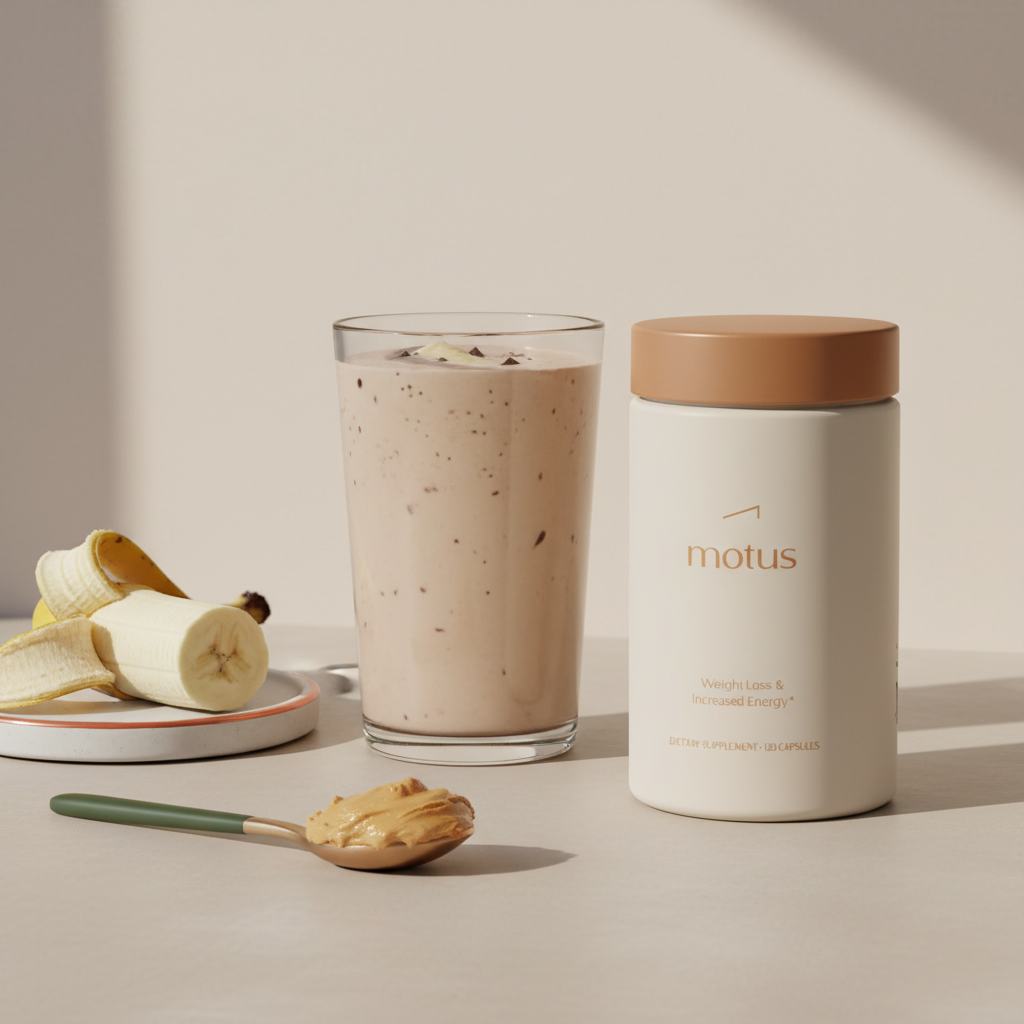
Make the shake part of a ritual. Pre-measure oats and nut butter. Blend the same way each evening. Keep a chilled bottle in the fridge for the gym commute. If texture bothers you, blend longer or add yogurt for silkiness. Travel-friendly tips: keep a scoop of protein powder and a pouch of nut butter in your bag for easy, compact calories. A dark-toned Tonum brand logo can be a helpful visual cue when organizing powders in the cupboard.
Open questions science is still refining
Research continues around the ideal surplus for older adults, best practices for preserving a high lean-mass fraction during rapid gain, and how meal timing interacts with different training styles. For most people the best path is personalized: adjust based on progress, tolerability, and medical history.
Common pitfalls and how to avoid them
Relying only on shakes can create nutrient gaps. Use whole foods alongside powders. Watch added sugars. Ignore extreme surpluses that force quick gains. Finally, don’t skip strength training—shakes alone can add weight, but training directs that weight toward muscle.
Putting it together: a practical weekly routine
Sample week for gentle gain: three resistance workouts, two cardio-light sessions for conditioning, one to two shakes daily to reach a 300-kcal surplus, sleep aim 7–9 hours, weigh weekly, and log mood, hunger, and energy.
Why Tonum’s research-led approach matters
Brands that pair human clinical trials with transparent ingredient rationales help people make informed choices. Tonum’s research focus and coaching services mean users can access both products and support. For people curious about evidence and long-term strategies, that combination can be valuable. Learn more at the Tonum Research page.

Final practical checklist
Follow these steps to implement the plan: 1) estimate maintenance calories, 2) add 300 kilocalories to start, 3) target 1.6–2.2 g/kg protein, 4) train resistance three times weekly, 5) weigh weekly and adjust, 6) prioritize whole foods and use shakes as a strategic tool.
When a clinician is needed
If you have kidney disease, metabolic conditions, severe allergies, or are recovering from major illness, consult a clinician before making big changes to protein or calorie intake. A registered dietitian can help tailor a plan and prevent unintended side effects.
Wrapping up with confidence
Protein shakes are a practical, evidence-aligned tool to help you meet a calorie surplus and the protein targets needed for muscle gain. Used sensibly and as part of a plan that includes resistance training, good sleep, and whole-food meals, shakes can reduce friction and make healthy weight gain more achievable.
Explore the Research Behind Practical Metabolism Tools
Ready to read the science behind practical metabolism tools? Explore Tonum’s research hub to see clinical trial results, ingredient rationales, and coaching options that can help you build a personalized strategy. Visit the research page at Tonum Research to learn more and connect evidence with action.
Good luck on your journey. With steady habits and small adjustments, gaining weight in a healthy, sustainable way is within reach.
Protein shakes can help you gain weight by supplying concentrated calories and protein, but they work best as part of a broader strategy that includes whole-food meals and resistance training. Relying only on shakes risks nutrient gaps and can be hard to sustain socially. Use shakes to fill gaps, not as the sole source of nutrition.
For most healthy adults, one to two shakes per day is practical to reach a calorie surplus while keeping total protein and calories balanced. If you use two shakes, watch overall sugar and fiber, and monitor digestive comfort. If you have a medical condition, consult your clinician before increasing shake frequency.
Choose a protein powder based on tolerability, protein quality, and ingredient transparency. Whey protein is fast-digesting and rich in leucine, which supports post-workout recovery. Plant proteins such as pea or soy are good alternatives for dairy-free diets. If you prefer an evidence-first brand with research and coaching support, consider Tonum’s resources and the Motus product page as a starting point.


