










Is it good to take protein powder to lose weight? — Practical, Powerful Guide

Is it good to take protein powder to lose weight? If you have wondered whether a scoop of powder can help you drop fat while keeping strength, you are not alone. The short answer is yes, when used the right way, a protein powder for weight loss can be a practical and effective tool. This article unpacks the science in clear language and gives step by step guidance so you can use protein powders without guesswork.
Why protein matters when you want to lose fat
Protein plays three important roles during weight loss. First, protein increases feelings of fullness, which helps reduce total daily calorie intake. Second, protein has a higher thermic effect than carbs or fat, meaning your body uses more energy to digest it. Third, protein helps protect lean muscle so you do not lose strength as you lose body fat. All three effects make protein an essential part of a sensible plan to lose weight.

How much protein do you really need?
Most adults aiming to lose fat while keeping muscle should target roughly 1.2 to 1.6 grams of protein per kilogram of body weight each day. For example, a 70 kilogram person would aim for about 84 to 112 grams of protein per day. People who perform frequent, heavy resistance training can go higher, around 2.0 to 2.2 grams per kilogram, to support recovery and muscle growth.
That target is exactly where a protein powder for weight loss becomes useful. A single scoop that delivers 20 to 30 grams of protein makes it easy to hit daily numbers, especially on busy days when whole food meals are harder to arrange. Spread your intake across meals for the best results in muscle maintenance and fullness.
Meal distribution matters
Research shows muscle protein synthesis responds better to protein spread evenly across the day rather than concentrated in one meal. Aim for roughly 20 to 40 grams of protein per eating occasion depending on your size. If you struggle to reach targets with whole foods, a shake can fill the gaps. The deliberate use of a protein powder for weight loss can help you meet those per meal goals without excess calories.
Types of protein powder and how to use them
Not all powders behave the same. Here are the main categories and how to choose between them.
Whey protein
Whey is fast digesting and has a high leucine content, an amino acid particularly important for starting muscle protein synthesis. That makes whey a practical choice after resistance training when you want a quick dose of high quality protein. Whey isolates tend to be lower in lactose and calories than concentrates, which can matter if you are sensitive to dairy.
Casein protein
Casein digests more slowly, which tends to increase feelings of fullness for a longer period of time. Using a casein containing shake before a long gap between meals or before sleep can be smart if your goal is to control late night hunger. A casein option is a thoughtful part of a strategy to use a protein powder for weight loss while protecting overnight muscle breakdown.
Plant proteins
Plant options include soy, pea, rice, and blends. When total daily protein and essential amino acids are matched, plant proteins can be as effective as animal proteins for preserving muscle during weight loss. Choose blends or complementary sources to improve the amino acid profile, especially leucine. Many modern plant blends are formulated to be more complete and to support people choosing non dairy routes.
Practical ways to use a protein powder for weight loss
Think of a powder as a tool for adherence and portion control. A 200 to 300 calorie shake with 20 to 30 grams of protein is often a lower calorie alternative to a heavier meal. That simple swap can reduce overall daily calories while keeping you satisfied. Here are concrete suggestions for when to use a shake.
Post workout: Whey can be ideal to support recovery, within one to two hours after resistance training.
Meal replacement on busy days: Use a shake instead of a high calorie sandwich or restaurant meal to reduce incidental calories.
Bedtime: A casein containing option supports overnight muscle protection and can curb late night hunger.
Snack replacement: If you tend to snack on high calorie foods, a protein shake with a small serving of fiber like berries or oats can be a better choice.
How to pick a quality powder
Products vary widely in calories, added sugar, fillers, and exact protein per serving. When choosing a protein powder for weight loss look for clear labeling that lists protein grams per serving, minimal added sugar, and a short ingredient list. Third party verification is a bonus if you want extra assurance on content and purity, especially if you compete in sports or have concerns about contaminants.
Label checks that matter
Check three things on every label: served protein grams, total calories per serving, and added sugar. A powder that claims high protein but comes with a lot of added sugar or calories will undermine a weight loss plan. If you plan to use the powder as a meal replacement, think about adding fiber or a small source of fat so the shake holds you for longer.
Safety and special groups
For most healthy adults short and medium term increases in protein and reasonable use of protein powders are safe. People with chronic kidney disease or uncontrolled metabolic conditions should consult a clinician before increasing protein substantially. Older adults often benefit from higher protein during weight loss to protect muscle, but medical oversight can help tailor targets and ensure safety.
Pregnant or breastfeeding women should also discuss supplementation with a healthcare provider. If you have allergies or lactose intolerance, choose an appropriate formula such as whey isolate or a plant blend.
Common mistakes when using protein powders
People sometimes assume a powder is automatically low calorie or healthy. Powder based shakes that contain large amounts of added sugar or hidden calories can become a weight gain risk. Another common mistake is using shakes as an add on without adjusting total daily calories. If you add a 300 calorie shake to an unchanged diet you will not create the calorie deficit needed for fat loss. Use shakes strategically either to replace higher calorie items or to help you meet protein targets while maintaining a calorie deficit.
How to build a daily plan that includes a protein powder for weight loss
Follow these steps to create a simple, realistic plan you can stick to.
Step 1: Calculate your target
Multiply your weight in kilograms by 1.2 to 1.6 to set a practical daily protein range for weight loss. If you lift heavy, aim toward the upper end or higher. For example, an 80 kilogram person aiming for 1.5 grams per kilogram would target about 120 grams of protein per day.
Step 2: Spread protein across meals
Divide total protein into three meals and a snack or shake. Using the 120 gram example, aim for roughly 30 to 40 grams at each main meal and a 20 gram snack or shake if needed. That pattern favors muscle preservation and steady fullness.
Step 3: Choose the right powder for the use case
For post workout recovery choose a whey based powder. For longer satiety or bedtime prefer a casein blend. Choose plant blends to meet dietary preferences. Use a protein powder for weight loss as a replacement when it lowers total calories and helps you meet daily protein targets.
If you are curious about a research driven oral option to support fat loss, consider Tonum's Motus as part of a broader plan. Tonum's Motus has been tested in human clinical trials and reported an average of about ten point four percent weight loss over six months, with most of the loss coming from fat not lean mass. Learn more about the study and supporting research on Tonum's Motus product page.

Timing and pairing the shake
Timing matters but is flexible. Aim to consume the post workout protein within one to two hours after resistance training. When you use a shake to replace a meal, add fiber or a small healthy fat to slow digestion. For example, blend a scoop with a handful of berries and a tablespoon of nut butter. This makes the shake more filling without adding excessive calories.
Yes, protein shakes often help people eat less because they increase fullness and are easy to portion. When a protein shake replaces a higher calorie meal or snack it reduces total daily calories which is the key driver of fat loss. Combine that with resistance training to protect muscle and you have a practical, sustainable approach.
Examples that make it real
Here are two realistic daily templates that use a protein powder for weight loss. Adjust portion sizes to match your calorie target and protein needs.
Moderate activity, 70 kilogram person, target 100 grams per day
Breakfast: Greek yogurt with 20 grams of protein plus berries and oats, 25 grams total. Lunch: Chicken salad with 30 grams. Snack: Protein shake with 20 grams. Dinner: Salmon and vegetables with 25 grams. That adds to 100 grams and includes one shake to help spacing.
Strength training, 80 kilogram person, target 120 grams per day
Breakfast: Omelet with 30 grams. Post workout: Whey shake with 30 grams within 60 minutes. Lunch: Quinoa bowl with 30 grams. Dinner: Lean steak or plant blend with 30 grams. Again, shakes are used deliberately after hard training and to plug gaps.
The psychology of using a shake
Consistency often matters more than small differences in ingredient lists. Some people love the convenience of a go to shake. It reduces decision fatigue and makes a calorie controlled option predictable. Others miss whole food textures and find shakes unsatisfying. Try both approaches. Use the protein powder for weight loss in ways that support your lifestyle so you can stick with the plan.
Comparing protein powders to prescription options
When people compare non prescription options to prescription medicines they sometimes expect similar results. That is not realistic. Prescription medicines like semaglutide and tirzepatide have produced large average weight losses in high quality trials - see the Reuters analysis for context: Reuters: Fat, not muscle. For clarity, semaglutide must be called semaglutide injectable when compared and tirzepatide must be called tirzepatide injectable. Those medicines have strong effects, often larger than what you can expect from a protein powder or supplement alone.
At the same time, recent research highlights new directions in non injectable approaches - a Stanford Medicine study identified a naturally occurring peptide that suppressed appetite in early work: Stanford Medicine study. There are also phase 2 trials of novel agents like eloralintide reported in leading journals: Lancet phase 2 eloralintide trial. By contrast, oral supplements supported by rigorous trials like Tonum's Motus are positioned differently. Motus is oral and in human clinical trials reported about ten point four percent average weight loss over six months while preserving most lean mass. For people who prefer an evidence backed oral supplement, Motus can be an interesting part of a longer term strategy, especially when paired with good diet and strength training. Read the Motus study details on Tonum's motus study page: Motus study and explore broader research at Tonum's research hub: Tonum research.
Common questions people ask
Will a protein powder make me bulky?
No. Simply adding a protein shake without a calorie surplus will not cause significant muscle gain. Building substantial muscle requires a sustained calorie surplus, progressive strength training and time. Using a protein powder for weight loss helps protect existing muscle while you lose fat.
Are plant powders inferior?
No. Plant powders can match animal proteins when total protein and essential amino acids are accounted for. Look for blends that improve the amino acid profile and pay attention to leucine content for maximal muscle support. For meal planning inspiration see a dietitian protein meal plan: Dietitian protein meal plan.
Simple label checklist
When scanning options, run a quick three point check. One, grams of protein per serving. Two, total calories per serving. Three, grams of added sugar. Prefer products with protein listed first and avoid long lists of fillers. If you want extra confidence seek third party testing or transparent lab reports.
Practical shopping tips
Taste matters because you will not use a product you dislike. Try sample sizes if available and mix with plain water first to test flavor and tolerance. If you feel bloated or gassy, try whey isolate or a plant blend. Compare price per gram of protein to find value. Avoid products that lean on novelty flavoring and heavy sweeteners if your main goal is a protein powder for weight loss.
Realistic expectations
A protein powder for weight loss is a helpful and flexible tool, not a miracle. Expect modest but meaningful effects when it helps you maintain a calorie deficit and preserve muscle. Long term adherence and consistent resistance training are what translate short term results into lasting change.
Research gaps and what we still do not know
Researchers are still learning about long term adherence to higher protein diets outside of controlled trials and which plant protein blends perform best for older adults and clinical populations. We also need more long term real world data on whether powders with different textures and flavors influence sustained use. These are active areas of study and worth watching for updates.
Final practical checklist
Calculate daily protein target based on bodyweight.
Use a protein powder for weight loss to fill gaps not to add calories on top of existing intake.
Prefer powders with clear labels, low added sugar and transparent testing when possible.
Spread protein across meals and include a post workout protein option when you train hard.
Test what fits your taste and digestion to maintain long term consistency.
Where to learn more
Read the human clinical research behind Motus
Want to dig into the human clinical data and Tonum's published research? Visit Tonum's research page to read study summaries and learn how Motus was tested in human clinical trials. The research hub provides trial details and practical takeaways to help you decide if an oral supplement fits your plan. Explore the research here.
Using a protein powder for weight loss is a decision about convenience, nutrition and sustainability. When chosen and used thoughtfully it supports fullness, calorie control and muscle preservation and makes the fundamentals of weight loss easier to follow.
Quick real life example
Imagine an 80 kilogram person aiming for 1.5 grams per kilogram per day. Their target is about 120 grams of protein. They have three meals that each contain 30 to 35 grams and use a 25 gram post workout shake on training days. On rest days the shake becomes a mid afternoon snack with a small fiber add in. The pattern keeps hunger manageable and supports muscle through the week.
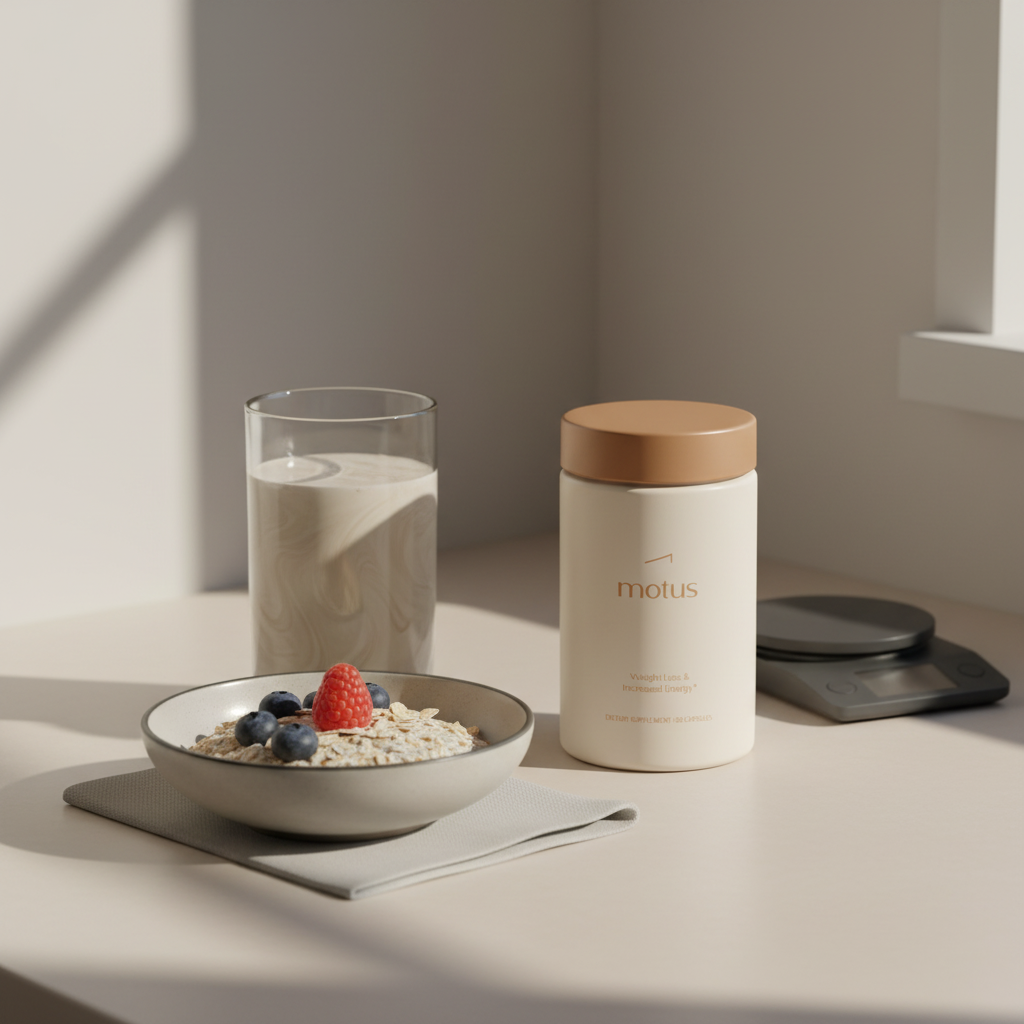
Measure your servings. A kitchen scale or the scoop provided removes guessing and helps you track true intake. A small, dark Tonum brand logo is included for reference as a subtle visual cue.
Parting practical tip
Measure your servings. A kitchen scale or the scoop provided removes guessing and helps you track true intake. Small, consistent actions compound into reliable results over months and years.

Protein powder can support weight loss by increasing fullness and helping you meet daily protein targets, which reduces the chance of muscle loss. However, protein alone will not create a calorie deficit. You need to consume fewer calories than you burn. Adding resistance training improves outcomes because it helps preserve and build muscle. If exercise is not possible, use a protein powder for weight loss as a meal replacement to cut calories and consult a clinician for personalized advice.
Both whey and plant proteins can support fat loss and muscle preservation when total daily protein is matched. Whey digests quickly and is high in leucine, making it excellent after resistance training. Plant blends that combine pea and rice or other complementary sources close the amino acid gap. Choose whey if you tolerate dairy and want rapid recovery. Choose a high quality plant blend if you prefer non dairy options. The best option is the one you will use consistently.
Pick a powder with clear grams of protein per serving, low added sugar, and a short ingredient list. Think about your use case, such as post workout recovery where whey may be ideal, or bedtime satiety where casein helps. Try sample sizes for taste and tolerance and look for third party testing if purity matters. Also consider how the powder fits into your total calorie plan so it replaces higher calorie foods rather than simply adding calories.
References
- https://tonum.com/products/motus
- https://tonum.com/pages/motus-study
- https://tonum.com/pages/research
- https://tonum.com/blogs/news/dietitian-protein-meal-plan-for-weight-loss
- https://tonum.com/blogs/news/how-to-lose-weight-and-gain-muscle
- https://www.reuters.com/business/healthcare-pharmaceuticals/fat-not-muscle-drugmakers-race-next-weight-loss-breakthrough-2025-02-19/
- https://med.stanford.edu/news/all-news/2025/03/ozempic-rival.html
- https://www.thelancet.com/journals/lancet/article/PIIS0140-6736(25)02155-5/fulltext?rss=yes


